





Dig Deeper: Who Are Your Safest Fleet Drivers?
AI Adoption Pays Off for Field Service Fleets, Says Geotab Report
AI is transforming field service fleets. Geotab’s 2025 report shows gains in uptime, fix rates, and efficiency with real-world AI applications.
June 11, 2025

Geotab’s 2025 State of Field Service Report reveals that AI is already improving uptime, fix rates, and inventory management for field service fleets across North America.
Photo: Work Truck
3 min to read
Geotab just released its inaugural 2025 State of Field Service Report, and if you thought AI was still a “down the road” kind of tech for fleet operations, it’s time to catch up. Turns out, AI is already doing the work, and delivering measurable returns for field service fleets across North America.
The report surveyed 100 senior field service leaders, digging into how today’s tech tools are changing operations. And the verdict? AI is no longer a trend; it’s a tool that’s making uptime better, reducing costs, and helping techs get the job done faster.
Real Results from Real Fleets
Let’s talk numbers. According to the report:
93% of field service companies have at least partially implemented AI
88% are already seeing improved asset uptime, with increases between 6-15%
75% have improved first-time fix rates by up to 30%
62% expect AI to overhaul inventory management within the next 12 months
77% are reporting a solid speed-to-value from their recent technology investments
Even a few percentage points in these categories can mean major cost savings, higher productivity, and happier customers.
Small Steps, Big Wins
Field service managers have a lot on their plates: routing, scheduling, safety, inventory, customer updates, you name it. According to Bob Bradley, vice president of Data Science and AI Engineering at Geotab, you don’t have to completely overhaul your fleet operations to see the benefits of AI.
“Simple applications, like automatically dispatching the nearest technician, flagging equipment issues before failure, or providing customers with real-time updates, deliver immediate value,” Bradley said. “Start small. Once you see the benefits, expanding AI’s role is a no-brainer.”
Why This Matters to Field Service Fleets
From utility repair and HVAC to telecom and emergency response, field service fleets are the behind-the-scenes MVPs that keep critical systems running. But when those trucks go down, it’s not just inconvenient, it’s costly.
Every minute counts, and the report makes it clear: AI is helping cut idle time, keep trucks moving, and ensure the right part gets to the right place the first time. It’s also giving fleet managers a clearer picture of what’s working — and what’s not — through near real-time data.
Challenges? Yes. But Not Deal-Breakers.
Of course, no fleet tech conversation is complete without a few growing pains. The report highlights a few common friction points:
68% of leaders say data quality and siloed systems slow down AI adoption
58% struggle to integrate AI with older legacy systems
53% face budget and cost management concerns
But the message is clear: don’t let perfection be the enemy of progress. Many companies are starting with low-lift, high-impact applications, like predictive maintenance, inventory optimization, or AI-powered scheduling, and building from there.
What’s Next: Smart Tech on the Rise
Looking ahead, Geotab found that the next wave of field service tech is already taking shape:
66% of companies plan to implement AI-enhanced customer portals in the next year
57% are investing in AI-driven service demand forecasting
60% are using Augmented Reality (AR) or Virtual Reality (VR) for technician training and support
85% are already leveraging mobile apps with real-time updates
That kind of forward-thinking is helping fleets stay agile and meet rising customer expectations while preparing the next generation of techs with the tools they’ll actually use.
Advice from the Field
Maureen Azzato, Portfolio Director of Field Service at Geotab, had one simple piece of advice for service leaders: “Focus AI on areas that create immediate impact: dispatching, predictive maintenance, or ensuring the right parts are in stock. These quick wins help build momentum and free up your team to tackle bigger improvements down the line.”
AI doesn’t have to be intimidating. Done right, it’s just another tool in the belt, one that helps keep field service fleets faster, safer, and smarter.
More Technology
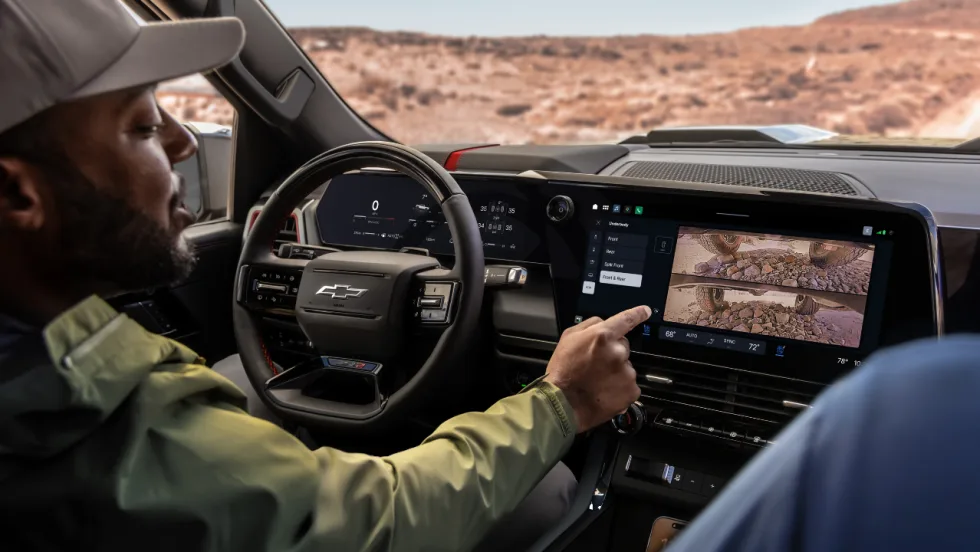
GM Brings New Truck Focused Interface to 2027 Silverado and Sierra
GM's new pickup interface puts trailering data, camera views, vehicle controls, and smartphone integration closer to the driver in the 2027 Silverado and Sierra.
Read More →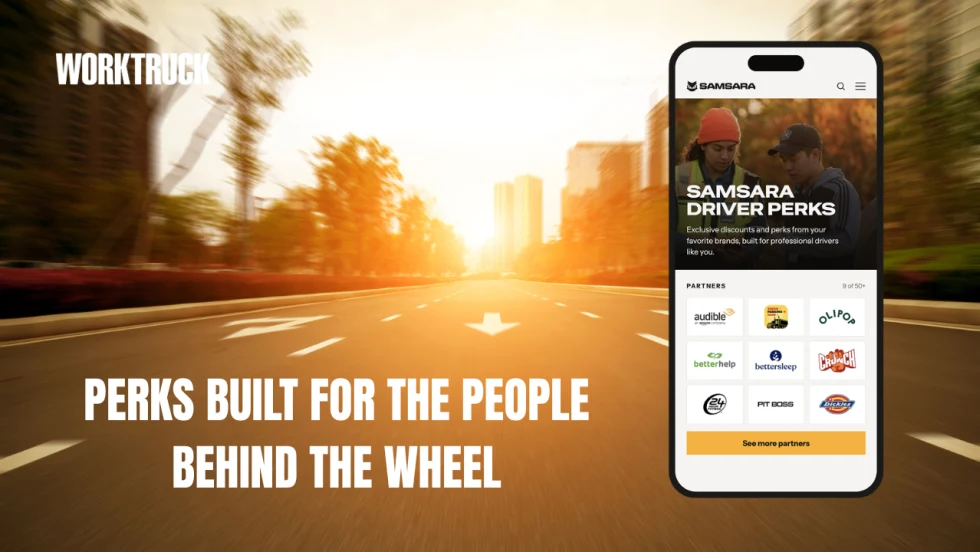
Samsara Driver Perks Expands Rewards Beyond the Long Haul Driver
Samsara’s new driver rewards program was built with a broader professional driver in mind, including employees who split their day between driving, job sites, service calls, and other work.
Read More →
AI Service Advisor Aims to Cut Fleet Repair Downtime
Fleetio said its AI Service Advisor can help fleets cut repair downtime by an average of 2.5 hours per repair while reducing manual maintenance work.
Read More →
Verra Mobility Launches AI-Driven Title & Registration Solution
Verra Mobility has launched a new AI-driven Title & Registration platform to help fleets move vehicles from acquisition to the road the same day while reducing compliance risk.
Read More →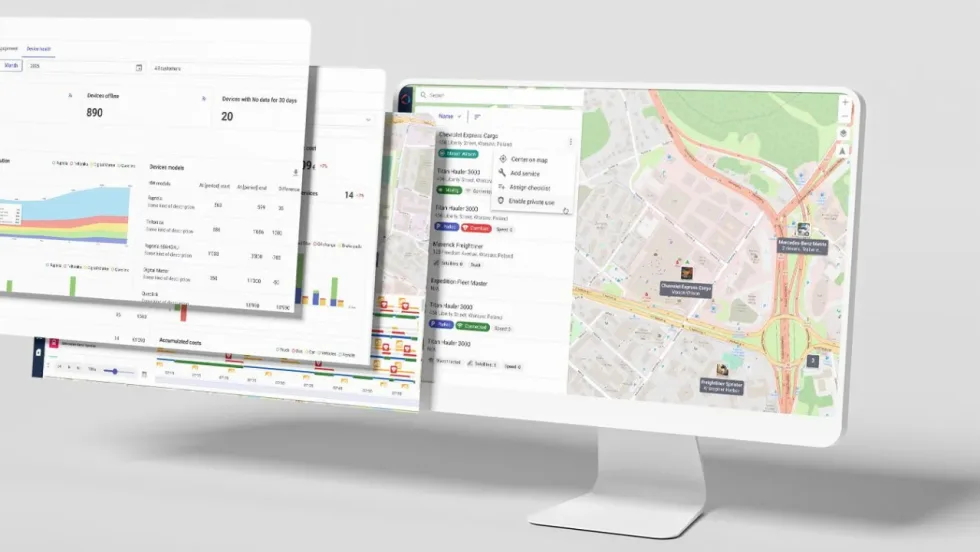
Wialon Unlocks OEM Data to Give Fleet Owners Data Ownership & Operational Clarity
Wialon has introduced hardware-free OEM integration as the EU Data Act accelerates the shift in vehicle data access across the fleet industry in many countries.
Read More →
Teletrac Navman Promotes New CEO from Within
Teletrac Navman’s next CEO, Ricardo Buranello, has served as the company’s chief financial and operating officer. He brings deep financial and operational expertise, a strong strategic orientation, and an intimate knowledge of the business to his new role.
Read More →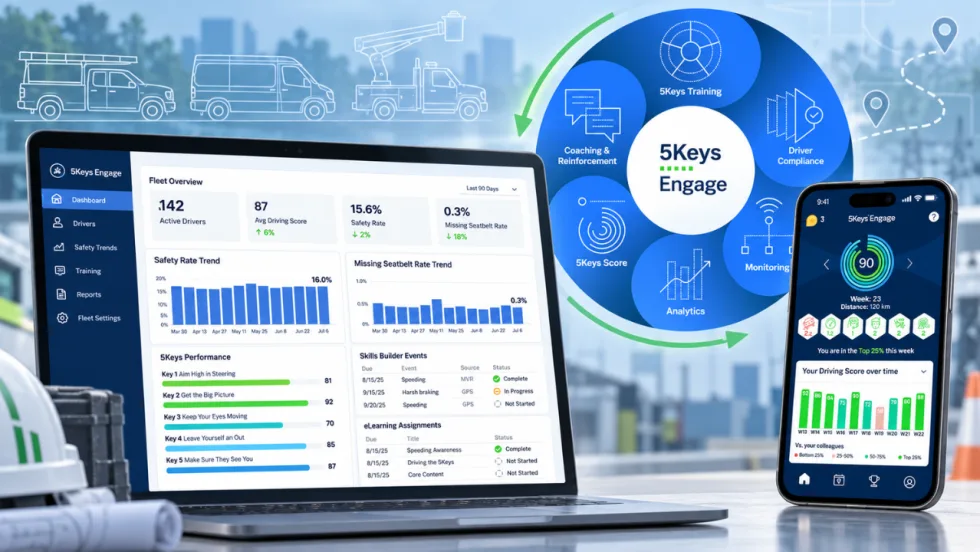
Smith System Wants Work Truck Fleets to Look Beyond the Driver Alert
Smith System’s new Driver Risk Management program is built to help mixed work truck fleets turn telematics alerts and observations into specific behaviors, coaching actions, and measurable follow-up.
Read More →
Ford Pro Software Updates: August 26
Check out the latest Ford Pro software updates, including Google Maps integration, Remote Vehicle Alarm integration, Motor Pool for easier management of shared pool vehicles, and more.
Read More →
Where AI Is Actually Saving Fleet Managers Time
AI is moving past the buzzword stage and into the daily fleet workflow. Fleetio’s Brianna Perry Lang breaks down where fleets are seeing real time savings, from maintenance and data entry to repair decisions, safety, and compliance
Read More →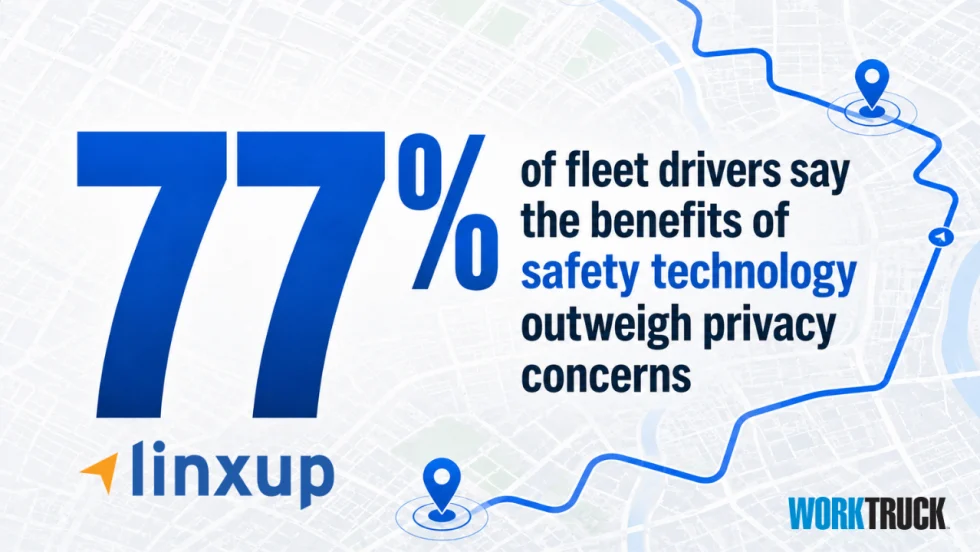
Are Work Truck Drivers Warming Up to Dash Cams and GPS Tracking?
A new survey finds field-service drivers may be more comfortable with dash cams and GPS tracking than fleet managers think, especially when the technology helps protect them after a crash.
Read More →