





IIHS Safety Tip: How to Avoid Animal Collisions
A Surprising Attitude Towards Anti-Speeding Tech in Vehicles
Speeding is a significant factor in U.S. traffic fatalities, contributing to more than 12,000 deaths in 2022 alone. Speed limiters aim to help reduce those numbrers.
June 12, 2024

Speeding kills. It’s consistently a factor in more than a quarter of U.S. traffic fatalities. What can fleets do to reduce the safety impact of speeding drivers?
Photo: Work Truck
3 min to read
A new survey of 1,802 drivers from the Insurance Institute for Highway Safety (IIHS) has revealed that more than 60% of drivers would find it acceptable if their vehicle provided an audible and visual warning when they exceeded the posted speed limit.
The survey also showed that about half of drivers say they wouldn't mind vehicle technology that makes the accelerator pedal harder to press or automatically restricts speed.
Editor's Note: Want to dig into fleet safety? Check out the latest findings from the Work Truck Fleet Safety Study!
Implications of the IIHS Safety Study Findings
IIHS President David Harkey characterized these findings as "exciting."
“These findings are exciting because they suggest American drivers are willing to change how they drive to make our roads safer,” Harkey said. “The conventional wisdom has always been that speed-restricting technology would never fly in our car-centric culture.”
Speeding is a significant factor in U.S. traffic fatalities, contributing to more than 12,000 deaths in 2022 alone. Despite the risks, about half of drivers admit to driving at least 15 mph over the limit in the past month.
The Potential of Speed-Restricting Technology
According to the IIHS, speed limiters have been around for years, but the conventional type only allows one maximum setting. That means the few fleet operators and others who use them have to set the maximum at highway speeds, making them useless on most U.S. roads.
In contrast, intelligent speed assistance (ISA) systems use GPS and a speed limit database, sometimes with cameras capable of reading posted signs, to identify and adapt to the actual speed limit.
IIHS Senior Research Scientist Ian Reagan, who designed the survey about ISA, emphasized the potential of the current technologies to virtually eliminate speeding.
“We can no longer pretend this is an unsolvable problem,” noted Reagan, who designed the survey about intelligent speed assistance (ISA). “With our current technologies, we could stop virtually all speeding and eliminate speeding tickets to boot. Instead, we seem to be going the opposite direction, with adaptive cruise control and partial automation systems that allow drivers to peg their speed at 90 mph if they want.”
Driver Preference for Advisory Systems
To account for how respondents’ driving style might influence their feelings about ISA, Reagan asked general questions about the danger of speeding, the effectiveness of technology, and the respondents’ driving behavior.
The survey also revealed a clear preference for advisory systems over those that directly intervene to control the vehicle's speed. However, drivers' attitudes towards ISA varied based on the specific features offered.
For instance, nearly 60% of drivers in the advisory-only group found it acceptable if the ISA system came on automatically at the beginning of every trip, compared to 51% of drivers in the accelerator-feedback group and 48% of drivers in the speed-limiter group.
Around 70% of drivers in all groups agreed they would want ISA in their next car if their insurance company lowered their premiums based on evidence that they don’t speed.
The survey did flag some potential pitfalls. Frequent speeders were 20% less likely to accept ISA than occasional or rare speeders, suggesting those who need it most might use it the least. However, the two groups were equally likely to say they would keep the feature switched on if their vehicle had it.
More Safety
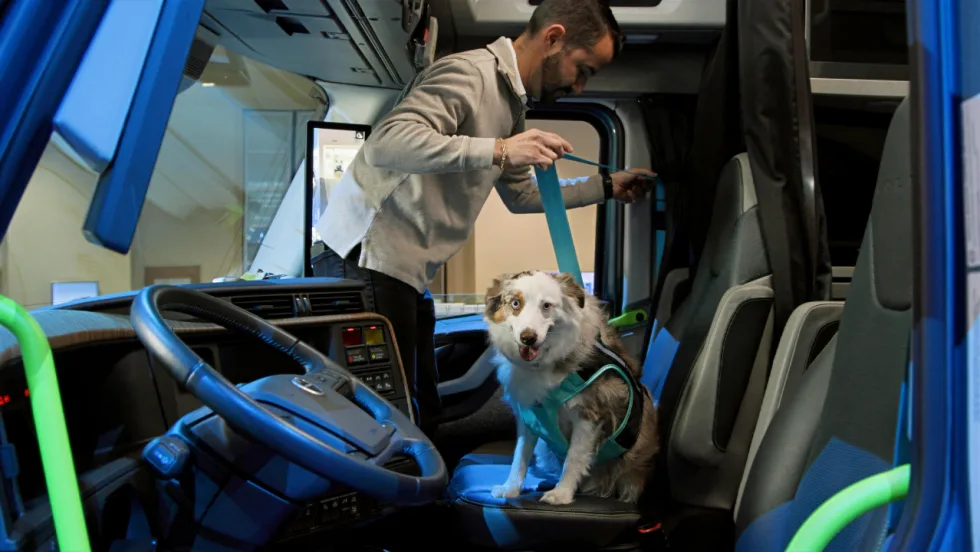
Volvo Trucks Releases New Safety Recommendations for Traveling with Pets
One of the most important recommendations for professional drivers traveling with pets is to ensure pets are properly restrained while the truck is moving. Other tips are available in the new guide from Volvo Trucks North America and Center for Pet Safety.
Read More →
API Issues Refueling Safety Guidelines
The American Petroleum Institute offers a list of safe vehicle refueling guidelines, including ways to avoid potential problems with static electricity discharges in fall, winter, and early spring.
Read More →
Winter Fleet Prep: Expert Tips to Keep Vehicles Running Smoothly
Cold weather can expose weak batteries, tires, fuel systems, and maintenance gaps fast. Use this winter fleet checklist to prepare trucks and drivers before temperatures drop.
Read More →
When a Work Truck Breaks Down, the Job Can Stop, Too
A work truck breakdown can stop more than the vehicle. Discover how payloads, jobsites, and specialty equipment change the roadside response.
Read More →
What Stronger Long-Term Fleet Service Partnerships Actually Require
Fleet service partnerships rarely fall apart all at once. Learn the three warning signs that trust is eroding and what fleets and providers can do before downtime, frustration, and lost revenue follow.
Read More →
Applause & TRUCE Software Partner to Improve Driver Safety Through AI-Powered Telematics & Employee Performance Management
Applause has integrated TRUCE driving metrics directly into its employee-first performance and safety platform that transforms mobile devices into AI-powered telematics.
Read More →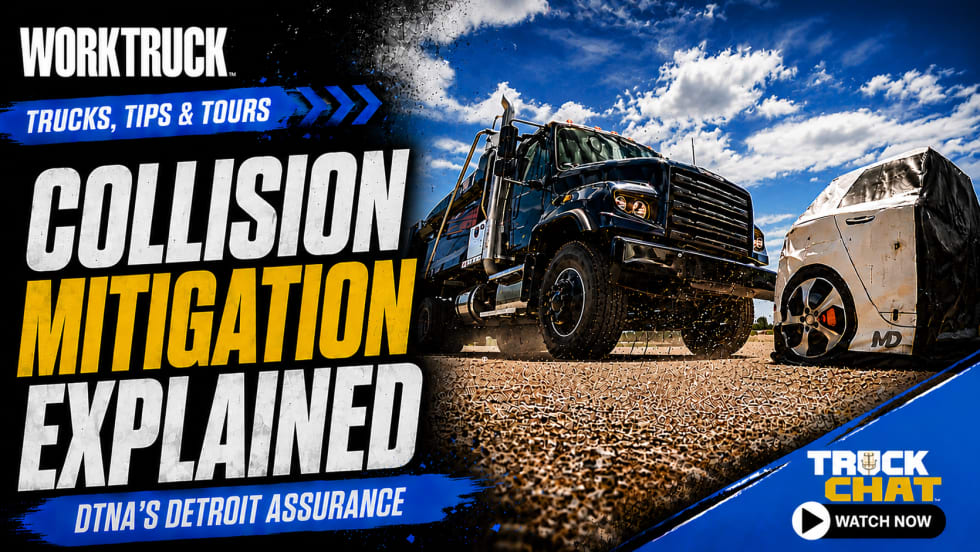
How Detroit Assurance with Active Brake Assist Works
Do you want to see what it is like to experience Detroit Assurance’s Active Brake Assist? In this video, Work Truck will put you in the cab to see how it all works and then hear more details from DTNA’s Mike Young.
Read More →
Get Left of Loss: A 5-Step Workplace Violence Prevention Framework for Fleet Operators
Violence risks do not stop at the driver’s door. Learn five practical steps fleets can take to spot threats early and protect workers before loss occurs.
Read More →
Sponsored•July 17, 2026
How Better Visibility Cut Speeding Violations by 48%
Fleet leaders don't need more data, they need clearer visibility into what the data is saying. This case study explores how one utility replaced speeding-event counts with a single metric — miles driven in violation — to strengthen safety and significantly reduce speeding violations.
Read More →
13 Safe Driving Tips for Commercial Vehicle Drivers
Make sure you are spending time on the road safely with these important tips.
Read More →