




2015 Ford F-150 Named Greenest Pickup
In time for Earth Day, AAA named the 2015 Ford F-150 SuperCab Lariat with EcoBoost gasoline as the greenest pickup truck in the segment in its 2015 "AAA Green Car Guide."
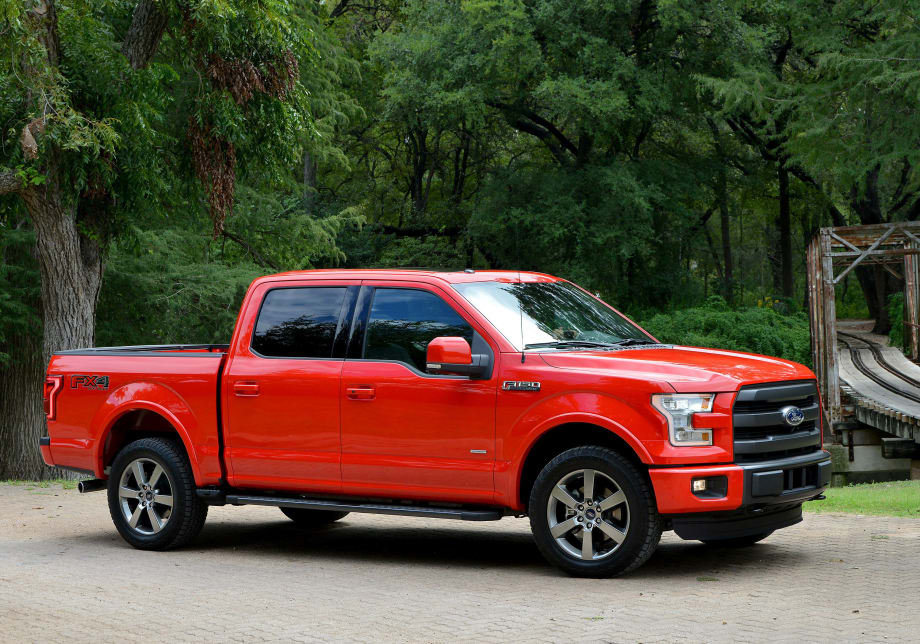
Photo: Ford
Photo: Ford
In time for Earth Day, AAA named the 2015 Ford F-150 SuperCab Lariat with EcoBoost gasoline as the greenest pickup truck in the segment in its 2015 AAA Green Car Guide.
When equipped with the available 2.7-liter EcoBoost engine with standard Auto Start-Stop, the MY-2015 F-150 4×2 returns EPA-estimated fuel economy ratings of 19 mpg city/26 mpg highway/22 mpg combined. Actual mileage will vary, according to the automaker.
The F-150 had an overall ranking of 32 on the list of 88 vehicles of all types. The 2014 Chevrolet Silverado 1500 LT and the 2014 Ram 1500 SLT Outdoorsman Crew Cab 4X4 were ranked at 59 and 66 respectively. All three trucks were powered by gasoline. The top vehicle on the list was the 2015 Tesla Model S P85D.
AAA Green Car Guide winners were tested and scored by the Automobile Club of Southern California’s Automotive Research Center in 13 categories, including braking, fuel economy, emissions, handling and ride comfort. The 2015 guide can be accessed online at www.calif.aaa.com/content/dam/ace/pdf/2015-AAA-Green-Car-Guide.pdf.
Originally posted on Automotive Fleet
More Green Fleet

Fleet Forward Conference Introduces One-Day Passes for 2026
New one-day registration gives fleet professionals the flexibility to attend Tuesday, Wednesday, or Thursday, with passes available for $199 through Sept. 18.
Read More →
CALSTART Rebrands as Catalyst Mobility, Will Combine with Forth in 2027
CALSTART has rebranded as Catalyst Mobility and will combine with Forth at the start of 2027. The new organization said it is poised to become one of the world's largest, strongest, and most impactful clean transportation nonprofits.
Read More →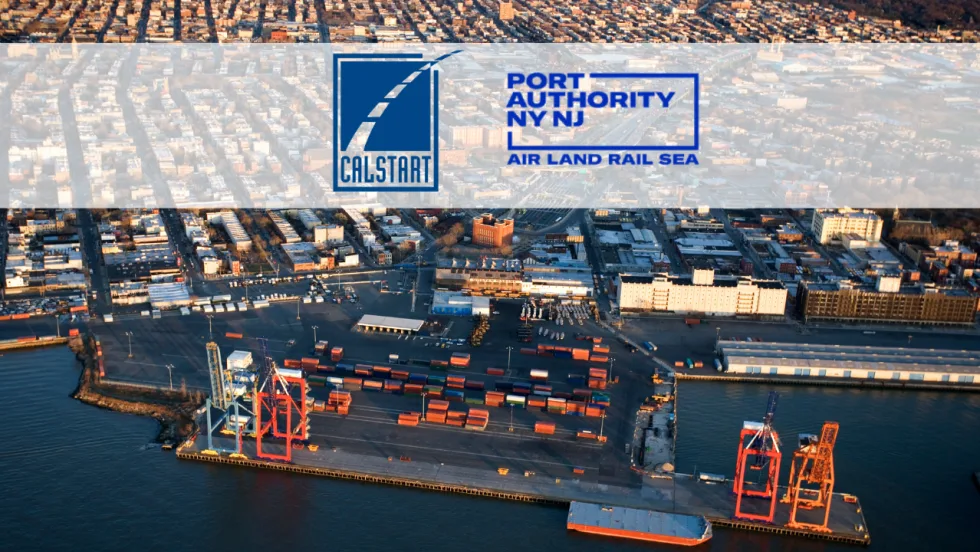
Electric Truck and Charging Programs to Boost Sustainability at NY & NJ Ports
Together, the Port Authority of New York and New Jersey and CALSTART will electrify drayage and terminal operations serving the East Coast’s busiest container port. A pair of incentive programs totaling $45 million has launched to accelerate adoption of zero-emission drayage trucks and terminal tractors.
Read More →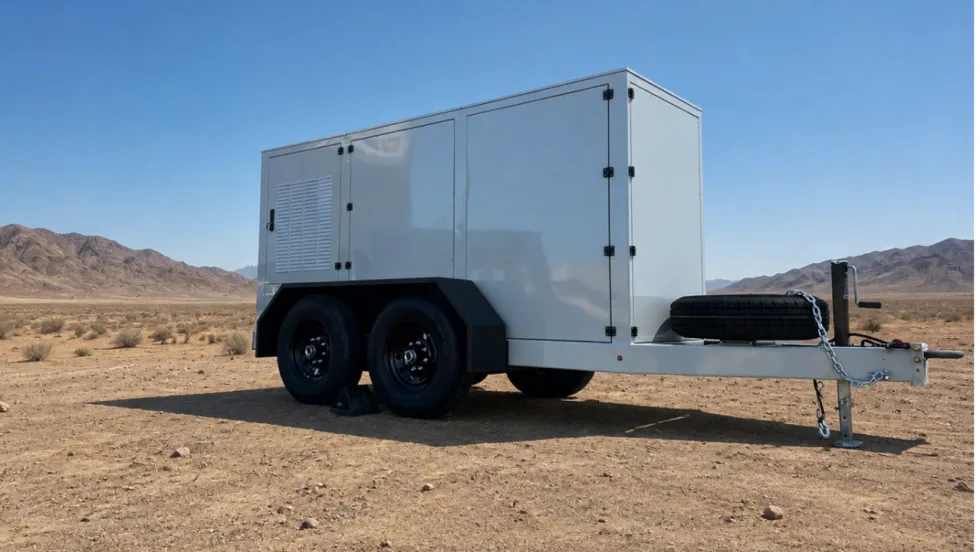
Xos Hub Surpasses One Gigawatt-Hour of Energy Delivered in the Field
A single Xos Hub has surpassed one gigawatt-hour of energy across more than 33,600 charging sessions in the field, demonstrating performance that supports Xos' expansion across new products and markets.
Read More →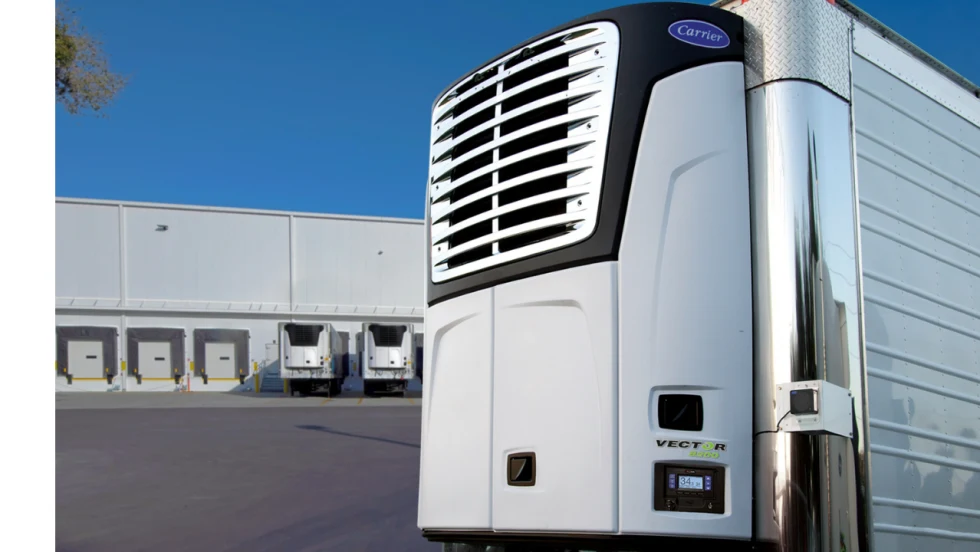
Carrier Transicold Launches All-Electric Vector 8200 TRU for Diesel-Free On-Site Cold Storage
Carrier Transicold’s first engineless multi-temperature TRU helps fresh- and frozen-food fleets add supplemental cold storage capacity during seasonal peaks.
Read More →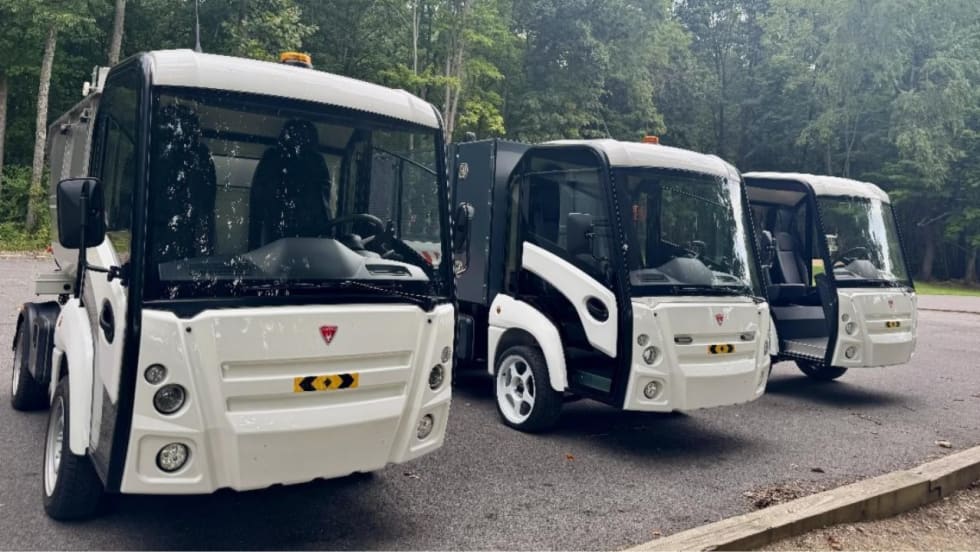
Narro Trucks Introduces Electric Utility Vehicle
Narro Trucks officially launched its operations on Aug. 20 and hosted a ride and drive to showcase its electric truck, which will be produced in Virginia.
Read More →
Samsung SDI Takes Full Control of GM Battery JV as Indiana Plant Pivots to Energy Storage
Samsung SDI is taking full control of its Indiana battery plant with GM, marking a major shift from the EV-focused joint venture Charged Fleet first covered in 2023.
Read More →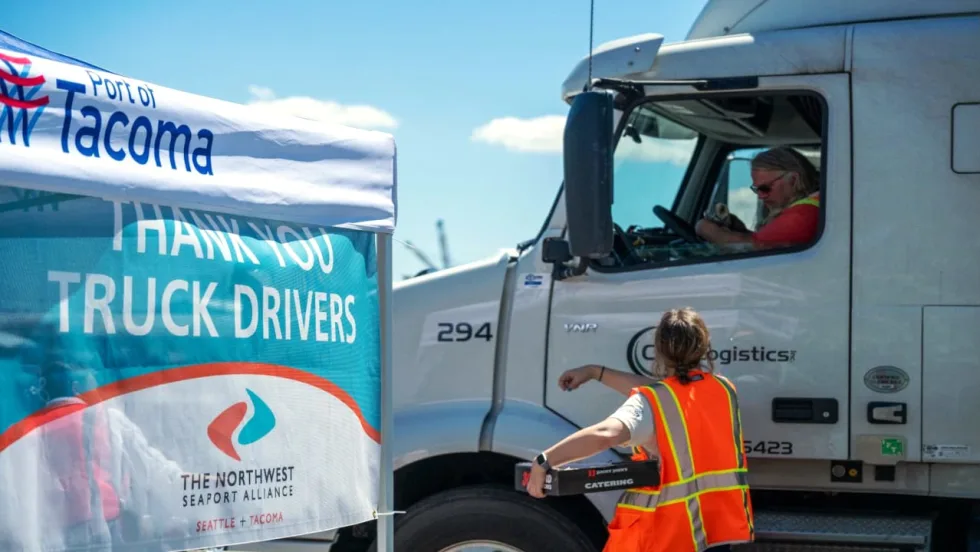
NWSA Taps CALSTART to Administer Zero-Emission Drayage Assistance Program
CALSTART will provide free technical assistance services to drayage fleets serving the Ports of Seattle and Tacoma and looking to transition to cleaner technologies and help decarbonize freight hubs.
Read More →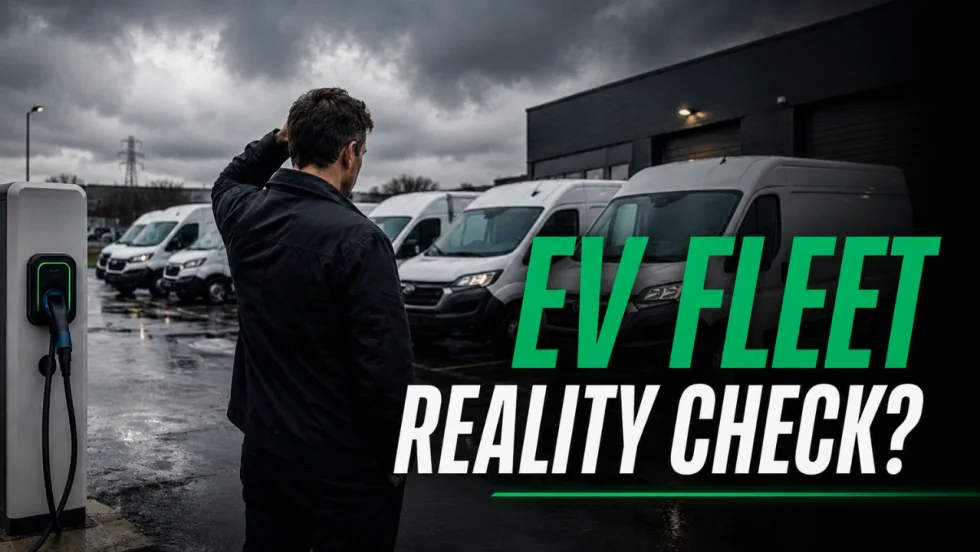
EV Fleet Reality Check: What Operators Wish They Knew Before Electrifying Their Work Vans
Electric work truck upfits bring new compatibility questions. Learn how parts availability, OEM guidance, power demands, and route planning can affect fleet performance.
Read More →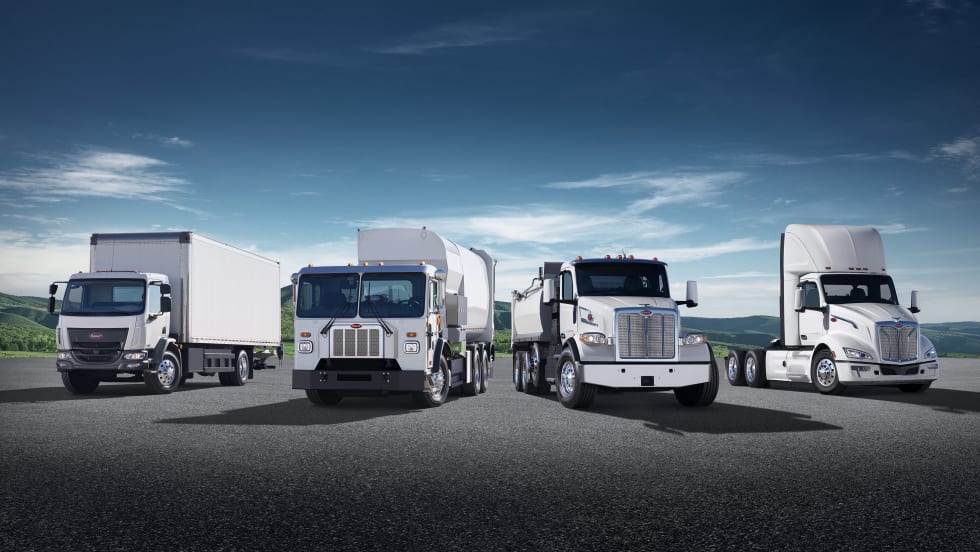
Peterbilt Expands Sourcewell Partnership with Electric Vehicle Lineup
Peterbilt Motors Company’s cooperative purchasing agreement with Sourcewell and its Canadian partner, Canoe Procurement Group, now includes including Peterbilt's battery-electric vehicle lineup.
Read More →