


 MENU
MENU SEARCHMENUSEARCH
For Rossmoor Pastries, converting from gasoline-powered delivery vans to a fleet fueled by clean-burning compressed natural gas is saving the company $4,000 per month.
Read More →
Transform fleet GPS into a win-win tool for efficiency, savings, and driver trust. Discover strategies to make adoption smooth and beneficial for all.
Read More →
It’s easy to forget the tried-and-true strategies that keep costs down. Focusing on the basics saves money and leads to fleet management success.
Read More →
The Farmington, Connecticut-based company dramatically lowered out-of-stock purchases, increased resale value through extended replacement cycles, and re-evaluated its selector list to better meet its needs.
Read More →Roche, a leading pharmaceutical and diagnostic business, implemented a successful hyybrid vehicle program that reduces gas and emissions in its sales fleet.
Read More →Depreciation turns fleet vehicles into “melting” assets. The open-end TRAC lease is an excellent tool to manage depreciation expense; however, maximizing its effectiveness requires establishing the proper depreciation reserve.
Read More →
The RFP process can get bogged down with unneeded detail when procuring fleet programs and services. Reviewing and analyzing responses become cumbersome. Here are some ideas to simplify the process.
Read More →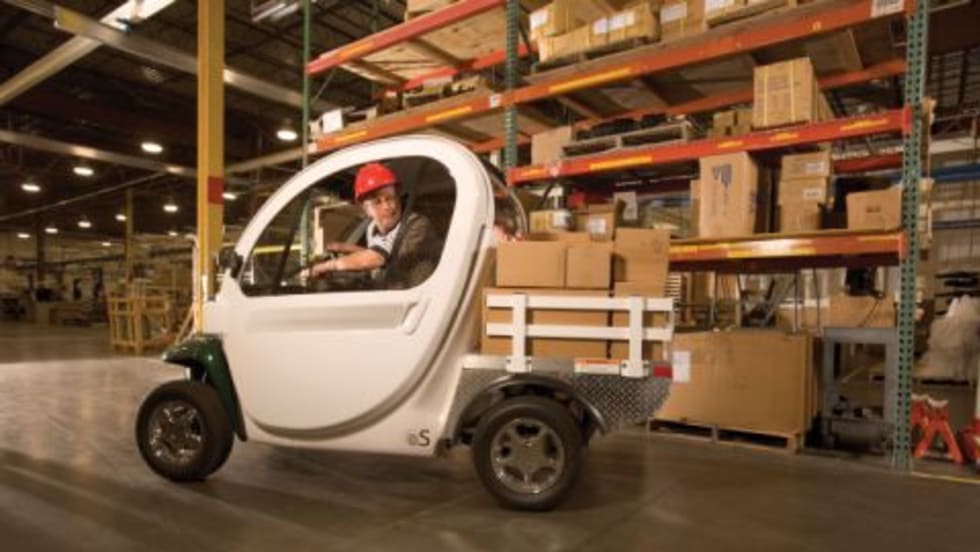
With environmental benefits, low operating costs and flexibility of use, NEVs could offer a viable alternative in your fleet. Yet there is much to consider before taking the leap to fully battery-powered vehicles.
Read More →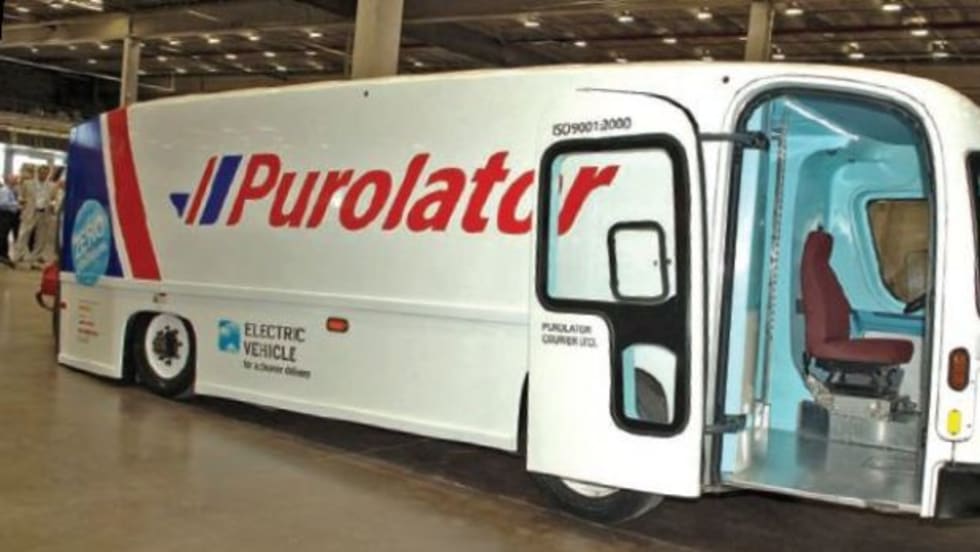
Urban package delivery routes usually include lots of stops and starts, but require relatively little long-range driving. Purolator Courier is developing the Quicksider EV, an electric green solution.
Read More →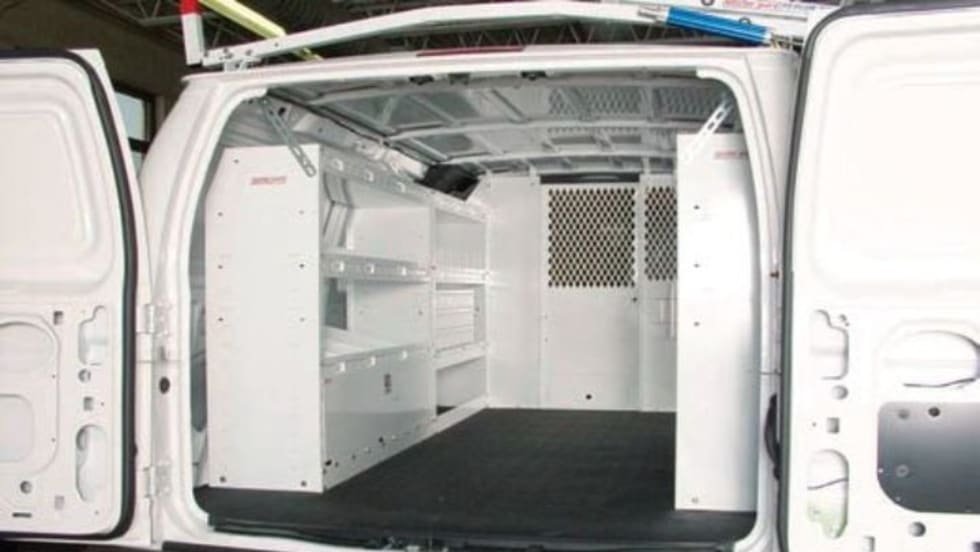
Cargo partitions add safety and security to fleet vans and can be utilized to turn the front of the cab into a work space.
Read More →