


 MENU
MENU SEARCHMENUSEARCH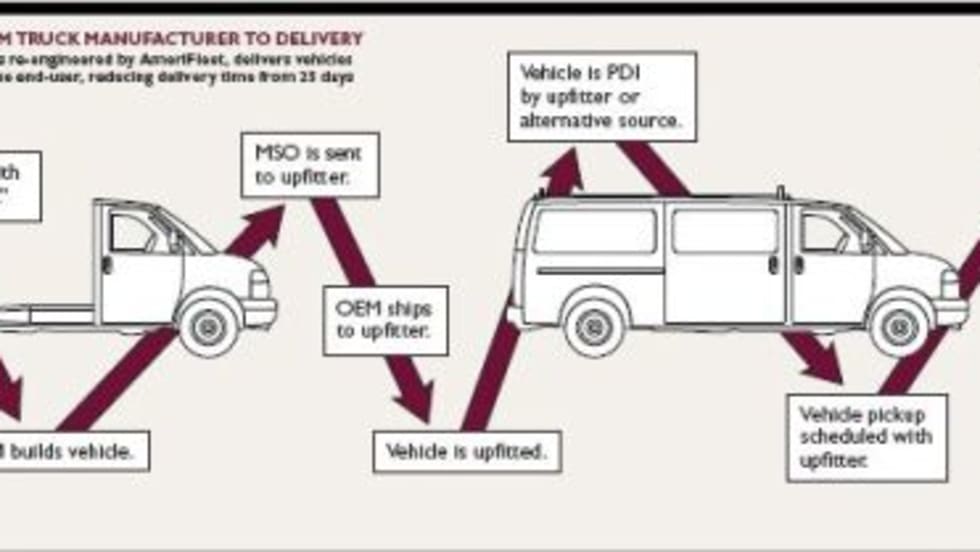
The process shortens delivery time and helps truck fleets get vehicles on the road faster, providing real bottom-line benefits. Vehicles reach end users inspected, titled, plated, cleaned, and ready to use.
Read More →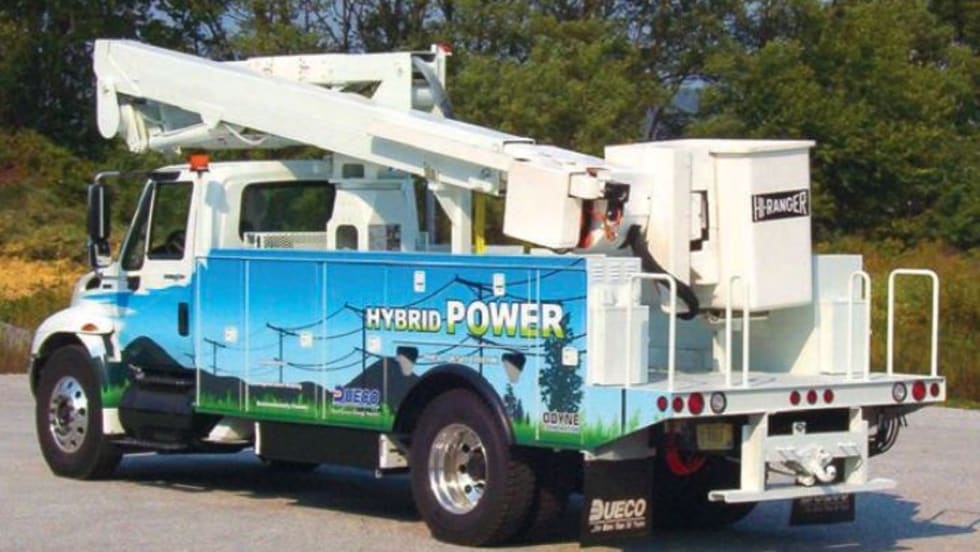
On the job, lift trucks often have to spend the day idling. A plug-in hybrid lift truck can cut much of that fuel use and emissions, while maintaining complete usability.
Read More →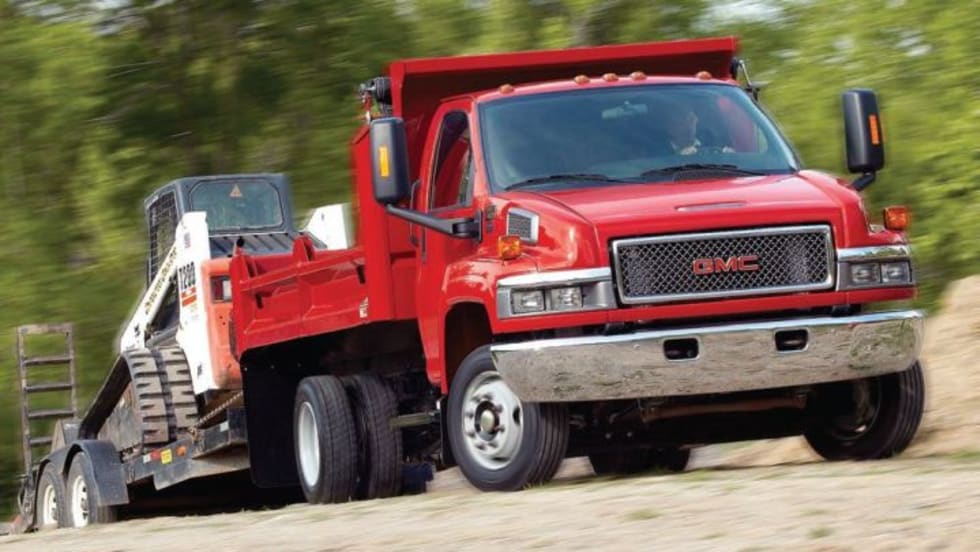
Not only does propane offer lower capital costs than diesel power, but tax credits are also available for the resulting low-emission vehicles.
Read More →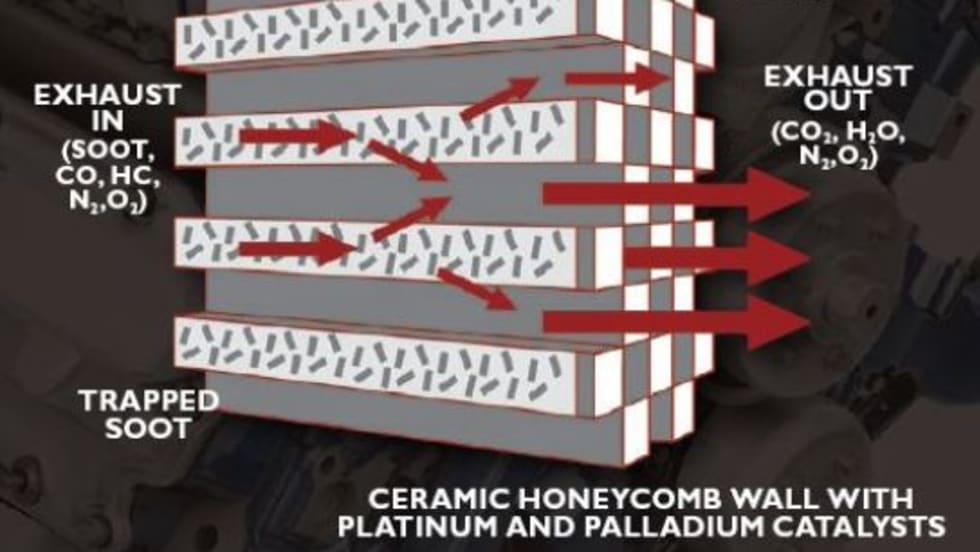
Developed to achieve government-mandated diesel emissions levels, DPF operation requires little driver involvement. The units are designed for long life, but must be properly maintained.
Read More →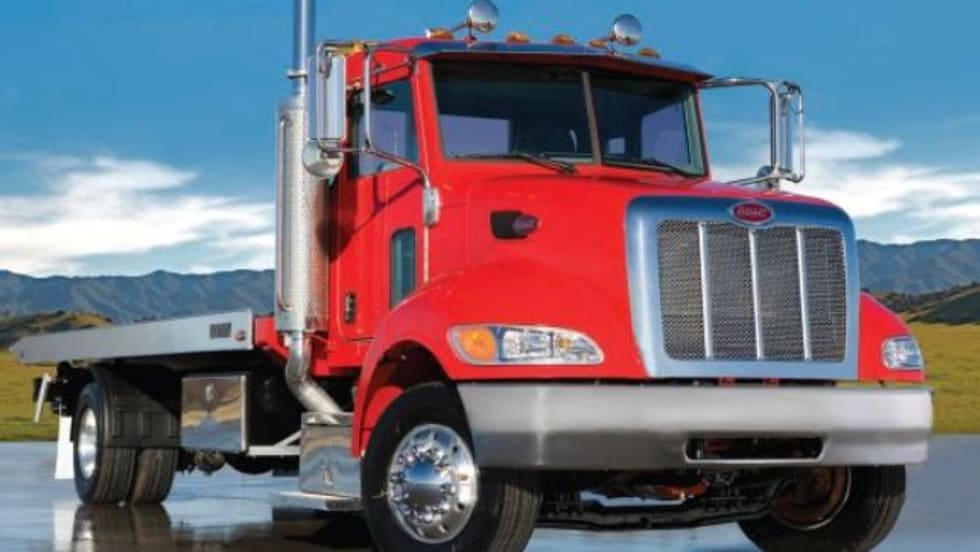
What are the considerations for your fleet today, when it comes to 2007 diesel emission standards?
Read More →
Head curtain side airbags and enhanced technology glass (ETG) are standard on passenger vans. ETG is a special three-layer glass designed to reduce the risk of ejection during a crash.
Read More →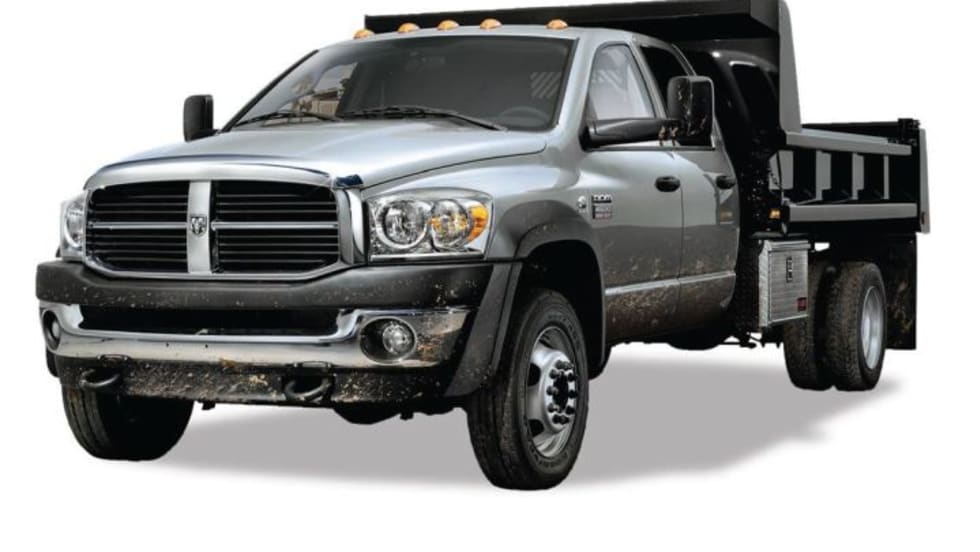
Best practices in asset management, including truck acquisition, maintenance, and other asset management services can make the difference between a productive, cost-effective fleet and a costly mistake.
Read More →
Vehicles 8,500-lbs. GVWR or more are exempt from federal fuel economy requirements, making it more challenging to project fuel economy for vehicles such as 3/4-and 1-ton pickups, vans, and medium-duty trucks.
Read More →
Hazmat fines can cost your company tens of thousands of dollars. Familiarity with key areas of the MOT can save time, money, and confusion.
Read More →
Truck fleet fuel saving strategies include right-sized vehicles, alt-fuel use, and driver education.
Read More →