


 MENU
MENU SEARCHMENUSEARCH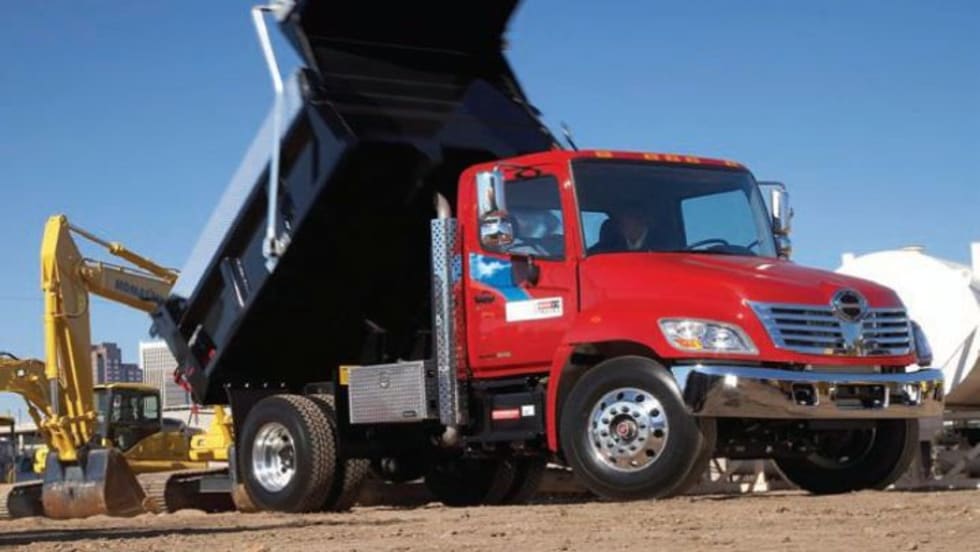
Hino’s 2008-MY lineup meets EPA emissions standards with a diesel particulate reduction system based on technology proven on more than 1.2 billion miles.
Read More →
Reimbursement doesn’t work from an HR or safety & liability perspective, is counter-productive to corporate ‘green’ initiatives, can negatively impact the company image, and FAVR reimbursement programs may not be SOX-compliant.
Read More →
While hybrids can reduce fleet fuel expense, the two other major fleet expenses — maintenance/repair and depreciation — must also be considered to determine if hybrids are the answer to reducing overall fleet costs.
Read More →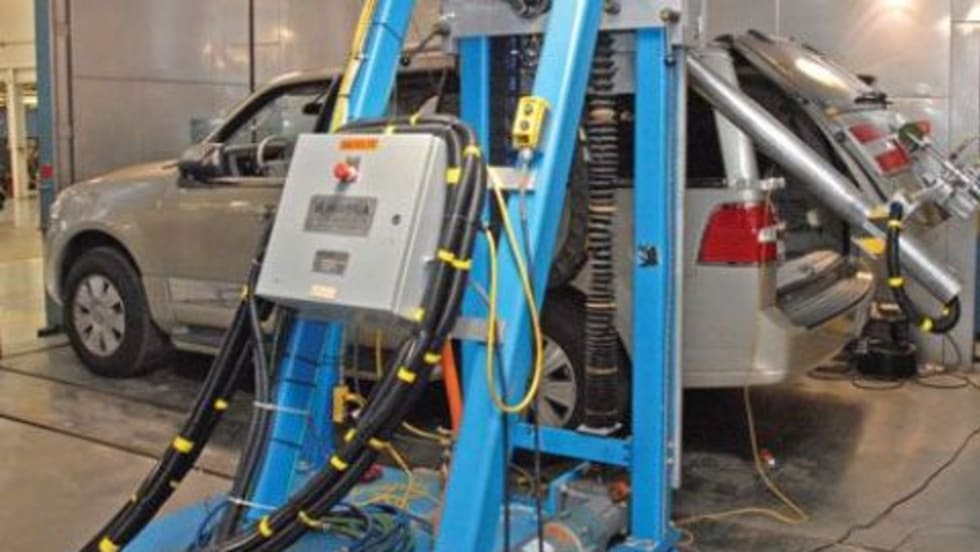
At the group’s fall meeting, Ford’s Fleet Advisory Board members toured the automaker’s test lab and Dearborn Truck Plant to receive updates on Ford’s product plans and new-vehicle technologies.
Read More →
Although in-house management of an executive fleet is extremely time-consuming, reimbursement is a less cost-effective alternative. I argue that, in general, a company-administered executive vehicle fleet is a better choice than reimbursement.
Read More →
Nearly every driver has a reason to justify speeding, talking on a cell phone while at the wheel, or following too closely. A safe driving training expert rebuffs those excuses.
Read More →
ARI’s program helps truck and diesel vehicle fleets shrink their overall emissions footprint, while improving vehicle efficiency and lowering fuel consumption.
Read More →Depreciation continues to be the largest fleet expense; however, fuel, as a percent of total fleet cost is growing (rapidly). Fuel expense is influencing vehicle acquisition strategies, with a direct bearing on future depreciation.
Read More →
Fleet managers should treat the RFP as an introduction to their fleet and implement a checklist of must-haves so the basics don't fall through the cracks.
Read More →
With the level of refinement in the all-new 2008 Chevy Malibu, fleet drivers might think they jumped a peg on the selector totem pole.
Read More →