


 MENU
MENU SEARCHMENUSEARCH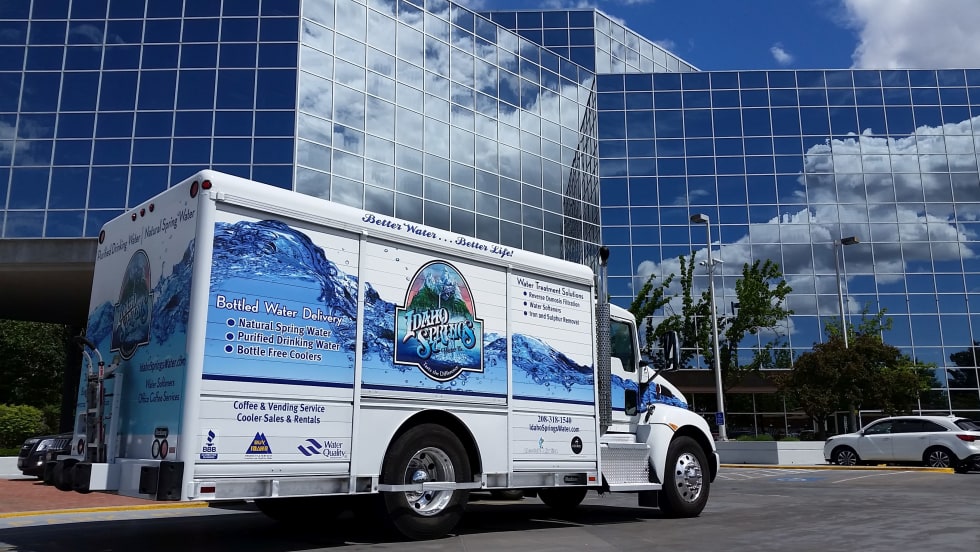
With an average of 60 to 100 deliveries per day, Idaho Springs Water needs efficient routing for its drivers as well as dependable and timely maintenance to keep delivery trucks on the road.
Read More →
This year’s International Roadcheck — a 72-hour enforcement blitz — is scheduled June 6 to 8. If last year’s event is any indication, motor carriers and their drivers can expect to see almost 63,000 inspections over the course of these three days, or about 15 commercial motor vehicle (CMV) inspections on average every minute.
Read More →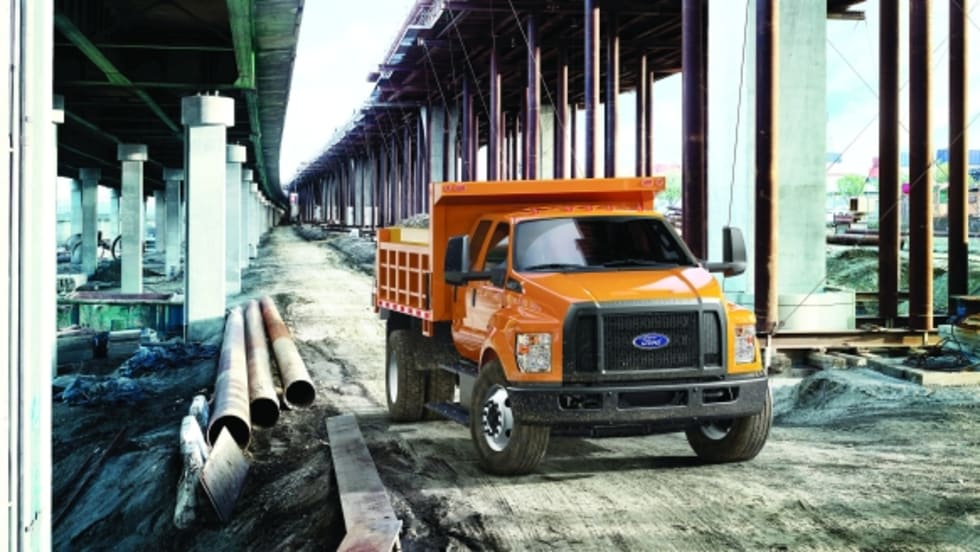
Without fully understanding the fleet application requirements and operating parameters of truck and van assets, it is impossible to spec the best powertrain, chassis, and body needed to optimize productivity and total cost of ownership.
Read More →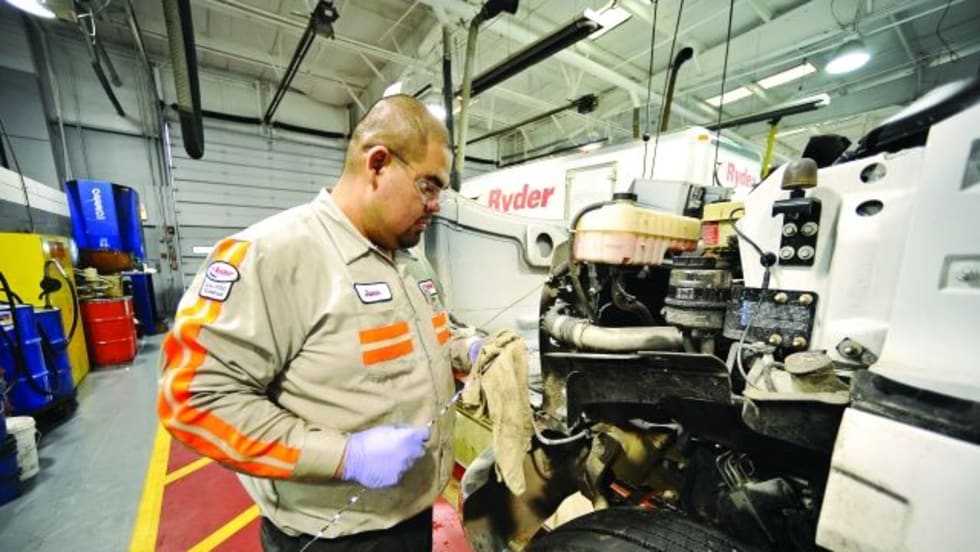
A full-service lease provides many added benefits beyond traditional lease options. Growing in popularity, there are situations where it may not be the ideal option as well as some common misperceptions.
Read More →
Fleet cost-reduction programs typically focus on the asset; however, there’s a limit to how much a fleet manager can modify truck specs without impacting the fleet mission. True cost savings are to be found in areas beyond the asset.
Read More →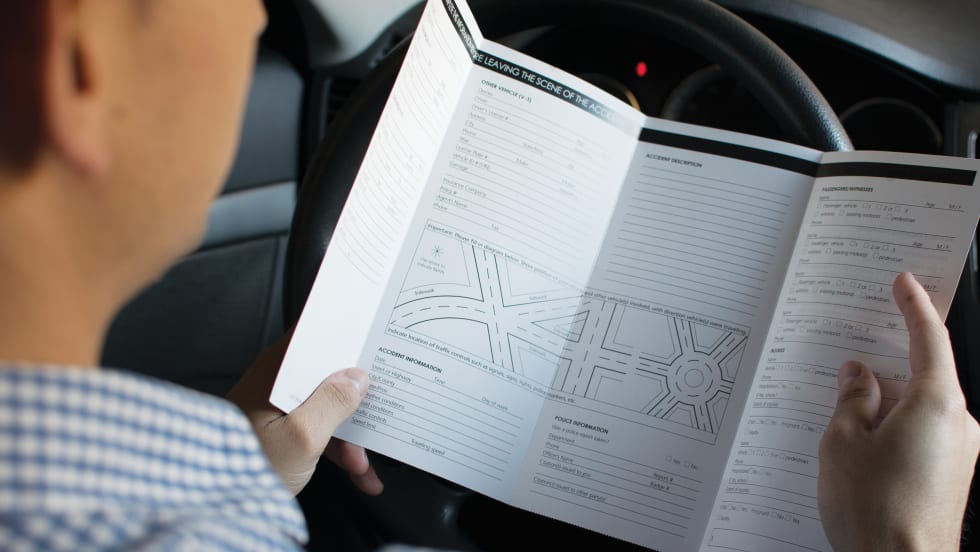
The document provides fleet drivers with a method to effectively report details related to an automobile accident, which can help prevent issues regarding liability.
Read More →
Medical certification questions perplex those responsible for qualifying commercial drivers. Share are some of the more frequently posed medical-related questions posed to J. J. Keller’s subject-matter experts.
Read More →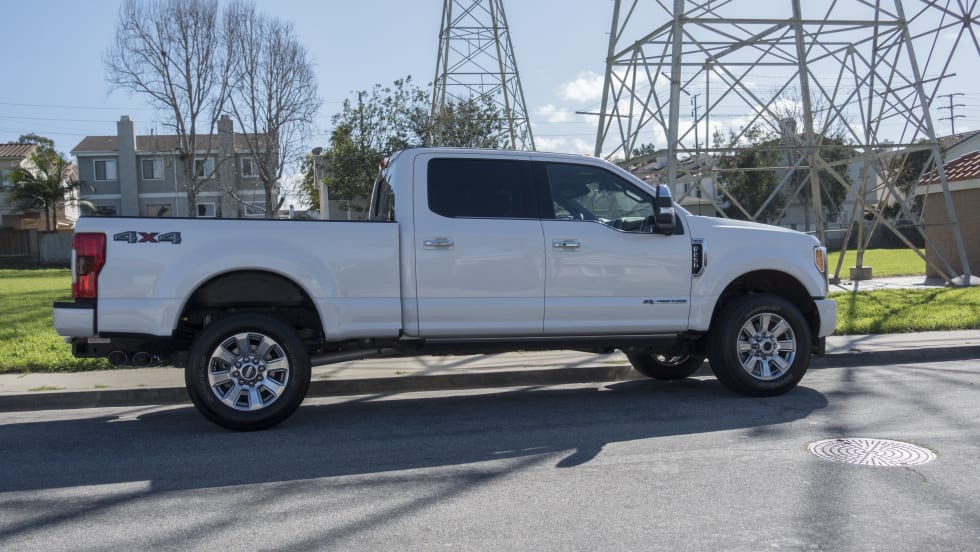
Commercial and government fleet purchasers prioritize versatility and seek to enhance productivity when considering which heavy-duty pickup to add to their fleet, truck manufacturers told AutomotiveFleet.com.
Read More →
To help you navigate the abundance of ELD solution providers, Work Truck magazine assembled a solution spotlight with details and information on several options.
Read More →OSHA regs require an employer to provide a workplace (which includes upfitted work vehicles) free from recognized hazards. The best way to make a work truck fleet more ergonomic is to proactively identify and rectify potential issues.
Read More →