




Dig Deeper: Clearing Up Common Alt-Fuel Myths
Your New Title: Environment Manager
By switching its fleet to biodiesel, Oakhurst Dairy helps save the environment, and some money, as well.
by Daryl Lubinsky
May 1, 2007
The Portland, Maine-based Oakhurst Dairy announced in November 2005 that it will have transitioned more than 90% of its fleet of delivery trucks to biodiesel fuel by the end of 2006.
Photo: Work Truck/Canva
5 min to read
If you talk to people at Oakhurst Dairy about the benefits they have seen from switching its fleet to biodiesel, you won’t hear that much about the cost benefits the company receives. But you will find out one obvious thing from talking to them: These guys really care about the environment.
The Portland, Maine-based Oakhurst Dairy announced in November 2005 that it will have transitioned more than 90% of its fleet of delivery trucks to biodiesel fuel by the end of 2006.
The switch to biodiesel would qualify the company for an 8-cent-per-gallon reduction in the excise tax for motor fuel that contains at least 2% biodiesel as part of the governor’s recent energy bill. But all you have to do is read Oakhurst’s company slogan — Natural Goodness of Maine — to see that Oakhurst wants to contribute to a clean environment in the state.
“In an industry that’s so closely related to land and agriculture, we have a vested interest in the environment in Maine,” says Oakhurst President Stan Bennett. “We like to say our cows live, eat, breathe, and drink the Maine environment.”
The company made the switch to biodiesel as part of its commitment to the Governor’s Carbon Challenge, a first-in-the-nation voluntary carbon dioxide emissions reduction program the state of Maine initiated in 2004. Oakhurst was one of the first corporations in Maine to sign on to the Carbon Challenge, agreeing to cut direct emissions by 15% and indirect emissions by 5% (below year 2000 levels).
Environment-Friendly History
Bennett says the company had operated in an environmentally friendly manner — as part of the Governor’s Carbon Challenge — before it switched its vehicles to biodiesel. For example, Oakhurst recycled its oil filters and anti-freeze, and reused waste oil to heat its garage.
Oakhurst also purchased retreaded tires, which helps the environment because while building a new tire uses nine gallons of petroleum, producing a retreaded tire uses only three gallons, says Oakhurst Fleet Manager David Green.
The company has three different types of vehicles: those used for storeto- store delivery (trucks with 24-foot refrigerator boxes), those used for transport of products to distributors and depots (tractor/trailer configurations), and sales cars. The biodiesel fleet includes vehicles from various manufacturers, such as Volvo and GMC.
Other environment-friendly initiatives included installing governors — which limit the speed a vehicle can travel — on the trucks’ engines. The company also installed idle regulators so the trucks shut off after idling more than five minutes. And the company installed devices on its truck refrigeration units that turn off the refrigerator motor when someone opens the door, so cold air isn’t wasted.
In addition, the fleet switched three sales vehicles to Ford Escape hybrids, with plans eventually to switch all 12 sales vehicles to hybrids. Bennett says the hybrids were readily available, and Green says that except for a slight difference in the brake rotors, maintenance on the hybrids is no different than on traditional gasoline vehicles.
Oakhurst also employs rerouting software to improve the fleet’s efficiency. The software package is called Direct Route and is produced by Appian Logistics (Oklahoma City, Okla.). Paul J. Connolly Jr., vice president of technology services and chief information officer for Oakhurst, says the software organizes complex data to plan the most effective routes.
“The goal is to perform the required deliveries with the least amount of trucks, in the least amount of time and traveling the least amount of miles, which burns the least amount of fuel,” Connolly said.
While doing all this to help the environment, making a switch to biodiesel remained in the back of Bennett’s mind. “But price and availability made it impractical,” he said.
Making the Switch
That changed in recent months when two large fuel distributors began making biodiesel available in high quantity to two of Oakhurst’s fuel suppliers. That, coupled with the excise tax reduction that made biodiesel only slightly more expensive than traditional fuel, gave Bennett the incentive he needed to make the switch.
By the end of 2006, the fleet had converted 90% of its fleet to B-20 biodiesel, which consists of 20% biodiesel and 80% petroleum diesel. This blend has demonstrated significant environmental benefits with no modifications to a diesel engine. Bennett hopes to increase the biodiesel ratio in the fleet’s fuel beyond 20% in the future, as long as no engine problems arise.
How can the company implement all these initiatives to help the environment while staying within budget? Bill Bennett, the company’s vice president and Stan Bennett’s brother, says Oakhurst will simply work harder to reduce spending elsewhere to help offset what he calls a “very worthwhile effort.”
“The short story is that biodiesel is more expensive than straight diesel, even with the State of Maine giving us an 8-cent excise tax break per gallon for biodiesel,” Bill Bennett says. “That being said, we believe it’s worth it to start doing the right thing now to reduce carbon emissions. We are always working to become more cost-efficient to meet or exceed our budget goals.”
Cost Benefits
But, Green says, the company does see benefits that help it offset the cost of putting these initiatives in place:
Recycling antifreeze with an additive package is cheaper than buying it new.
Heating the truck maintenance facility with used oil saves heating costs.
Rerouting the trucks has saved the company more than 40,000 gallons of fuel.
Installation of the idle regulators has also saved fuel.
Green shares Bennetts’ passion for saving the environment. Asked how the switch to biodiesel has impacted his job as fleet manager, Green answered that he was able “to work for a company that puts its money where its mouth is. I work for a company that’s doing the right thing for the environment.”
Subscribe to Our Newsletter
More Green Fleet

Fleet Forward Conference Introduces One-Day Passes for 2026
New one-day registration gives fleet professionals the flexibility to attend Tuesday, Wednesday, or Thursday, with passes available for $199 through Sept. 18.
Read More →
CALSTART Rebrands as Catalyst Mobility, Will Combine with Forth in 2027
CALSTART has rebranded as Catalyst Mobility and will combine with Forth at the start of 2027. The new organization said it is poised to become one of the world's largest, strongest, and most impactful clean transportation nonprofits.
Read More →
Electric Truck and Charging Programs to Boost Sustainability at NY & NJ Ports
Together, the Port Authority of New York and New Jersey and CALSTART will electrify drayage and terminal operations serving the East Coast’s busiest container port. A pair of incentive programs totaling $45 million has launched to accelerate adoption of zero-emission drayage trucks and terminal tractors.
Read More →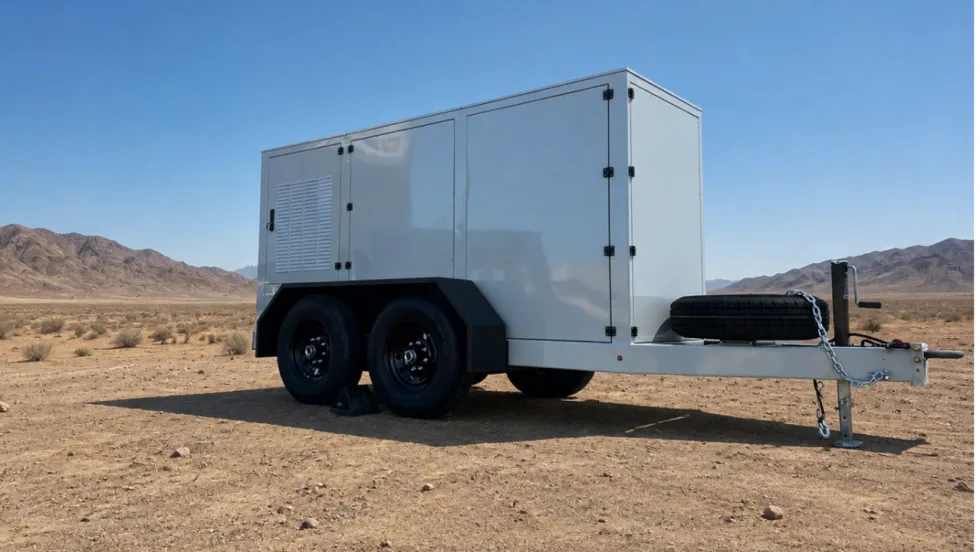
Xos Hub Surpasses One Gigawatt-Hour of Energy Delivered in the Field
A single Xos Hub has surpassed one gigawatt-hour of energy across more than 33,600 charging sessions in the field, demonstrating performance that supports Xos' expansion across new products and markets.
Read More →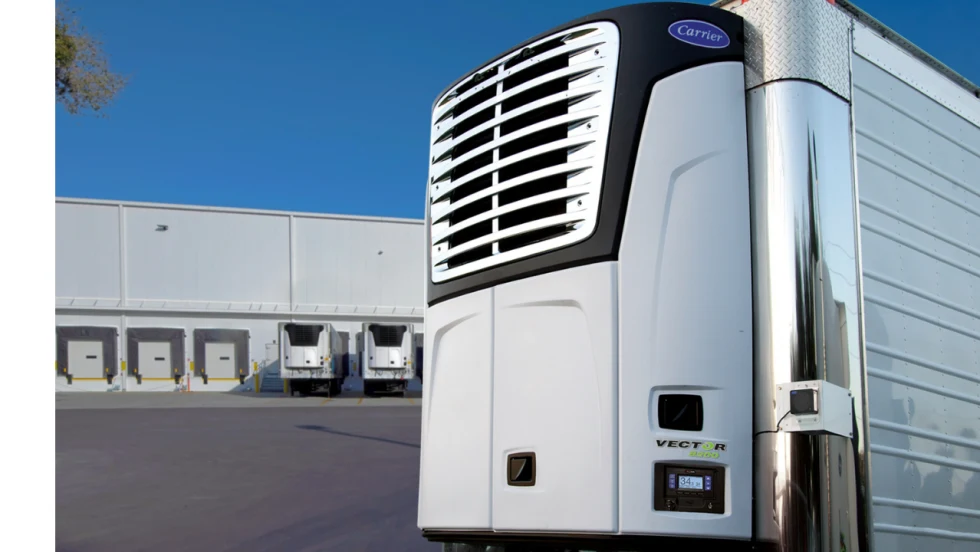
Carrier Transicold Launches All-Electric Vector 8200 TRU for Diesel-Free On-Site Cold Storage
Carrier Transicold’s first engineless multi-temperature TRU helps fresh- and frozen-food fleets add supplemental cold storage capacity during seasonal peaks.
Read More →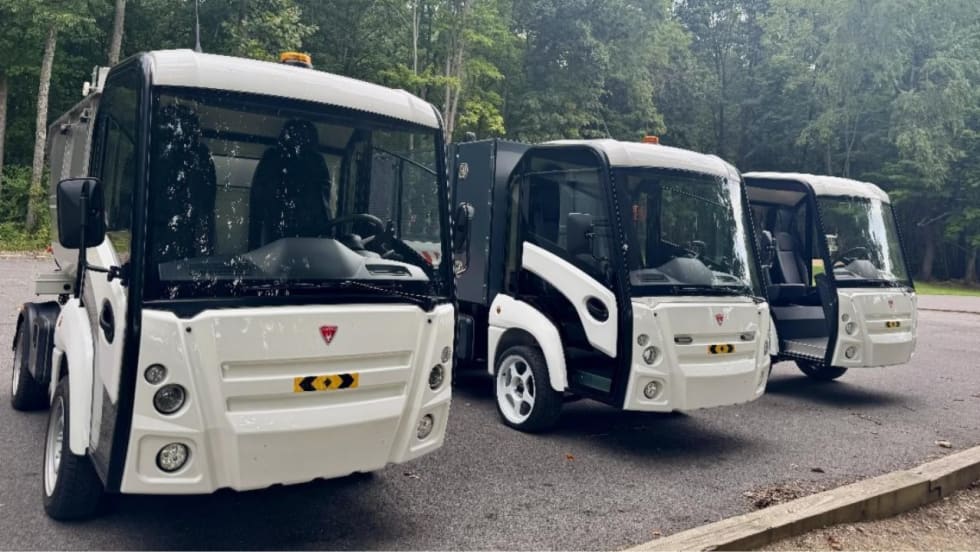
Narro Trucks Introduces Electric Utility Vehicle
Narro Trucks officially launched its operations on Aug. 20 and hosted a ride and drive to showcase its electric truck, which will be produced in Virginia.
Read More →
Samsung SDI Takes Full Control of GM Battery JV as Indiana Plant Pivots to Energy Storage
Samsung SDI is taking full control of its Indiana battery plant with GM, marking a major shift from the EV-focused joint venture Charged Fleet first covered in 2023.
Read More →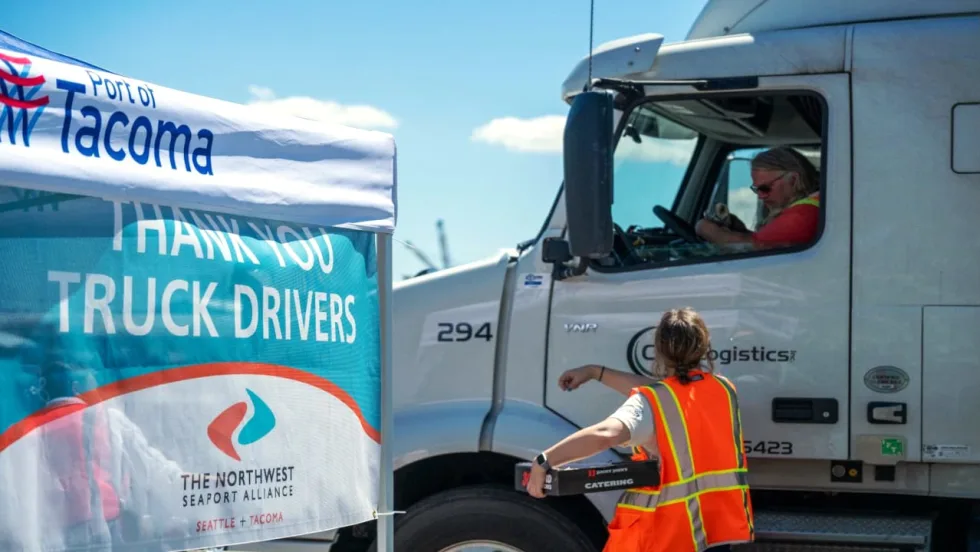
NWSA Taps CALSTART to Administer Zero-Emission Drayage Assistance Program
CALSTART will provide free technical assistance services to drayage fleets serving the Ports of Seattle and Tacoma and looking to transition to cleaner technologies and help decarbonize freight hubs.
Read More →
EV Fleet Reality Check: What Operators Wish They Knew Before Electrifying Their Work Vans
Electric work truck upfits bring new compatibility questions. Learn how parts availability, OEM guidance, power demands, and route planning can affect fleet performance.
Read More →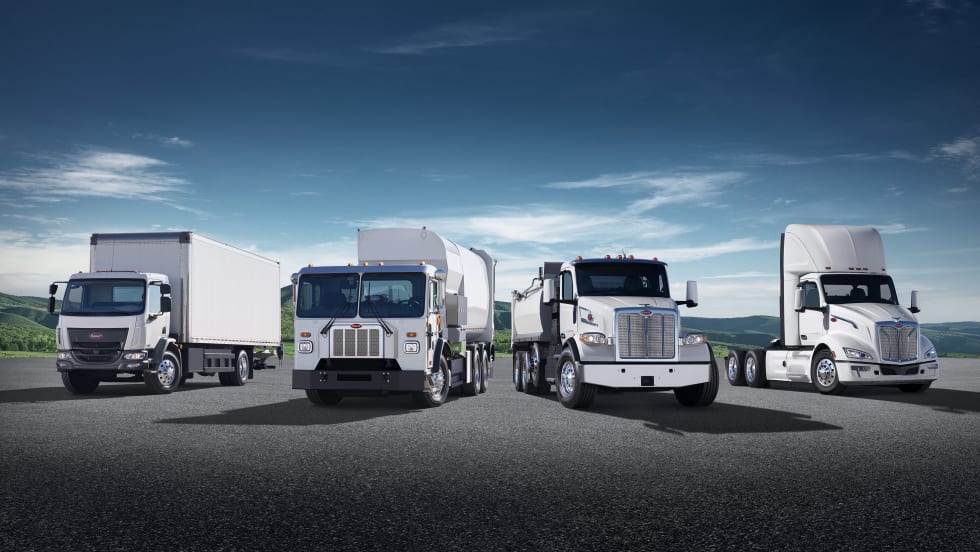
Peterbilt Expands Sourcewell Partnership with Electric Vehicle Lineup
Peterbilt Motors Company’s cooperative purchasing agreement with Sourcewell and its Canadian partner, Canoe Procurement Group, now includes including Peterbilt's battery-electric vehicle lineup.
Read More →