




Which Hybrids Have the Lowest Cost of Ownership?
After five years and 15,000 miles of driving per year, are there any hybrids that actually have a lower cost of ownership than their gas-engine counterparts? One unexpected vehicle takes the prize.

©iStockphoto.com/Firstsignal

©iStockphoto.com/Firstsignal
Fleets are as environmentally conscious as they’ve ever been, because they have more of an opportunity to curb larger amounts of greenhouse gases and smog-forming pollutants than the single consumer. In turn, a fleet’s costs to “go green” are even greater than those of the Prius-buying family — and in business, any environmental initiative must be sustainable to the bottom line.
With this in mind, the lifecycle cost experts at Vincentric put together a cost-of-ownership analysis of hybrid models. Last November, Vincentric analyzed 27 models from 2011 and 2012 model years using data from its October 2011 database update.
The Vincentric data measures eight cost elements for more than 2,000 vehicle configurations, including depreciation, financing, fees and taxes, fuel, insurance, maintenance, opportunity cost and repairs. Each month Vincentric re-compiles its database to take into account current market conditions.
For the hybrid analysis, Vincentric assumed 15,000 annual miles driven over five years. The hybrid report uses U.S. averages, although states can be selected for a more specific analysis. Fuel prices are based on a weighted average over the previous five months.
The Changing Equation
The hybrid/internal combustion engine (ICE) cost differential is an ever-changing equation. Wild swings in fuel prices are a major factor, as are available tax credits and rebates, which expired for all hybrid models on Jan. 1, 2011. New government incentives concentrate on plug-in hybrids and electric cars.
In looking at Business Fleet Magazine’s hybrid analyses using Vincentric data over the years, starting in the 2006 model year, hybrids have not closed the pricing gap with their traditional ICE-powered counterparts. In this latest analysis of 27 hybrid models, Vincentric’s data shows the average price premium for a hybrid is $8,494. Mitigated by an average fuel cost savings of $3,505 and taking into account other costs, the average cost of ownership for hybrids is $4,643 more than the straight gas models.
Nonetheless, four hybrids have total costs of ownership that are lower than their ICE cousins (see the “Hybrid Total Cost Differentials” chart).[PAGEBREAK]
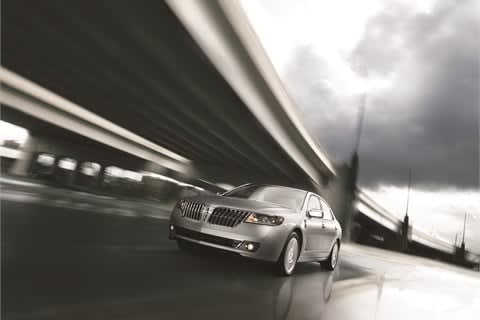
2012 Lincoln MKZ Hybrid
One of those — the Mercury Milan hybrid — is no longer on the market. It should be noted as well that Vincentric compares the Honda Insight to the Honda Civic Hybrid and the Toyota Prius to the Toyota Corolla, which aren’t exactly “apples-to-apples.”
The lists show that lifecycle costs for luxury hybrids can swing wildly when compared to their gas-only counterparts. Some models, such as the Lincoln MKZ hybrid and Lexus hybrids, fare well, while others, such as the VW Touareg Hybrid and BMW X6 ActiveHybrid, have prohibitive cost differentials.
A Hybrid Surprise
Among the obvious and popular names on the list, one less recognized hybrid stands out — the Lincoln MKZ Hybrid. Lincoln might not be the first automaker that comes to mind for hybrids, yet its MKZ fuel sipper returns the best cost of ownership differential over its gas-only brother. It’s not hard to understand why, as the MKZ hybrid is offered at the same price as the standard MKZ. This hybrid also offers the most fuel economy savings of any hybrid-ICE vehicle in the report.
The Lincoln MKZ hybrid also fared well in the Union of Concerned Scientists’ latest “Hybrid Scorecard,” winning many categories. The scorecard analyzes the hybrids that deliver the most environmental savings combined with the best cost and feature benefits to consumers.
The MKZ Hybrid bests all others in the Environmental Improvement Score, is only one of three vehicles given the Superior Value rating and is not listed as having any “forced features.”
All in all, analyzing hybrids’ lifecycle numbers is a worthy task to see which vehicles return the best bang for their buck. The endeavor should make you take a look at some hybrids you never would have considered.
For industry reports and costs of ownership data for more than 2,000 vehicles configurations, visit www.vincentric.com.
More Small Fleet


Developing Budget-Friendly Driver Safety Programs
From driver training and safety meetings to one-on-one coaching and incentive programs, several small fleets share how they have developed a safety culture with their drivers using low- to no-cost resources.
Read More →
Boosting Last-Mile Fleet Uptime, Safety, and Value with AI Vehicle Inspections
AI-powered inspections are transforming last-mile fleets by replacing manual checks with highly accurate automated scans that detect defects in seconds. By giving fleet operations visibility into the daily condition of their vehicles, you can identify trends over the vehicle’s lifecycle that enable improved procurement decisions, route management, driver training and accountability.
Read More →
Five Ways Seat Belts Help Prevent Injuries
There are five ways seat belts protect occupants from injuries, according to the Tennessee Department of Safety and Homeland Security.
Read More →
It’s here: The 2026 Fleet Technology Trends Report
What does AI mean for fleets? Get the answer — and learn other top tech trends.
Read More →
Small Fleets, Big Impact: How Independent Drivers Power Wreaths Across America
Check out how small fleets and independent drivers power Wreaths Across America each December and why their impact matters more than ever.
Read More →
VMS Survey Finds 65% of Small Fleet Managers Run Operations Alone
A new VMS survey shows small fleet managers are stretched thin, with most handling operations solo and eager to adopt digital tools for relief.
Read More →
Tips for Driving Safely on Halloween Night
This video features a reminder from the Connecticut Department of Transportation (DOT) and the Connecticut Police Chiefs Association, urging drivers to prioritize safety this Halloween.
Read More →
AI, Access, and Uptime: VMS’s Next Chapter with David Prusinski
VMS’s new Co-CEO, David Prusinski, shares how an AI-first approach will give small fleets and repair shops the tools to compete like big players.
Read More →
Fleet Managers Share Winter Prep Tips: It's Never Too Early!
Three fleets share best practices to prep vehicles for winter and prevent downtime when the cold sets in.
Read More →