




What You Need to Know About Upfitting
Choosing the right upfit can be a complicated decision for fleet managers. According to experts, the key is understanding how your trucks are used and staying realistic.


DECKED's low-profile truck bed tool box system is compatible with Ford F-150, Ford F-250, Ram 1500, Ram 2500, Chevrolet Silverado, GMC Sierra, Toyota Tundra, and Nissan Titan pickup trucks along with the Ford Transit, Ram ProMaster, Chevrolet Express, GMC Savana, Mercedes-Benz Sprinter, and Nissan NV van models.
Photo: DECKED
Upfitting a work truck can be a balancing act. You need to select the right equipment to go with the vehicle, and the right upfitting partner to ensure the work is done correctly. And, this is after you’ve gone through all the options and selected the right truck.
We talked to subject-matter experts about what fleet managers should know about the upfitting process, how early they should start planning, and why it’s important to stay realistic about fleet vehicles.
Start Early
In the cycle of purchasing vehicles and preparing them for service, it may make sense to focus on the vehicle first and upfitting second. But planning for both at the same time can make the process easier in the long run.
Craig Bonham, vice president, commercial vehicle for Safe Fleet, noted that fleet managers must balance needs and budget, but communication with the vendor can help ease the process.
“It is important for the vehicle, when finished, to have the ability to contain, stop, and move the load effectively, efficiently, and safely. Therefore, consultation with chassis manufacturer, body manufacturer, and the installation services site is key in the overall decision of the vehicle,” Bonham said. “A lot of times, unfortunately, fleet managers are put in a difficult position because they are tasked with meeting a budget. Only to find out the vehicle was built to the budget and does not meet the performance expectations for the vehicle.”
When spec’ing a vehicle, planning for the added weight of upfits is an important consideration.
“The biggest mistake or misconception fleet managers generally make is not considering the total payload capacity, not just the GVWR as it relates to a fully upfit and driver-loaded vehicle,” noted Julie Allen, business development manager – fleet for Ranger Design. “While the GVWR helps determine capacity, the actual vehicle weight needs to be subtracted to determine the true payload capacity. If the same work can be done in a smaller body utilizing a custom upfit solution, then it will improve overall fuel efficiency while reducing wear and tear on the vehicle.”
According to Chris Rolsen, national fleet business development manager for Knapheide, as specs are planned, it would also be an excellent time to connect with your upfitting partner.
“Growing up in a military household, I learned that if you are 15 minutes early, you are on time, and if you are on time, then you are late. I turn that same mindset toward fleet customers and try to discuss when they need the units and take that into account with planning the upfitting cycle, so it falls in line with that need. If the customer can order the chassis and initiate the upfit order simultaneously, that makes for a better and more realistic planning goal for them,” Rolsen explained.

Specializing in tailored upfits, Utilimaster Upfit Services works with businesses to custom design and upfit vehicles to deliver solutions for specific business needs.
Photo: Spartan Motors
Consider the Job
Of course, specific jobs require certain tools. It’s important to think about what’s going into your truck and how it will be stored.
“For example, knowing what types of products are going inside the truck bed helps us determine how tall the cap must be. Next, if we know up front that we are going to need access from the sides, we can ask the necessary questions to determine what type of access. Will we need storage? If storage is a must, then we can look at shelving mechanisms and decide if simple storage is enough or if we need to upgrade to be more modular,” explained Fred Bournay, senior category manager for Truck Accessories Group.
Another item to consider is a rack system.
“If the truck is carrying anything on top, we will need to look at a simple or fixed access system. If the truck will not be carrying anything on top and the answers to those other questions are negotiable, then a durable, retractable tonneau cover might better fit the truck owner’s needs,” Bournay added.

The DCC-MT3 is LEER’s first all-aluminum truck cover with modular tool box capability. It offers optional modular toolboxes with adjustable shelf, divider, and attachment features.
Photo: Truck Accessories Group
Consider the Drivers - All of Them
It isn’t just about tools and cargo, either. Fleet managers should consider the people who are using the tools and accessing the cargo.
“Adding doors to partitions so the driver doesn’t have to get out of the vehicle to access their equipment or utilizing rear-facing shelves for easy access from outside the vehicle could make a world of difference to the technician. Good upfits equal happy drivers,” said Ashley Partain, marketing manager for Masterack.
It’s important to emphasize the needs of all drivers, instead of assuming that all drivers are one group with one singular set of needs. In reality, these needs may vary depending on the person, their routes, and their location.
“Just because a fleet is doing similar jobs, doesn’t mean they all have the same needs. Consider people who work in cities as well as those in more suburban or rural areas. There may be some big differences in how they work if they have to park on busy streets or long distances away from the job site,” said Partain from Masterack.
Sometimes these changes can be subtle, which is why seeing how the trucks are used firsthand can be beneficial.
“Today’s upfits are highly specialized to meet unique vocational needs, and a lot of efficiencies can be realized from designs that are engineered from the vantage of the day-to-day driver experience,” said Chad Heminover, president, fleet vehicles and services for Spartan Motors. “Little changes, such as moving a shelf from left to right or adding extra lights can add substantial changes when taken as a whole.”
It may seem like a hassle, but planning for those little details can pay off in the long run. A small inconvenience for the driver can turn into a big one when faced multiple times a day or week.
“No two fleets are the same, and no two drivers utilize their vehicles in the same way or for the same purpose,” said Allen from Ranger Design. “Trying to make something work will likely end up not working for the driver, which means more time spent every time the driver has to go into the back of the van looking for tools or supplies. All this extra time spent trying to work around a non-functioning upfit is driver downtime and lost revenue.”

Ranger Design’s Max Rack 2.0 is an evolved drop-down ladder rack for high-roof cargo vans that offers tradesmen easy access to their ladders. Loading and unloading is a smooth, single stage process that brings the ladder down within reach of the technician. Max Rack 2.0 is designed so there’s no need to stand below the rack to operate.
Photo: Ranger Design
Be Realistic
Planning for the job and the driver is one thing, but fleet managers must also remember that jobs aren’t always done in the exact same way — and should be realistic when considering how trucks will be used.
“The better fleet managers see the big picture — that the fleet represents the company and the drivers as a whole,” said Jeff Haag, global director of fleet sales for DECKED. “Many times, decisions are made with only the initial vehicle cost in mind. They forget that if the driver gets hurt on the drive, or they break a part or a tool, that the cost will negatively affect the company’s bottom line — not to mention the effect on the drive/family if they get hurt. An upfit that protects drivers is of the utmost importance.”
Part of planning for these occurrences is choosing upfits that consider these events.
“Ensuring the product — shelving, flooring, ladder and cargo racks, and partition — have been crash- and pull-tested by the manufacturer will reduce the overall potential risk associated with driver usage and impact shifts. In the event of a vehicle collision, fleet managers should have confidence the product in the van is not going to come loose from the walls and floor of the vehicle. Building a product which can hold up to heavy loads and usage will also decrease the risk of product failure,” said Allen from Ranger Design.

Knapheide works with partners such as The Davey Tree Experts to come up with solutions and product designs to fit their needs.
Photo: Knapheide
Think About the Big Picture
Fleet managers must remember to consider all costs when choosing the right upfit. It might make sense to design that truck that your driver needs now, but fleet managers should also consider the future, whether that driver’s job will change, or if the truck will be sold down the road.
“Always consider costs beyond acquisition cost such as total cost of ownership, replacement cycle, failure rates, and effect on insurance, fuel consumption, corrosion, and lastly but most importantly, safety,” said Bonham of Safe Fleet.
In addition, not planning for human error or environmental factors such as natural disasters can hurt the bottom line.
“A one-size-fits-all approach may provide initial cost savings, but it may be much more expensive over the life of the fleet. Routine maintenance aside, we see driver inefficiencies that can result from poorly selected upfit designs that add up over the course of weeks, months, years,” explained Heminover from Spartan Motors.
Fleet managers interested in maximizing resale value should consider an upfit that would help maintain or enhance the vehicle’s value.
“Ranger Design makes products that work with the vehicle manufacturer holes and frame support system. This minimizes the amount of aftermarket drilling into the body, reduces the amount of aftermarket fasteners, and drastically cuts down on installation hours. A product that can be fit and installed with minimal additional fabrication to the body of the vehicle ultimately decreases the total cost of ownership. These vehicles typically get a higher return when going through fleet resale channels as well as allowing the fleet managers to re-purpose the shelving into new vehicles coming into their fleet,” said Allen from Ranger Design.

Safe Fleet’s American Van brand offers interior storage solutions for work vans, which can include shelving, drawers, and removable bins.
Photo: Safe Fleet
Do Your Research
Ultimately, every fleet has different needs. A good upfit can change from year to year, which is why it’s important to stay informed and start fresh with every new order.
“When moving trucks through the system, there might be a tendency to go with the ways things have always been upfitted; however, asking a vendor to consider how we can help improve productivity could lead to avoiding a cookie-cutter approach and thinking bigger picture about how a truck can be used most efficiently,” said Bournay of Truck Accessories Group.
A knowledgeable and experienced upfitting partner will help ensure a reliable upfit, but fleet managers should stay involved in the process and do some outside research to supplement the upfitter’s advice.
“Communicate and don’t be afraid to talk directly to the company representing the upfit. Don’t just take the word of whoever is suggesting certain upfit. Do your homework and think safety,” noted Haag from DECKED.
This is why it’s important to choose an upfitter you feel comfortable communicating with.
“The main thing fleet managers should keep in mind is finding the right balance with the right upfit partner. Look for someone who has your best interests in mind and puts a heavy focus on the partnership aspect when it comes to upfitting,” said Rolsen from Knapheide.
If fleet managers are unsure about whether they’re choosing the right upfitter, it doesn’t hurt to ask.
“A good upfit company will have the tools to make minor shop adjustments to the product which will reduce the order to delivery (wheels on ground) time,” said Allen of Ranger Design. “Look for upfit companies who value their manufacturer relationship, ask questions, and are able to help educate you as the buyer of their services. Most importantly, ask your upfitter what their average lead times are and if they are willing to provide you with contact information of their existing clients. These client references will provide the best insight on the upfitter’s response time, capabilities, warranty requests, and understanding of the product.”
More Upfitting
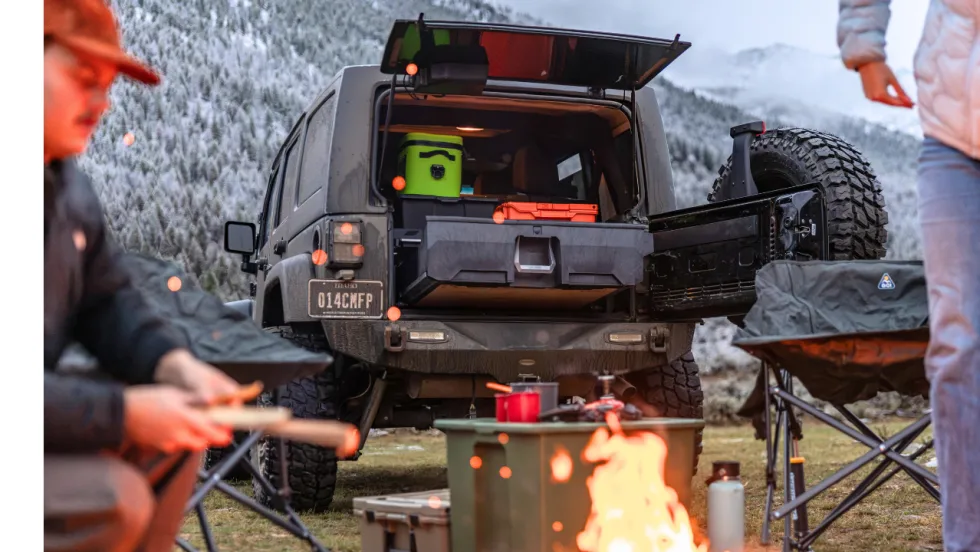
DECKED Expands Signature Drawer System to Most Popular SUVs
DECKED's signature Drawer System, a fixture in truck beds since 2014, now fits a full lineup of SUVs, including the Jeep Wrangler, Toyota 4Runner, Ford Bronco, Toyota Land Cruiser, and more.
Read More →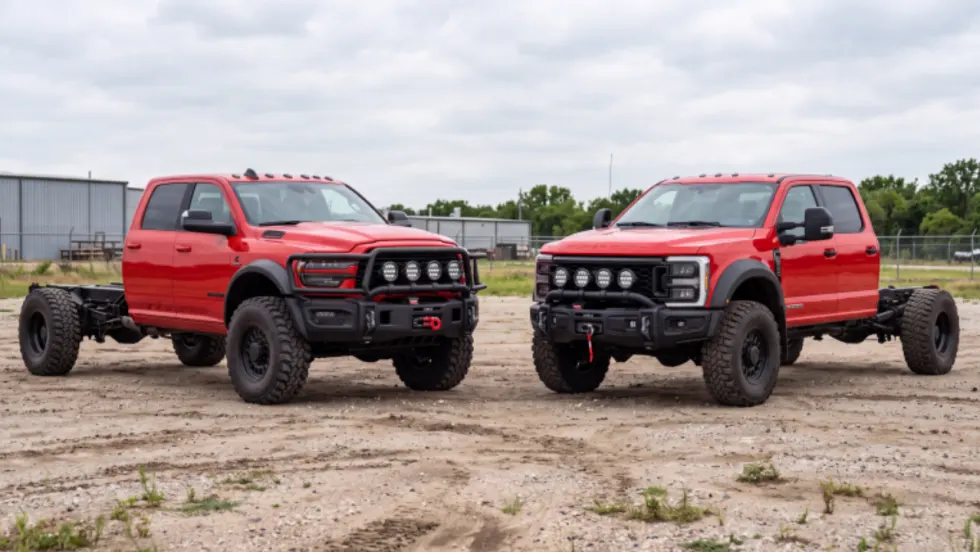
Acela Adds Ford and Ram Platforms With DuraLink Suspension
Acela adds Class 3-5 Ford and Ram chassis with DuraLink suspension, giving upfitters new options for demanding on- and off-road fleet applications.
Read More →
Re-rating Gross Vehicle Weight Ratings (GVWR): Why and How it's Done
Sometimes, it is not in a fleet’s best interests to have a vehicle at a given GVWR. Changing the GVWR to a special value can be done, but the process is complicated.
Read More →

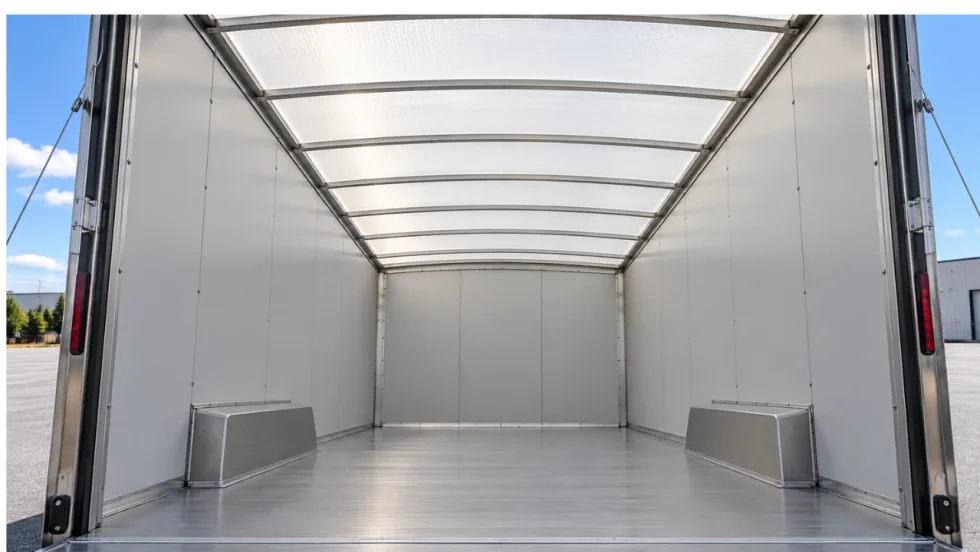
Tekmodo Introduces CargoBright Brand of Translucent Roofs
CargoBright is designed to diffuse daylight across the cargo area while performing as a working vehicle roof. Its reinforced composite construction is designed for impact, abrasion, moisture exposure, and UV exposure.
Read More →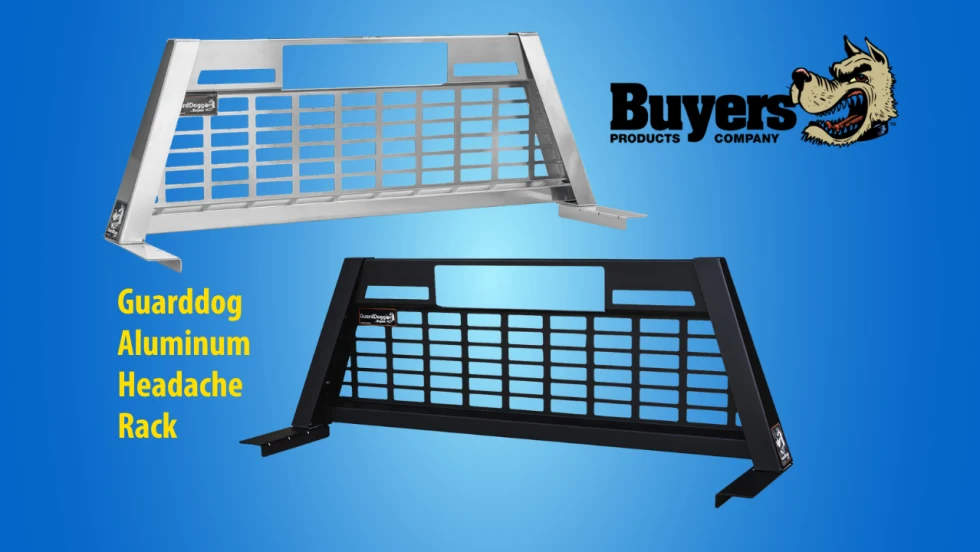
Buyers Products Expands Popular GuardDogg Headache Rack Line
Buyers Products’ aluminum GuardDogg headache rack is now available to contractors, construction crews, and utility fleets that want to reduce vehicle weight without sacrificing functionality.
Read More →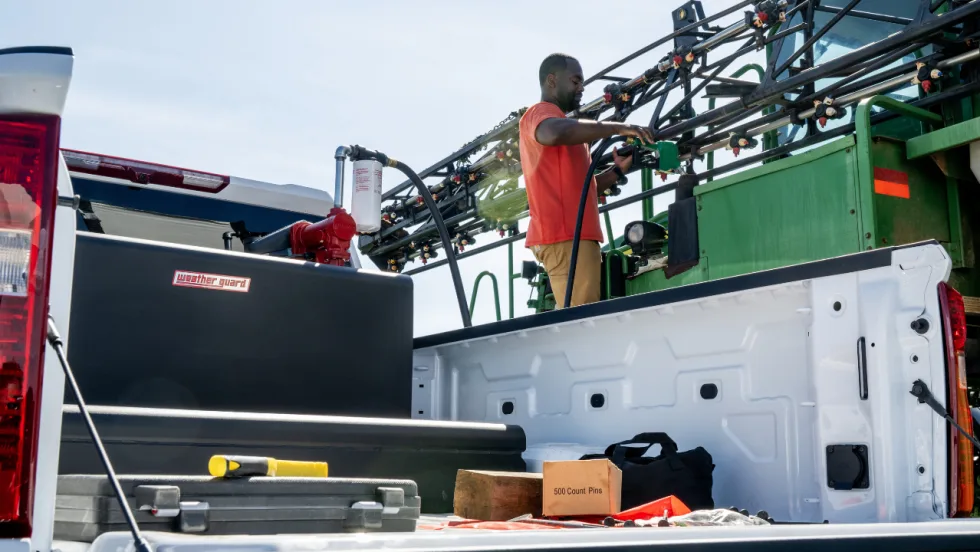
New Weather Guard Transfer Tank Engineered to Reduce Downtime and Improve Fleet Productivity
Weather Guard completely redesigned its line of transfer tanks to improve durability, simplify installation, and keep equipment running in demanding field conditions.
Read More →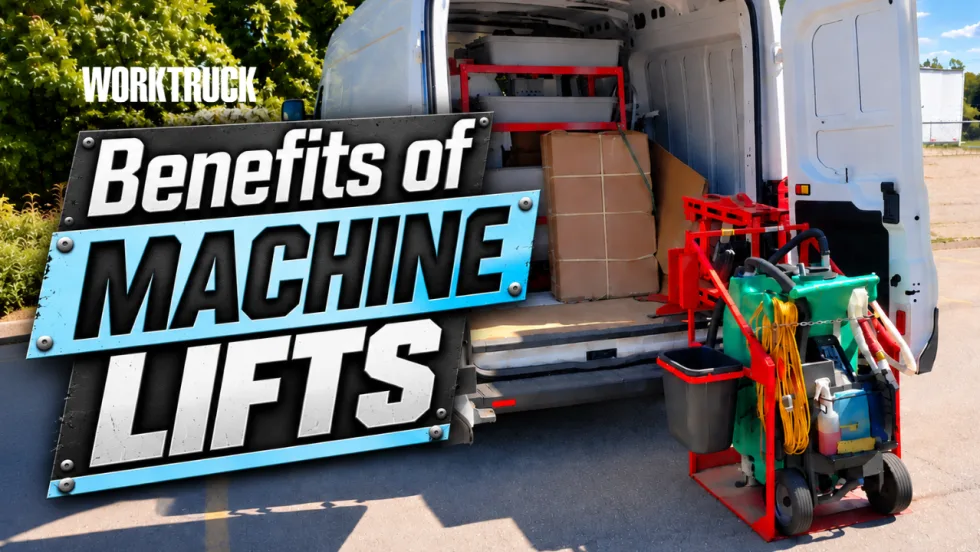
How Machine Lifts Drive Safety & Efficiency for Fleets
What is a machine lift, what fleets need them, and how do they improve safety and drive efficiency? What advantages do they have over ramps and liftgates?
Read More →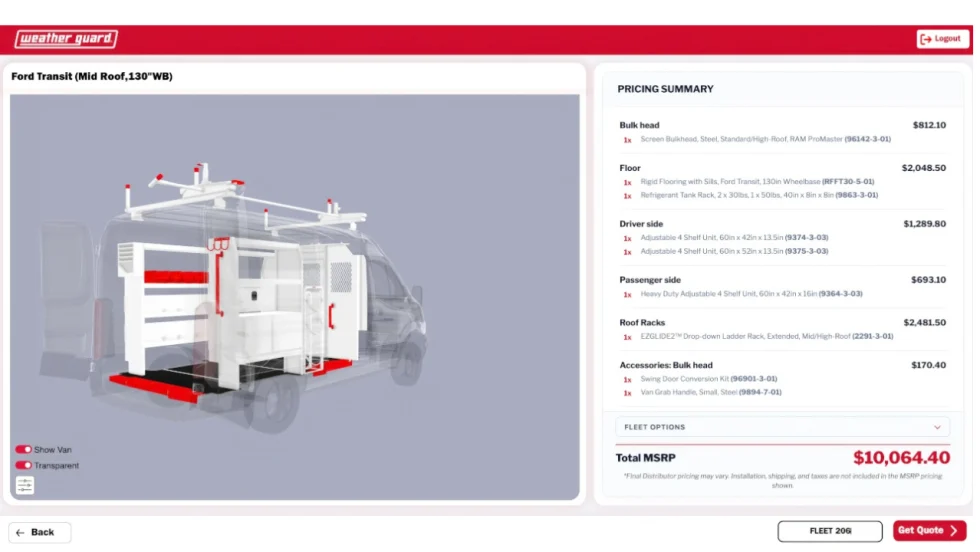
New Weather Guard Configurator Simplifies Planning and Design of Van Upfits
The Weather Guard Configurator combines vehicle-specific product compatibility with real-time 3D visualization to streamline design, quoting, and ordering for fleet managers, upfitters, and professional users. The latest version is now available for vans, with truck upfitting being added in early 2027.
Read More →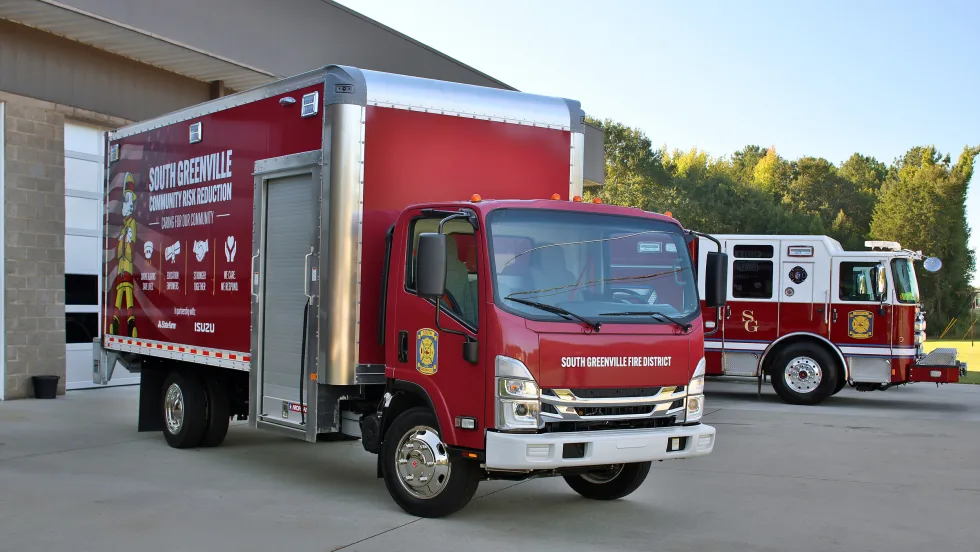
Isuzu Donates New N-Series NRR Truck to South Greenville Fire District to Support Community Outreach
Isuzu North America Corporation donated a new Isuzu N-Series NRR, equipped with a Morgan truck body and a Palfinger liftgate, to support fire safety education, community engagement, and outreach programs throughout Southern Greenville County, South Carolina.
Read More →
M.H. Eby Announces Bostick Truck Center as Michigan Distributor
Bostick Truck Center in Pontiac, Michigan, is now the official distributor for Eby Truck Bodies in Michigan. It will have access to Eby’s Ford, GM, and Ram chassis pool programs.
Read More →