




What Medium-Duty Truck Fleets Need to Know About PC-12
Does your vocational work truck fleet operate medium-duty trucks? Then you likely need to learn more about a new engine oil performance category: PC-12.
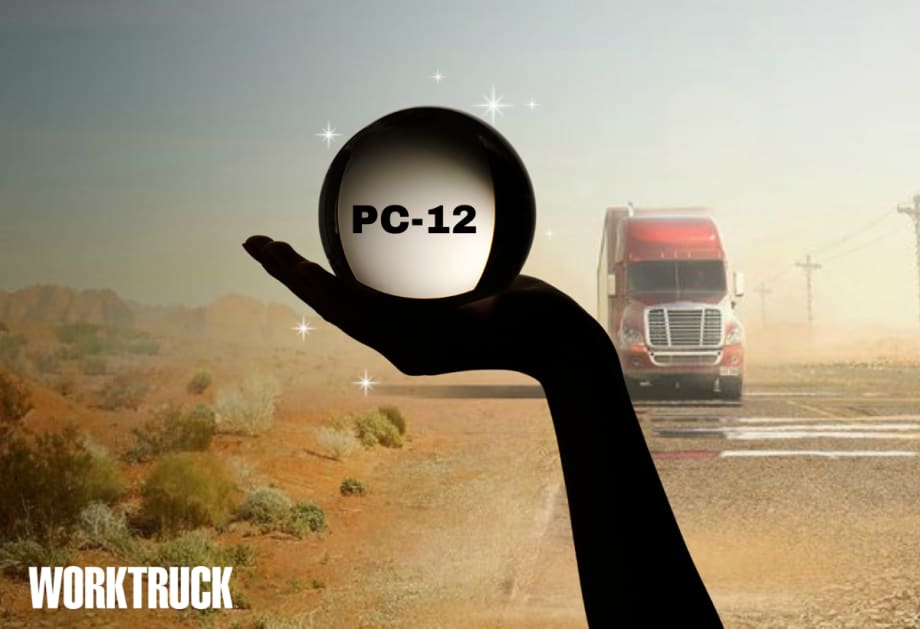
PC-12 will represent the next step toward lower viscosity engine oils and improved fuel economy for medium-duty fleets.
Photo: Work Truck/Petro-Canada Lubricants
The most significant change to engine oil specifications for all diesel trucks since 2016 has been announced – PC-12. The new category details are currently being developed to align with the latest proposed greenhouse gas and fuel mileage regulations. They will support original equipment manufacturers (OEMs) to meet the new regulations.
Expected to provide greater fuel economy benefits while reducing carbon emissions, the new category will incorporate the latest lubricant technology and new performance tests.
Check out this summary from Petro-Canada Lubricants of PC-12, based on currently available information.
The Engine Oil Essentials: What, Why, & When?
The category is being developed based on the upcoming NOx and greenhouse gas emissions regulations issued by the U.S. Environmental Protection Agency (EPA) and the California Air Resources Board (CARB).
In response to these changes and to support OEMs in meeting them, the new engine oil performance category (PC-12) was requested by the Truck and Engine Manufacturers Association. The details of the specification are currently being developed; however, the new lubricants will help meet the needs of the latest engine and emissions system technology.
The category is currently in its development phase (which began in December 2021), and the first licensing of oils under the standard is targeted for Jan. 1, 2027.
What Can Fleets Expect from the New Oil Category?
PC-12 is expected to continue the transition to lower-viscosity oils, improve performance and maintain durability. Combined, these factors will lead to improved fuel economy and reduced carbon emissions for fleets, supporting sustainability focuses at both a business and national level.
Being developed to meet the needs of the latest engine technologies and new regulation guidelines, the category is expected to focus on wear protection and oxidation control to protect engines working harder under increased operating temperatures.
Like its predecessors, PC-12 is anticipated to have two subcategories – one that is backward compatible and one that offers additional benefits based on lower high-temperature high shear (HTHS) oil viscosity.
This will allow OEMs that have developed specific hardware architecture to take advantage of lower HTHS oil viscometrics. These oils can be incompatible with some hardware architecture operating on traditional HTHS levels; therefore, two separate sub-categories will likely be created.
The lower HTHS subcategory will offer even lower viscosity grades (possibly even SAE 0W-20s) that still provide excellent wear protection and durability while reducing viscous drag to improve fuel economy.
It’s also important to note that both categories will face rigorous testing so that fleets can be reassured of the protection they offer. This may see new tests developed based on the new engine architecture; for example, a new engine scuffing test and wear test have been proposed, although this is yet to be confirmed.
How Can Mixed Truck Fleets Prepare for the New Engine Oils?
To begin preparation for PC-12 engine oils, fleets must look ahead and consider the make-up of their fleet and what new equipment may be required over the next 5-10 years. New trucks can take time to manufacture, so buying intentions in 2023 may be delivered in 2025.
By planning ahead, fleets can set themselves up to explore lower-viscosity lubricants and be ready to benefit from the enhanced performance properties that PC-12 will offer.
It’s important to liaise with your lubricant technical service advisor, who can provide insight into how lubricant manufacturers prepare and advise you on what’s best for your fleet. For example, Petro-Canada Lubricants continues to demonstrate its commitment to low-viscosity grades – the trend that PC-12 is expected to follow - and has already produced and trialed an SAE 0W-20 prototype. Although it remains unclear whether these lubricants will be included within the category, this demonstrates Petro-Canada Lubricants' focus on innovation and meeting the lubricant needs of fleets.
While the lubricants industry is working to support OEMs and regulators in improving fuel economy and reducing carbon emissions through the development of PC-12, there are still many changes that fleets can make today to secure efficiencies.
For example, exploring the benefits of leveraging low-viscosity lubricants, such as 10W-30 engine oils which can improve engine efficiency, and low-viscosity transmission and driveline fluids that can also support fuel economy efforts. Broader technologies should also be considered as part of this holistic process, including using telematics and aerodynamic devices such as trailer skirts.
New Oil Innovation on the Horizon
PC-12 will represent the next step toward lower viscosity engine oils and improved fuel economy for medium-duty fleets. By combining the latest engine architecture with innovative lubricant technology, fleets will look to benefit from increased protection and reduced fuel costs and carbon emissions.
Engine oils and lubricants have been on a journey since the advent of the automobile and that journey is only expected to continue into the future. Expectations of SAE 10W-30 lubricants are forecast to decline to near 30% by 2029. As vehicles and vehicle needs change, work truck fleets have to stay up-to-date.
About the Author: Darryl Purificati, sr. technical advisor, OEM/Automotive for Petro-Canada Lubricants, an HF Sinclair brand and chair of the American Petroleum Institute (API) lubricants committee. This article was authored and edited according to WT editorial standards and style. Opinions expressed may not reflect that of WT.
More Maintenance
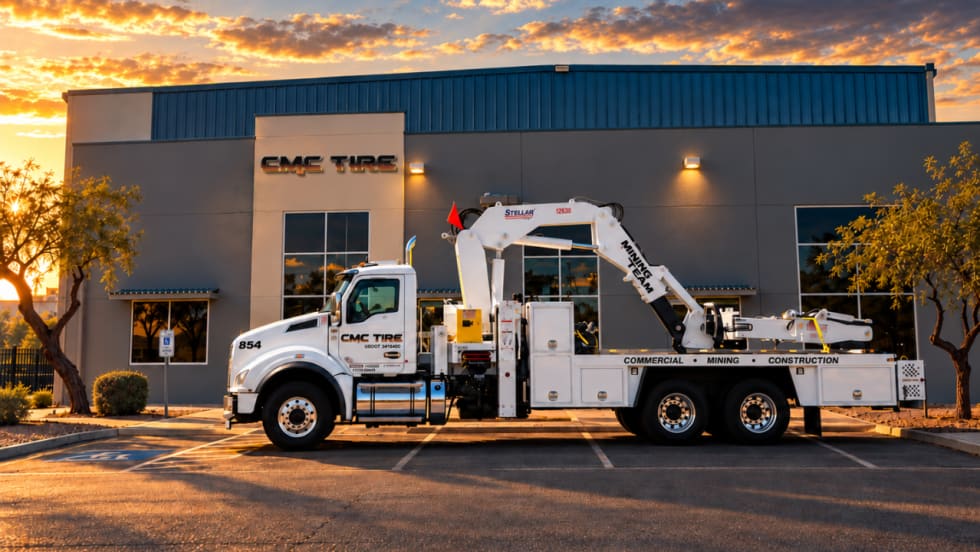
Les Schwab Expands Commercial Tire Footprint Into Arizona
Les Schwab Tires has expanded into Arizona with two commercial tire locations in Phoenix and Tucson, strengthening its fleet service footprint in the Southwest.
Read More →
Volvo Trucks’ 'Lock and Leave' Software Updates Go Live Across North America
Unattended over-the-air software updates are now available in Volvo trucks across the U.S. and Canada. The new capability lets trucks stay current with the latest software without interrupting operations or requiring a dealership visit.
Read More →
Why Technician Appreciation Can’t Be a Once-a-Year Thought
For fleets trying to keep skilled technicians, recognition cannot begin and end with Technician Appreciation Week. Learn what year-round appreciation really looks like and why the everyday technician experience matters just as much as pay when fleets are trying to keep good people.
Read More →
How Faster Driver Reporting Can Keep Small Truck Problems Small
When minor damage, warning lights, or equipment issues are reported late, small problems can quickly become bigger maintenance headaches. Conversational AI can help shorten the path from what a driver notices in the field to the person who can act on it.
Read More →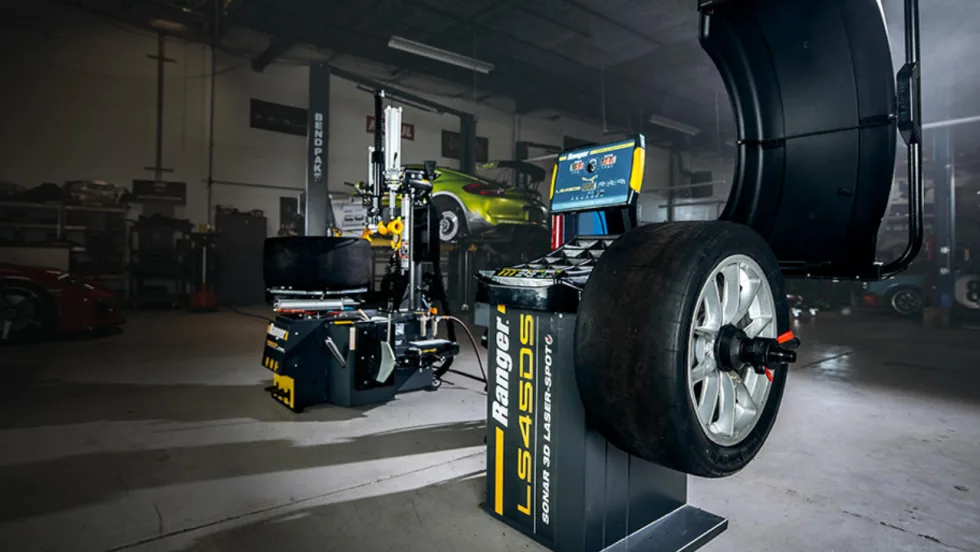
BendPak’s Ranger Wheel Service Equipment Achieves North American Safety Certification
BendPak’s full line of Ranger tire changers and wheel balancers has been ETL certified to UL and CSA standards to improve operator safety.
Read More →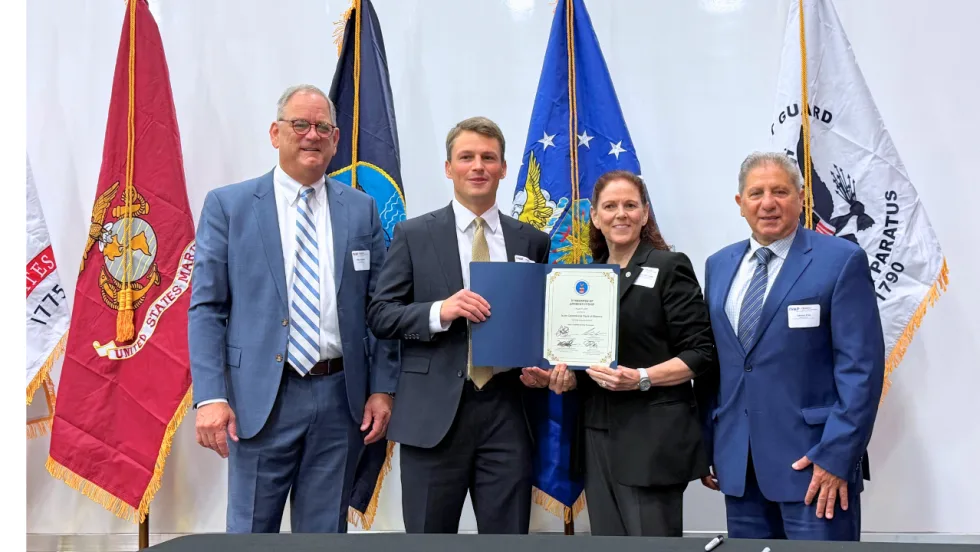
Isuzu & U.S. Department of Labor Celebrate Milestone for Veterans Apprenticeship Program
The Isuzu Veterans Apprenticeship Program (IVAP) signing ceremony highlighted Isuzu’s long-term commitment to veterans, Isuzu dealers, and the skilled workforce supporting its customers and the commercial transportation industry.
Read More →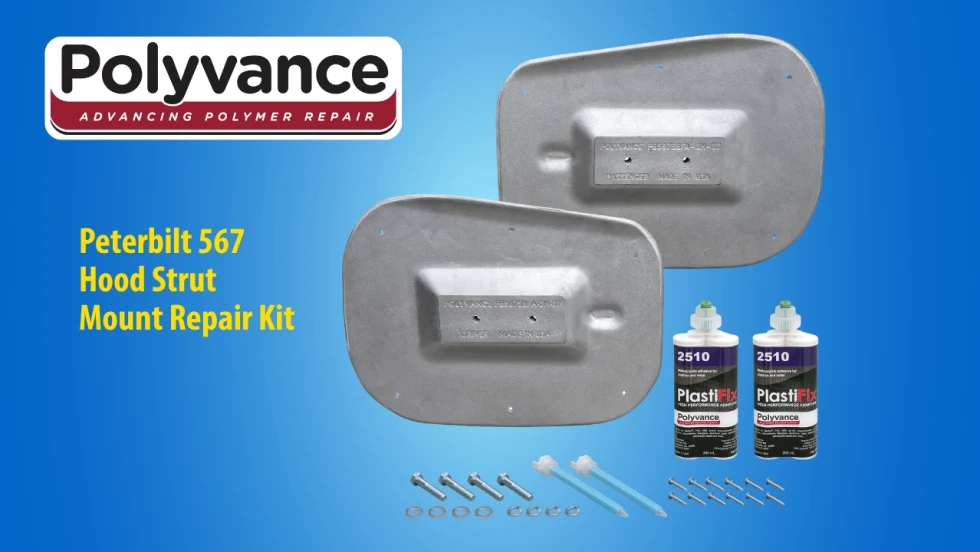
Polyvance Introduces New Peterbilt 567 Hood Strut Mount Repair Kit
Polyvance has launched a repair solution for Peterbilt 567 hood struts, helping truck owners and repair facilities avoid costly hood replacements.
Read More →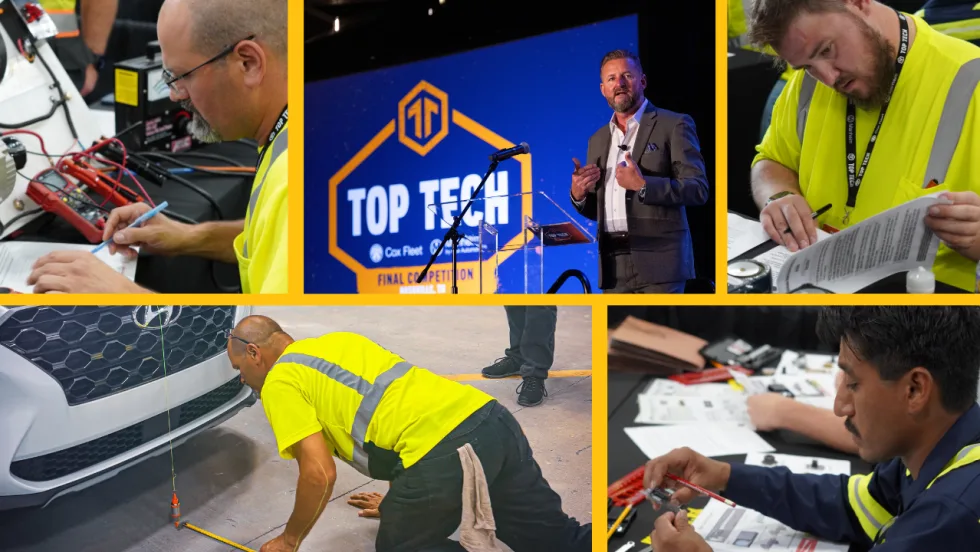
Cox Automotive Celebrates Technical Excellence at 2026 Top Tech Finals
The top technicians from Cox Fleet and Manheim tested their skills in Nashville, Tennessee, at Cox Automotive’s 2026 Top Tech Finals. The overall winners will advance to compete at the American Trucking Association’s TMC SuperTech competition.
Read More →
Grote Industries Appoints Vice President of North American Operations
Grote Industries has appointed Patrick Smith as vice president of North American operations as it celebrates 125 years of innovation and manufacturing excellence. He has more than 20 years of manufacturing leadership experience.
Read More →
Winter Fleet Prep: Expert Tips to Keep Vehicles Running Smoothly
Cold weather can expose weak batteries, tires, fuel systems, and maintenance gaps fast. Use this winter fleet checklist to prepare trucks and drivers before temperatures drop.
Read More →