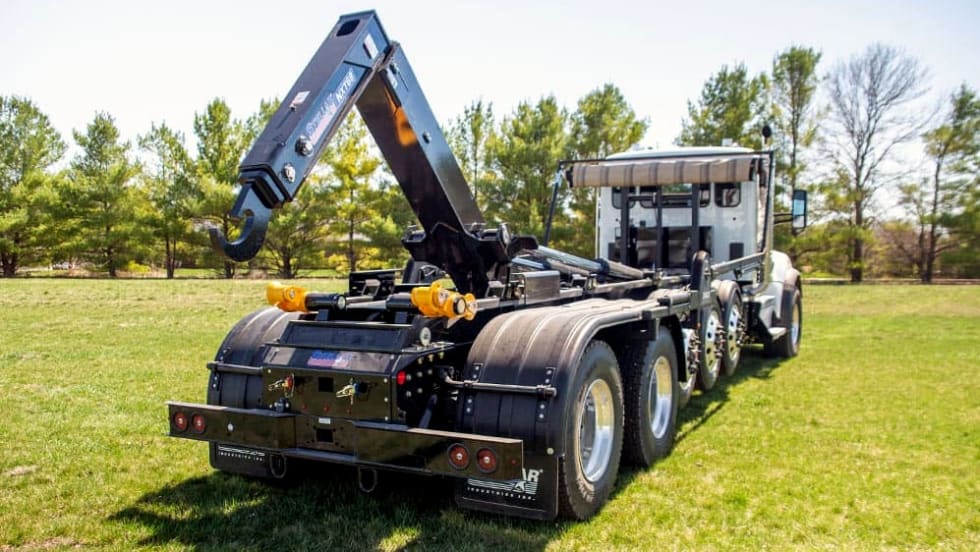
Vocational truck fleets depend on a variety of upfit applications to be able to perform their jobs. Spec’ing, buying, maintaining, and selling these specialized pieces of equipment can be complicated
Before you buy, ensure you research all of your upfit options and after the upfit is installed, keep up on preventive maintenance.
Photo: Gettyimages.com/Warchi
6 min to read
Don’t assume anything during the purchase process. Once an order is placed it can still take three to four months to build the units and another two to three months for the actual upfit and delivery.
Photo: Gettyimages.com/DIGIcal
Truck and van upfitting are significant components of vocational fleet management. However, from selecting upfits to maintaining them to remarketing these unique pieces of equipment, there is a lot that can go wrong.
Ad Loading...
But, asking the right questions and planning upfits properly will help ensure you get the right upfit and ensure your equipment lasts and earns the highest possible resale value at the end of life.
If you don’t know what job your vehicle needs to accomplish, you will not be able to spec the right equipment for the job. Assumptions lead to most mistakes when spec’ing any truck — fleet or retail. When spec’ing a truck, you need to start with accurate information.
When it comes to determining who should be involved in the spec’ing process, remember, everything starts with understanding the fleet, operations, and needs.
While there are many stakeholders, both the fleet manager and business leadership must be involved in the truck specifying process.
And, before spec’ing a truck, listen to your drivers and genuinely understand how the truck will be used each day.
Ad Loading...
Make sure you follow these tips to spec your upfit equipment effectively:
Be ready for change. It’s tempting to stick with the “if it’s not broke, don’t fix it” mentality, but with technological advancements and changing material prices, what “always worked before” may not still be the best option.
Know your needs. Just like technology changes, fleet needs change as well. So be sure you know precisely how your upfit will be utilized.
Allow for time. Upfits are often specialized for individual users and must be assembled and placed onto a unit, all of which takes time. Ensure you have a handle on all related lead times.
Don’t forget a pilot. When you have numerous changes to your fleet or operations or try a new solution, a pilot program is beneficial. This can be done in real-world applications or on paper.
Make sure to rate your vehicle for the upfit. Not properly job rating the truck for the application it’s to be used in — or the environment that’s it’s placed in — will result in added costs and reduced safety. Under- or over-spec’ing a vehicle results in unnecessary maintenance, breakdowns, or up-front costs.
Look at more than cost. Up-front acquisition costs are important, but they should not be the only deciding factor. Overall lifecycle, maintenance needs, and resale values should all be considered when selecting an upfit solution.
Ensure clear communication. When spec’ing an upfit, ensure the operators are included in your decisions as well as additional stakeholders from finance, operations, etc. Those who use the equipment every day are going to have the best input.
When it comes to determining who should be involved in the spec’ing process, remember, everything starts with understanding the fleet, operations, and needs.
Photo: Gettyimages.com/shaunl
Tips for Buying Upfits
It’s essential to settle on all specs BEFORE you place your order. Once you have determined the specs for your upfit needs, the next step is making the purchase.
Once you know what you need to order, you need to select the upfitter. You’ll benefit from doing your homework in advance. Talk to your peers and listen to their experiences. Talk to your techs and drivers and listen to their input. And ensure that the business you choose can provide for your needs in terms of capabilities and possibly geography.
Much of the initial advice for purchasing an upfit is like that of spec’ing an upfit. Understand exactly what you need, do your research, and don’t make cost the only deciding factor.
Ad Loading...
Don’t assume anything during the purchase process. Once an order is placed, it can still take three to four months to build the units and another two to three months for the actual upfit and delivery. Due to this time, any communication errors can be costly.
If purchasing an upfit through a fleet management company, be sure to follow up on the process and ensure the upfitter has received the order.
Additionally, be as clear and specific as possible when placing your order. For example, request an itemized list of products and prices.
When selecting your upfit, don’t make price the only decision-maker. There will be times where it’s possible to buy a great product at a very cost-effective price. But, be sure you can account for how long that vehicle the product is installed on will be in service.
Finally, when planning, keep in mind the time, cost, and effort to move older components to a new vehicle.
Ad Loading...
Ensure you follow proper preventive maintenance requirements, have drivers perform all pre- and post-trip inspections, and only use upfits for their intended purposes.
Photo: Gettyimages.com/DEBOVE SOPHIE
Maintaining Upfits
Your upfit is spec’ed, purchased, and installed, and you are now utilizing it in your operations. The next step in the upfit process is ensuring proper maintenance.
A few tips to follow include:
Educate drivers and technicians on the value of maintenance.
Train drivers on proper pre- and post-trip inspections, especially related to specialized upfits.
Don’t ignore preventive maintenance (PM). Skipping a service due to a time crunch or because “it doesn’t seem to need it” is a fast trip to unwanted downtime. Create and follow a PM strategy.
Ensure upfits are adjusted correctly. Most upfits have minor adjustment points (such as ladder racks) to help everything fit snugly. Make these adjustments to avoid unnecessary wear and tear on the upfit or equipment.
Never misuse your upfit and equipment. Avoid overloading a service body and ensure cargo is effectively strapped in when needed.
Always store equipment properly. If you live in a region with weather extremes, it’s especially important to store your upfits and equipment to avoid rust, dirt, and other weather-related issues.
Before you buy, research all of your options. Ask your user group for input, and don’t oversize or under-spec.
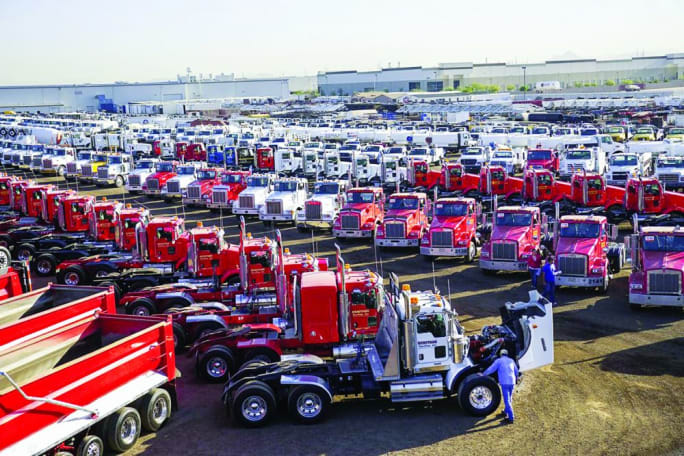
Photo: Ritchie Bros.
Remarketing Upfits
At the end of the lifecycle, upfits need to move on to their next life — either installed on a new vehicle sold with the old one. How you remarket your upfit units will depend on several factors, including:
The current value of your upfit.
The length of remaining useful life and potential resale value. For example, some vehicles will make sense to sell with the upfit intact, while other units have a longer useful life than the vehicles they are typically installed on.
Your remarketing options. Fleets have several options to resell equipment, including direct sales to employees, auctions (both online and in-person), and more.
Overall quality. Ask yourself, “would I buy this equipment?” If not, ask yourself why and either work to fix the issue or adjust your resale price accordingly.
Tips to Extend Upfit Life
Aside from effective maintenance practices, there are two areas fleets can focus on to help extend the useful life of their upfits, before the purchase and after the upfit is installed:
Ad Loading...
Before you buy, research all of your options. Ask your user group for input, and don’t oversize or under-spec. Make sure you are planning for the short- and long-term goals of your operation.
After the upfit is installed, keep up on preventive maintenance. Keep the units clean and reduce overall engine hours. Ensure the upfit sticks to its intended purpose and once the upfit has been in use for some time, perform an audit to ensure it’s fitting your needs.
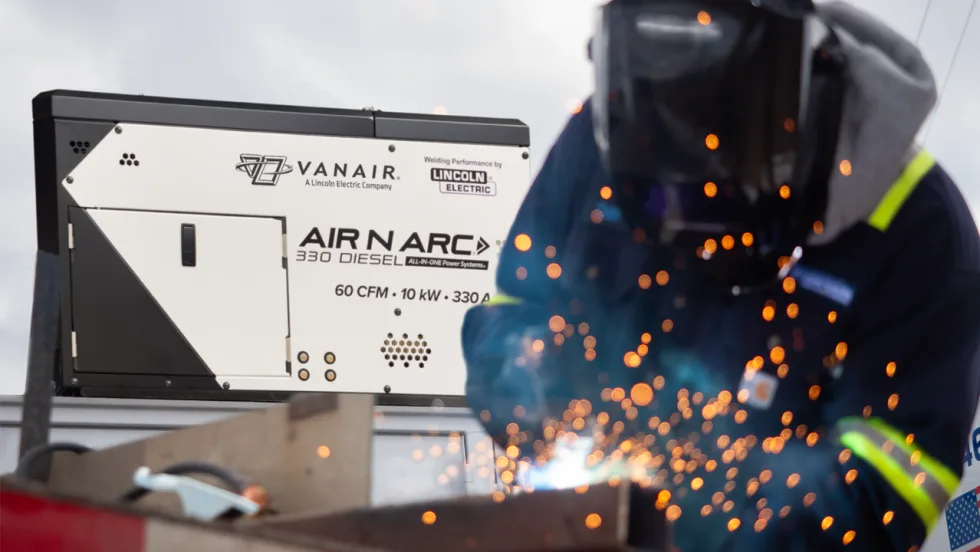
The Air N Arc 330 Diesel 60 CFM from Vanair consolidates a welder, generator, rotary screw air compressor, battery booster, battery charger, and EV charger into a single 750-pound enclosure driven by one 24.8-horsepower Kubota diesel engine.
Buyers Products has been awarded a Sourcewell contract for a wide range of winter maintenance equipment and accessories, including snowplows, municipal plow systems, wing plows, spreaders, and more.
Hilltip’s new SnowStriker SFT Flex expandable box plow features hydraulically extendable sections that allow operators to adapt the clearing width to changing conditions and applications on the go.
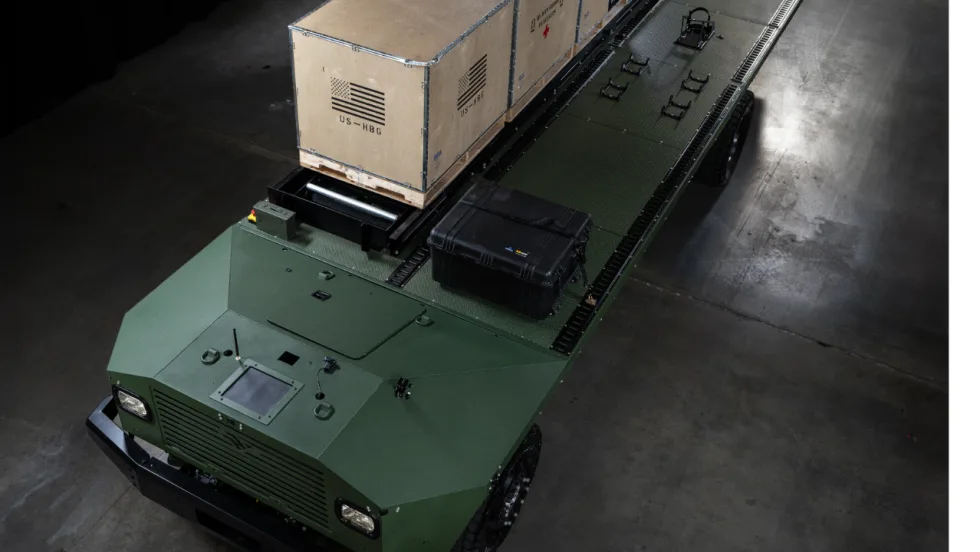
American Rheinmetall received an 18-month U.S. Army contract to deliver autonomous, hybrid-powered uncrewed ground vehicles. Harbinger is providing the truck platform for those vehicles.
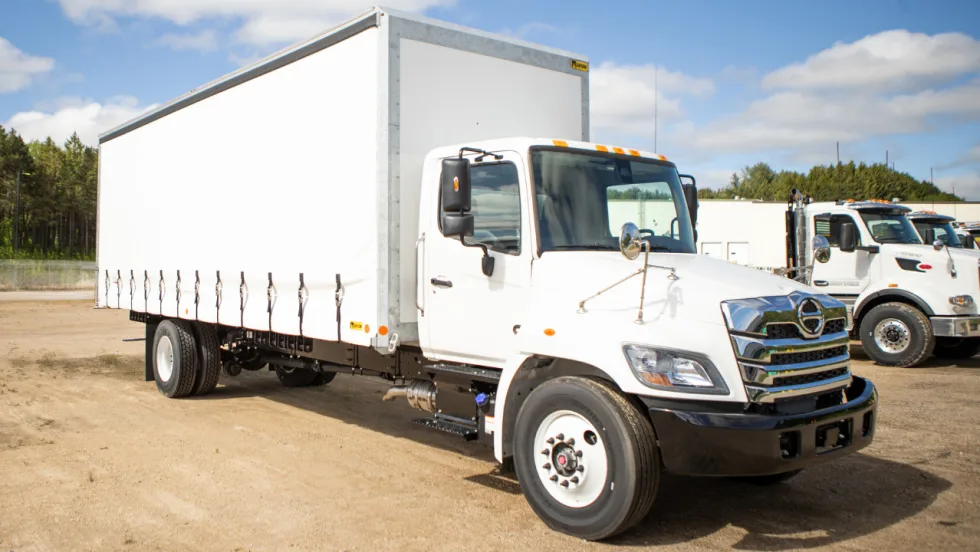
Choosing the right truck body can have a major impact on loading efficiency, cargo protection, downtime, and long-term operating costs. Here’s how dry vans, platforms, and curtainsiders compare, plus what fleets should consider before spec’ing their next truck.
Think your upfit deserves industry recognition? Enter the 2027 Work Truck Upfit Package of the Year Awards before the Sept. 30 deadline. There is less than a month left to get your submissions in!
Reading Truck Equipment and Masterack have integrated operations to create one of North America's largest and most comprehensive commercial vehicle upfit organizations.
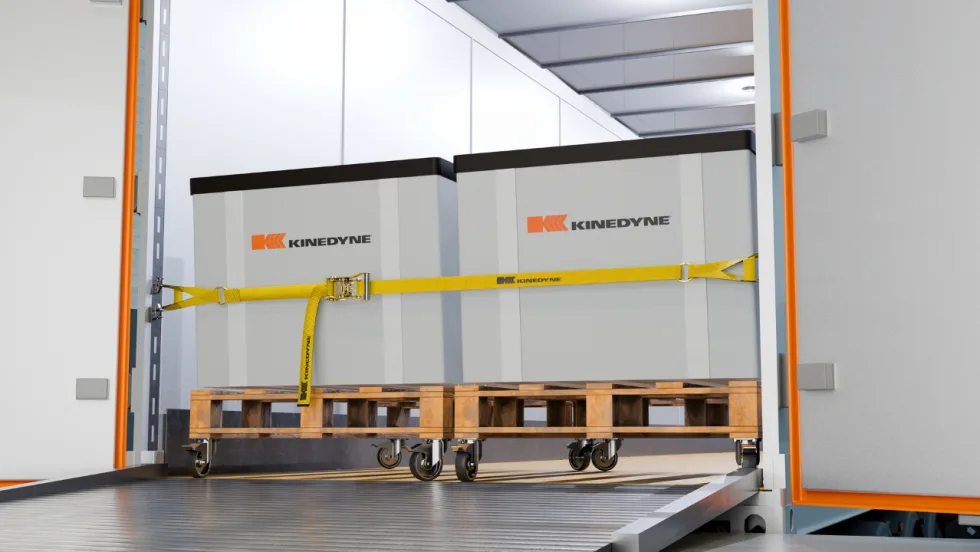
Kinedyne’s new Heavy Duty Logistic Shoring Strap features a patent-pending four-point design to deliver greater cargo stability, increased strength, and easier handling for rolling and shifting freight.
Stellar Industries’ new bumper for the NZT Series Hooklifts come in two capacity options: the 20K, designed for Class 3 – 6 chassis with a 20,000-pound pull capacity, and the 90K, built for Class 7 and 8 chassis with a 90,000-pound pull capacity.
Maxon Lift, a liftgate manufacturer since 1957, received the Wabash Platinum Award for supply chain performance in 2025. Each year, Wabash presents awards to top suppliers for excellence in supply chain performance.