




Treading Lightly on Fuel: How to Optimize Your Fleet’s Fuel Use
While fluctuating fuel costs are largely out of our control, there are ways the trucking industry can maximize the fuel efficiency of their fleets.
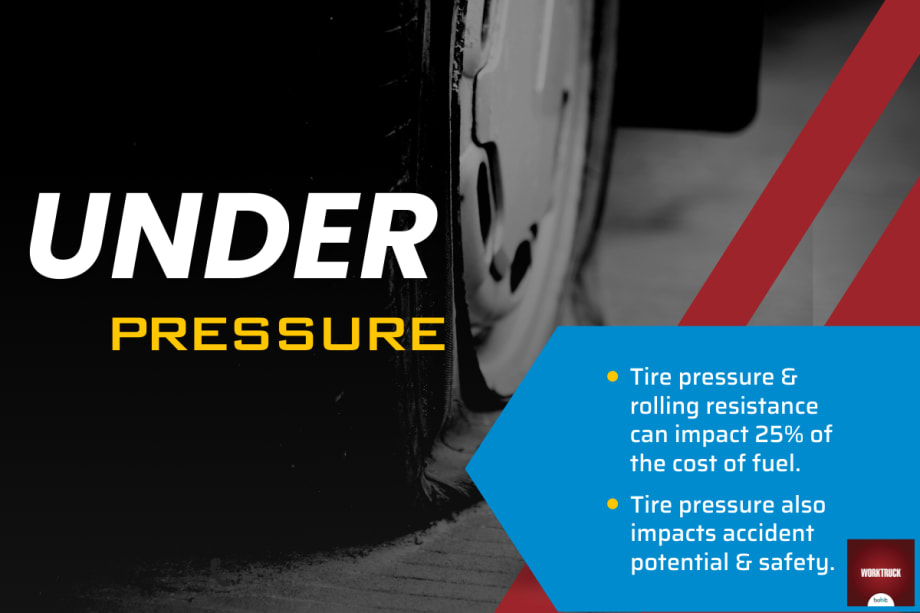
Something as simple as tire pressure can have a massive compounding effect on supply chain costs all the way down to the consumer-level.
Photo: Work Truck/Canva
When the pandemic hit, many truck drivers stopped working due to supply chain delays, causing increased pressure to deliver and further concerns over COVID-19 regulations and driver compensation. At the same time, gas prices plummeted.
With today’s surging demands and international tensions resulting in banned Russian imports to the U.S., the trucking industry needs truck drivers more urgently as diesel prices soar and freight costs increase. This has been especially brutal on owner-operators and small trucking companies who operate on tight margins and light capital.
According to our data, the average yearly operational cost for a truck is $210,000. Within that, fuel takes up 21% of the cost, totaling more than $44,000. These numbers have only mounted higher. In mid-March, the average price for a gallon of diesel hit an all-time high $5.13 per gallon, breaking the highest average price from 14 years ago.
While the fluctuating cost of fuel is largely out of our control, there are ways that the trucking industry can maximize the fuel efficiency of their fleets to reduce operational costs and lessen the driver resourcing burden through tire pressure management, predictive maintenance, and route optimization.
The Impact of Tire Pressure on Fuel Use
Of the $44,000 average truck fuel costs, tire pressure and the rolling resistance of tires can influence up to 25% of the cost of fuel, or $11,000 – and this is just the cost for one truck. The Owner-Operator Independent Drivers Association estimates large fleets can carry between 101-2,000 vehicles.
As companies multiply these costs for every truck in their fleet, it’s easy to see why something as simple as tire pressure can have a massive compounding effect on supply chain costs all the way down to the consumer-level.
If a tire’s temperature or tire pressure is off, it will burn extra fuel, which not only adds extra expenses—including higher fuel costs, cost of breakdowns, and the cost of idle time—but also puts the vehicle at risk of an accident, due to potential loss of control during curve or lane changes and poor vehicle handling as drivers overcompensate. Additionally, the extra fuel burn leads to higher CO2 output and harmful emissions that are released into the environment.
Predicting Temperature, Tread & Tire Failure
While most fleets monitor tire pressure accurately, it is often reactive, and they do not have a system to alert the driver and dispatch team proactively. Rather than relying on pre-trip, post-trip and other potential preplanned checkpoints along a route to check tire pressure with stick gauges, fleets are moving to proactive tire-pressure management systems (TPMS).
Telematics-based tire pressure management systems allow drivers, dispatch, and technicians to see tire pressure levels and temperature alerts in real-time for every tire on every vehicle, including detection of rapid tire pressure changes and air leaks, and identification of high temperatures that can lead to excessive wear and faster failure. These connected technologies allow fleets to remotely identify the exact tire(s) on the truck that are not at the recommended pressure, while drivers can also view the vehicle’s current tire pressure on their in-cab tablet.
With this, fleets can keep each tire healthy to save fuel and replacement costs, enhance safety, and increase ROI with longer tire lifespan. These systems also instantly provide verified visual inspection defect data to alert maintenance about serious defects mere seconds after the driver sees them.
The latest tire pressure-sensing technologies help fleets automate scheduling based on vehicle usage and integrations with their maintenance system. By streamlining preventive maintenance, fleets can better manage fuel-use efficiency, cut idle time, and ensure longevity of tires.
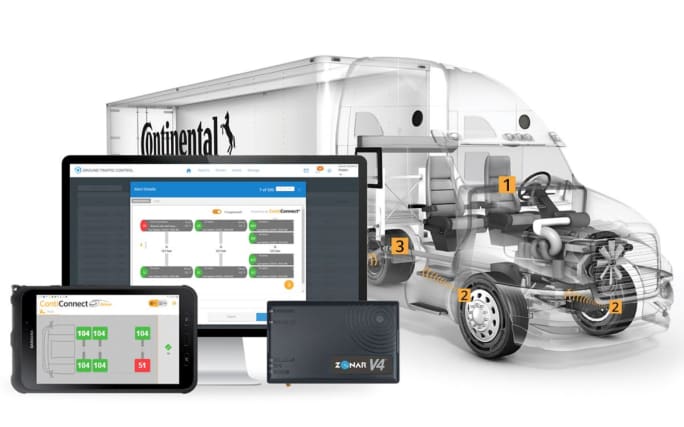
The latest tire pressure-sensing technologies help fleets automate scheduling based on vehicle usage and integrations with their maintenance system.
Photo: Zonar
Route Planning & Optimization
Another factor impacting fuel efficiency is the length of a route and the time spent driving it. Every turn, traffic condition, detour and driver decision impacts a fleet's bottom line.
Route optimization technologies help drivers plan their route strategically – delivering heavy loads first, combining relevant deliveries, and maximizing vehicle loads, since not every fleet consists of one type of commercial vehicle. Customized routes for each vehicle also consider the vehicle type, dimensions, size, and load, and can also accommodate route preferences and the number of stops required to adhere to Hours of Service (HOS) rules.
Additionally, GPS-based turn-by-turn navigation can further help fleets adjust routes in real-time to avoid delays and provide detour options to reduce unnecessary drive time – which in turn reduces tire wear and vehicle fuel burn.
With the unpredictable changes in fuel costs of today, fleets must rely more heavily on proactive and predictive tire pressure management systems and efficient route planning, with flexibility for updates and customization to help reduce fuel emissions. This will not only keep cost down but will also keep drivers safe and compliant with regulations to efficiently get from point A to point B for every delivery.
About the Author: Nick Grandy is the general manager of Vocational & Industrial Services for Zonar. This article was authored and edited according to WT editorial standards and style. Opinions expressed may not reflect that of WT.
More Fuel

The Smart Way to Build a Mixed-Energy Fleet Isn’t About Picking a Side
Mixed-energy fleets aren’t about picking a winning fuel. Sarah Booth of WEX explains how vehicle data, duty cycles, charging strategy, and real-world costs can help fleets choose the right energy source for each job.
Read More →
Ignoring This Dashboard Warning Could Cost Your Fleet Thousands in Fuel
New research suggests neglected diesel aftertreatment systems could waste up to $30 in fuel per vehicle each day. Here's why vocational fleets should pay attention.
Read More →
July Diesel Trends Update
The average price of a gallon of diesel increased again this week, and the EIA reported a new national average of $5.31 at the start of the week.
Read More →
WEX Brings Standard Fleet's Connected Vehicle Platform to Fleet Customers
This week’s product launch with Standard Fleet’s connected vehicle platform reflects WEX Venture Capital's strategy of turning startup innovation into customer solutions. Standard Fleet is now available to WEX fleet customers.
Read More →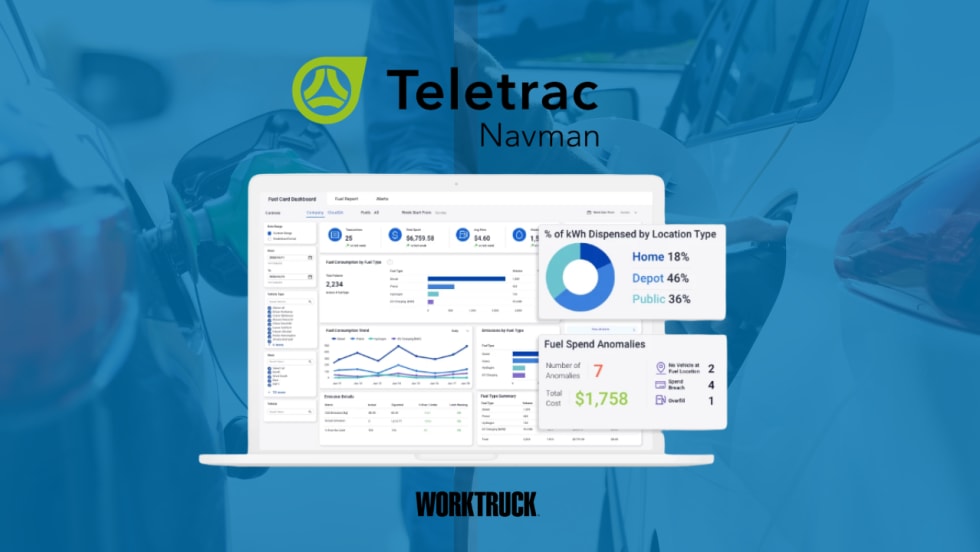
Teletrac Navman Adds Mixed-Energy Fleet Tools to TN360
The new Energy Hub combines fuel transactions, EV charging data, vehicle range, and energy costs in one dashboard for fleets operating multiple vehicle and energy types.
Read More →
WEX DriverDash adds CITGO, Expands Nationwide Access for Fleets
The DriverDash mobile payment app, by WEX, has been integrated into the CITGO merchant network, which means WEX has expanded its U.S. station footprint with the addition of approximately 4,000 CITGO locations.
Read More →
Mixed Energy Fleet Tips for Balancing EVs, Gas and Diesel Vehicles
Mixed energy fleets are becoming the new normal. Learn how fleet managers are balancing EVs, gas and diesel vehicles while controlling costs and planning for the future.
Read More →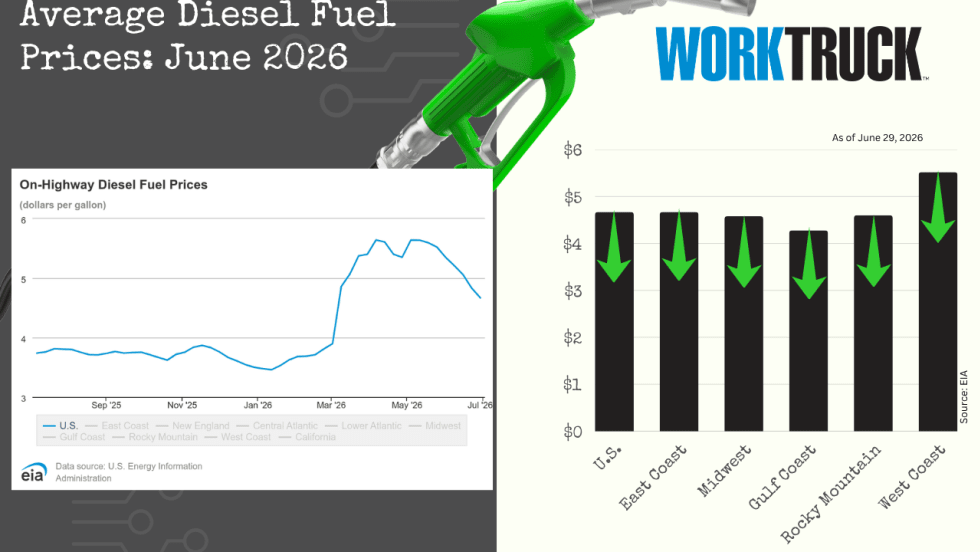
June Diesel Trends Update
The national average price of a gallon of diesel has dropped again, this week by more than 16 cents. All five regions reported lower average prices, ranging from almost 13 cents to more than 28 cents cheaper than a week ago.
Read More →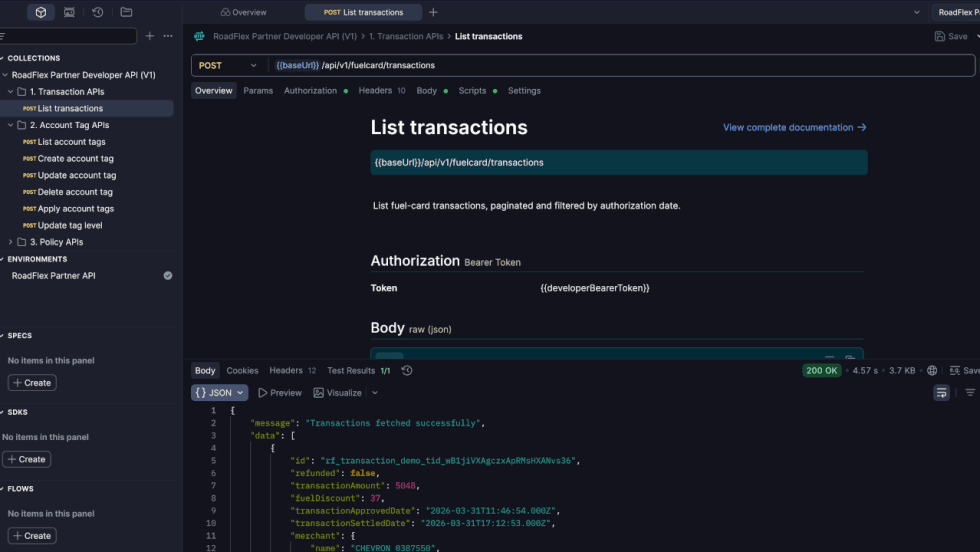
RoadFlex Launches RoadFlex Direct Open API Platform
RoadFlex Direct connects fuel cards, controls, and data to the telematics and fleet management systems fleets already run, from Geotab and Samsara to Fleetio and RTA, with no separate dashboard or double data entry.
Read More →
The Key to Fuel Efficiency Sits in the Cab
Learn how driver behavior, telematics, coaching, and fuel data can help fleets improve fuel efficiency, lower costs, and reduce emissions.
Read More →