





Q&A with Brad Burgess: Collaboration & Growth at Merchants Fleet
Top Tips to Make Upfitting Work Truck Fleets a Breeze
Make sure you have a backup plan, solid relationships, and keep an eye out for creative solutions when upfitting your commercial fleet.
July 17, 2023
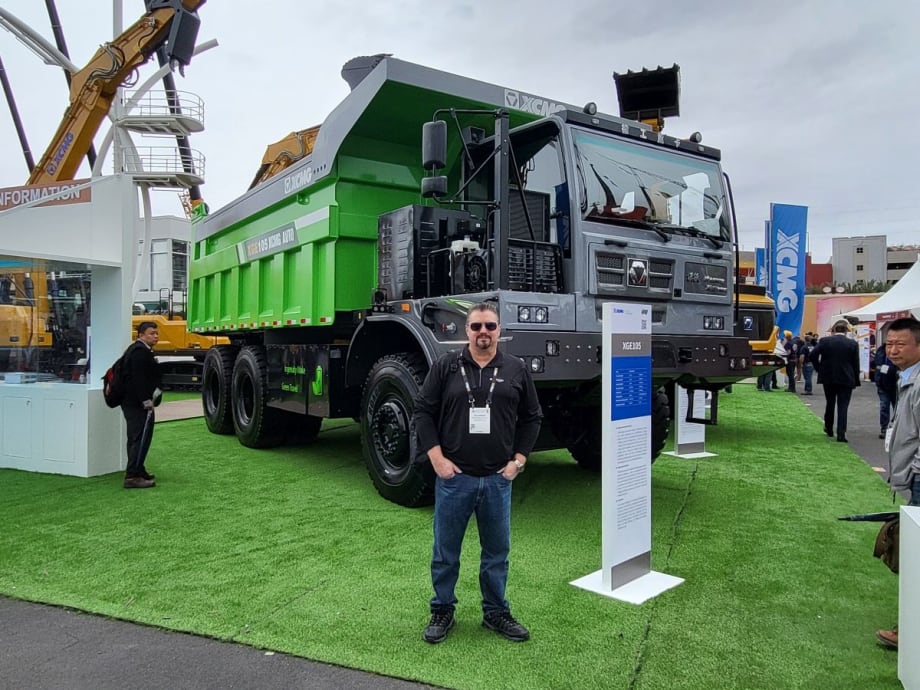
Joe Birren is an ASE World Class Certified Technician and the fleet operations manager of truck and upfit engineering at Merchants Fleet.
Photo: Merchants Fleet
6 min to read
When we look at commercial fleet upfitting today, long wait times, supply chain issues, and high costs are some of the most common challenges fleet managers face.
Work Truck turned to ASE World Class Certified Technician, Joe Birren, to get his real-world insight into fleet managers’ upfitting pains.
Upfitting Tips from a Certified ASE World Class Technician
Birren is also the fleet operations manager of truck and upfit engineering at Merchants Fleet. His team took over 20,000 vehicles through the upfit process in 2022, and we checked in with him to see what advice he had to share.
WT: As an ASE World Class Certified Technician, what tips and insights can you share for fleet managers looking to streamline their upfit process?
Birren: I recommend fleets start upfit projects early and be flexible, as we’re currently seeing some upfit projects run three to five months, on the short end, to upwards of a year. Analyze your maintenance-spend data to identify which assets need to be cycled first. If there are high maintenance-spend trends like frequent brake & tire replacement intervals, multiple transmission replacements, or suspension repairs – this can be an indicator of potential overloading situations.
Supply chain impacts ranging from the vehicles themselves to the unique parts that style out a vehicle, such as ladders, shelves, sensors, sub-components, lights, etc., are slowing the process. We advise our clients to start early so vehicles deliver as close to their target date as possible.
Supply chain issues are also causing sudden, unforeseen changes. Unfortunately, fleet managers have experienced canceled vehicle orders with no indication of when, or if, these orders can be fulfilled.
Flexibility and having a backup plan are key when responding to these unfortunate and uncontrollable situations. That backup plan may include different vehicle options and a change in the number of vehicles and equipment to stock the vehicle.
I recommend fleet managers partner with an experienced upfit and engineering team that can be a single point of contact among fleet managers and their drivers, the OEM, and all the various vendors involved in a vehicle build-out. The do-it-yourself (DIY) approach is not recommended. Incorrect installation, vehicle damage, and safety hazards are significant — and expensive — vulnerabilities that can sideline a DIY upfit project.
WT: What strategies did you use to handle supply chain shortages and delays while getting more than 20,000 vehicles through the upfit process in 2022?
Birren: Like others, Merchants also had to navigate the shortages, but we were well-positioned to manage the challenges thanks to our experience, expertise, and strategic approach.
Merchants is unique in that we have a team dedicated to managing the license, title, and registrations for fleets — and that includes battery-electric vehicles (BEVs), plug-in hybrid electric vehicles (PHEVs), and hybrid-electric vehicles (HEVs).
At the height of the pandemic, when businesses and services like the Department of Motor Vehicles (DMV), were shutting down, our specialized experts were able to keep registration and title moving forward to help keep essential businesses and services on the road.
We proactively advise our clients to be flexible so they can set their expectations and be prepared for delays. Communication is key, and keeping clients informed on project progress, good news, or bad news, is essential.
When unfortunate situations did arise, we were ready to pivot on behalf of those clients who could be flexible. Given our broad access to vehicles and our relationships with OEMs and other suppliers, we were able to tap into alternative vehicle options and access aftermarket equipment.
WT: You mentioned the importance of having a backup plan. Can you share an example of a time when having a backup plan saved costs during the upfitting process?
Birren: One recent example is a client in the service/delivery industry who ordered 70 trucks.
Unfortunately, because of the pandemic and the vehicle supply crunch, the OEM canceled the order, resulting in the client having to wait until the next model year to receive its vehicles and pushing out their project seven to nine months.
Our client couldn’t sustain a nine-month delay, so we leveraged a strong relationship with another OEM who could fulfill the order. While navigating this vehicle switch, we arranged other equipment that could be repurposed and match the client’s application.
The client is now saving $1,600 per vehicle unit, and the project remains on track, with the first portion of its vehicles delivering later this year.
WT: Relationships with vendors and OEMs can be crucial in streamlining the upfit process. Can you discuss how strong relationships have benefited your Merchants Fleet team?
Birren: Merchants works with partners with whom we’ve built a solid relationship and consistently deliver good work and service over the years. We can extend these relationships to our clients, and the last example reflects how we’ve nurtured our partnerships and can ensure the needs of our clients are met.
As another example, we were going to submit 120 factory orders for one of our fleet customers, and the client’s preferred upfit vendors presented quotes.
After meeting with the client during a site visit to become familiar with their application requirements and upfit design, we questioned the amount of labor the upfitter quoted and recommended alternative equipment options.
After negotiating with the upfitter and the client becoming open to competitive quotes from other vendors, we saved a total of $265,995.81 for that group of orders.
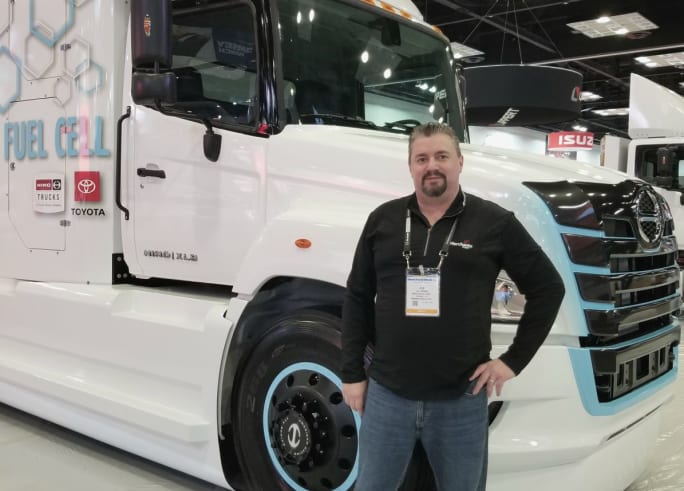
Birren recommends fleet managers partner with an experienced upfit and engineering team that can be a single point of contact among fleet managers and their drivers, the OEM, and all the various vendors involved in a vehicle build-out.
Photo: Merchants Fleet
WT: Being flexible and creative is important in saving costs during the upfitting process. Can you share any examples of how your team has been able to pivot from one plan to another and find hidden areas to save costs?
Birren: One of our fleet customers had 73 cab and chassis factory orders canceled with custom bodies and equipment, which were already on order.
This customer was in a difficult position and needed replacement trucks due to their aging fleet.
After working with a completely different chassis OEM, we secured production allocation for the second quarter of 2023, saving $1,457.01 for each chassis.
We also worked with the body company; no design alterations were needed for the already-ordered bodies. This was a true win-win for all parties involved.
WT: As the truck & upfit engineering manager at Merchants with extensive experience in upfit engineering, what advice do you have for fleet managers looking to improve their upfitting process and reduce costs?
Birren: It can’t be stressed enough: Partnering with a fleet management company that provides upfitting is a smart first step.
You’ll be able to tap into a vast vendor network to select the best upfitters for your project, protect residual values, and design with an eye that puts driver safety and efficiency first while reducing fuel and maintenance costs.
Subscribe to Our Newsletter
More Upfitting
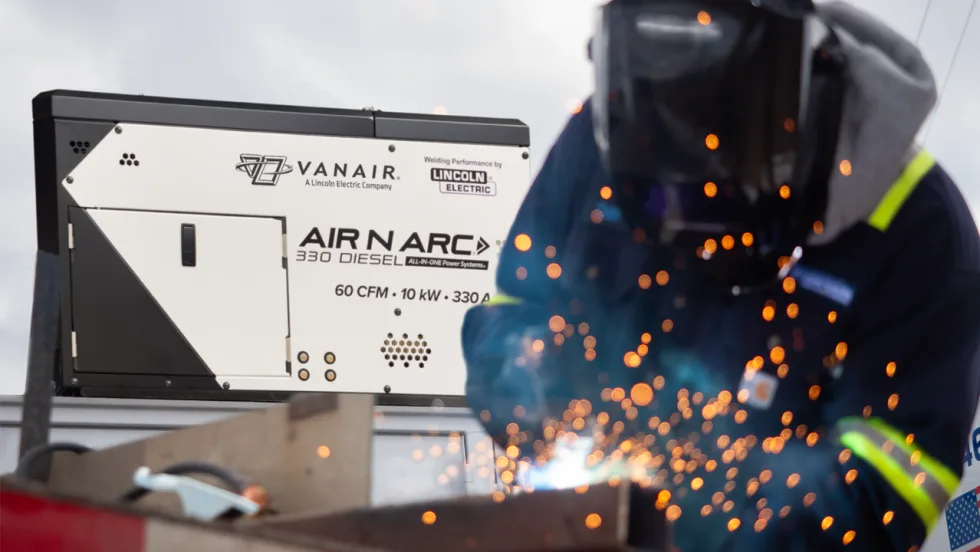
Multitasking: Vanair’s Air N Arc 330 Diesel 60 CFM All-In-One Power System
The Air N Arc 330 Diesel 60 CFM from Vanair consolidates a welder, generator, rotary screw air compressor, battery booster, battery charger, and EV charger into a single 750-pound enclosure driven by one 24.8-horsepower Kubota diesel engine.
Read More →
Buyers Products Awarded Sourcewell Cooperative Purchasing Contract for Snow & Ice Equipment
Buyers Products has been awarded a Sourcewell contract for a wide range of winter maintenance equipment and accessories, including snowplows, municipal plow systems, wing plows, spreaders, and more.
Read More →
Hilltip Introduces the SnowStriker SFT Flex Expandable Box Plow
Hilltip’s new SnowStriker SFT Flex expandable box plow features hydraulically extendable sections that allow operators to adapt the clearing width to changing conditions and applications on the go.
Read More →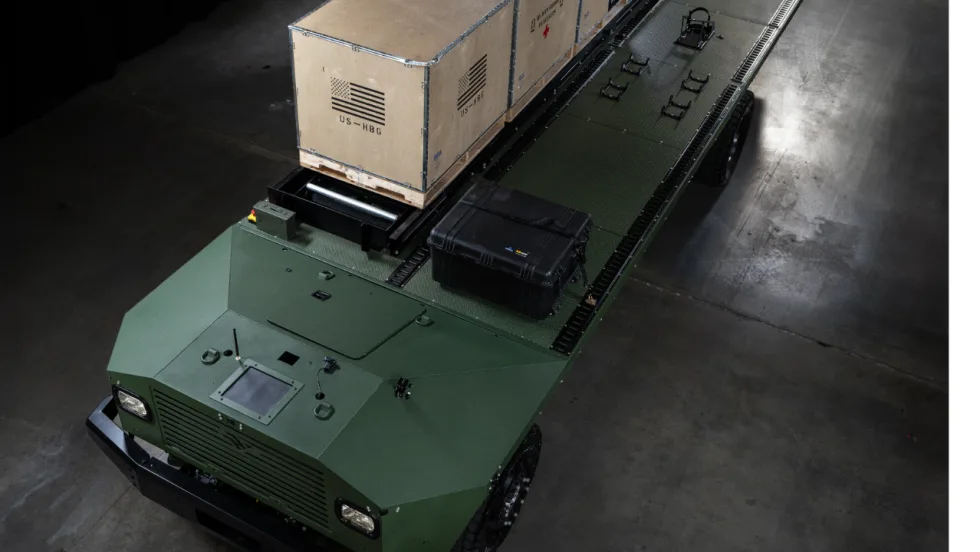
Harbinger Part of Effort to Deliver Autonomous Logistics Capabilities for U.S. Army
American Rheinmetall received an 18-month U.S. Army contract to deliver autonomous, hybrid-powered uncrewed ground vehicles. Harbinger is providing the truck platform for those vehicles.
Read More →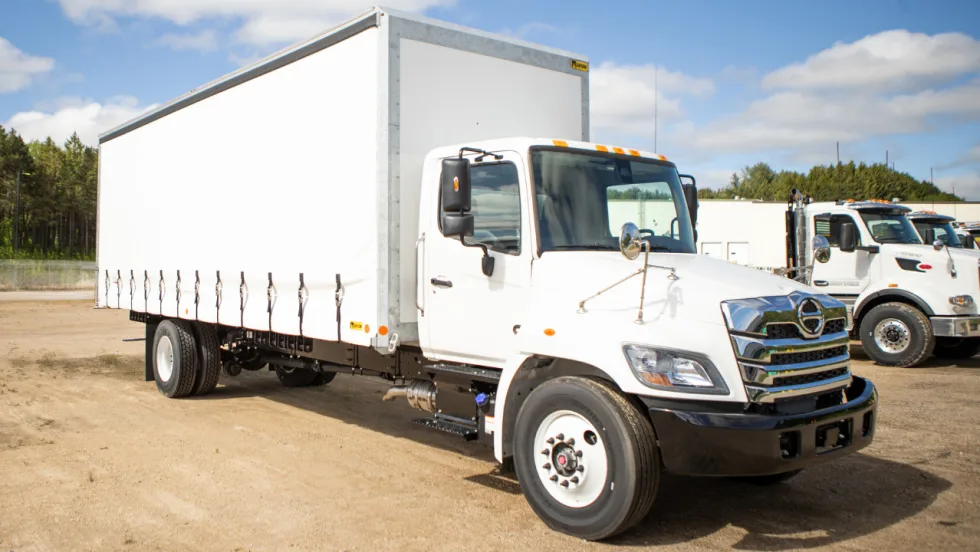
Thinking Outside of the Box: Choosing the Right Truck Body for Your Fleet
Choosing the right truck body can have a major impact on loading efficiency, cargo protection, downtime, and long-term operating costs. Here’s how dry vans, platforms, and curtainsiders compare, plus what fleets should consider before spec’ing their next truck.
Read More →
Fourth Annual Upfit Package of the Year Awards Open for 2027 Entries: One Month Left!
Think your upfit deserves industry recognition? Enter the 2027 Work Truck Upfit Package of the Year Awards before the Sept. 30 deadline. There is less than a month left to get your submissions in!
Read More →
Reading Truck Equipment & Masterack Unite as One of North America's Largest Commercial Vehicle Upfit Networks
Reading Truck Equipment and Masterack have integrated operations to create one of North America's largest and most comprehensive commercial vehicle upfit organizations.
Read More →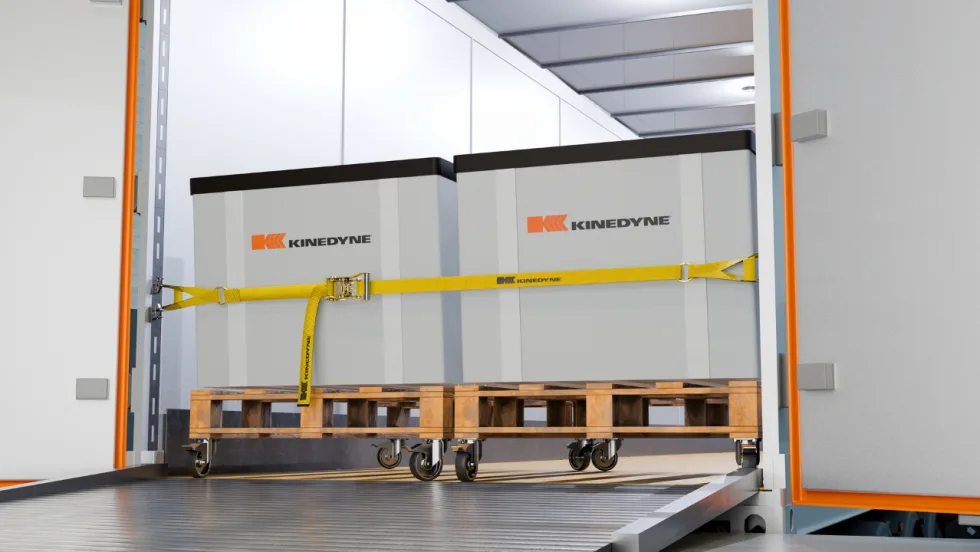
Kinedyne Launches Heavy Duty Logistic Shoring Strap
Kinedyne’s new Heavy Duty Logistic Shoring Strap features a patent-pending four-point design to deliver greater cargo stability, increased strength, and easier handling for rolling and shifting freight.
Read More →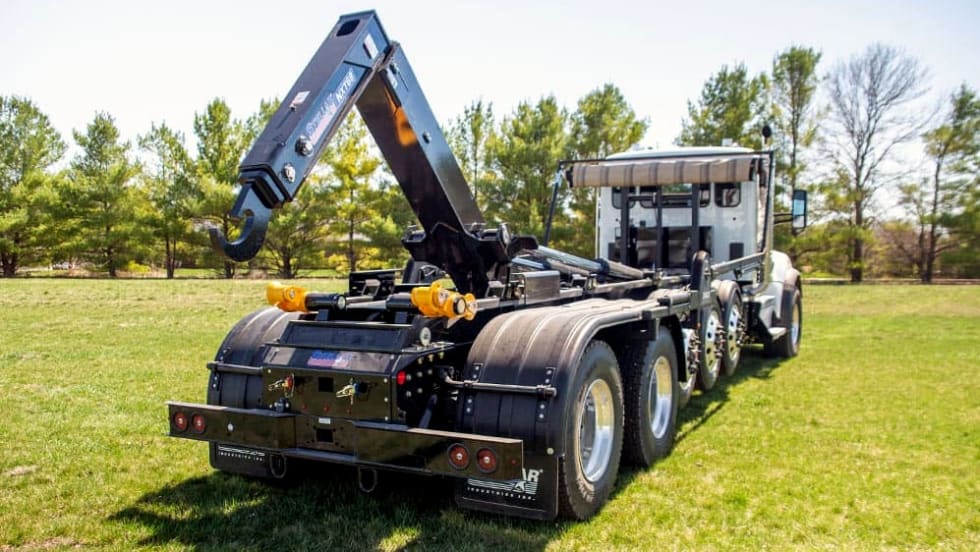
Hooklift Bumper Design from Stellar Showcases Strength & Versatility
Stellar Industries’ new bumper for the NZT Series Hooklifts come in two capacity options: the 20K, designed for Class 3 – 6 chassis with a 20,000-pound pull capacity, and the 90K, built for Class 7 and 8 chassis with a 90,000-pound pull capacity.
Read More →
Maxon Lift Awarded the Wabash Platinum Award for Supply Chain Performance
Maxon Lift, a liftgate manufacturer since 1957, received the Wabash Platinum Award for supply chain performance in 2025. Each year, Wabash presents awards to top suppliers for excellence in supply chain performance.
Read More →