




Top Challenges & Tips Maintaining Alternative-Fuel Trucks
To accomplish their jobs, fleet vehicles must be in proper working order. When utilizing alternative-fuel trucks, a few special considerations may need to be made.


Propane autogas can be an approachable energy source from a service and maintenance standpoint — even for those completely new to it.
Photo: PERC
All fuel types have different nuances. And ensuring that you are correctly maintaining each vehicle is essential to them operating at peak performance.
“For example, internal combustion engines such as natural gas and propane typically run on the same concept. However, fuel delivery systems could require special technicians and maintenance facilities. Battery-electric vehicles may need less maintenance, as they have fewer moving parts, but require specialized training for high-voltage systems. Biodiesel users need to know the importance of maintaining and cleaning storage tanks, as the fuel has a higher propensity for algae growth than its conventional counterpart,” said Christopher Lyon, director of Fleet Relations for NTEA – The Association for the Work Truck Industry
After millions of miles on the road, biodiesel has proven itself as a reliable renewable fuel.
“Biodiesel works seamlessly with existing infrastructure and vehicles. In fact, 78% of the diesel vehicles coming off the production lines today are approved for B-20,” said Scott Fenwick, technical director for the National Biodiesel Board (NBB).
The biodiesel experts noted that to run biodiesel, little or no modifications need to be made to the engine or fuel system.
“However, biodiesel must follow strict ASTM specifications. Fuel grade biodiesel must be produced to industry specifications to ensure proper performance. Biodiesel blends meet specifications for legal diesel fuels found in ASTM D975 (petroleum diesel and blends up to B-5) and ASTM D7467 (blends from B-6 to B-20). Also, B-100 must meet the ASTM definition for biodiesel itself (ASTM D6751),” Fenwick said.
Utilizing low-carbon fuels can also help reduce maintenance on vehicles.
“At World Energy, our fuels have high-cetane, which allows for complete combustion, reducing byproduct soot formation and reducing residual material deposits in the engine. The lack of corrosive contaminants leads to cleaner-burning fuel with lower emissions and less wear-and-tear on the engine,” said Gene Gebolys, CEO of World Energy.
An electric vehicle (EV) has fewer moving parts than its typical internal combustion engine (ICE) counterpart.
“Having fewer moving parts makes maintaining an EV less complex and cheaper than a traditional ICE vehicle,” said Nate Valaik, e-Mobility product marketing manager for Gilbarco Veeder-Root.
Traditionally, maintaining electric fleets is less costly and time-consuming and ICE vehicles, simply because they have fewer components.
“The challenge for some fleet managers could be learning new systems, and how to maintain electric vehicles, but it tends to be a minor challenge,” said Vic Shao, CEO & Founder of AMPLY Power.
As for ethanol, according to Robert White, VP of Industry Relations for the Renewable Fuels Association, there are no challenges.
“According to vehicle manufacturers, maintenance costs do not increase when using ethanol,” White said.
Sahar Kamali, director of Business Development for Clean Energy Renewables, noted that compressed natural gas (CNG) trucks tend to be simpler to maintain because they do not have complicated aftertreatment systems.
In many aspects, maintenance of an NGV is less challenging and more economical compared to vehicles powered by conventional fuels, according to Paul Sandsted, director of Technology & Sustainability for NGVAmerica.
“This is particularly true when comparing maintenance challenges and expenses with modern-day diesel exhaust systems. In contrast, an NGV exhaust system is comprised only of a simple 3-way passive catalyst that does not require urea and performs well in any vehicle application or duty cycle,” Sandsted added.
Propane autogas can be an approachable energy source from a service and maintenance standpoint — even for those completely new to it.
“New liquid propane fuel injection engines are similar in appearance to gasoline engines and require similar equipment for maintenance, diagnosis, and repair. Plus, because propane autogas is a clean fuel, its emissions systems are much less complex and don’t require additional fluids or filters to ensure performance and meet emissions standards, like diesel vehicles,” said Steve Whaley, director of autogas business development for the Propane Education & Research Council (PERC).
Whaley also noted that, compared to gasoline, propane autogas wouldn’t degrade or prematurely wear engine component parts like gasoline can.
“When properly maintained, propane autogas has fewer residual contaminants in the oil that can damage engines, and there is also less carbon build-up on the valves that naturally occurs in gasoline engines. Propane autogas eliminates the inflated costs for increased maintenance and the worries for fleet owners and service technicians,” Whaley said. “These maintenance benefits are one of the reasons propane autogas has the lowest total cost-of-ownership of any altertnative- or conventionally-fueled truck.”
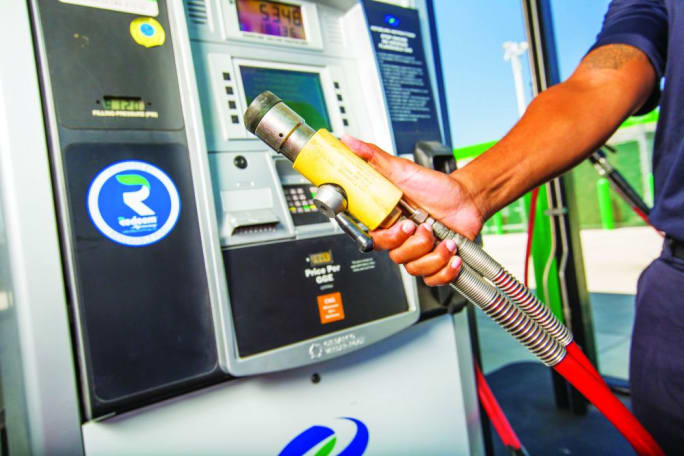
There are also maintenance considerations to keep in mind for the pressure relief device (PRD) connected to the vehicle’s fuel container, particularly when temperatures drop below freezing.
Photo: Clean energy
Alt-Fuel Maintenance Shop Considerations
When utilizing alternative-fuel vehicles in your fleet, your maintenance shop may — or may not — need some updates.
For biodiesel, not much will need to be done. “Our fuels are made to be straight drop-in replacements for the high-carbon fuels primarily used today,” said Gebolys of World Energy.
But, for any new drivetrain and fuel type, there is some training and equipment required to maintain them.
“For EVs, this is no different, but with so many fewer moving parts in an electric drivetrain versus a combustion engine, the maintenance requirements are heavily reduced,” said Shao of AMPLY Power.
One way shops can support EVs is by focusing on maintaining the charging infrastructure used to power their vehicles.
“Partnering with someone with a trusted service and support network, like Gilbarco Veeder-Root, is one of the best ways to ensure EVs are charged on-time, all-the-time,” said Valaik of Gilbarco Veeder-Root.
When looking at ethanol units, the main concern is with older units.
“If there are older vehicles in the fleet that have not used today’s gasoline, a fuel filter could be necessary after the ethanol blend cleans out the fuel tank and system. Again, only if that vehicle has not been in regular use the past two decades,” said White of the Renewable Fuels Association.
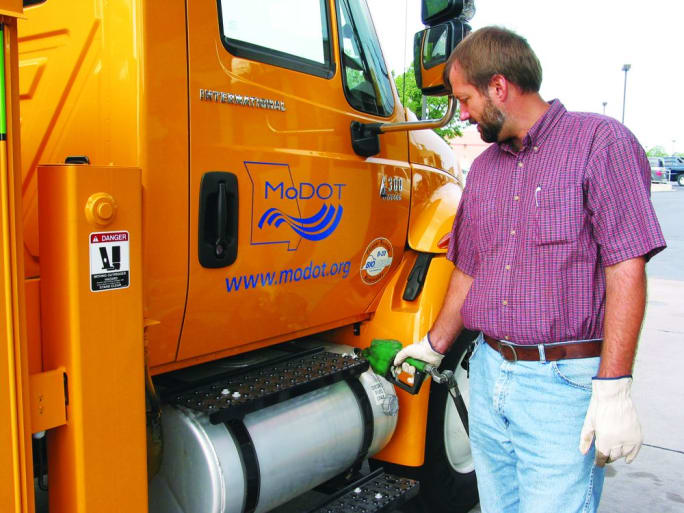
Biodiesel users need to know the importance of maintaining and cleaning storage tank.
Photo: NBB
To safely repair and/or store natural gas vehicles inside a vehicle maintenance facility, there are a few areas that should be evaluated for possible upgrades.
“These areas include ventilation systems, heating systems, mitigating any spark-producing equipment, and installing a methane detection system,” said Kamali of Clean Energy Renewables.
There are also maintenance considerations to keep in mind for the pressure relief device (PRD) connected to the vehicle’s fuel container, particularly when temperatures drop below freezing.
“NGV manufacturers typically recommend routine inspection of PRD vent systems to verify the integrity of the vent lines, assure that all vent caps are in place, and minimize the potential for water ingress,” said Sandsted of NGVAmerica.
One major benefit that propane autogas offers is that maintenance and garaging facilities don’t have special requirements to accommodate the alternative fuel beyond those for facilities that maintain gasoline and diesel vehicles, according to the Propane Education & Research Council (PERC).
“This is a significant cost savings advantage in contrast to other alternative fuels. Facility managers should always check with their local Authority Having Jurisdiction (AHJ) before assuming the need for or making any facility modifications. More details on these specific requirements are available in an online video series produced by the Propane Education & Research Council,” said Whaley of PERC.
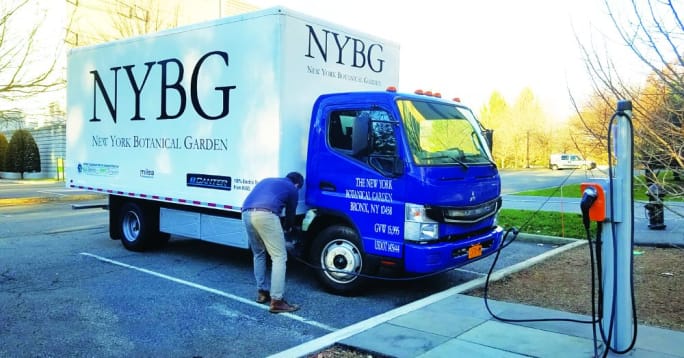
Traditionally, maintaining electric fleets is less costly and time-consuming and ICE vehicles, simply because they have fewer components.
Photo: ChargePoint
Alt-Fuel Maintenance Tips
Biodiesel and renewable diesel each provide unique benefits and properties for use in today’s engines.
“Both provide improved emissions and better combustion with higher Cetane values. Biodiesel also provides improved lubricity need for today’s high-pressure common rail engines. The cleaner-burning benefits of both fuels often means fewer regenerations of the diesel particulate filters in the emissions aftertreatment and less maintenance on the engine overall,” said Fenwick of the NBB.
Just like regular diesel, precautions need to be taken when maintaining your fuel and engine.
“Especially in colder temperatures. Biodiesel can gel in freezing weather. Although pure biodiesel has a higher cloud point than No. 2 diesel, 20% biodiesel blends are usually managed with similar techniques. Blends of 5% and below have virtually no impact on cold weather operability,” Fenwick added.
When it comes to electric vehicle maintenance and service, it’s highly recommended to working with an independent service provider for electric vehicle charging.
“Working with a service provider gives you an expert with connections back to every automotive OEM, who is there for you every day or night to ensure your electric fleet is charged and ready-to-go. We’ve been able to diagnose intermittent fueling issues as a mismatch of firmware between systems and work with the OEMs to remove these and get back on track,” said Shao of AMPLY Power.
For NGVs, in terms of maintenance tips and recommendations, it is most important to follow the maintenance intervals defined by the OEM and/or engine manufacturer.
“Keep in mind that maintenance intervals are based on engine hours, not mileage, and replacing spark plugs and oil on an engine’s recommended schedule will have a tremendous impact on reducing unplanned downtime,” said Sandsted of NGVAmerica.
And when it comes to propane autogas, there are plenty of opportunities for technicians to train and become certified to diagnose, maintain, and repair propane autogas fuel systems.
“Comprehensive training can be provided by your propane supplier, OEMs, dealers, and aftermarket fuel system manufacturers. Fleet owners should follow manufacturer recommendations at all maintenance intervals,” said Whaley of PERC.
Regardless of fuel type, or types used by your fleet, Lyon of NTEA also recommends establishing connections with training organizations, such as Natural Gas Vehicle Institute, to ensure employees are certified to maintain your fleet.
More Maintenance
Les Schwab Expands Commercial Tire Footprint Into Arizona
Les Schwab Tires has expanded into Arizona with two commercial tire locations in Phoenix and Tucson, strengthening its fleet service footprint in the Southwest.
Read More →
Volvo Trucks’ 'Lock and Leave' Software Updates Go Live Across North America
Unattended over-the-air software updates are now available in Volvo trucks across the U.S. and Canada. The new capability lets trucks stay current with the latest software without interrupting operations or requiring a dealership visit.
Read More →
Why Technician Appreciation Can’t Be a Once-a-Year Thought
For fleets trying to keep skilled technicians, recognition cannot begin and end with Technician Appreciation Week. Learn what year-round appreciation really looks like and why the everyday technician experience matters just as much as pay when fleets are trying to keep good people.
Read More →
How Faster Driver Reporting Can Keep Small Truck Problems Small
When minor damage, warning lights, or equipment issues are reported late, small problems can quickly become bigger maintenance headaches. Conversational AI can help shorten the path from what a driver notices in the field to the person who can act on it.
Read More →
BendPak’s Ranger Wheel Service Equipment Achieves North American Safety Certification
BendPak’s full line of Ranger tire changers and wheel balancers has been ETL certified to UL and CSA standards to improve operator safety.
Read More →
Isuzu & U.S. Department of Labor Celebrate Milestone for Veterans Apprenticeship Program
The Isuzu Veterans Apprenticeship Program (IVAP) signing ceremony highlighted Isuzu’s long-term commitment to veterans, Isuzu dealers, and the skilled workforce supporting its customers and the commercial transportation industry.
Read More →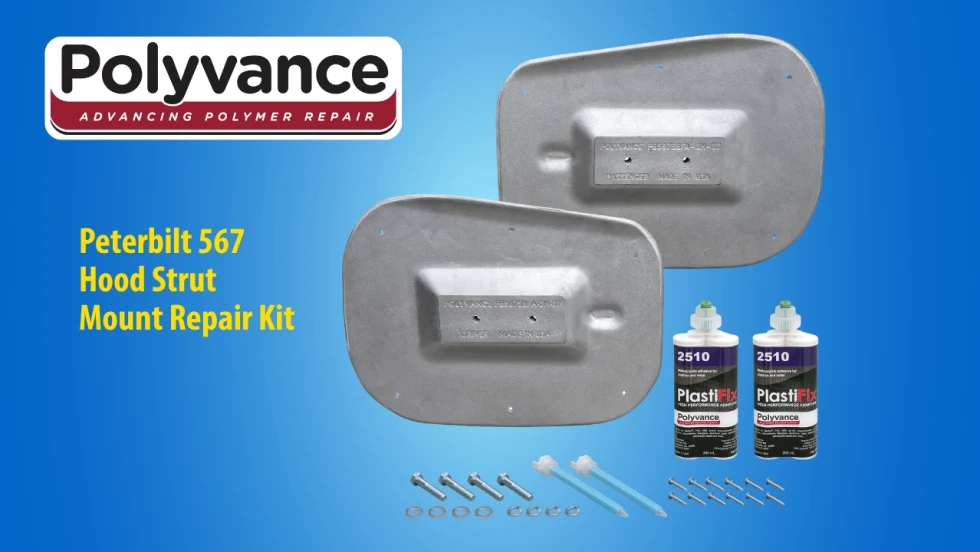
Polyvance Introduces New Peterbilt 567 Hood Strut Mount Repair Kit
Polyvance has launched a repair solution for Peterbilt 567 hood struts, helping truck owners and repair facilities avoid costly hood replacements.
Read More →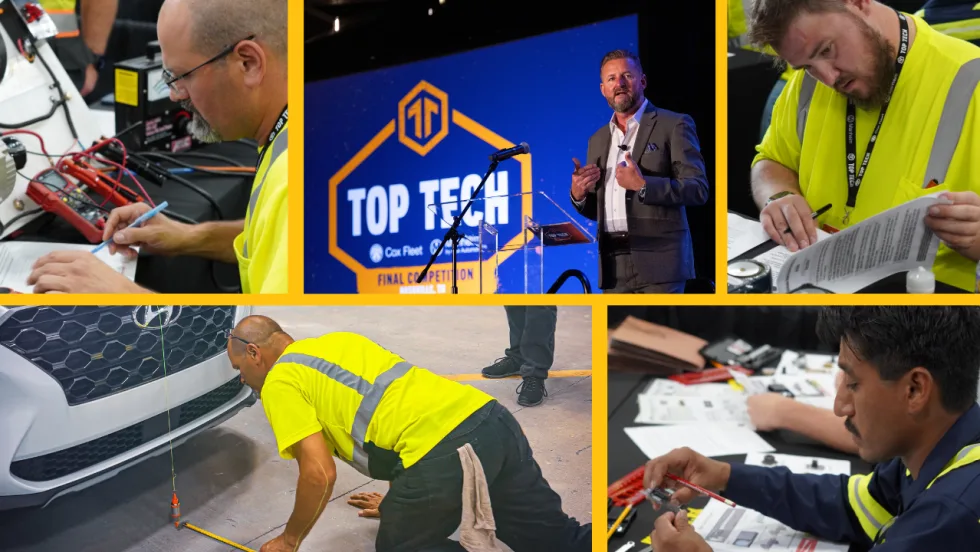
Cox Automotive Celebrates Technical Excellence at 2026 Top Tech Finals
The top technicians from Cox Fleet and Manheim tested their skills in Nashville, Tennessee, at Cox Automotive’s 2026 Top Tech Finals. The overall winners will advance to compete at the American Trucking Association’s TMC SuperTech competition.
Read More →
Grote Industries Appoints Vice President of North American Operations
Grote Industries has appointed Patrick Smith as vice president of North American operations as it celebrates 125 years of innovation and manufacturing excellence. He has more than 20 years of manufacturing leadership experience.
Read More →
Winter Fleet Prep: Expert Tips to Keep Vehicles Running Smoothly
Cold weather can expose weak batteries, tires, fuel systems, and maintenance gaps fast. Use this winter fleet checklist to prepare trucks and drivers before temperatures drop.
Read More →