





Upfitting Challenges: What Fits My Truck!?
Top 11 Tips for Spec’ing Equipment for Commercial Vehicle Fleets
Follow these 11 tips to enhance performance, productivity, and overall fleet efficiency.
July 13, 2023
Making informed decisions during the spec’ing process can save costs, improve performance, and enhance driver satisfaction.
Photo: Work Truck
4 min to read
As a business owner or commercial vehicle fleet manager, choosing the right vehicle for your commercial work trucks is essential, but what about the vocational equipment fleets use daily?
When picking the right equipment, there are many factors to consider, from safety to efficiency and cost-effectiveness.
Spec’ing equipment for commercial vehicle fleets is a crucial task that can significantly impact your fleet operations’ efficiency, productivity, and safety. Making informed decisions during the spec’ing process can save costs, improve performance, and enhance driver satisfaction.
Check out Work Truck’s top tips for commercial equipment spec’ing:
1. First, Know Your Fleet Needs
Before you start spec’ing your commercial work truck equipment, you must understand your overall business and fleet needs.
What kind of work will you be doing?
What type of terrain will you be working on?
What kind of loads will you be carrying?
Also, consider additional factors such as the type of cargo, distance traveled, terrain, climate, and required vehicle capabilities.
Understanding your needs will help you make informed decisions when choosing your equipment.
2. Assess the Vehicle’s Capabilities
Ensuring compatibility between the vehicle and equipment is essential to maintain optimal performance. Understand the specifications and limitations of the base vehicle before adding equipment.
Consider factors such as:
Payload capacity.
Wheelbase.
Powertrain options.
3. Determine the Specific Equipment Needs
Identify the specific equipment requirements for the work truck based on the tasks it will perform. Consider the industry, type of work, and operational demands.
Make a comprehensive list of equipment needed, such as utility bodies, cranes, winches, liftgates, storage compartments, or specialized racks.
4. Research Reputable Suppliers and Manufacturers
Work with reputable suppliers and manufacturers with a proven track record of providing reliable and high-quality equipment. Look for companies with a strong reputation, good customer reviews, and a history of delivering durable and well-designed products.
Need more help? Check out Bobit’s Fleet Solution Directory for more options for your fleet needs!
5. Consider Compatibility and Integration
Ensure that the equipment upfit onto the work truck is compatible with the vehicle’s existing systems and infrastructure.
For example, consider electrical requirements, hydraulic connections, mounting points, and structural reinforcements. Integration should be seamless and not compromise the vehicle’s performance or safety.
6. Evaluate Durability and Longevity
Choose equipment built to withstand the demands of your work environment and provide long-term durability. Equipment that withstands rough conditions and frequent use will minimize downtime and repair costs.
Consider the quality of materials, construction, and warranties the equipment manufacturer offers.
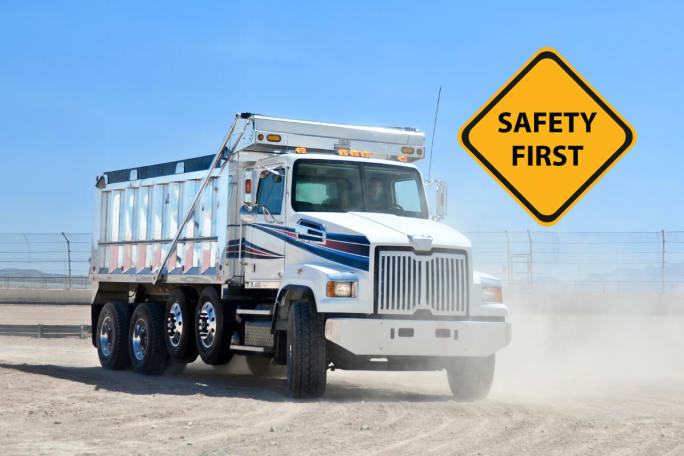
Compliance with local, regional, and national regulations is crucial to ensure the well-being of your drivers and adherence to legal requirements.
Photo: Work Truck
7. Seek Customization Options
Customization can enhance efficiency, productivity, and safety by tailoring the equipment to the unique requirements of your fleet.
Look for equipment suppliers who can offer customization options to meet your specific needs. This customization may include modifications to dimensions, features, or functionality.
8. Consider Maintenance and Serviceability
Evaluate the ease of maintenance and serviceability of the equipment. Opt for equipment that can be easily accessed, repaired, and maintained.
Consider the availability of spare parts and the level of technical support provided by the equipment manufacturer or supplier.
9. Factor in Driver Feedback
Involve the drivers’ input using the work trucks and upfit equipment. Their firsthand experience can provide valuable insights into usability, ergonomics, and functionality.
Consider their feedback to ensure the chosen equipment meets their needs and enhances their productivity and safety.
10. Plan for Future Needs and Scalability
Anticipate future needs and potential growth of your fleet. Choose equipment that allows for scalability and future upgrades as your requirements evolve.
This approach will minimize the need for premature equipment replacement and help optimize long-term fleet management.
11. Ensure Compliance with Safety Regulations
Verify that the equipment meets all necessary safety regulations and standards. These regulations will vary depending on the state you live in, be sure to check with local agencies for up-to-date information.
Safety should always be a top priority, and compliance with local, regional, and national regulations is crucial to ensure the well-being of your drivers and adherence to legal requirements.
Get Spec'ing!
By following these tips, fleet managers can make informed decisions when spec’ing equipment for work trucks, resulting in enhanced performance, productivity, and overall fleet efficiency.
Comment below and let us know what other tips you have to add!
Subscribe to Our Newsletter
More Vehicle Research
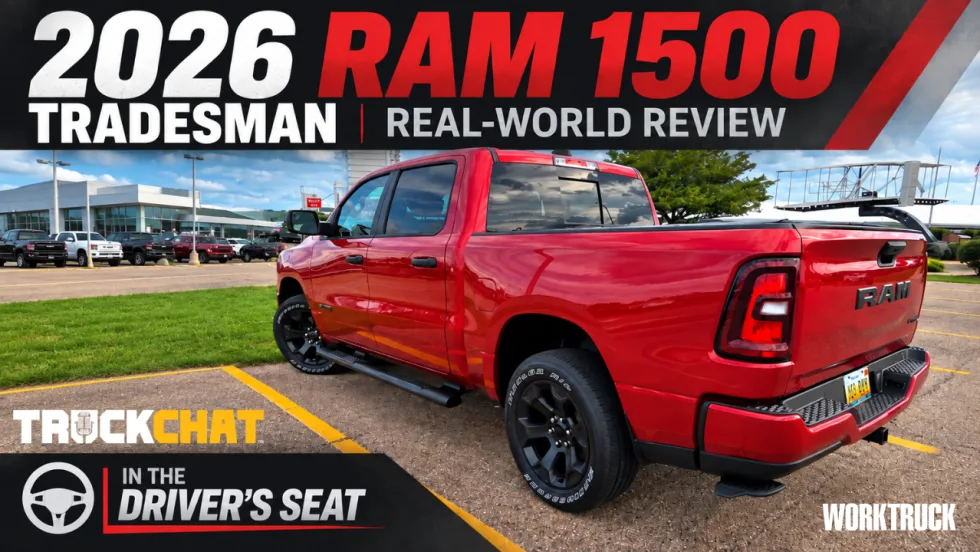
2026 Ram 1500 Tradesman Put to a Real-World Fleet Test
A few days behind the wheel of a 2026 Ram 1500 Tradesman turned into a test of visibility, parking, work-ready features, and even severe-weather driving.
Read More →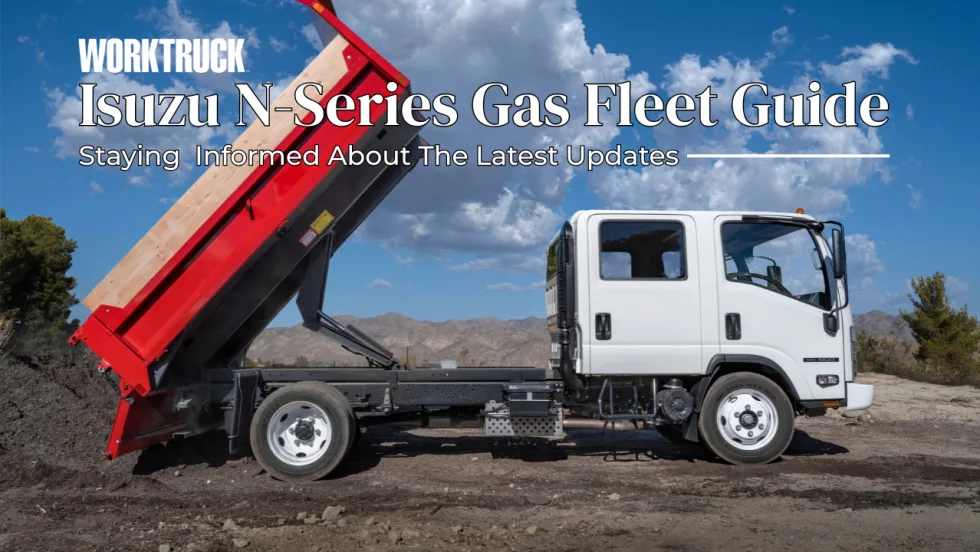
Isuzu N-Series Gas Fleet Guide: Specs, Capability and 2027 Model-Year Updates
Explore Isuzu Truck North America’s N-Series Gas fleet specs, engine performance, GVWR and payload capability, configurations, chassis dimensions, work-focused features, and 2027 model-year information.
Read More →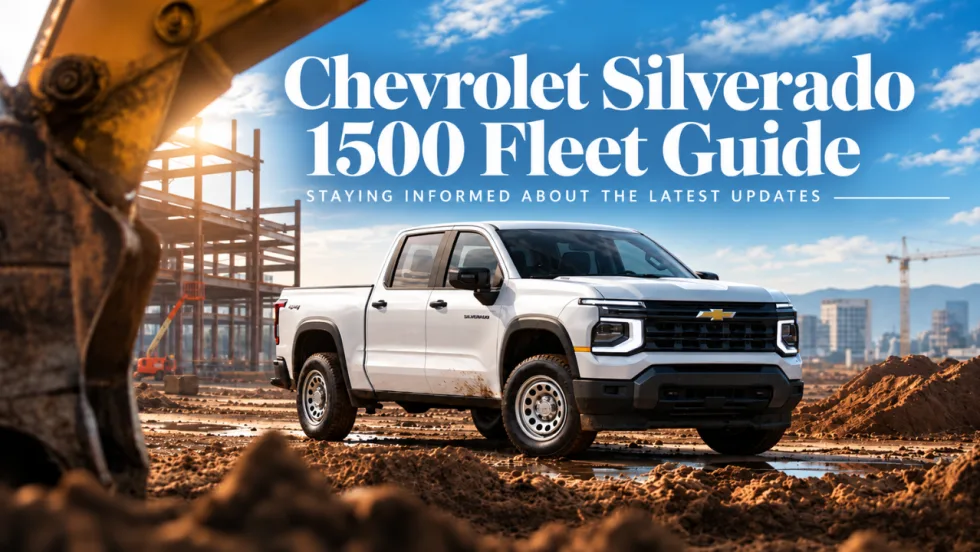
Chevrolet Silverado 1500 Fleet Guide Specs Capability and 2027 Model-Year Updates
The next-generation 2027 Chevrolet Silverado 1500 brings new V-8 engines, updated technology, expanded safety features, and a fleet-focused Work Truck. Here’s what commercial fleets need to know so far.
Read More →
Ram ProMaster City Fleet Guide Specs Cargo Capacity and 2027 Updates
Work Truck’s Ram ProMaster City Fleet Guide tracks the latest specifications, cargo capability, configurations, fleet technology, pricing, and model-year updates for Ram’s mid-size commercial van.
Read More →
Ford F-150 Fleet Guide Specs Capability and 2026 Model-Year Updates
Explore 2026 Ford F-150 fleet specs, engines, towing and payload capability, configurations, work features, technology, and model-year updates.
Read More →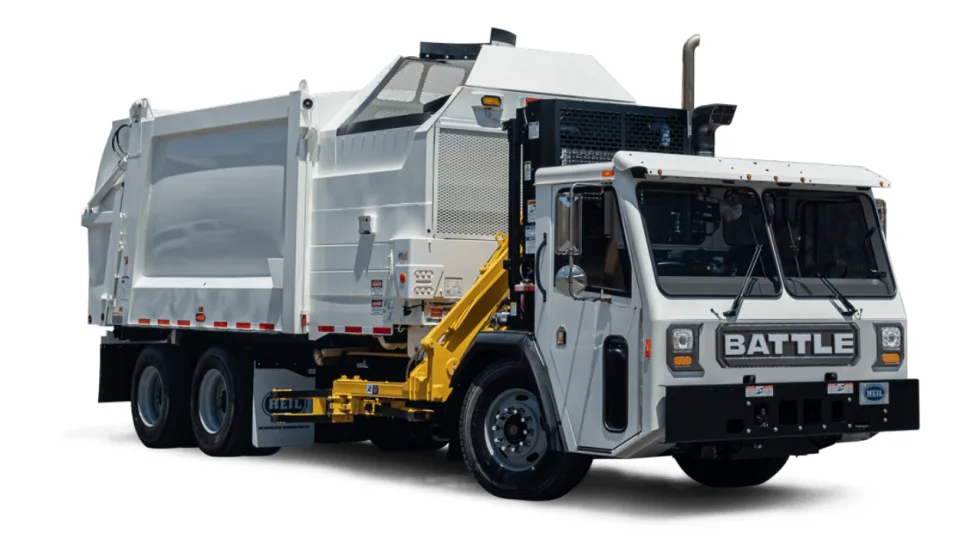
TCI Now Sells & Supports Battle Motors’ Vocational Trucks
Midwest truck dealer Truck Centers, Inc. (TCI) has expanded its transportation solutions with sales and service support for Battle Motors’ heavy-duty vocational trucks at locations in locations in Indiana, Illinois, and Missouri
Read More →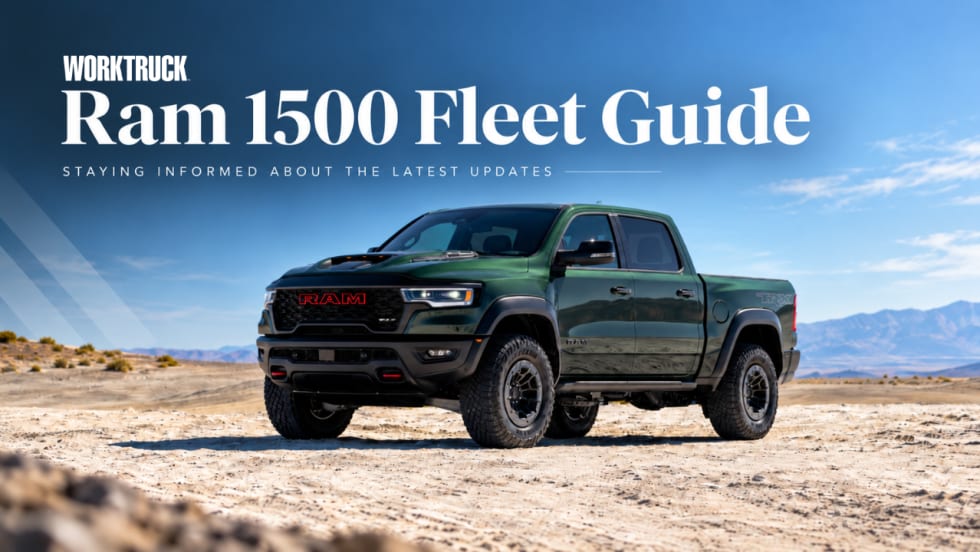
Ram 1500 Fleet Guide Specs, Capability and 2027 Model-Year Updates
Explore always up-to-date Ram 1500 fleet specs, engines, towing and payload capability, configurations, technology, pricing updates, and model-year changes.
Read More →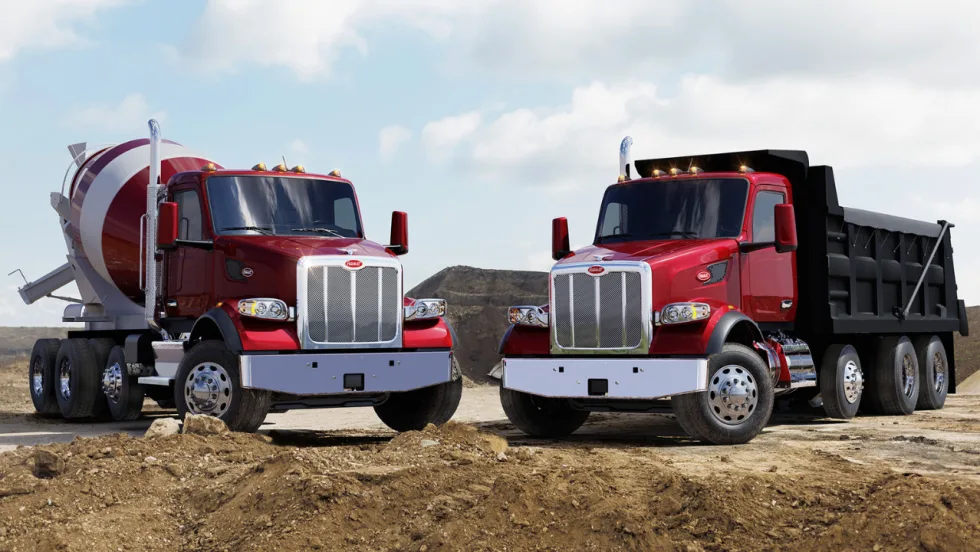
Peterbilt Trucks Equipped with Paccar TX-18 Pro Boost Efficiency for Maryland Fleet
Patuxent Companies is replacing aging trucks with the Peterbilt Model 567 and Model 589, specified with the Paccar TX-18 Pro 18-speed automated transmissions, and is reporting an 8% to 10% improvement in fuel economy.
Read More →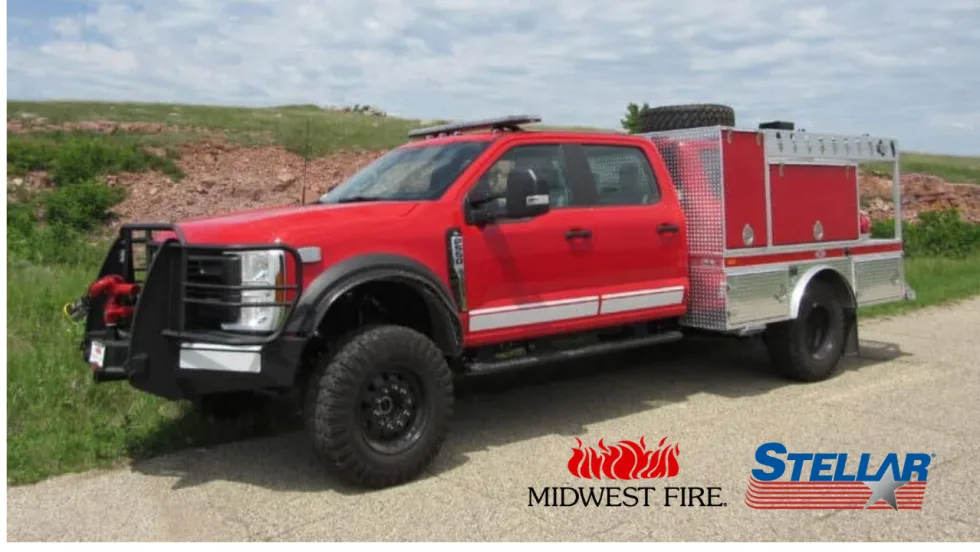
Stellar Expands into Fire Apparatus Market with Acquisition of Midwest Fire
Stellar Industries has acquired Midwest Fire, a custom fire apparatus manufacturer headquartered in Luverne, Minnesota, with nearly four decades of specialized apparatus experience.
Read More →
Recalls You Need to Know About in August 2026
If you have Altec, Chrysler, Ford, Heil, General Motors, International, Mack Trucks, Paccar, Rivian, Royal Truck, Toyota, US Truck Body, or Volvo Trucks vehicles in your fleet, you should check these important recalls issued by the National Highway Safety Administration.
Read More →