




About the Author: Cal Kanowitz, vice president of sales and marketing at Marion Body Works, uses industry knowledge to lead the sales process and the internal sales team. With more than a decade at Marion, he works closely with fleet customers to find truck body solutions that improve efficiency, durability, and long-term performance. This article was authored and edited following Work Truck editorial standards and style. Opinions expressed may not reflect those of WT.
Thinking Outside of the Box: Choosing the Right Truck Body for Your Fleet
Choosing the right truck body can have a major impact on loading efficiency, cargo protection, downtime, and long-term operating costs. Here’s how dry vans, platforms, and curtainsiders compare, plus what fleets should consider before spec’ing their next truck.
by Cal Kanowitz, Marion Body Works
September 1, 2026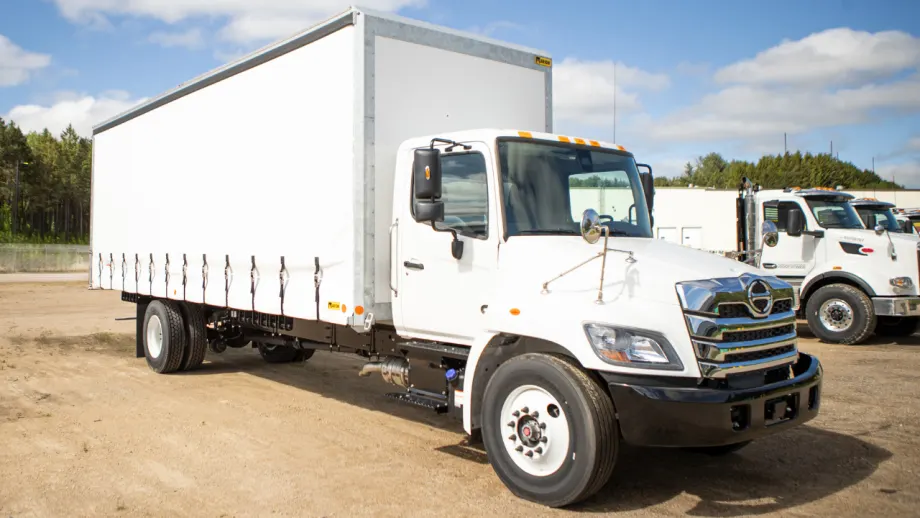
Curtainside bodies combine enclosed cargo protection with side access, helping operators load and unload palletized, long, or irregular materials more efficiently.
Credit:
Marion Body Works
4 min to read
- Choosing the right truck body is crucial for fleet efficiency and operator satisfaction, beyond chassis and engine specifications.
- Commercial truck bodies, categorized as dry vans, curtainsiders, and platforms, significantly impact loading, transport, and delivery processes.
- Dry vans are the industry standard due to their advantages in cargo protection and customization options.
*Summarized by AI
When fleet operators begin ordering new vehicles, one of the most important decisions is choosing the right truck body. Fleet operators often focus on chassis specifications, engine performance, and upfront costs. While those factors are important, one of the most impactful decisions happens behind the cab. Body configuration has a drastic effect on vehicle efficiency.
From how cargo is loaded, transported, and delivered, the right body can make the difference in your fleet's success and your operators' satisfaction.
Commercial truck bodies come in all shapes and sizes; most fall into three main categories: dry vans, curtainsiders, and platforms. Taking time to understand the capabilities of each can help fleet operators make better decisions when designing their fleet.
The Industry Standard: Dry Vans
Dry vans are the most common commercial truck body configuration. They have many advantages, especially when it comes to cargo protection and customization. The enclosed bodies offer protection from weather, road conditions, and even theft. Since they are typically used to transport consumer goods and industrial goods, product protection is of utmost importance.
Dry vans also provide fleet specializations that other truck bodies might not be able to. The ability to customize dry vans with interior shelving, liftgates, specialized flooring, and even insulation or refrigerated systems means they can meet your specific needs. Interior customizations are a bonus, as many fleets may transport different types of cargo interchangeably, making dry vans the most sustainable option for them.
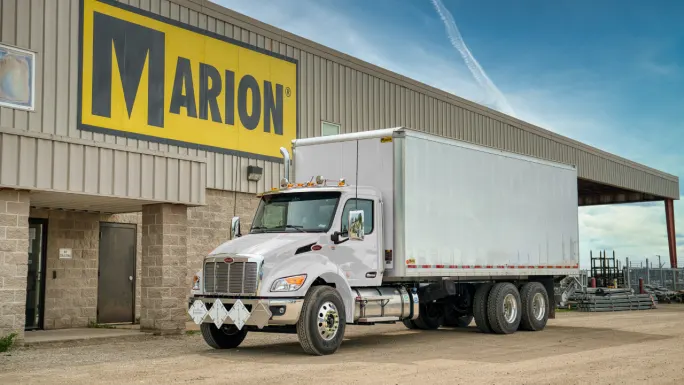
Dry van bodies protect cargo from weather and road conditions while giving fleets plenty of options for interior storage, liftgates, flooring, refrigeration, and other application-specific equipment.
Credit:
Marion Body Works
Haul Oversized Items with Platforms
Platform truck bodies, or flatbeds, are specifically designed for oversized cargo that cannot be easily loaded into an enclosed body, such as construction materials, lumber, and machinery. Without fixed sidewalls or a roof, platforms allow cargo to be loaded and unloaded from virtually any direction, including from above with a crane. This means platform bodies are the ideal solution for delivery points where a loading dock may not be available.
Platforms are also customizable; options include removable side rails, under-body boxes, stake pockets, and tie-down points. They can also transport items that exceed standard size restrictions. For contractors, builders, and industrial transportation, platforms provide the most flexible choice.
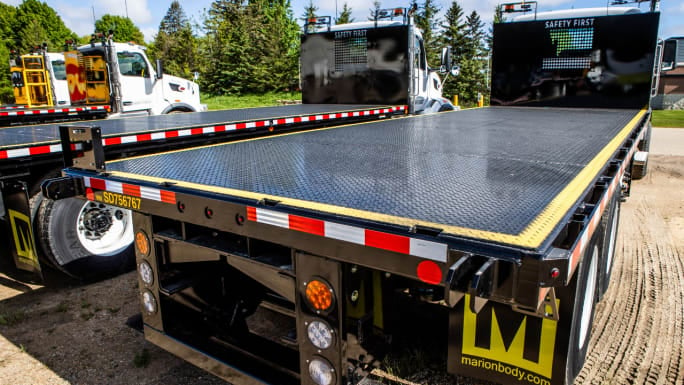
Platform truck bodies provide open access from the sides, rear, and above, making them well suited for oversized materials, equipment, and jobsites without traditional loading docks.
Credit:
Marion Body Works
Efficiency of Curtainsiders
Combining the cargo protection of an enclosed body with the accessibility of a platform, curtainsiders feature retractable side curtains that allow cargo to be accessed from multiple points. Curtainsiders are particularly valuable for landscaping and home improvement providers that require both cargo protection and efficient access in the field.
The ability to open one or both sides allows teams to access the product from multiple points, meaning multiple forklifts can simultaneously unload material, ultimately reducing downtime. Additionally, curtainsiders allow operators to quickly load and unload palletized products, long materials, and other irregular freight that may not fit through the rear doors of a dry van.
Environment & Customization Matters
The ideal truck body isn't determined solely by what you're hauling; it's also influenced by where and how deliveries occur. Curtainsiders and platforms allow for flexible unloading in the field with a forklift or cranes, while dry vans are easier to unload at warehouses with dedicated loading docks. Evaluating delivery environments and efficiency should weigh heavily on truck body choices.
Once settled on a body type, fleet operators should also work with their truck manufacturer to customize it to their exact needs. Common customizations include:
- D-rings and cargo securement systems
- Flooring choices: aluminum or apitong
- Liftgates, rail gates, or walk-ramps
- Refrigerated systems
- Interior shelving or storage systems
- Bulkheads and protective barriers
- Polished finishes and graphics
These customization options have a significant impact on the vehicle's efficiency and operator's safety and satisfaction.
Looking Beyond Cost
Fleet operators often make their purchasing decisions based solely on price. While cost is important, a lower-priced option may not always offer customization or promise longevity. It’s important to take the following into consideration when vetting fleet options:
- Build quality
- Materials: corrosion resistance, durability, weight
- Customer service and support
A truck body that requires fewer repairs leads to less downtime and lower maintenance costs, which provides a longer service life than a lower-cost alternative. Taking a long-term view of ownership costs often reveals that investing in quality construction delivers greater value over the lifespan of the truck body.
More Than Just a Truck Body
A truck body is more than just a means of carrying cargo; it plays a critical role in a fleet's productivity. The right body will protect cargo, improve loading efficiency, and reduce downtime. Fleet operators should carefully evaluate loading environments, cargo requirements, and long-term goals to ensure that the vehicles they choose are properly equipped for their job.
Ultimately, the right truck body is an investment in longevity and operational efficiency.

Credit:
Marion Body Works | Work Truck
Quick Answers
Selecting the right truck body is crucial because it significantly affects vehicle efficiency, cargo handling, and can influence the overall success and satisfaction of both the fleet's performance and its operators.
*Summarized by AI
Subscribe to Our Newsletter
More Upfitting
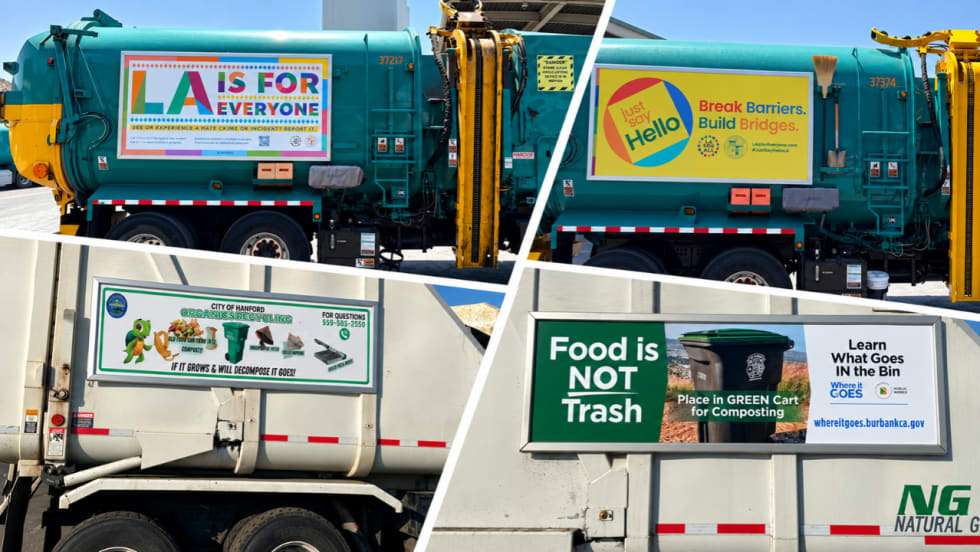
Spec It or Retrofit It: Planning Truck-Side Signage Before the Body Is Built
Whether you're ordering new refuse trucks or adding signage to an existing fleet, here's what to know about frame placement, mounting, installation, and maintenance.
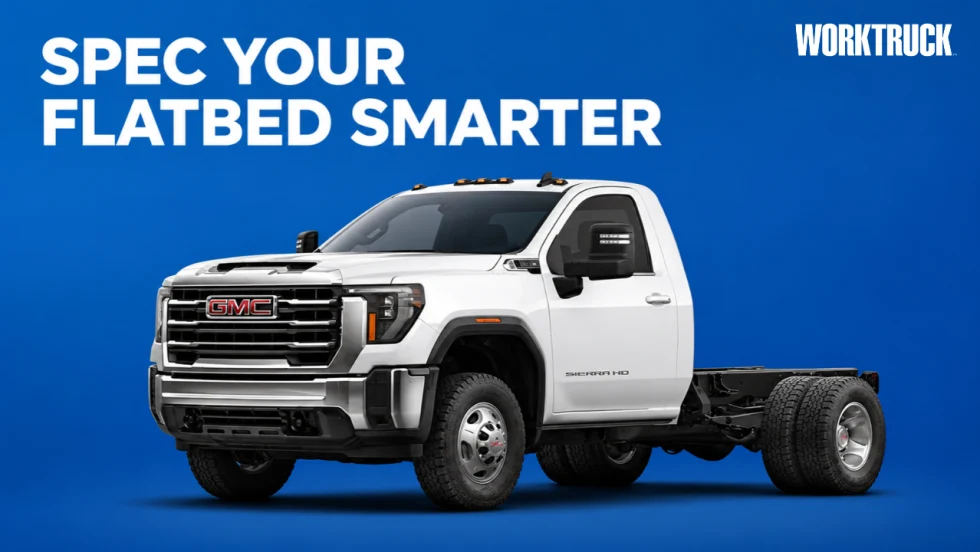
20-Point Checklist: Spec’ing Flatbed Trucks
While flatbeds may seem basic, there are several options to consider that impact cost, payload capacity, fuel economy, and crew productivity. Here are 20 points to consider.
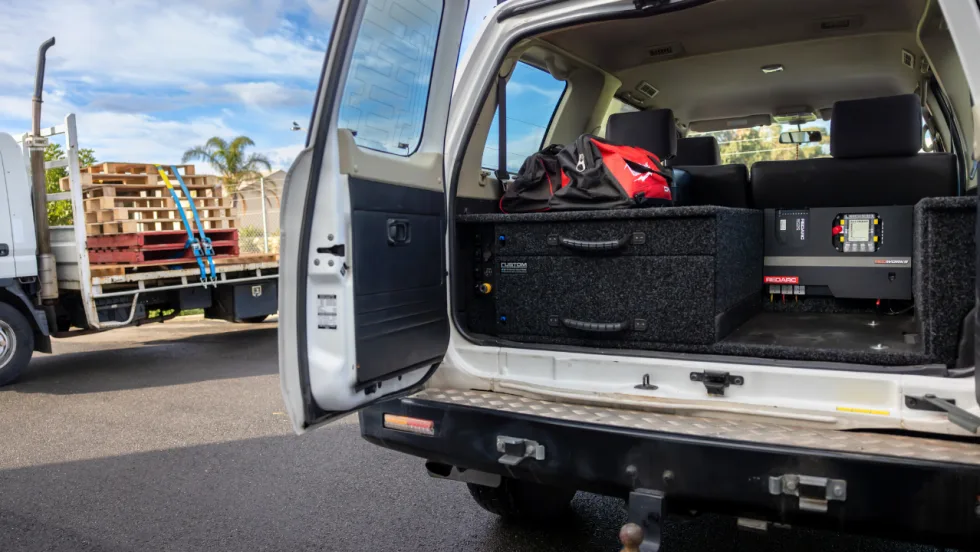
REDARC Launches REDWorks Power Panels to Simplify Mobile Power
REDARC pre-wired systems simplify parts selection and installation for onboard vehicle power. REDWorks Power Panels recharge auxiliary batteries from the vehicle and solar power, keeping mobile equipment and everyday comforts powered while driving, working, or away from an outlet.



Vote for the 2027 Upfit Package of the Year
Which upfits are built for the way your crews work? Meet the 2027 nominees across four categories and help choose this year’s winners.

DECKED Expands Signature Drawer System to Most Popular SUVs
DECKED's signature Drawer System, a fixture in truck beds since 2014, now fits a full lineup of SUVs, including the Jeep Wrangler, Toyota 4Runner, Ford Bronco, Toyota Land Cruiser, and more.
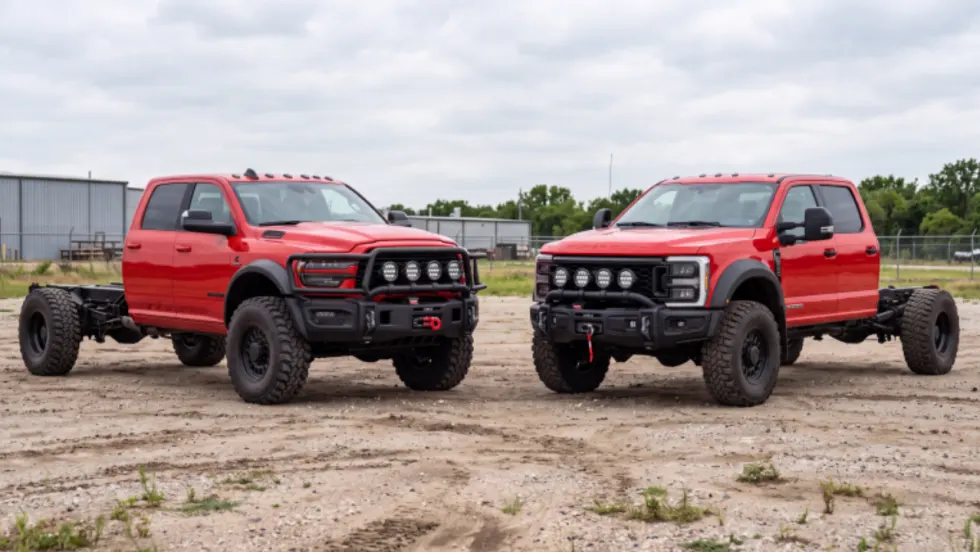
Acela Adds Ford and Ram Platforms With DuraLink Suspension
Acela adds Class 3-5 Ford and Ram chassis with DuraLink suspension, giving upfitters new options for demanding on- and off-road fleet applications.
Re-rating Gross Vehicle Weight Ratings (GVWR): Why and How it's Done
Sometimes, it is not in a fleet’s best interests to have a vehicle at a given GVWR. Changing the GVWR to a special value can be done, but the process is complicated.
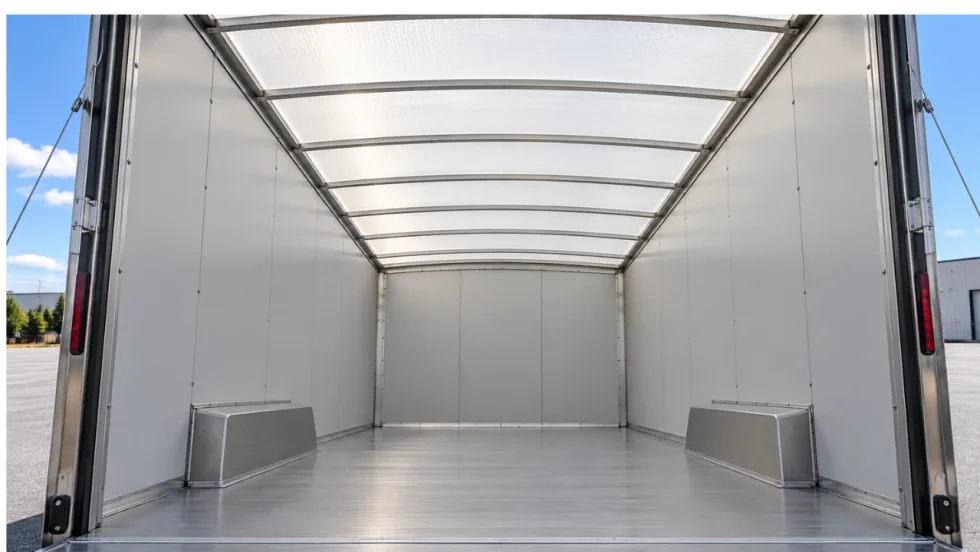
Tekmodo Introduces CargoBright Brand of Translucent Roofs
CargoBright is designed to diffuse daylight across the cargo area while performing as a working vehicle roof. Its reinforced composite construction is designed for impact, abrasion, moisture exposure, and UV exposure.
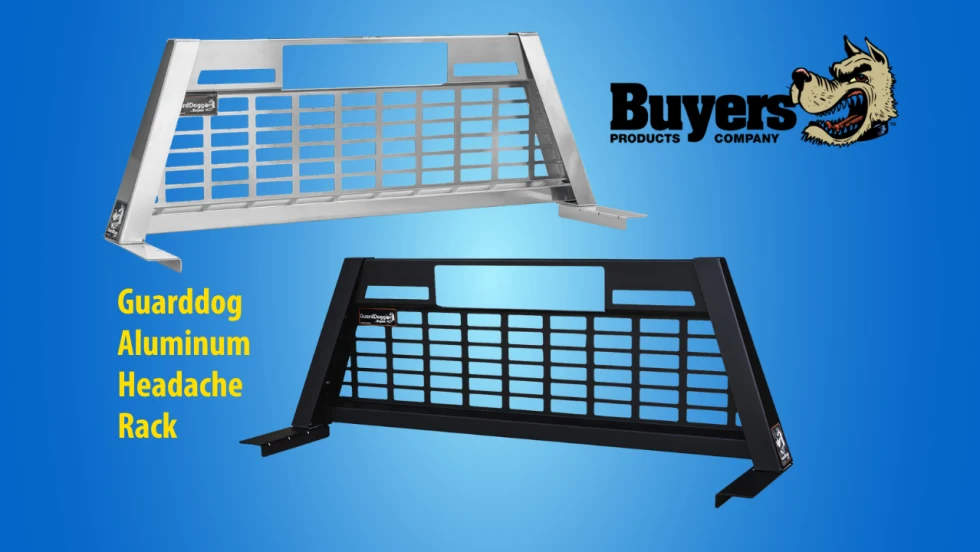
Buyers Products Expands Popular GuardDogg Headache Rack Line
Buyers Products’ aluminum GuardDogg headache rack is now available to contractors, construction crews, and utility fleets that want to reduce vehicle weight without sacrificing functionality.
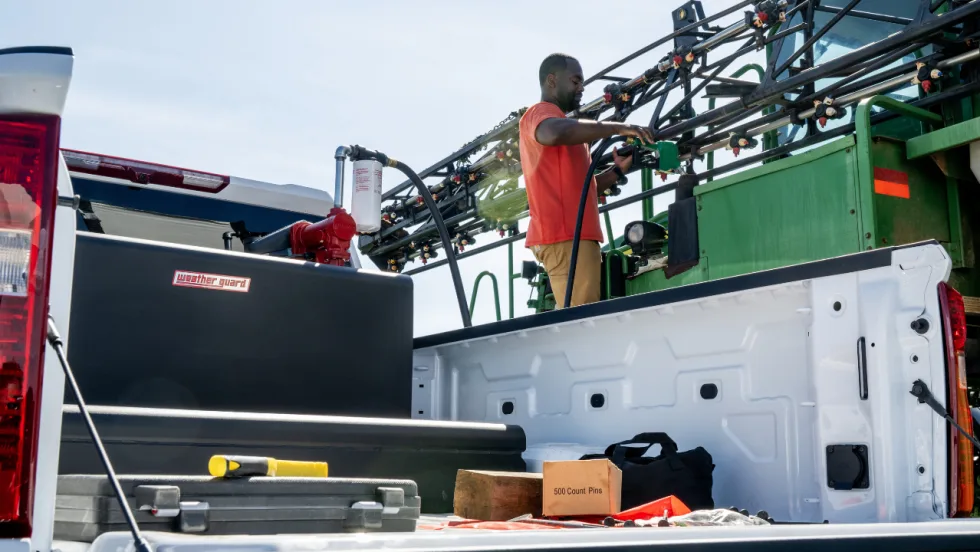
New Weather Guard Transfer Tank Engineered to Reduce Downtime and Improve Fleet Productivity
Weather Guard completely redesigned its line of transfer tanks to improve durability, simplify installation, and keep equipment running in demanding field conditions.