





2023 Update: Survey - 37% of U.S. Drivers Texted Behind the Wheel in Past Month
Texting While Driving: A Major No-No!
Texting while driving, one of the latest forms of driver distraction, poses significant accident risks and has gained the attention of lawmakers developing anti-texting laws.
January 15, 2009
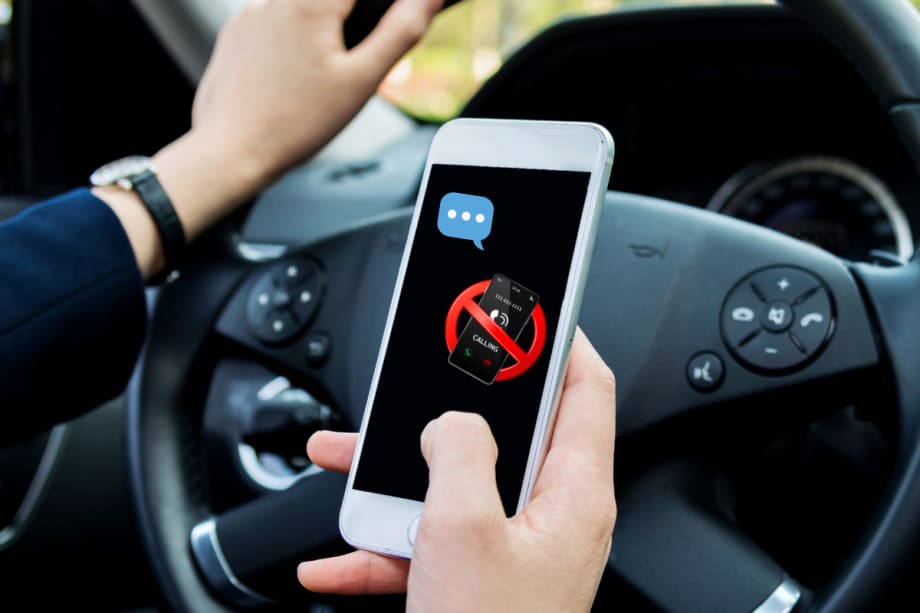
Cell phones with text-messaging capabilities further increase the risk of driver distraction.
Photo: Automotive Fleet
3 min to read
Driving while texting on an electronic device is the major driver distraction danger.
A study by the National Highway Traffic Safety Administration (NHTSA) distracted driving is dangerous, claiming 3,522 lives in 2021. According to a NHTSA and VTTI study, the principal distraction that led to vehicle crashes include:
Cell phone use.
Reaching for moving objects inside the vehicle.
Looking at an object or event outside of the vehicle.
Reading while driving.
Applying makeup.
Cell phones with text-messaging capabilities further increase the risk of driver distraction.
In December 2006, a 71-year-old woman was awarded $4.1 million because a company driver ran a red light. He was distracted by his BlackBerry’s navigation, which he was using to help locate his destination, and crashed into the woman, leaving her with serious and permanent injuries. The situation would have been avoided had the driver kept his eyes on the road and both hands on the steering wheel.
Safety Concerns Keep Fleets on Guard
Increasingly, fleet managers rank driver safety among their top two challenges (after the cost of fuel). One reason for heightened concern, fleet managers report, is an increase in preventable accidents, with the root cause of driver distraction. A contributing factor to these preventable accidents is the increased workload of company drivers.
Drivers multitasking while operating their company cars has become a common practice and is a major factor in driver distraction. Use of text messaging while driving is a dangerous habit. Drivers who engage in mobile texting spend about 400-percent more time taking their eyes off the road and are 70% less likely to stay in their lane, according to an Australian study.
It is not uncommon to see drivers resting a cell phone on top of the steering wheel while using their thumbs to tap in a text message. A driver talking on a cell phone can watch the road, but someone responding to a text message must stare at his or her hands.
In May 2007, the state of Washington passed the nation’s first driving while texting (DWT) ban, followed by New Jersey and the City of Phoenix. Washington’s state legislators took action after a 53-year-old male driver, checking his e-mail, caused a five-car pileup on Interstate 5 outside Seattle in December 2006, said state representative Joyce McDonald. “I was able to use that accident and show it wasn’t just young people doing this.”
California enacted a cell phone law last July prohibiting driving while talking on handheld cell phones. State Senator Joe Simitian of Palo Alto, Calif., subsequently introduced a new bill to ban adult DWT. The state of California already prohibits 16- and 17-year-olds from using any device to talk or text while driving.
“Cell phones are the number one cause of distracted driving accidents in California. And accidents by drivers using handheld cell phones outnumber those driving hands-free by a ratio of something like 15 to one. The difference between hand-held and hands-free is the difference between life and death,” Simitian told Palo Alto Weekly.
In 2007, the City of Phoenix jumped on the DWT ban bandwagon and Scottsdale also is considering such a ban.
Scottsdale Transportation Commission member condemned the practice of DWT, calling it “per se dangerous,” “intolerable,” and “unsafe.”
Bottom Line on Texting & Cell Phone Distractions
Text messaging is fine when you’re sitting at an airport or at home, but not while driving.
Fleets need to get ahead of the curve and proactively prohibit this activity. Drivers need to be placed on notice that there is zero tolerance to use these devices while driving a company vehicle. This is not only to safeguard the company and its assets, but also to protect the employee, a company’s greatest asset.
Originally posted on Automotive Fleet
Subscribe to Our Newsletter
More Safety
When Work Trucks Under 26,001 Pounds Need IRP Registration
Think trucks under 26,001 pounds are automatically in the clear when it comes to IRP? Not always. Learn where lighter vehicles can still run into trip permit, apportioned registration, and IFTA compliance requirements when crossing state or provincial lines.
Read More →
Volvo Trucks Releases New Safety Recommendations for Traveling with Pets
One of the most important recommendations for professional drivers traveling with pets is to ensure pets are properly restrained while the truck is moving. Other tips are available in the new guide from Volvo Trucks North America and Center for Pet Safety.
Read More →
API Issues Refueling Safety Guidelines
The American Petroleum Institute offers a list of safe vehicle refueling guidelines, including ways to avoid potential problems with static electricity discharges in fall, winter, and early spring.
Read More →
Winter Fleet Prep: Expert Tips to Keep Vehicles Running Smoothly
Cold weather can expose weak batteries, tires, fuel systems, and maintenance gaps fast. Use this winter fleet checklist to prepare trucks and drivers before temperatures drop.
Read More →
When a Work Truck Breaks Down, the Job Can Stop, Too
A work truck breakdown can stop more than the vehicle. Discover how payloads, jobsites, and specialty equipment change the roadside response.
Read More →
What Stronger Long-Term Fleet Service Partnerships Actually Require
Fleet service partnerships rarely fall apart all at once. Learn the three warning signs that trust is eroding and what fleets and providers can do before downtime, frustration, and lost revenue follow.
Read More →
Applause & TRUCE Software Partner to Improve Driver Safety Through AI-Powered Telematics & Employee Performance Management
Applause has integrated TRUCE driving metrics directly into its employee-first performance and safety platform that transforms mobile devices into AI-powered telematics.
Read More →
How Detroit Assurance with Active Brake Assist Works
Do you want to see what it is like to experience Detroit Assurance’s Active Brake Assist? In this video, Work Truck will put you in the cab to see how it all works and then hear more details from DTNA’s Mike Young.
Read More →
Get Left of Loss: A 5-Step Workplace Violence Prevention Framework for Fleet Operators
Violence risks do not stop at the driver’s door. Learn five practical steps fleets can take to spot threats early and protect workers before loss occurs.
Read More →
Sponsored•July 17, 2026
How Better Visibility Cut Speeding Violations by 48%
Fleet leaders don't need more data, they need clearer visibility into what the data is saying. This case study explores how one utility replaced speeding-event counts with a single metric — miles driven in violation — to strengthen safety and significantly reduce speeding violations.
Read More →