




Rehire or Return? How to Handle Driver Files the Right Way
Find out when to create a new driver qualification file, what to update, and how to handle DOT testing after driver leave or termination.
October 23, 2025


What are your recordkeeping obligations when a driver is hired back following a break in employment?
Photo: Work Truck
4 min to read
Whether it’s seasonal furloughs, temporary layoffs, leave of absence (LOA), or the permanent severing of driver employment, knowing your recordkeeping obligations is imperative if these drivers return.
How you handle the driver’s file hinges on your response to these questions:
Was the employment relationship severed (no intent of returning), or
Was the time away from work temporary, with the understanding that the driver would be recalled or come back?
What Happens to a Driver’s File After Termination or Rehire?
When a driver resigns or is terminated, it is considered a break in employment. The rehire is treated the same as any other new hire. However, you may be able to recycle a few items from the previous driver qualification (DQ) file:
Road test/certificate, if completed less than three years ago.
Medical certificate (for drivers who are not commercial driver’s license (CDL) holders), if still valid.
Safety performance histories from previous employers, if the information pertains to the three years that preceded the rehire date.
If the items above don’t qualify, you will need to generate them from scratch. Additional items that need to be re-created include:
Driver application with the rehire date as the point of reference for the three years’ worth of information.
A new-hire motor vehicle report (MVR). For CDL drivers, this new MVR is used to check medical status and alerts the carrier to any driver physicals performed during the absence.
Safety performance histories for DOT employers not covered in the original DQ file.
Documents from the driver’s original DQ file that are not reused must be retained in the same manner as a driver who never returned (i.e., three years from the date of termination).
Do You Need a New Driver Qualification File After a Temporary Leave?
In situations where the driver was considered an employee during the period away and expected to return, a new DQ file is not necessary.
Upon return, the motor carrier must bring the existing DQ file up to date if anything is due during the absence (e.g., annual MVR). The DQ file must be compliant prior to operating a commercial motor vehicle (CMV) for you again.
If something was due during the leave, it’s recommended that you place a note in the file with dates of the absence, so it doesn’t appear the driver was operating a CMV with an incomplete DQ file. This note would be kept for three years, alongside the renewable item, and purged when the document is removed from the file.
How Should Fleets Handle DOT Drug and Alcohol Testing When Drivers Are on Leave?
If a driver leaves and returns to a position requiring a CDL, the driver must remain in the DOT random drug and alcohol pool if expected to return. You can safely remove drivers from the roster if you don’t anticipate they will come back or they were terminated.
If a driver is kept in the program and randomly selected during an absence, you can address this in a couple of ways.
If the driver returns:
Prior to the end of the testing period, the driver is notified and sent for testing upon return.
After the testing cycle ends, the carrier documents why the test was not completed.
If a missed test leaves the carrier short on completed tests for the year, they can:
Select at a higher rate in another selection during the year; or
Select an alternate if they know for sure the original driver will not return in time.
Many carriers opt to test at a higher rate rather than addressed missed or canceled tests as they occur.
Drivers who are removed from the testing program must have a new pre-employment drug test unless the exception in 382.301(b) is met. The carrier must also run a new pre-employment query of the Clearinghouse, investigate DOT drug and alcohol violations under other modes (40.25), and reissue the company/policy educational materials.
How Can Fleets Avoid Driver File Mistakes and Stay Compliant?
Remember, a rehire is handled differently than someone who is expected to return after a temporary leave. To avoid recordkeeping violations, make sure your driver’s status is properly classified.
Subscribe to Our Newsletter
More Safety
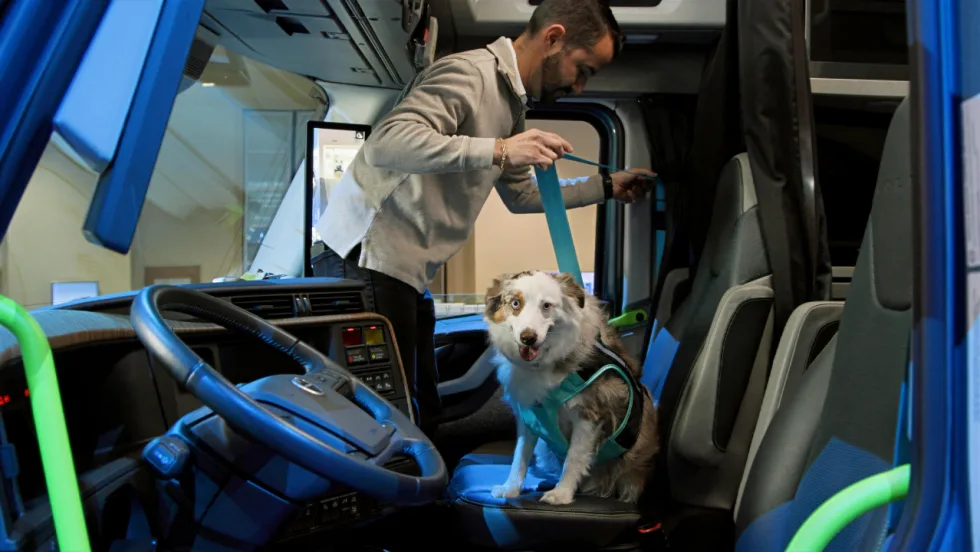
Volvo Trucks Releases New Safety Recommendations for Traveling with Pets
One of the most important recommendations for professional drivers traveling with pets is to ensure pets are properly restrained while the truck is moving. Other tips are available in the new guide from Volvo Trucks North America and Center for Pet Safety.
Read More →
API Issues Refueling Safety Guidelines
The American Petroleum Institute offers a list of safe vehicle refueling guidelines, including ways to avoid potential problems with static electricity discharges in fall, winter, and early spring.
Read More →
Winter Fleet Prep: Expert Tips to Keep Vehicles Running Smoothly
Cold weather can expose weak batteries, tires, fuel systems, and maintenance gaps fast. Use this winter fleet checklist to prepare trucks and drivers before temperatures drop.
Read More →
When a Work Truck Breaks Down, the Job Can Stop, Too
A work truck breakdown can stop more than the vehicle. Discover how payloads, jobsites, and specialty equipment change the roadside response.
Read More →
What Stronger Long-Term Fleet Service Partnerships Actually Require
Fleet service partnerships rarely fall apart all at once. Learn the three warning signs that trust is eroding and what fleets and providers can do before downtime, frustration, and lost revenue follow.
Read More →
Applause & TRUCE Software Partner to Improve Driver Safety Through AI-Powered Telematics & Employee Performance Management
Applause has integrated TRUCE driving metrics directly into its employee-first performance and safety platform that transforms mobile devices into AI-powered telematics.
Read More →
How Detroit Assurance with Active Brake Assist Works
Do you want to see what it is like to experience Detroit Assurance’s Active Brake Assist? In this video, Work Truck will put you in the cab to see how it all works and then hear more details from DTNA’s Mike Young.
Read More →
Get Left of Loss: A 5-Step Workplace Violence Prevention Framework for Fleet Operators
Violence risks do not stop at the driver’s door. Learn five practical steps fleets can take to spot threats early and protect workers before loss occurs.
Read More →
Sponsored•July 17, 2026
How Better Visibility Cut Speeding Violations by 48%
Fleet leaders don't need more data, they need clearer visibility into what the data is saying. This case study explores how one utility replaced speeding-event counts with a single metric — miles driven in violation — to strengthen safety and significantly reduce speeding violations.
Read More →
13 Safe Driving Tips for Commercial Vehicle Drivers
Make sure you are spending time on the road safely with these important tips.
Read More →