




Protect Your Fleet: How HNOA Insurance Secures Business on the Move
Protect your business from costly claims with Hired & Non-Owned Auto (HNOA) insurance. Learn how coverage and tech solutions safeguard your fleet operations.
by Lisa Paul, Hub International
December 17, 2024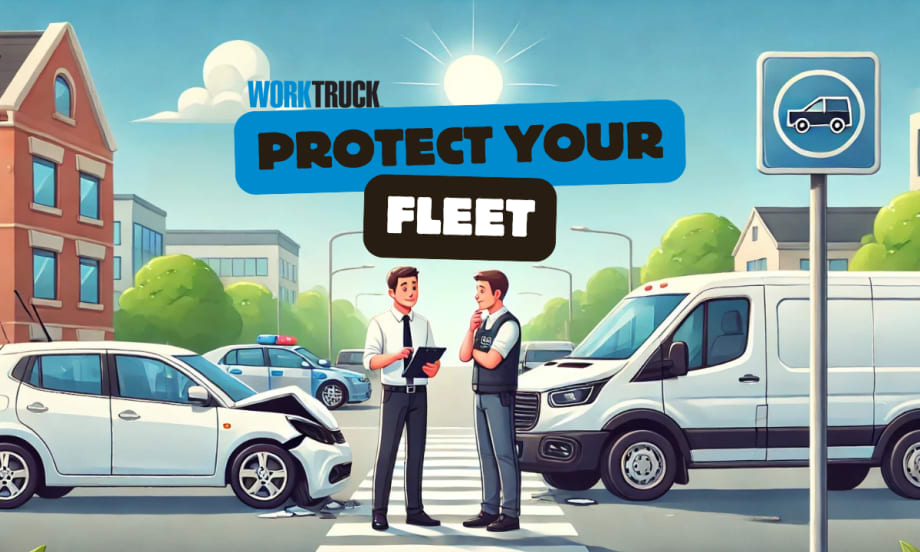
HNOA insurance provides essential protection to ensure businesses operate with peace of mind.
Photo: Photo: This is an AI-generated image. Refer to our Terms of Use.
3 min to read
Managing vehicle fleets is essential for the day-to-day operations of many businesses. However, reliance on work trucks and vehicles not owned by the company, whether through employee-owned cars or rented vehicles, introduces unique risks. Hired and non-owned auto (HNOA) insurance can be a crucial safeguard, offering financial protection for your business.
Fleet managers and operations professionals in construction, utilities, and public works often must address the complexities of non-owned vehicle usage.
Whether an employee uses a personal vehicle to deliver supplies or pick up mail or a contractor rents vehicles for job-site use, HNOA insurance helps protect companies from the financial fallout of accidents, injuries, or property damage that may occur while vehicles are used for business purposes.
Why Your Business Needs HNOA Insurance
Hired and non-owned auto liability is a significant risk for many organizations, yet it often goes overlooked or underestimated.
Over the last decade, commercial auto insurance claim costs have surged by over $20 billion. Without appropriate HNOA coverage, companies risk significant financial exposure in the event of an incident. Protecting your fleet-dependent business with the right insurance policy is essential to avoid unexpected liabilities like this.
While a driver's personal auto insurance is typically the first to respond, many personal policies contain exclusions or reduced liability limits when vehicles are used for business. If a claim exceeds the driver's coverage, the company they work for or are contracted to may be liable for any damages.
HNOA insurance protects businesses by covering property damage, injury, or death caused by employees or third-party contractors while driving for company purposes. This coverage is often added as an endorsement to a business's general liability or commercial auto policy. It may also extend to losses like theft from a non-owned vehicle or physical damage to a driver's vehicle during business use.
While smart to have, implementing HNOA coverage can be complex. Fleet managers must ensure compliance with driver qualifications, maintain proper documentation, and enforce regulatory standards. This is particularly critical when working with third-party contractors, who often use their own vehicles. Your business could be exposed to significant liability risks without adequate compliance checks.
Additionally, organizations must navigate a web of local, national, and international regulations, staying updated on changing compliance requirements while balancing the costs of HNOA coverage against factors like driver behavior, vehicle conditions, and accident histories.

Fleet safety starts with properly managing the risks associated with non-owned vehicle use.
Photo: Work Truck
Adopt Technology-Driven Solutions to Streamline HNOA Fleet Management
Technology-driven solutions can significantly reduce the administrative burden of managing HNOA fleets.
These platforms can automate critical tasks, such as onboarding documentation and compliance checks on insurance coverage and valid licenses, easing the administrative load while ensuring that every driver and vehicle meets the requirements.
By offering real-time access to insurance data, technology platforms enable businesses to make informed decisions and address the challenges of HNOA insurance. These proprietary platforms allow businesses to onboard drivers, perform compliance checks, monitor driver behavior, and integrate insurance coverage—all in one place.
Additionally, such platforms enhance telematics and collision detection, enabling faster claims through first notice of loss and integrating usage-based insurance models based on trip mileage or revenue. These tools can help pinpoint performance issues, offer real-time driver location tracking, enhance communication, and support accident investigations, all while ensuring adherence to pre-trip inspection protocols. Such systems can even deduct business-related insurance costs from payments made to contracted drivers.
By centralizing data and offering an intuitive interface, fleet organizations can demonstrate their commitment to safety and compliance, which can positively impact underwriting decisions, reduce insurance premiums, and improve financial performance.
Safeguard your Fleet
Managing the risks of non-owned and hired vehicles is essential for fleet-reliant businesses. As businesses increasingly rely on employee and contractor-driven vehicles for operations, securing proper coverage helps shield organizations from costly claims and liabilities while ensuring operational efficiency.
Fleet managers can reduce risk and focus on growth by integrating technology-driven solutions and staying compliant. Consult your insurance agent or broker to tailor the right coverage to ensure your business is fully protected.
Subscribe to Our Newsletter
More Safety & Compliance
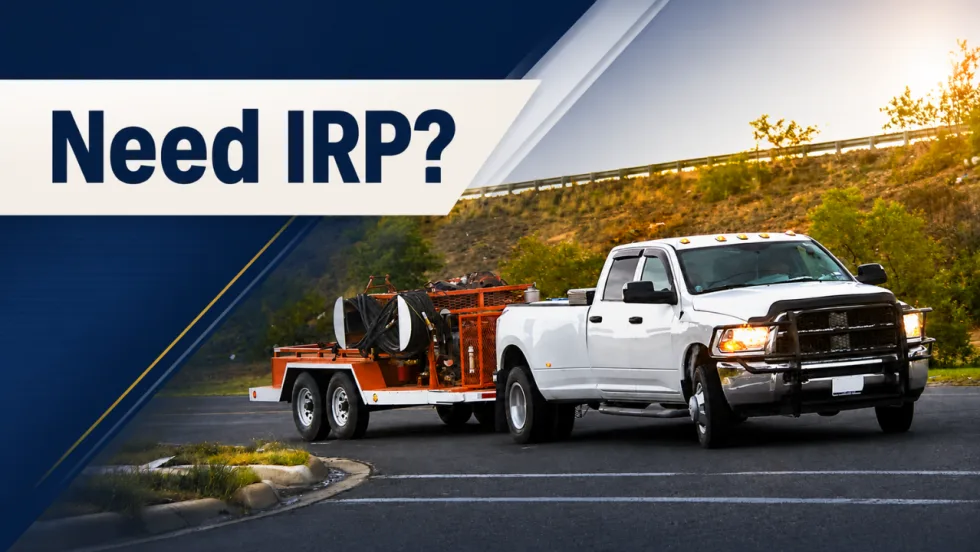
When Work Trucks Under 26,001 Pounds Need IRP Registration
Think trucks under 26,001 pounds are automatically in the clear when it comes to IRP? Not always. Learn where lighter vehicles can still run into trip permit, apportioned registration, and IFTA compliance requirements when crossing state or provincial lines.
Read More →
Volvo Trucks Releases New Safety Recommendations for Traveling with Pets
One of the most important recommendations for professional drivers traveling with pets is to ensure pets are properly restrained while the truck is moving. Other tips are available in the new guide from Volvo Trucks North America and Center for Pet Safety.
Read More →
API Issues Refueling Safety Guidelines
The American Petroleum Institute offers a list of safe vehicle refueling guidelines, including ways to avoid potential problems with static electricity discharges in fall, winter, and early spring.
Read More →


Winter Fleet Prep: Expert Tips to Keep Vehicles Running Smoothly
Cold weather can expose weak batteries, tires, fuel systems, and maintenance gaps fast. Use this winter fleet checklist to prepare trucks and drivers before temperatures drop.
Read More →
When a Work Truck Breaks Down, the Job Can Stop, Too
A work truck breakdown can stop more than the vehicle. Discover how payloads, jobsites, and specialty equipment change the roadside response.
Read More →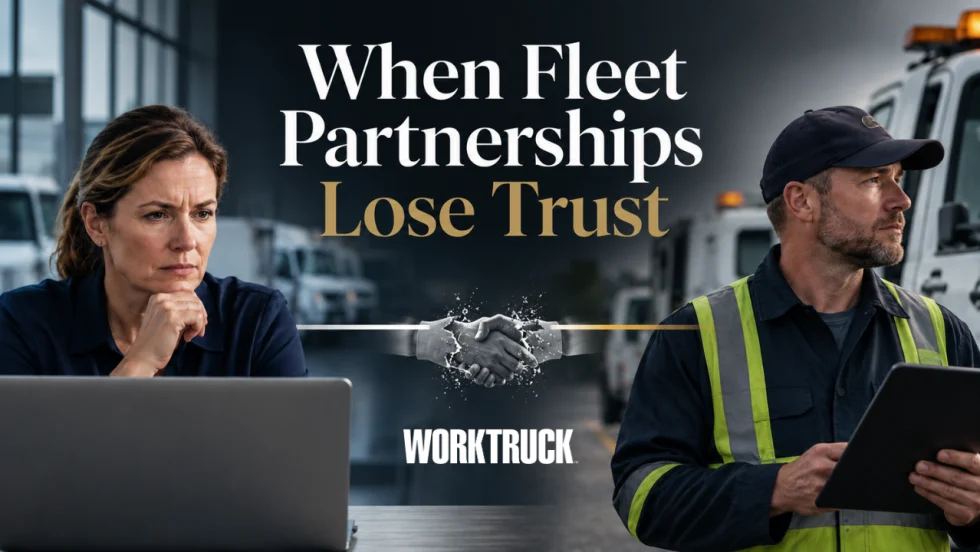
What Stronger Long-Term Fleet Service Partnerships Actually Require
Fleet service partnerships rarely fall apart all at once. Learn the three warning signs that trust is eroding and what fleets and providers can do before downtime, frustration, and lost revenue follow.
Read More →
Applause & TRUCE Software Partner to Improve Driver Safety Through AI-Powered Telematics & Employee Performance Management
Applause has integrated TRUCE driving metrics directly into its employee-first performance and safety platform that transforms mobile devices into AI-powered telematics.
Read More →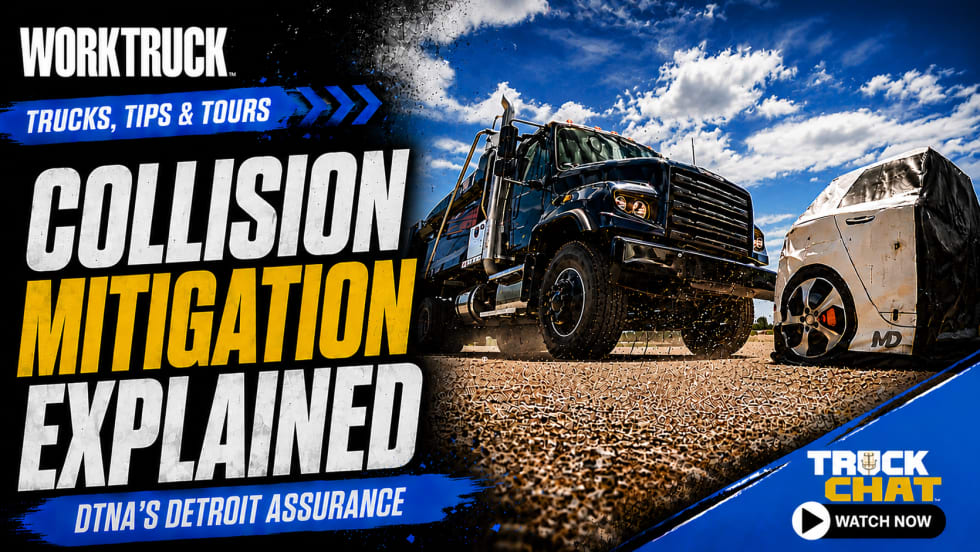
How Detroit Assurance with Active Brake Assist Works
Do you want to see what it is like to experience Detroit Assurance’s Active Brake Assist? In this video, Work Truck will put you in the cab to see how it all works and then hear more details from DTNA’s Mike Young.
Read More →
Get Left of Loss: A 5-Step Workplace Violence Prevention Framework for Fleet Operators
Violence risks do not stop at the driver’s door. Learn five practical steps fleets can take to spot threats early and protect workers before loss occurs.
Read More →
Sponsored•July 17, 2026
How Better Visibility Cut Speeding Violations by 48%
Fleet leaders don't need more data, they need clearer visibility into what the data is saying. This case study explores how one utility replaced speeding-event counts with a single metric — miles driven in violation — to strengthen safety and significantly reduce speeding violations.
Read More →