




Pepco Holdings: Blueprint for a Green Future
The company’s commitment to the community leads to a greener fleet. In addition to making environmentally conscious vehicle purchases, PHI evaluates its entire fleet operation for ways to reduce its carbon footprint.
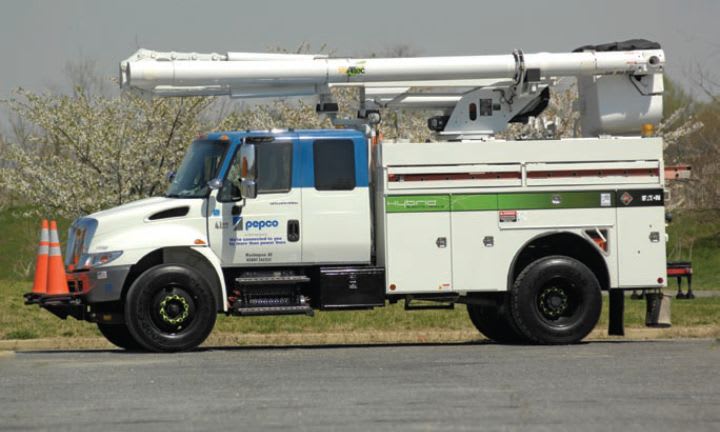
Pepco Holdings, Inc., headquartered in Washington, D.C., delivers electricity to about 1.9 million customers in Delaware, the District of Columbia, Maryland, and New Jersey.
As one of the largest energy delivery companies in the Mid-Atlantic region, Pepco Holdings, Inc. (PHI) has energy consumption on the brain.
However, the company isn’t focused solely on customers’ energy consumption. In fact, it trains a keen eye on energy challenges in the community at large and that has meant making some changes to the company’s fleet.
PHI, headquartered in Washington, D.C., delivers electricity to about 1.9 million customers in Delaware, the District of Columbia, Maryland, and New Jersey. Through its subsidiaries Pepco, Delmarva Power, and Atlantic City Electric, PHI delivers regulated electricity. Delmarva Power also delivers natural gas.
PHI’s leadership recognized its ability to respond to the threat global warming poses. “The way we do business directly impacts our community and the environment, and the public concern about global warming can no longer be ignored,” said Dennis Wraase, chairman and CEO.
To transform to more environmentally friendly operations, PHI introduced a Blueprint for the Future in February 2007. “This initiative put PHI in a leadership role to address two of the pre-eminent energy challenges we face: the rising cost of energy and the impact of energy use on the environment,” said Frank Cottone, PHI vehicle resource manager.
The environmental initiative included replacing conventional vehicles with hybrids and alternative-fuel vehicles. Of its 2,000-unit fleet, 42 are hybrids and 116 operate on propane, compressed natural gas (CNG), E-85, or electricity. “In addition, we have switched to B-20 biodiesel at all of our company fuel sites, which helps our 792 diesel power units achieve a lower carbon footprint,” said Cottone.
Most of PHI’s alternative-fuel vehicles are light-duty units and material- handling forklifts. PHI chose Toyota Prius, Ford Escape Hybrid, and Dodge and Chevrolet alternative-fuel vehicles for employees who conduct business between the company’s three operating companies. “In addition, we have one hybrid bucket truck that we have evaluated as part of the Hybrid Truck Utility Forum (HTUF) and plan on purchasing eight more hybrid bucket trucks during 2008,” Cottone said.
The fleet additions’ most immediate benefit is better fuel economy. Compared to the vehicles they replace, the new vehicles are seeing significant gains in mpg: the Toyota Prius gets more than 43 mpg and the Ford Escape Hybrid averages more than 26 mpg.
“The benefits are pretty straightforward: better fuel economy and reduced CO2 emissions. With the escalating price of gasoline, we are reaping some economic benefits. And, according to the U.S. Environmental Protection Agency (EPA), biodiesel fuel reduces CO2 emissions by about 15 percent,” said Cottone.
In addition to environmentally conscious vehicle selection, PHI has evaluated the entire fleet operation to reduce its carbon footprint. Cottone said several “green opportunities” have been found, for example, in maintenance facility recycling of oil, rags, tires, and eliminating aerosol cans, etc.
Originally posted on Automotive Fleet
More Sustainability
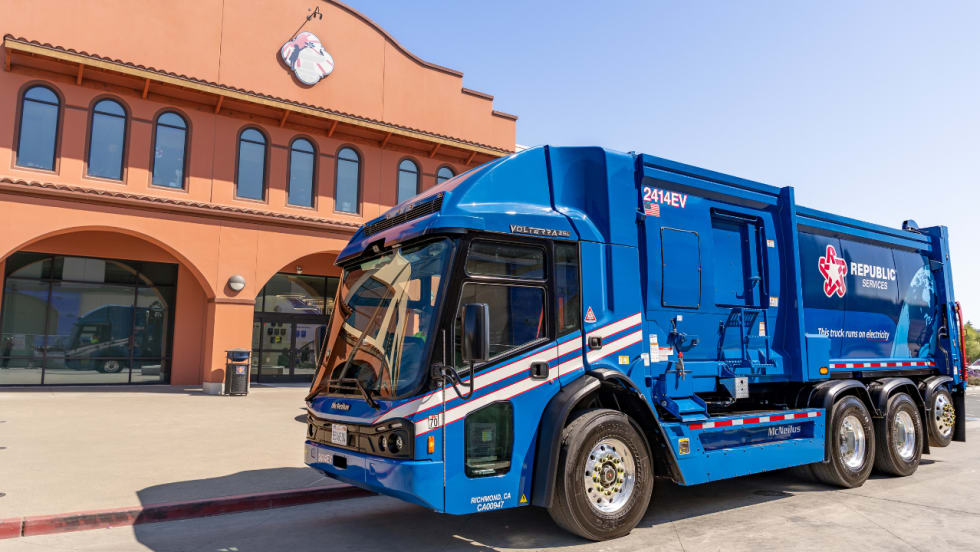
What Republic Services Learned Moving Electric Trucks Beyond the Pilot
With 250 electric refuse trucks now in service, Republic Services is learning that scaling a new powertrain depends as much on routes, drivers, technicians, and daily operations as it does on the truck itself.
Read More →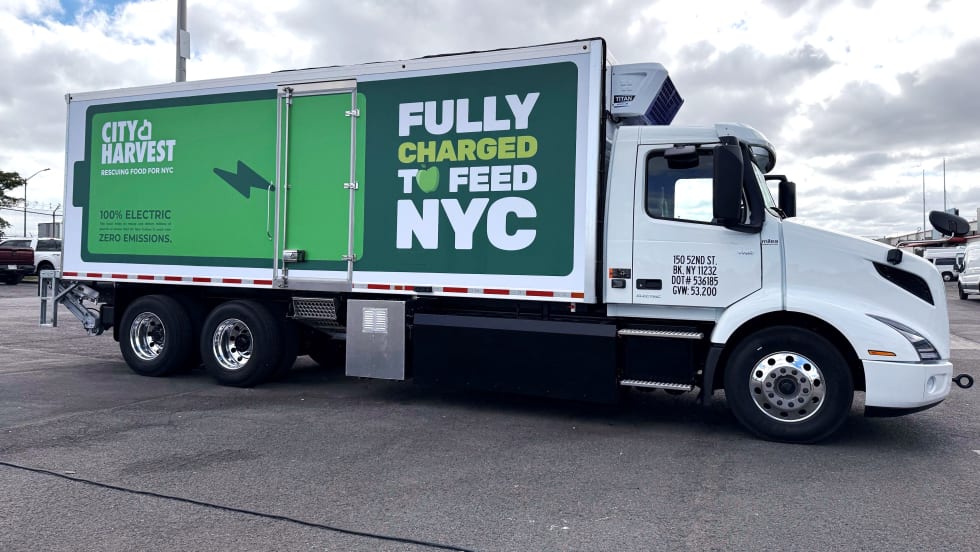
City Harvest Begins Using Volvo VNR Electric Trucks to Rescue Food Across New York City
Volvo Trucks North America and the Bronx Is Breathing project team handed over three new Volvo VNR Electric trucks to City Harvest, which will use the trucks to rescue and deliver food throughout the Bronx and across all five boroughs of New York.
Read More →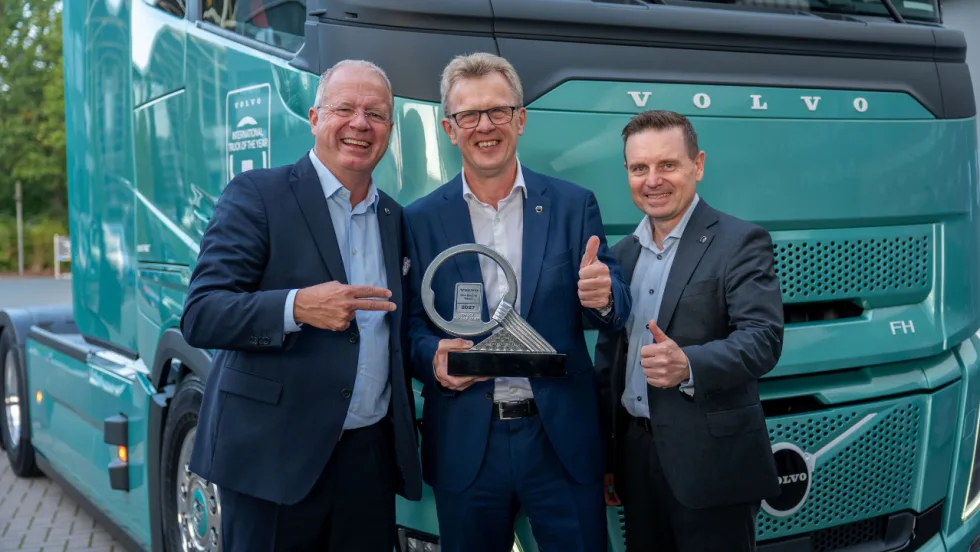
Volvo Trucks Wins International Truck of the Year 2027 for its Global Electric Range
Volvo Trucks' global heavy-duty electric range has been named International Truck of the Year 2027. Since 2019, more than 7,000 electric Volvo trucks have driven more than 310 million miles worldwide.
Read More →


Fleet Forward Conference Introduces One-Day Passes for 2026
New one-day registration gives fleet professionals the flexibility to attend Tuesday, Wednesday, or Thursday, with passes available for $199 through Sept. 18.
Read More →
CALSTART Rebrands as Catalyst Mobility, Will Combine with Forth in 2027
CALSTART has rebranded as Catalyst Mobility and will combine with Forth at the start of 2027. The new organization said it is poised to become one of the world's largest, strongest, and most impactful clean transportation nonprofits.
Read More →
Electric Truck and Charging Programs to Boost Sustainability at NY & NJ Ports
Together, the Port Authority of New York and New Jersey and CALSTART will electrify drayage and terminal operations serving the East Coast’s busiest container port. A pair of incentive programs totaling $45 million has launched to accelerate adoption of zero-emission drayage trucks and terminal tractors.
Read More →
The Smart Way to Build a Mixed-Energy Fleet Isn’t About Picking a Side
Mixed-energy fleets aren’t about picking a winning fuel. Sarah Booth of WEX explains how vehicle data, duty cycles, charging strategy, and real-world costs can help fleets choose the right energy source for each job.
Read More →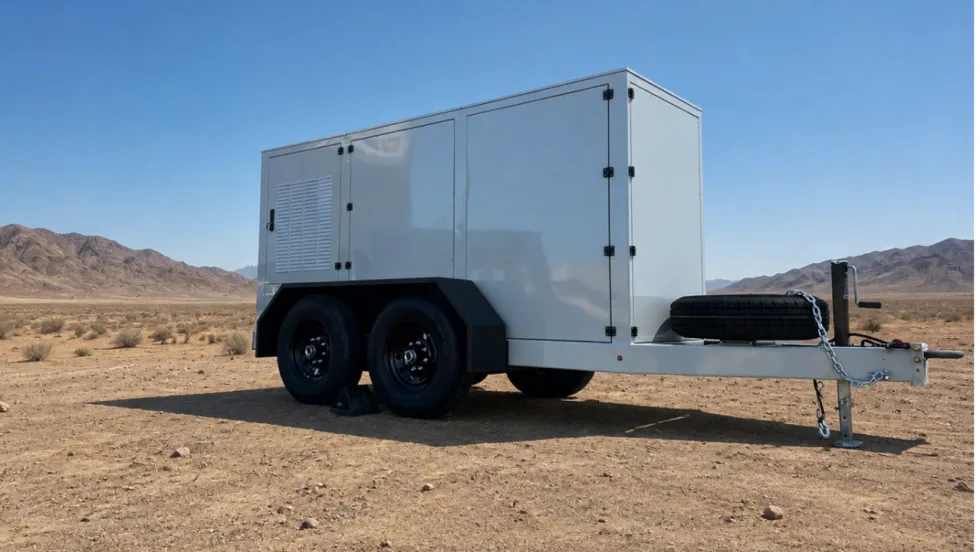
Xos Hub Surpasses One Gigawatt-Hour of Energy Delivered in the Field
A single Xos Hub has surpassed one gigawatt-hour of energy across more than 33,600 charging sessions in the field, demonstrating performance that supports Xos' expansion across new products and markets.
Read More →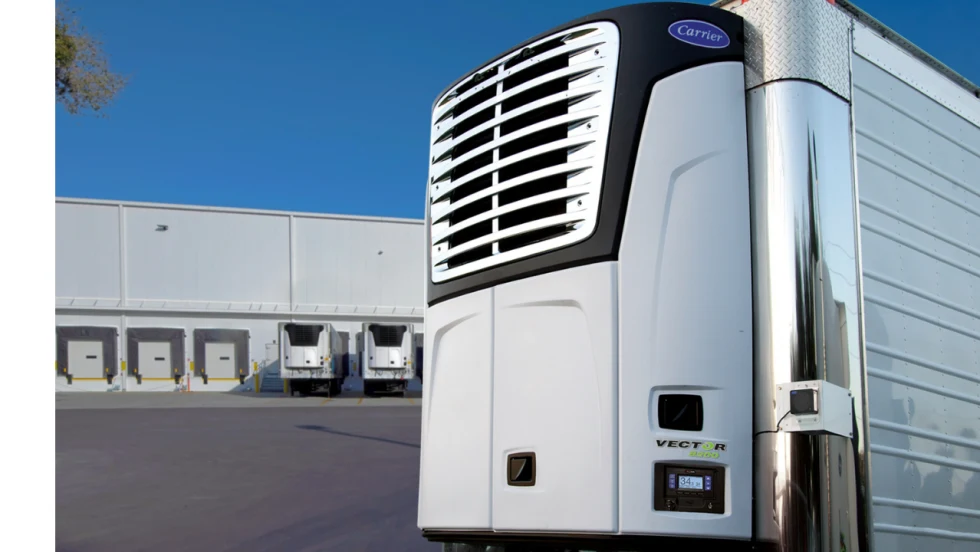
Carrier Transicold Launches All-Electric Vector 8200 TRU for Diesel-Free On-Site Cold Storage
Carrier Transicold’s first engineless multi-temperature TRU helps fresh- and frozen-food fleets add supplemental cold storage capacity during seasonal peaks.
Read More →
Narro Trucks Introduces Electric Utility Vehicle
Narro Trucks officially launched its operations on Aug. 20 and hosted a ride and drive to showcase its electric truck, which will be produced in Virginia.
Read More →