




Learn More: Last-Mile Delivery Market Primed for Electrification
Overcoming Last-Mile Barriers to Entry
For those who think there’s a low barrier to entry for last-mile transportation, it’s time to think again.

Lexi Tucker・Former Senior Editor

Every last-mile delivery company has its own specific needs based on the kind of product their drivers are moving; one cannot simply head to the dealer, buy a van, and expect it to meet their every need.
Photo: Getty Images
7 min to read
While the e-commerce boom started well before COVID-19, the pandemic has certainly accelerated last-mile transportation of packages and goods. What the average fleet manager or contractor might not know, however, is how many factors there are to consider to properly prepare for taking on the job.
Prioritizing Driver Safety & Capability
When one first pictures an example of last-mile delivery, they might envision a Ford Transit, Mercedes-Benz Sprinter, or Ram ProMaster with the big Amazon smile logo on the side. These carry everything from toothpaste to books or even parts to put together a desk.
But the world of last-mile transportation is so much more than small deliveries such as these. Larger vehicles, and strong drivers, can be required to move freight that is either too heavy to be handled without the assistance of something like a liftgate or has dimensions that prevent it from being moved by a single person.
This is why one major challenge brought about by last-mile delivery is the need to consider driver safety and capability. Now, consumers don’t only expect their new washer machine to simply be delivered – they also want the person who delivered it to place it exactly where they want it in their home and will often pay extra for it to be installed. Drivers must have the strength, tools, and know-how to do so.
Drivers in residential areas will have to avoid mailboxes, children playing in driveways or bikes, and overhanging tree branches. They then have to offload goods, which often requires the use of a liftgate and/or securement-strap tie-down points. These must be easy for the driver to use, as they often make numerous deliveries a day.
Some deliveries will require special considerations, such as whether a doorway is wide enough to accommodate a large appliance and whether someone will even be home to sign for the delivery. Mishandling heavy packages or appliances can lead to potential injury if they aren’t carried properly. In addition to this, since these delivery people will often be entering a private residence, background checks might be wise and another cost to consider.
Some companies may even choose to enforce COVID-19 protection policies long after the pandemic ends to ensure the health and safety of both delivery person and customer. PPE and hand sanitizer will be other costs that can add up.
The weight of the delivery isn’t the only factor, either. For example, some last-mile carriers specialize in medical equipment, with drivers trained to set up equipment like MRIs. They may also be delivering vaccines or specimens, which require vehicle temperature control and proper timing.
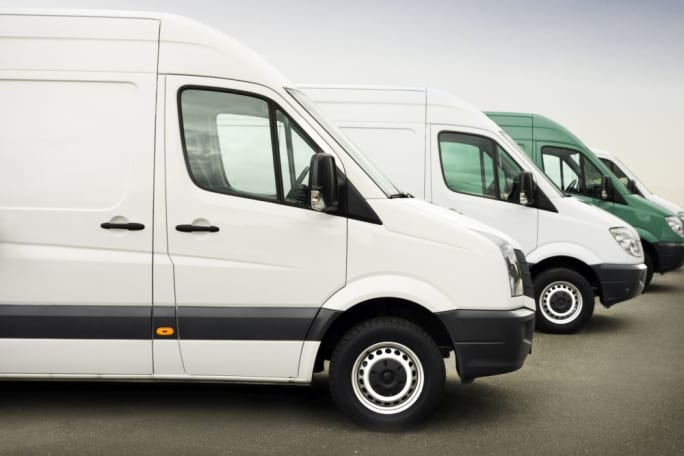
As the popularity of last-mile transportation increases, so does the demand for high-roof,
full-size vans.
Photo: Getty Images
Pursuing the Right Vehicle Specs
As the popularity of last-mile transportation increases, so does the demand for high-roof, full-size vans. Those looking to purchase one may experience longer lead times. Some contractors have turned toward van rentals and work for multiple companies instead of just one. For bodybuilders and upfitters, they may need to consider whether the major OEMs have the chassis supply to support the continued growth of demand.
Those spec’ing vehicles must take a seemingly endless list of requirements into account. Will potential cargo need to be refrigerated? Can the vehicle handle multiple types of packages, whether that be a small parcel or bulk furniture or appliance delivery?
When evaluating last-mile delivery body needs, you’ll need to consider the product you’re moving, the routes you’re driving, the delivery locations, and how many packages of varying sizes
drivers may be transporting.
When spec’ing a truck body, one must ensure the vehicle enables the driver to operate as efficiently, safely, and comfortably as possible. This requires consultation of drivers and loaders, as well as truck body manufacturers.
Uptime is critical. These vehicles run long hours through at least two shifts. Last-mile delivery fleets can’t afford for a van to go down. They’ll need to look for service centers willing to work nights, keep parts in stock for preventive maintenance, and maybe even consider pursuing a mobile maintenance provider.
What type of shelving or cargo control solutions are needed? What kind of and how many doors should the vehicle have? To fight driver fatigue, consider building a vehicle to accommodate how many times they will be getting in and out and how many times he or she will be opening and closing doors.
Door placement is also a concern when it comes to safety. You don’t want drivers to get hurt dealing with traffic as they are trying to unload packages, and you may also want to ensure the vehicle has non-slip surfaces in the case of inclement weather.
Adding flashing lights to liftgates will ensure safety, whether early in the morning or late in the evening. Liftgate batteries need to be kept charged and are notorious for running down if one doesn’t drive far enough in between deliveries. Talk to your body supplier about options for keeping liftgates charged. There are “smart” liftgate power management systems available; another option becoming more popular is mounting solar panels to the vehicle’s roof.
Every last-mile delivery company has its own specific needs based on the kind of product their drivers are moving; one cannot simply head to the dealer, buy a van, and expect it to meet their every need. Work with the prospective seller to explore every possible option.
Value of Technology, Customer Service & Transparency
In a time where anyone can track just about anything they order from the warehouse to their front porch, it’s vital last-mile delivery companies incorporate this technology into how they operate. Quite simply, those who don’t won’t make it.
Look into digital supply-chain platforms to handle deliveries and installations and provide visibility to customers. Case management systems allow customers to open a case with the delivery company if an issue arises.
For smaller but more expensive items, visibility technology provides the transparency customers expect. Enabling drivers to provide photo-capture digital proof-of-delivery aids in claims management as well. Do you have the ability to send customers push notifications detailing every move their delivery makes? Are you giving them the option to submit questions or comments based on their experience with you?
The many facets involved in last-mile delivery make it easier said than done to enter the space. Companies that want to try to break into it will have to develop partners across the country and have the technology in place to process the orders through to delivery.
A hallmark of last-mile delivery is the “white glove” service. Just as customers expect to track the movement of items every step of the way, many expect not to lift a finger when their order gets to them. Last-mile transportation no longer just involves delivery – it includes assembly, setup, and installation as well.
In-vehicle technology is just as crucial as customer-facing technological advancements. Medium-duty trucks are some of the last to get new technology integrations, denying these fleets the added productivity benefits. Many vendors focus on the heavy-duty truck market when developing new technologies and equipment. Do the vehicles you plan to use work hand-in-hand with your telematics system? This is imperative for creating efficient delivery routes.
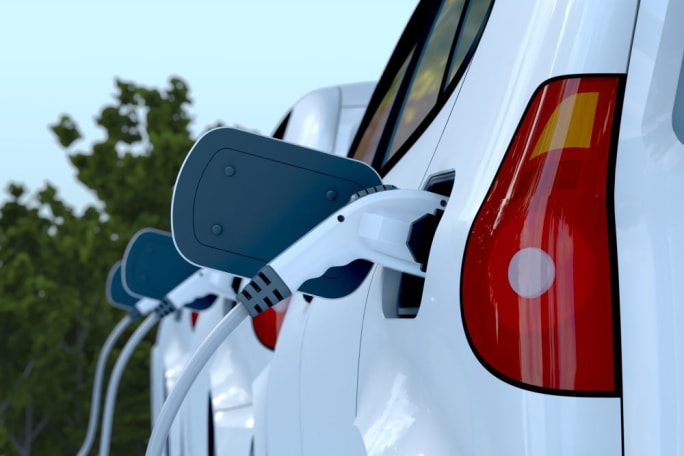
Electric vehicles (EVs) intended for short
delivery routes are well-suited for overnight charging.
Photo: Getty Images
Facing an Electric Vehicle Future
While the ability for last-mile fleets to buy EVs is a couple of years away (unless they happen to be a larger company), this is an aspect they should start thinking about sooner rather than later.
Electric vehicles (EVs) intended for short delivery routes are well-suited for overnight charging. However, the shift toward more environmentally-friendly vehicles does have some challenges ahead.
City governments are increasingly putting into place policies and regulations to address congestion, air quality, and noise pollution, creating a demand for vehicles that generate fewer emissions.
The EV sector is taking time to develop due mostly to the added infrastructure requirements essential to keeping these vehicles moving.
Fast-charging systems can reduce battery life, there’s no standard for charging connections, and there are real estate challenges. Charging needs will affect layouts of shops and fleet yards. Vehicles need to be parked by a charger, and quite often, the electricity and available charging aren’t in the same spot.
Another challenge comes in the form of maintenance. While there may be fewer parts to maintain or repair, fleet managers and technicians will have to take note of the following:
Tooling availability.
Diagnostics.
Training.
Facility design.
Charging infrastructure.
Willingness to invest.
OEM support.
Reliability.
Subscribe to Our Newsletter
More Delivery
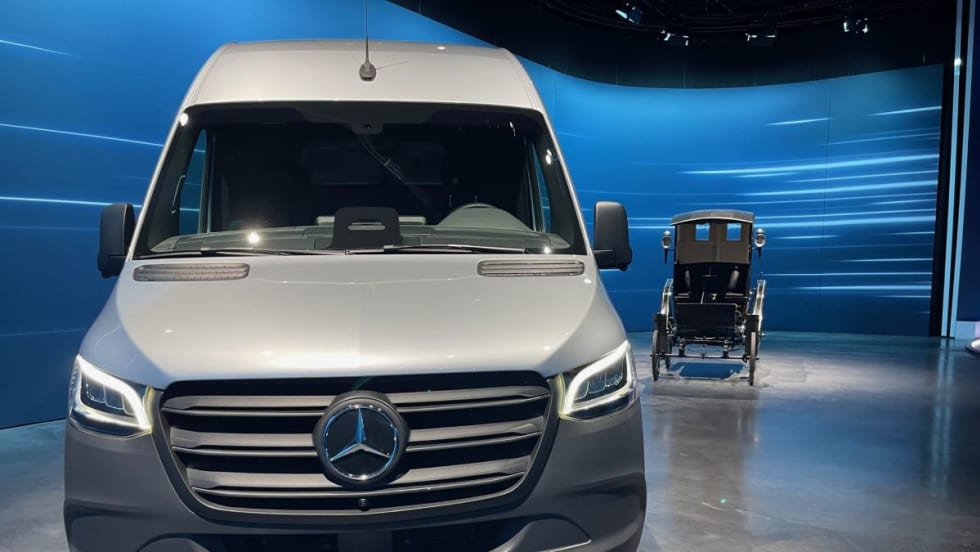
30 Years Ago Today The Sprinter Van Began to Play
The Mercedes-Benz Sprinter van is turning 30 years old – and is on track to surpass five million units sold by year’s end.
Read More →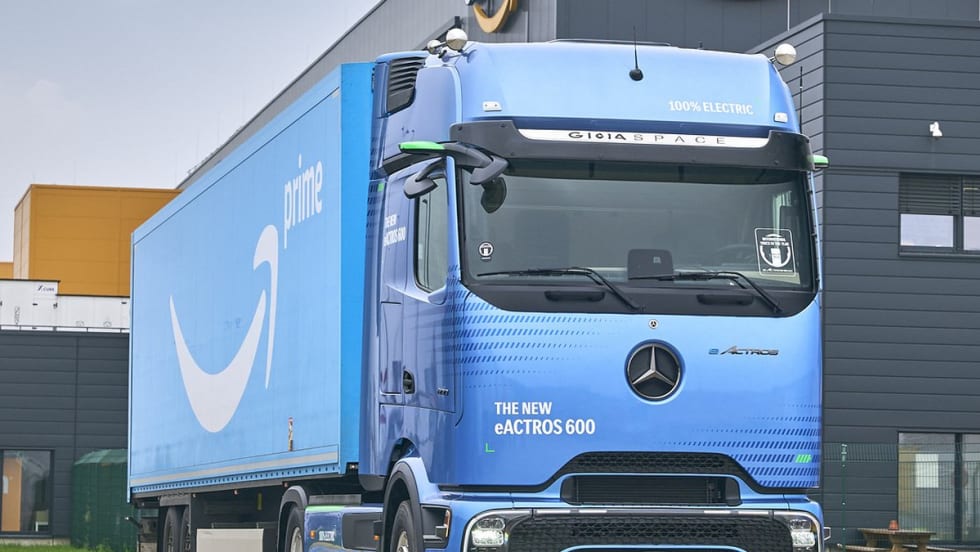
Amazon Places Places Largest eActros Truck Order
Amazon places its largest-ever electric truck order with over 200 eActros 600 vehicles to reduce emissions across its European logistics network.
Read More →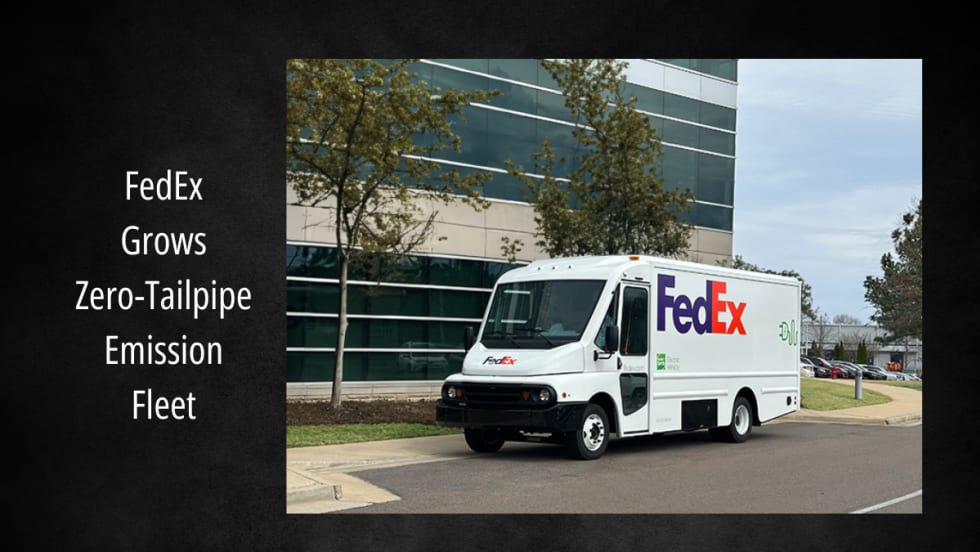
FedEx Orders 15 Workhorse W56 Step Vans
These 15 W56 step vans will support the FedEx goal to achieve carbon-neutral global operations by 2040.
Read More →
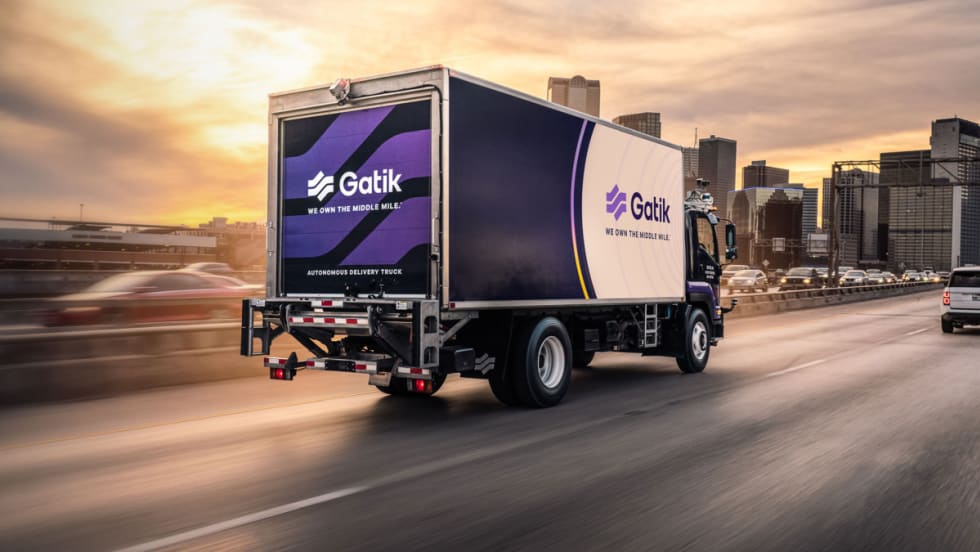
Gatik and ITOCHU Form Strategic Alliance for Middle-Mile Logistics
The collaboration with ITOCHU is part of Gatik's strategy to revolutionize the North American logistics landscape by deploying Freight-Only at scale.
Read More →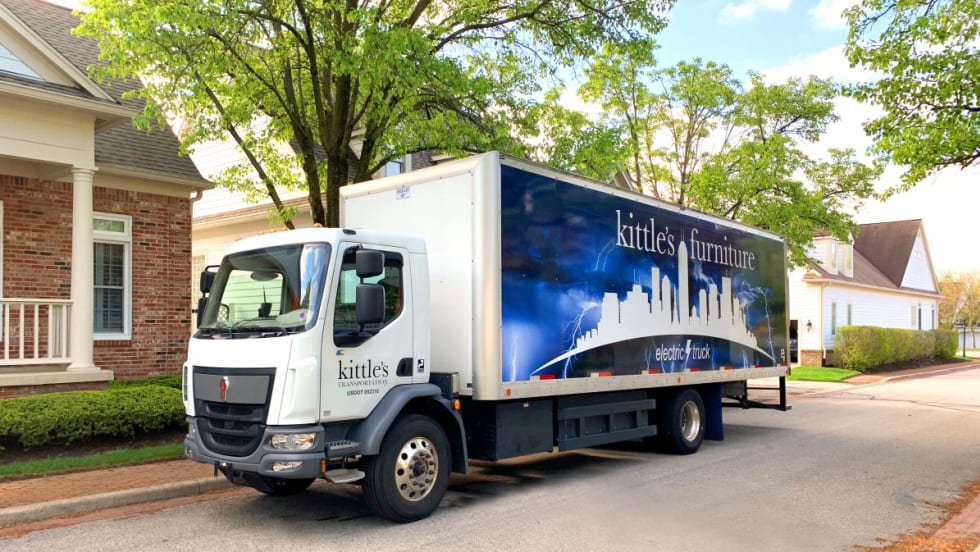
Kittle's Furniture Saves $10,000 a Year in Fuel Costs with Kenworth K270E
With six retail locations in Indiana, Kittle's Furniture uses a Kenworth K270E medium-duty electric truck to deliver furniture to customers in the Indianapolis metro area from its distribution center in Fishers.
Read More →
Bosch Launches RevX to Find the Best Load Every Time
The new cloud-based service from Bosch aggregates search results across multiple brokers and load boards based on a specific criterion, calculates profits, and helps with data-driven decision making to eliminate empty miles.
Read More →
Last-Mile Logistics: Optimizing Efficiency in Urban Deliveries
To make last-mile deliveries go smoothly, delivery companies can use strategies such as solving for demand fluctuations, using data and technology to plan better, and considering the technology offered to customers.
Read More →
Carrier Transicold Offers Refrigeration for Small Delivery Vehicles
The engineless Neos 200e unit is part of Carrier Transicold’s growing family of eCool all-electric refrigeration systems.
Read More →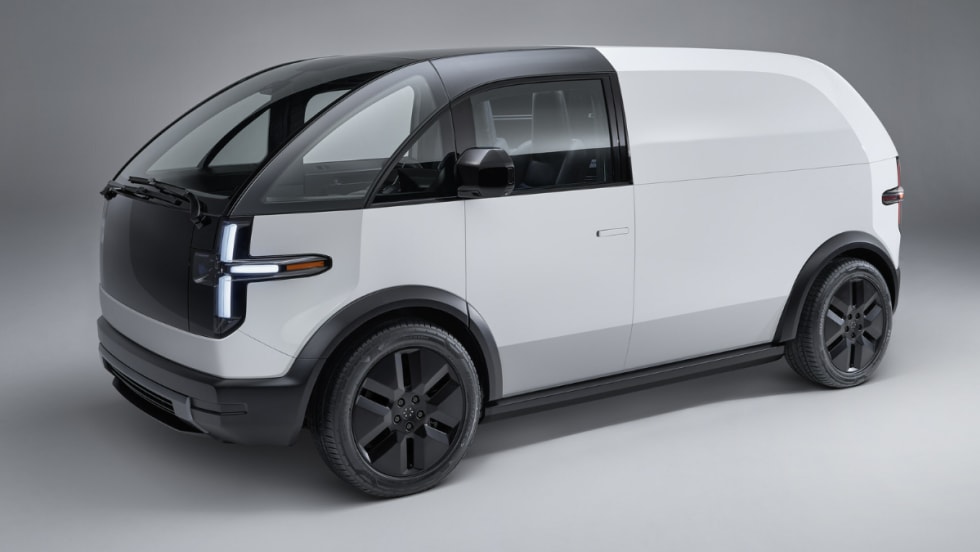
Canoo Set to Increase Vehicle Assembly Capacity
Canoo purchased manufacturing assets to reduce prices to scale production and made its first shipment to Oklahoma.
Read More →
Sponsored•December 15, 2023
How AI Video Telematics Boosts Driver Safety and Helps to Avoid Unnecessary Costs
At a time when supply chain issues and workforce shortages abound, fleet-dependent organizations across a variety of industries must protect drivers and the business against unnecessary costs and potential safety issues.
Read More →