





Related: Pest Control Fleets Reduce Downtime, Improve Safety
Optimizing 'Bug Busting' Fleets
Pest control fleet vehicles provide rolling offices for technicians, making them central to carrying out a company’s mission.
August 8, 2017
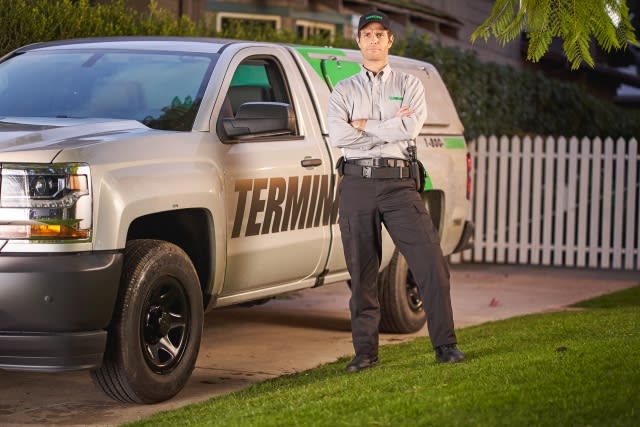
Terminix operates a fleet of approximately 9,500 vehicles, of which 75% are light-duty trucks used for service applications.
Photo: Terminix
7 min to read
Pest control fleets do some hard work. Not only do the vehicles deliver the technicians who rid homes and businesses of unwelcome creepy-crawlies, they also transport sizeable loads of supplies to get that job done.
“The service vehicle is the tool we use to get to our customer locations and carry the necessary tools, equipment, and materials needed to meet and exceed the customer’s needs,” said Mike Baessler, fleet manager for Rollins, Inc., the parent company of Orkin.
According to Cody Bunyard, national fleet manager for Terminix, fleet vehicles are the most important tool in their arsenal.
“Our trucks are our most critical tool because, without them, our technicians don’t have a way to get to each customer to solve their pest problems,” he said.
With such a central role in carrying out a company’s mission, pest control fleet managers share their challenges and their strategies — and reveal a few findings fleet managers in any industry can learn from, too.
Designing with Pest Control in Mind
Vehicle design is a greater consideration for pest control fleets than for most. Because technicians perform work right out of their vehicles, the design of a van or truck is directly correlated with how efficiently and effectively technicians can get the job done.
“Upfitting transforms the vehicle into an efficient mobile office,” said Darren Seifer, senior director, routing & scheduling for Terminix. “It is possible they will have around 10-15 service calls each day with the ability to address the majority of Terminix offerings from their vehicle — they don’t have to return to their local branches throughout the day in order to do their job.”
Bunyard said pest control fleets must provide technicians with capable, properly equipped vehicles — this puts them in the best position to provide exceptional customer service. To determine the optimal design, his fleet solicits feedback from technicians, field managers and corporate management about the exact functionality needed in a truck.
“We take those needs and design the upfit using equipment and material that best fits the jobs we perform,” he said. “We try to provide a truck that includes the right equipment to make the job as easy as possible for our technicians. Our design updates have been well received by most of our technicians and it is always good to hear that we helped make their job easier.”
Baessler agreed that technician input is a key part of vehicle design. “By getting input from the technicians, we were able to design the pest control service vehicle that allows our service personnel to work out of the vehicle efficiently and effectively,” he said. “You can design a great looking vehicle, but if the technician doesn’t like it or can’t use it, it’s a lot of wasted time, money, and effort.”
Don Topar, fleet manager for Truly Nolen Pest Control, said the company has designed its own pest control beds that consist of tanks, pumps, hoses, and equipment.
“We make sure we have enough storage for our servicemen to always have what they need for the job on hand, and make sure the space is designed for efficiency and safety,” he said. “We keep all equipment enclosed to promote its longevity, too.”
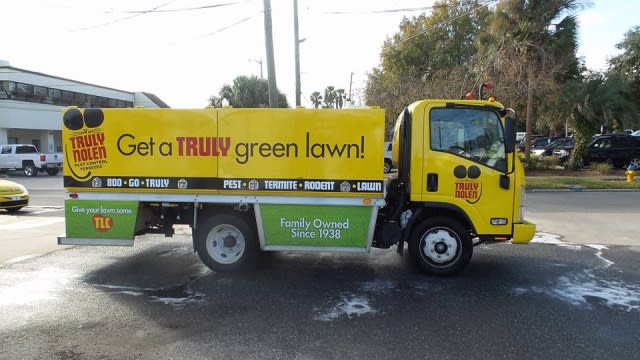
Of Truly Nolen’s 1,125-vehicle fleet, around 59% are pickup trucks utilized for residential and commercial pest control needs.
Photo: Truly Nolen
Specialized Inventory Management
Inventory management considerations are a key component of vehicle design and upfitting. Unlike other home service fleets, pest control fleets transport pesticides and other sensitive materials day in and day out, and that takes special consideration.
“We have to make sure that we properly store and transport everything in our trucks in accordance with label requirements, as well as state and federal regulations, and keep proper chemical documentation where required,” explained Bunyard of Terminix.
Because of the nature of the materials carried, it is also necessary for pest control vehicles to have a separation between the driver and the storage space.
On top of proper storage considerations, some trucks must support multiple service lines, such as pest, termite, exclusion, mosquito treatment, and more, meaning, even more tools and materials are aboard.
“Equipping a truck to handle as many services as possible while still keeping the trucks sized for their high-volume work is difficult,” Bunyard explained. “We try to make small changes to make our trucks capable of handling multiple product lines. For example, we may add custom brackets, power inverters, etc. to trucks that enable our technicians to do pest work as their main service, but also complete one or two bed bug jobs in a day without changing trucks, allowing for denser routes and a more productive day.”
Mitigating Stress with Preventive Maintenance
Because pest control trucks serve as rolling offices carrying plenty of cargo, they endure a lot of stress and a lot of miles. That makes preventative maintenance (PM) all the more important; however, it can be a challenge pulling technicians’ attention away from their jobs to think about their vehicles.
“Our technicians are pest control professionals. Their focus, as it should be, is customer service, and the truck is a necessary tool to help them deliver that service,” said Bunyard of Terminix. “Taking excellent care of the truck is not always at the top of their priorities.”
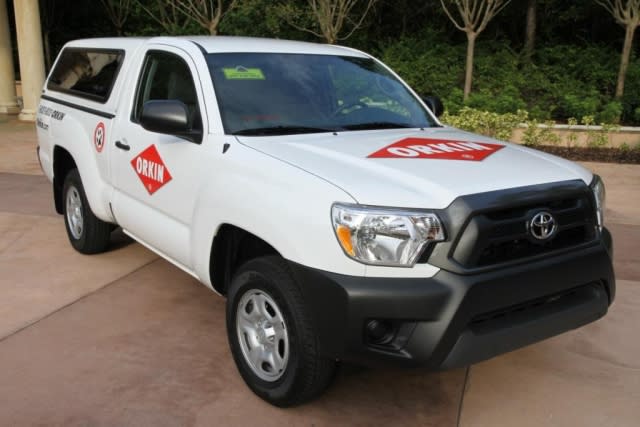
Orkin operates a fleet of approximately 10,000 vehicles. The main vehicle used by service technicians is the Toyota Tacoma for residential and business pest control services.
Photo: Orkin
Topar of Truly Nolen said getting drivers on board with vehicle care can be a challenge.
“Drivers need to understand that their vehicle is the most valuable piece of equipment they use in their service,” he said. “It’s important for them to know the vehicle must be safe, well-maintained, and have a pleasant appearance to the public.”
To encourage compliance, Bunyard said Terminix stresses the value of a strong maintenance program to its branches to lower the total cost of ownership over the life of the trucks.
While pest control fleets can devise ways to get drivers on board with maintenance, there’s no getting around the demands placed on them throughout the course of the workday.
All three fleets reported annual mileage between 17,000 to 25,000 miles per year — and those are high-wear, city miles at that.
“Pest control service fleets typically drive a large number of miles per day and have numerous stops per day — generally between 10 and 15 — so there is a lot of vehicle starting and stopping in the driver’s daily routine,” said Baessler of Rollins. “This stresses numerous vehicle components, including brakes, tires, A/C, and more.”
To stay on top of PM schedules and keep maintenance top of mind for technicians, Orkin determines specific service schedules for each vehicle, then issues e-mail alerts to remind branches when vehicles need to be serviced.
“We have a plan that guides our fleet through the process, so we can stay ahead of any potential maintenance or replacement issues,” Baessler said. “We replace our vehicles at specific months in service intervals depending on how much wear-and-tear they encounter out in the field.”
Truly Nolen outsources vehicle maintenance but requires drivers to inspect trucks daily. “Vehicles should also be inspected by management monthly,” Topar recommended. “It is always good for another person to look at the vehicle other than the driver who is used to seeing it every day. Take care of the little things, so they don’t become major issues with long downtime — or the fleet begins to manage the business.”
Optimization Routes, Vehicle Life & Customer Service
One way pest control fleets can reduce the wear-and-tear on their trucks is through route optimization. Seifer of Terminix said his company is in the process of deploying a route optimization tool for its Routing & Scheduling department, which also has the added benefit of keeping technicians focused on their core pest control duties.
“The route optimization tool allows us to develop more efficient schedules for our technicians, ultimately reducing miles driven,” Seifer said. “Not only do we improve the customer and technician experience, we reduce the stress and strain on our fleet.”
For Bunyard of Terminix, routing also results in improved customer service. “We pair the truck with routing technology that optimizes each technician’s day in terms of drive time between stops and taking the best path between customers,” he said. “This reduction in windshield time gives our technicians more time to spend with each customer to properly solve any pest problems.”
Ultimately, route optimization reduces driver time, increases productivity, reduces vehicle stress, and improves customer satisfaction.
At the end of the day, Topar of Truly Nolen said caring for pest control vehicles keeps the business running.
“Fleet has to get up every morning, just like the technician, and be ready to do the job of servicing its customers,” he said.
Subscribe to Our Newsletter
More Upfitting
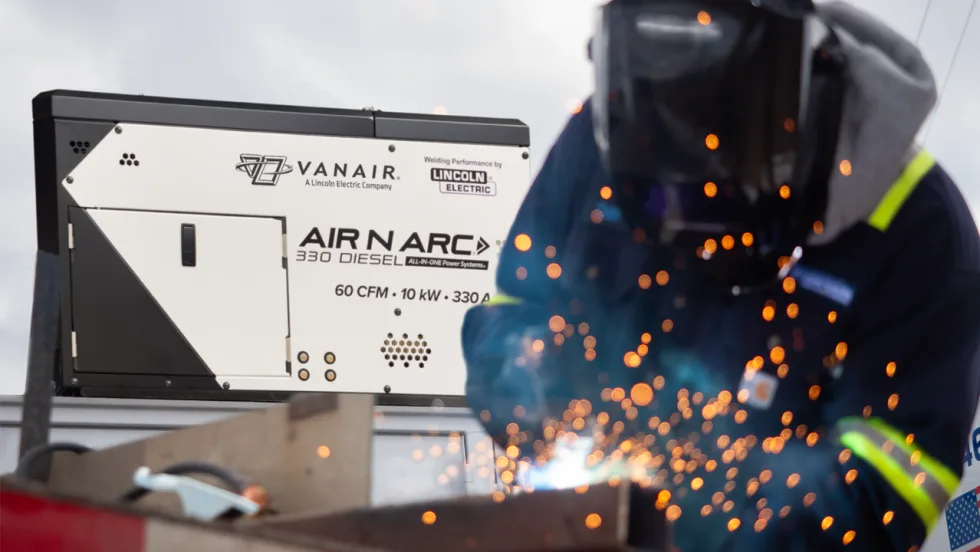
Multitasking: Vanair’s Air N Arc 330 Diesel 60 CFM All-In-One Power System
The Air N Arc 330 Diesel 60 CFM from Vanair consolidates a welder, generator, rotary screw air compressor, battery booster, battery charger, and EV charger into a single 750-pound enclosure driven by one 24.8-horsepower Kubota diesel engine.
Read More →
Buyers Products Awarded Sourcewell Cooperative Purchasing Contract for Snow & Ice Equipment
Buyers Products has been awarded a Sourcewell contract for a wide range of winter maintenance equipment and accessories, including snowplows, municipal plow systems, wing plows, spreaders, and more.
Read More →
Hilltip Introduces the SnowStriker SFT Flex Expandable Box Plow
Hilltip’s new SnowStriker SFT Flex expandable box plow features hydraulically extendable sections that allow operators to adapt the clearing width to changing conditions and applications on the go.
Read More →
Harbinger Part of Effort to Deliver Autonomous Logistics Capabilities for U.S. Army
American Rheinmetall received an 18-month U.S. Army contract to deliver autonomous, hybrid-powered uncrewed ground vehicles. Harbinger is providing the truck platform for those vehicles.
Read More →
Thinking Outside of the Box: Choosing the Right Truck Body for Your Fleet
Choosing the right truck body can have a major impact on loading efficiency, cargo protection, downtime, and long-term operating costs. Here’s how dry vans, platforms, and curtainsiders compare, plus what fleets should consider before spec’ing their next truck.
Read More →
Fourth Annual Upfit Package of the Year Awards Open for 2027 Entries: One Month Left!
Think your upfit deserves industry recognition? Enter the 2027 Work Truck Upfit Package of the Year Awards before the Sept. 30 deadline. There is less than a month left to get your submissions in!
Read More →
Reading Truck Equipment & Masterack Unite as One of North America's Largest Commercial Vehicle Upfit Networks
Reading Truck Equipment and Masterack have integrated operations to create one of North America's largest and most comprehensive commercial vehicle upfit organizations.
Read More →
Kinedyne Launches Heavy Duty Logistic Shoring Strap
Kinedyne’s new Heavy Duty Logistic Shoring Strap features a patent-pending four-point design to deliver greater cargo stability, increased strength, and easier handling for rolling and shifting freight.
Read More →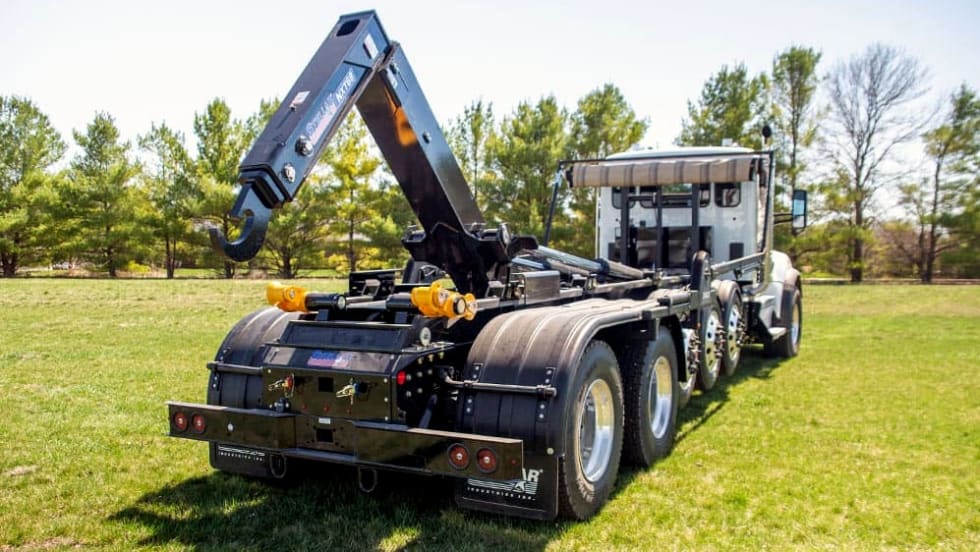
Hooklift Bumper Design from Stellar Showcases Strength & Versatility
Stellar Industries’ new bumper for the NZT Series Hooklifts come in two capacity options: the 20K, designed for Class 3 – 6 chassis with a 20,000-pound pull capacity, and the 90K, built for Class 7 and 8 chassis with a 90,000-pound pull capacity.
Read More →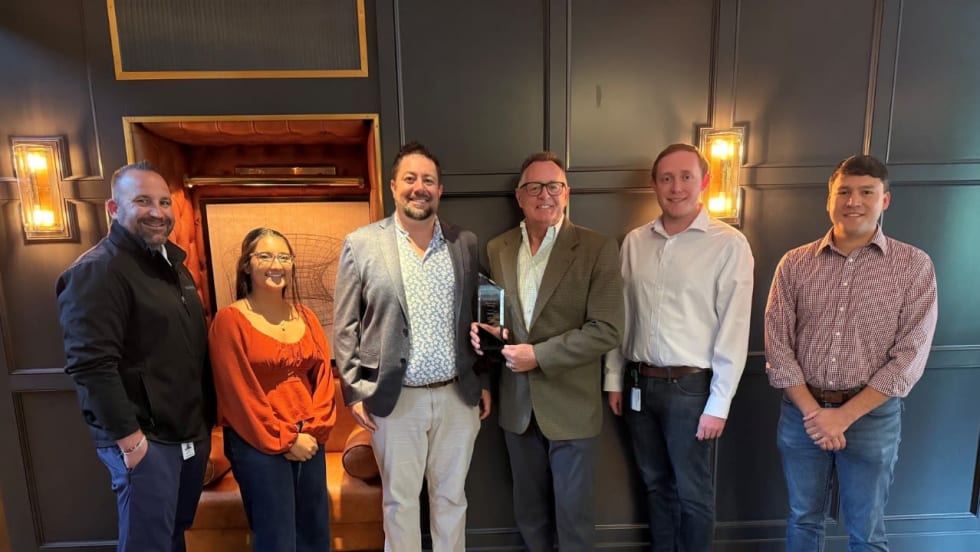
Maxon Lift Awarded the Wabash Platinum Award for Supply Chain Performance
Maxon Lift, a liftgate manufacturer since 1957, received the Wabash Platinum Award for supply chain performance in 2025. Each year, Wabash presents awards to top suppliers for excellence in supply chain performance.
Read More →