





5 Things to Know When Selecting Charging Solutions for Work Truck Fleets
New Jersey Powers State-Led EV Transformation
Despite shifting federal priorities, Garden State leadership ensures electric vehicle growth stays on track.
May 14, 2025
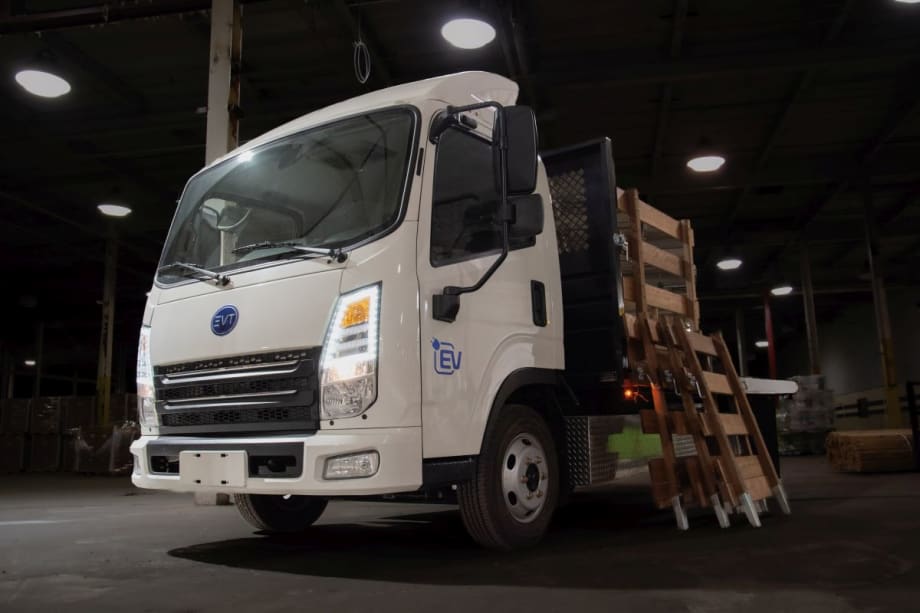
Envirotech's electric work trucks offer reliable performance with lower maintenance, making them a smart choice for fleet operators nationwide.
Photo: Envirotech Vehicles
4 min to read
New Jersey is charging ahead with its electric vehicle agenda, undeterred by federal policy shifts. Without strong federal support, the state has taken the lead in promoting the adoption of electric vehicles (EVs). Now, the Garden State is staking its claim in the EV future, reinforcing the idea real momentum lies with state leadership.
Through programs like the New Jersey Zero Emission Incentive Program (NJ ZIP), the state is accelerating the adoption of clean commercial vehicles and setting a blueprint for how individual states can shape their own zero-emission strategies, regardless of the pace or posture of federal administration.
NJ ZIP: Paving the Way for Cleaner Fleets
NJ ZIP offers vouchers for the purchase of new, zero emission vehicles ranging from $20,000 to $175,000, depending on the vehicle class. The program is a $90 million voucher pilot launched by the New Jersey Economic Development Authority (NJEDA) for medium- and heavy-duty zero-emission vehicles.
The Regional Greenhouse Gas Initiative funds the pilot. Proceeds are allocated to NJEDA to reduce harmful emissions, particularly in communities disproportionately impacted by transportation emissions, and create economic opportunity within the state.
“Thanks to New Jersey’s NJ ZIP incentives, small business owners can significantly reduce the upfront costs to purchase electric vans and trucks,” said Jason Maddox, President of Houston, Texas-based Envirotech Vehicles. Envirotech provides new zero-emission, purpose-built electric vehicles for commercial and last-mile delivery fleets, school districts, public and private transportation service companies, colleges, and universities.
Cutting Costs and Boosting Efficiency with EVs
There are many advantages to using EVs for commercial fleets, including modern work trucks. Logistics fleets and work trucks can significantly cut fuel expenses while avoiding the unpredictability of fluctuating fuel prices.
EVs with electric drivetrains require less maintenance and offer greater longevity than traditional combustion engine vehicles. EVs also operate with less noise and vibration, making them ideal for early-morning or late-night deliveries and improving comfort for long-haul drivers.
Features like regenerative braking help capture and reuse energy lost during braking, extending a vehicle’s range, particularly in stop-and-go traffic. Combined with improved battery technology, many commercial electric vehicles now offer up to 150 miles per charge, a distance far greater than the daily mileage driven by most delivery vehicles.
To support New Jersey’s EV initiatives, Envirotech offers a variety of electric delivery vans and truck types that accommodate a range of delivery and logistics requirements and environments. Among these, various types of vans are available, including options for logistics, deliveries, passenger transportation, and ADA-accessible vehicles. Urban trucks are also offered that are designed for efficient navigation in cities, including e-commerce deliveries, retail distribution, waste collection, and transporting construction materials.
The advantages of electrifying commercial fleets, combined with incentives, are spurring early interest and orders. For example, Envirotech announced in January 2025 that it has taken vehicle orders for customers awarded vouchers under NJ ZIP. If the customers who are awarded vouchers elect to purchase a vehicle through the program, the company expects to generate up to $5,275,200 in revenue for the vehicles.
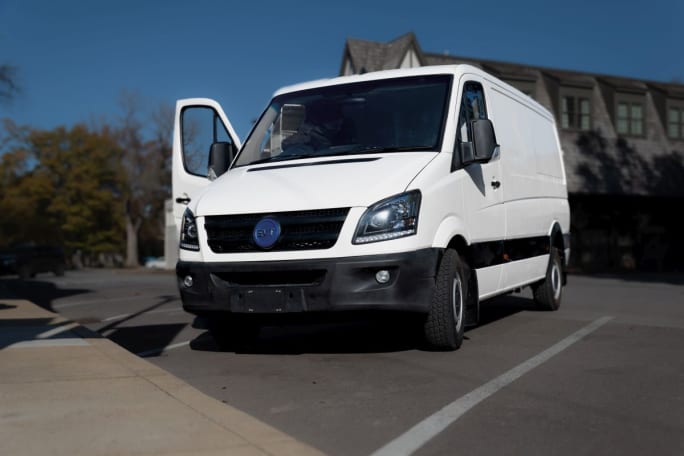
New Jersey's aggressive push for electric vehicles is setting a new standard for state-led clean transportation initiatives.
Photo: Envirotech Vehicles
Pioneering Public Fleet Electrification
New Jersey has also emerged as a leader in advancing EV adoption through strong incentives and targets for public fleet electrification. The state is committed to transitioning 25% of its non-emergency light-duty vehicles to plug-in electric by 2025, with a full conversion to 100% by 2035.
Additionally, NJ TRANSIT is aggressively pursuing zero-emission goals, mandating that 10% of new bus purchases be electric by 2024, increasing to 50% by 2026, and reaching 100% by 2032.
In this category, electric buses offer riders a quiet, clean transportation experience. With zero tailpipe emissions, the buses significantly reduce air pollution and operate with minimal sound, reducing noise pollution.
Envirotech supports New Jersey’s clean transportation goals by offering electric school and transit buses. These vehicles align with the state's push for greener public transit solutions.
Like most popular consumer electric vehicles, the OEM’s “Bumble Bee EcoRange” electric bus combines aluminum for the body and high-strength steel in its construction. Aluminum reduces vehicle weight by approximately 20%, which means less energy is required to move the bus, increasing vehicle range. A lighter vehicle also enhances acceleration, braking, and handling. The aluminum body is 95% recyclable.
As the use of EVs expands across New Jersey, the infrastructure needed to charge and support these vehicles is being installed across the state and country.
Companies like Envirotech are helping to facilitate the rollout in anticipation of the need. As an example, in response to increased demand from NJ ZIP customers, the company has expanded the capability of its service center in Manalapan, New Jersey by adding battery balancing, service equipment, and other capabilities. The service center offers multi-point vehicle inspections and repairs, including tires and brakes, which will expedite EV repair and servicing.
A Blueprint for Future Expansion
Maddox of Envirotech explains the company's broader growth strategy: “Our efforts in New Jersey serve as a blueprint for future expansion. We plan to grow our network by opening additional dealerships and service centers in other key cities, extending the same service and support to customers across the state and country.”
He points out some additional benefits of electrifying vehicle fleets with financial incentives.
“With available incentives, EVs offer lower upfront costs, less maintenance, and major fuel savings compared to gas-powered vehicles. This results in a clear, lasting benefit to operating budgets,” Maddox said.
Subscribe to Our Newsletter
More Green Fleet

Fleet Forward Conference Introduces One-Day Passes for 2026
New one-day registration gives fleet professionals the flexibility to attend Tuesday, Wednesday, or Thursday, with passes available for $199 through Sept. 18.
Read More →
CALSTART Rebrands as Catalyst Mobility, Will Combine with Forth in 2027
CALSTART has rebranded as Catalyst Mobility and will combine with Forth at the start of 2027. The new organization said it is poised to become one of the world's largest, strongest, and most impactful clean transportation nonprofits.
Read More →
Electric Truck and Charging Programs to Boost Sustainability at NY & NJ Ports
Together, the Port Authority of New York and New Jersey and CALSTART will electrify drayage and terminal operations serving the East Coast’s busiest container port. A pair of incentive programs totaling $45 million has launched to accelerate adoption of zero-emission drayage trucks and terminal tractors.
Read More →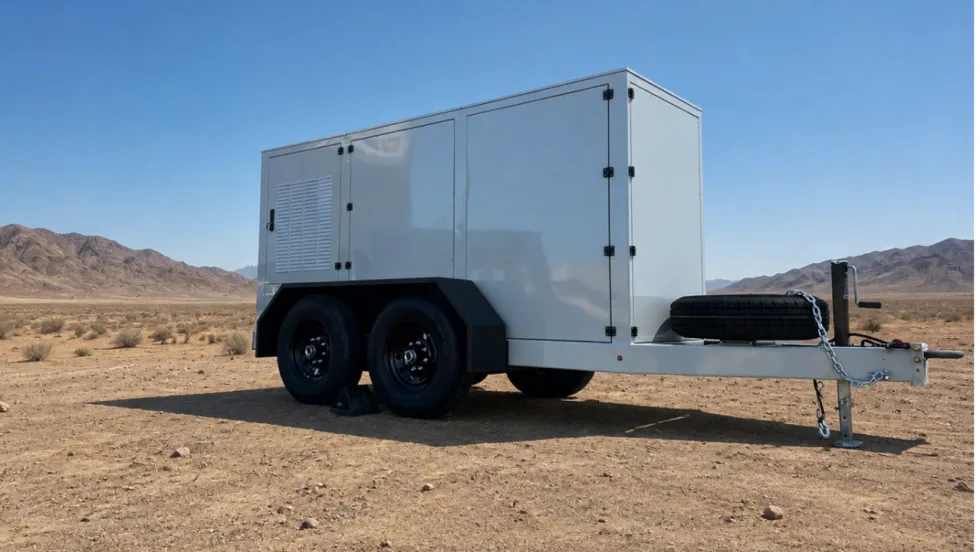
Xos Hub Surpasses One Gigawatt-Hour of Energy Delivered in the Field
A single Xos Hub has surpassed one gigawatt-hour of energy across more than 33,600 charging sessions in the field, demonstrating performance that supports Xos' expansion across new products and markets.
Read More →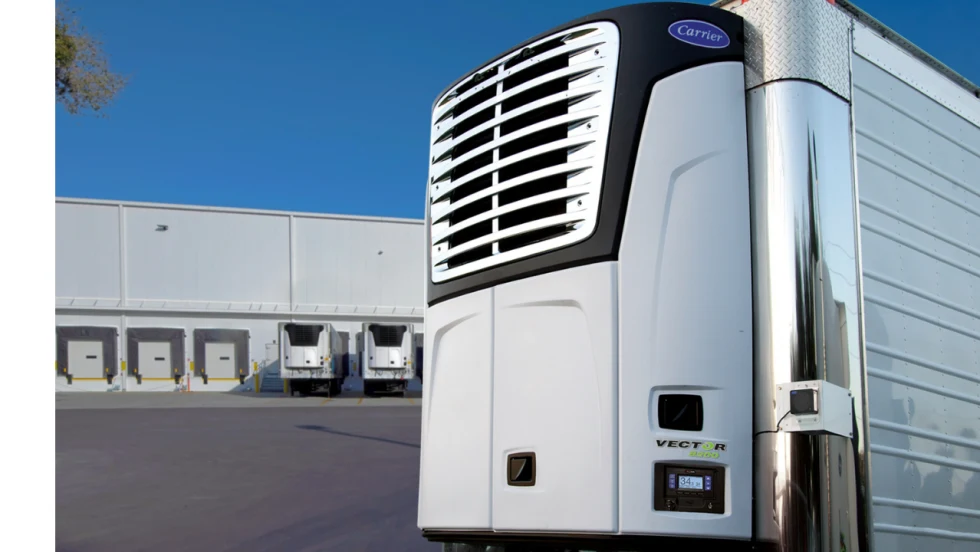
Carrier Transicold Launches All-Electric Vector 8200 TRU for Diesel-Free On-Site Cold Storage
Carrier Transicold’s first engineless multi-temperature TRU helps fresh- and frozen-food fleets add supplemental cold storage capacity during seasonal peaks.
Read More →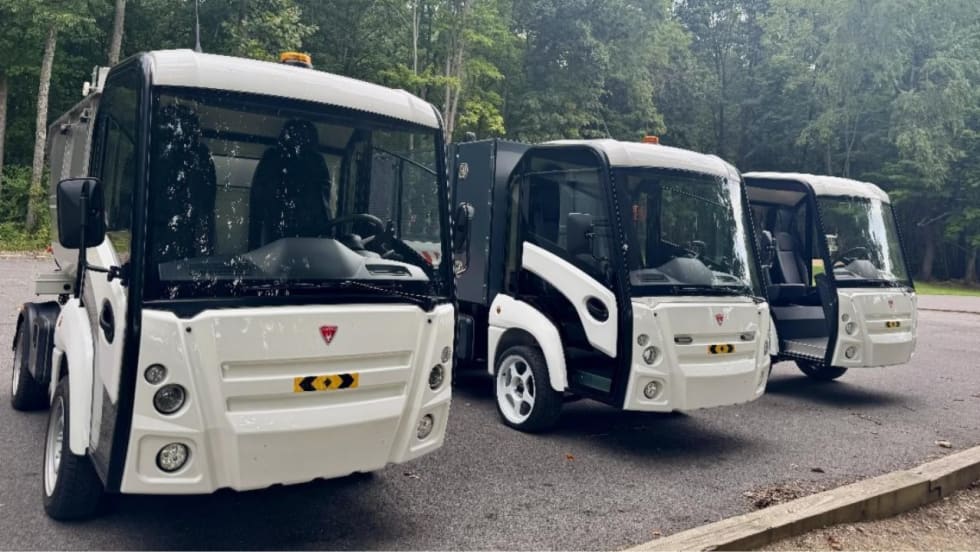
Narro Trucks Introduces Electric Utility Vehicle
Narro Trucks officially launched its operations on Aug. 20 and hosted a ride and drive to showcase its electric truck, which will be produced in Virginia.
Read More →
Samsung SDI Takes Full Control of GM Battery JV as Indiana Plant Pivots to Energy Storage
Samsung SDI is taking full control of its Indiana battery plant with GM, marking a major shift from the EV-focused joint venture Charged Fleet first covered in 2023.
Read More →
NWSA Taps CALSTART to Administer Zero-Emission Drayage Assistance Program
CALSTART will provide free technical assistance services to drayage fleets serving the Ports of Seattle and Tacoma and looking to transition to cleaner technologies and help decarbonize freight hubs.
Read More →
EV Fleet Reality Check: What Operators Wish They Knew Before Electrifying Their Work Vans
Electric work truck upfits bring new compatibility questions. Learn how parts availability, OEM guidance, power demands, and route planning can affect fleet performance.
Read More →
Peterbilt Expands Sourcewell Partnership with Electric Vehicle Lineup
Peterbilt Motors Company’s cooperative purchasing agreement with Sourcewell and its Canadian partner, Canoe Procurement Group, now includes including Peterbilt's battery-electric vehicle lineup.
Read More →