





Curious what commercial vehicle is right for your fleet? We have you covered.
Navigating the Changing Landscape of the Cargo Van Market
After decades of few models and even fewer options, the cargo van market is beginning to capture the attention and fill the needs of fleet managers.
July 1, 2012
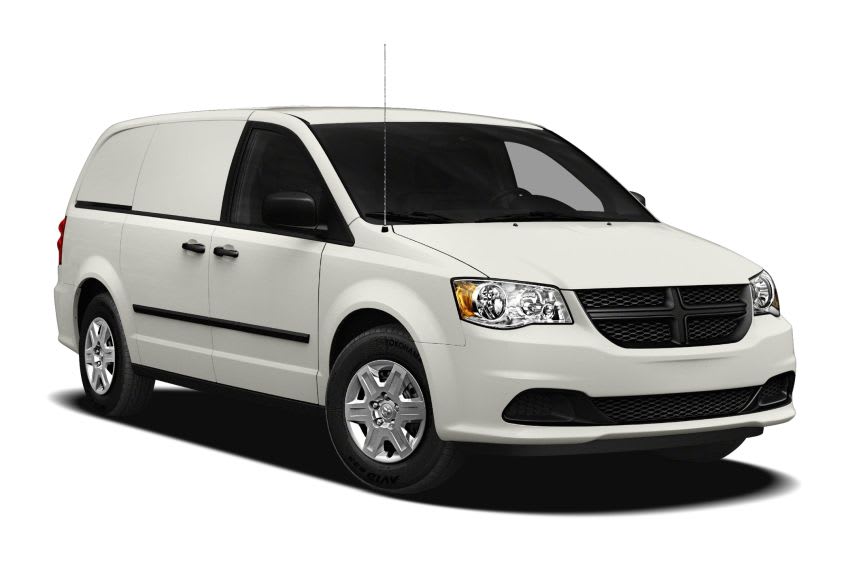
Essentially a Dodge Caravan converted and beefed up for commercial usage, the Ram C/V entered the market last fall as a 2012 model.
Photo: Ram
7 min to read
The U.S. cargo van market, a vehicle segment known for decades-old body styles and few makes and models, is undergoing an unprecedented shakeup and rapid expansion.
Up until the 2009 model-year, three full-size vans (Ford E-Series, Chevrolet Express/GMC Savana, and Freightliner Sprinter) and one compact van (Chevrolet Uplander) served as the main players in the market. Today, even with Uplander no longer in production, there are six vans available, with several additional models coming soon. This will double the number of models in less than five years, giving fleet managers more options than ever to consider.
Read on about the “lay of the land” of today’s cargo van market and what to expect in the near future to help make informed decisions when planning vehicle acquisitions.
Rise of the Compact Van
Pros: Fuel economy, maneuverability, and low initial cost.
Cons: Limited space and towing capability.
Payload Range: 1,500-1,600 lbs.
Cargo Capacity Range: 123 to 144 cubic feet.
Applications Snapshot: Auto parts delivery, telecom, florists, and catering.
After 2005, when the Chevrolet Astro/GMC Safari exited the market, the compact van seemed to be headed toward extinction. The only viable player was Chevrolet’s Venture minivan, which was converted into a cargo van and later replaced by Uplander, which ceased production in 2010.
But, rising fuel prices and the decline of the small pickup truck market (Ford Ranger and Dodge Dakota are no longer available in the U.S.) have resurrected the need for compact vans, spurring recent entries, such as the Ford Transit Connect and Ram Cargo Van (C/V).
Current Vehicles
Ford Transit Connect. The Transit Connect, which debuted in the U.S market for the 2010 model-year, is powered by a 2.0L Duratec four-cylinder engine, which delivers 21 mpg city and 26 mpg highway. Compressed natural gas (CNG) and all-electric powertrain conversions are also available. The Transit Connect offers 1,600-lbs. maximum payload capacity and 129.6 cubic feet of available cargo space.
Ram Cargo Van (C/V). Essentially a Dodge Caravan converted and beefed up for commercial usage, the Ram C/V entered the market last fall as a 2012 model. The van features a 3.6L Pentastar V-6 engine, achieving 17 mpg city and 25 mpg highway. The Ram C/V offers 144 cubic feet of interior space, up to 1,800-lbs. payload, and 3,600-lbs. towing capacity.
Coming Soon
Nissan NV200. Set to join the Nissan lineup in early 2013, the Nissan NV 200 has already been in use in more than 40 countries. Powered by a 2.0L four-cylinder engine, the NV 200 will offer an estimated payload capacity of 1,500 lbs., with enough cargo room for loading standard U.S. 40x48-inch pallets.
Full-Size No Longer 'One-Size-Fits-All'
Pros: More space, heavier payload capacity, higher tow ratings, multiple roof heights (Sprinter and NV-series) and engine options.
Cons: Lower fuel efficiency and potential roof clearance issues (in parking garages).
Payload Range: 2,320 to 4,200 lbs.
Cargo Capacity Range: 234 to 547 cubic feet.
Applications Snapshot: Heating and air conditioning, plumbing, mechanical, electrical, sheet metal contracting, parcel delivery, and general construction.
The Ford E-Series and GM’s Chevrolet Express/GMC Savana have been the mainstays in the full-size van segment, with very little change in styling and available options for nearly two decades. However, the entry of the Freightliner (now Mercedes-Benz) Sprinter nearly 10 years ago began to give fleets the option of selecting multiple roof heights and a fuel-efficient diesel engine, but at a premium price.
Nissan entered the market in late 2011, hoping to bridge the gap (in terms of functionality and pricing) between the Ford and GM vans and the Sprinter, with its NV series full-size vans built on a pickup frame and available in standard and high roof configurations.
Current Vehicles
Ford E-Series. With the latest generation in its 20th year, the Ford E-Series provides two body sizes: standard and extended, offering cargo capacities of 237.8 and 278.3 cubic feet, respectively. E-Series vans are powered by gasoline engines only — two V-8 engines (4.7L and 5.4L) and one V-10 (6.8L for E-350 only) — with payload capacity up to 4,050 lbs. and maximum towing of 10,000 lbs.
Chevrolet Express/GMC Savana. With two wheelbases available, Express/Savana vans provide cargo space up to 313.9 cubic feet, with payload capacity up to 4,200 lbs. There are five engines to choose from, including one V-6 gasoline (4.3L), three V-8 gasoline (4.8L, 5.3L, and 6.0L), and one diesel (6.6L Duramax V-8). The 3500-series models, equipped with the Duramax diesel engine, offer a towing capacity up to 10,000 lbs. Express/Savana cargo models are also available with a dedicated CNG package.
Freightliner/Mercedes-Benz Sprinter. Powered by a 3.0L V-6 BlueTEC diesel engine (no gasoline engine is available), the Sprinter can haul payload up to 5,358 lbs., with a maximum tow rating of 7,500 lbs. Three wheelbases and two roof heights provide cargo capacity up to 547 cubic feet and an interior standing height of 6-feet 6-inches (with the high-roof configuration).
Nissan NV Series. A new entry to the full-size market in 2012, the Nissan NV offers two gasoline engine options: 4.0L V-6 and 5.6L V-8. NV’s maximum tow rating is 9,500 lbs., with a payload capacity up to 3,925 lbs. Available in two body styles, NV provides cargo space of 234.1 cubic-feet (for standard roof configurations) and 323.1 cubic-feet (for high roof).
Coming Soon
Ford Transit. In 2013, Ford is bringing to the U.S. market its global platform Transit full-size van as the eventual replacement to the E-Series. According to Ford, the Transit will achieve 25-percent fuel economy savings over the existing E-Series vans, due to weight reductions of at least 300 lbs.
Putting it All Together
How can fleet managers apply this market information to guide their van acquisition planning? Begin by asking these five questions:
1. What will the van haul? This helps determine how much space will be required to haul a full load. If it’s a relatively lightweight, non-bulky material, then a compact van should do the job, while also offering lower upfront cost and greater fuel efficiency than the lightest full-size van. However, if the cargo is lightweight but too bulky to fit in the compact van, then the full-size van is a must, regardless of weight.
2. How much will the cargo weigh at full load? If total payload (at full load) is under 1,500 lbs. and there’s sufficient space for the cargo, then either the Ford Transit Connect or Ram C/V compact van could be good options.
However, if payload is more than 1,500 lbs., then the question becomes: how many pounds is it over? The answer helps determine what class of full-size van is best suited for the job: ½-ton, ¾-ton, or 1-ton. For example, if the cargo weighs 3,300 lbs., the appropriate van would be from the ¾-ton segment, which includes Ford E-250, Chevrolet Express/GMC Savana 2500, Nissan NV 2500HD, and the Mercedes-Benz Sprinter 2500.
3. Will technicians need to work inside the van for extended periods of time? If so, the high-roof option available now with the Sprinter and NV series — and eventually with the upcoming full-size Ford Transit — would help reduce fatigue for technicians because most will be able to stand upright inside the cargo area.
4. Will the van pull a trailer? If so, how much weight? Even if the required cargo weight fits within a compact van’s capability, if the vehicle also pulls a 5,000-lb. trailer, the fleet manager should select an appropriate full-size van.
5. How many miles per year will the van be driven? If the application requires a full-size van, the answer to this question drives the selection of engine type. If it’s a high-mileage application (25,000- to 35,000-plus miles per year), the fuel-efficiency gains of a diesel engine may be worth the extra up-front cost. With low-mileage applications, it’s unlikely the fuel-efficiency gains would be significant enough to justify the higher price for the diesel engine.
The Bottom Line
With all the new players and added options, cargo vans are beginning to grab the attention of fleet managers. Yet, despite the changes, the principles for selecting the right van for the job remain the same: calculate payload and towing requirements, ensure sufficient cargo capacity, and estimate annual mileage. Then, whatever van models and options are available, you’ll have the information you need to make an informed decision.
Subscribe to Our Newsletter
More Vehicle Research
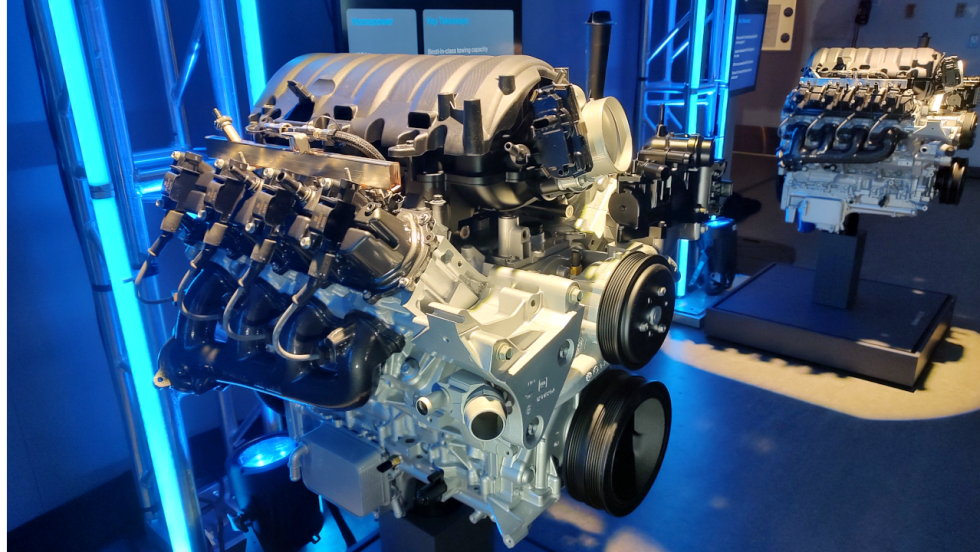
GM Unveils New Sixth-Generation Small Block Engines for 2027 Light-Duty Pickups
General Motors unveiled two new small-block engines, backed by extensive real-world validation and more than 70 years of small-block V8 manufacturing experience, as part of the engine portfolio for the 2027 Chevrolet Silverado 1500 and GMC Sierra 1500.
Read More →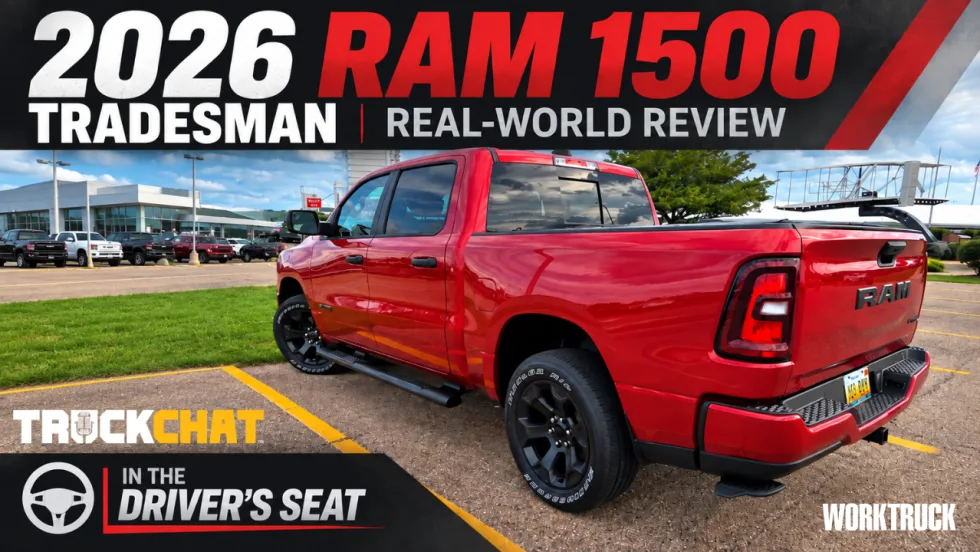
2026 Ram 1500 Tradesman Put to a Real-World Fleet Test
A few days behind the wheel of a 2026 Ram 1500 Tradesman turned into a test of visibility, parking, work-ready features, and even severe-weather driving.
Read More →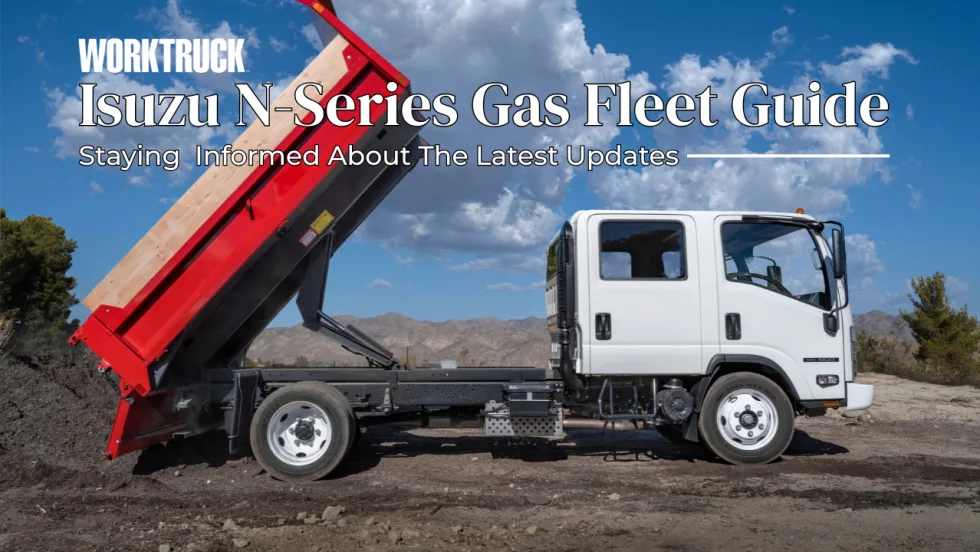
Isuzu N-Series Gas Fleet Guide: Specs, Capability and 2027 Model-Year Updates
Explore Isuzu Truck North America’s N-Series Gas fleet specs, engine performance, GVWR and payload capability, configurations, chassis dimensions, work-focused features, and 2027 model-year information.
Read More →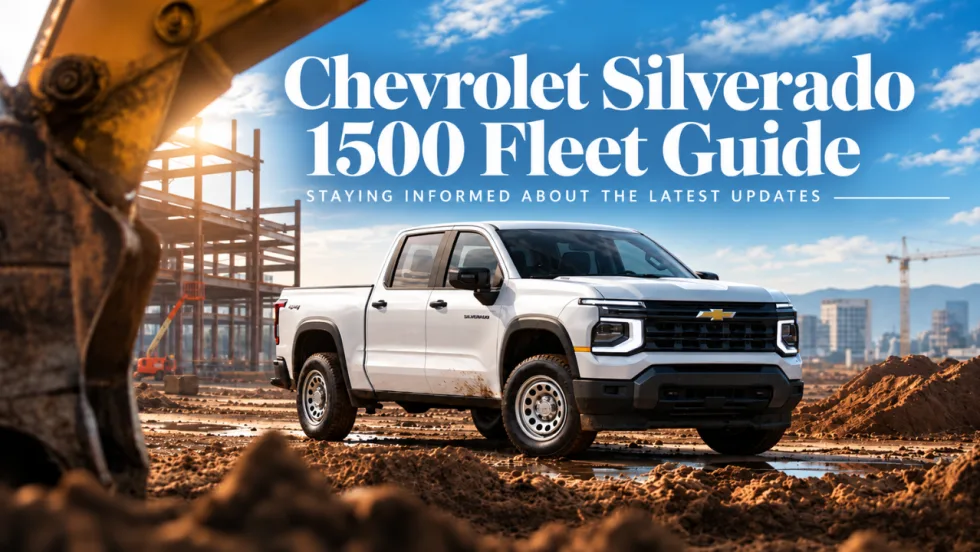
Chevrolet Silverado 1500 Fleet Guide Specs Capability and 2027 Model-Year Updates
The next-generation 2027 Chevrolet Silverado 1500 brings new V-8 engines, updated technology, expanded safety features, and a fleet-focused Work Truck. Here’s what commercial fleets need to know so far.
Read More →
Ram ProMaster City Fleet Guide Specs Cargo Capacity and 2027 Updates
Work Truck’s Ram ProMaster City Fleet Guide tracks the latest specifications, cargo capability, configurations, fleet technology, pricing, and model-year updates for Ram’s mid-size commercial van.
Read More →
Ford F-150 Fleet Guide Specs Capability and 2026 Model-Year Updates
Explore 2026 Ford F-150 fleet specs, engines, towing and payload capability, configurations, work features, technology, and model-year updates.
Read More →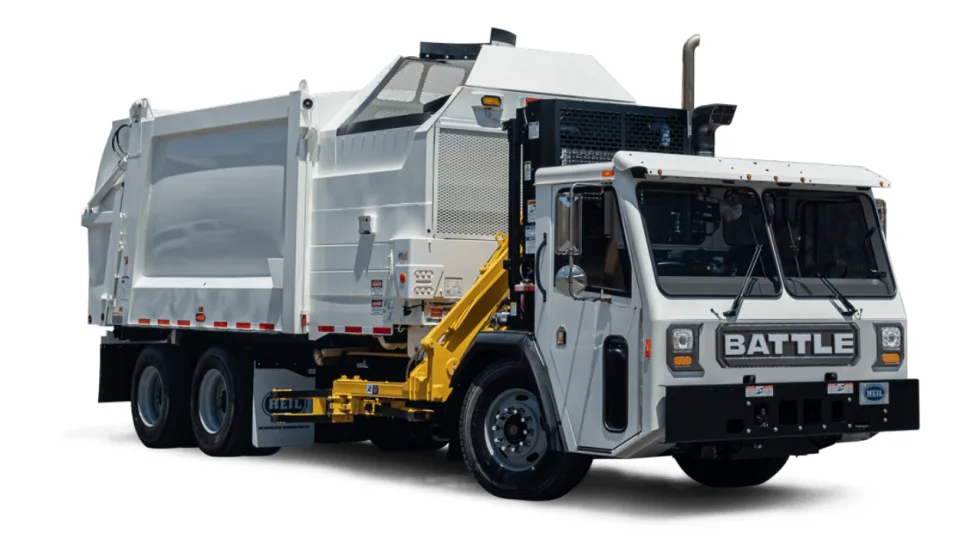
TCI Now Sells & Supports Battle Motors’ Vocational Trucks
Midwest truck dealer Truck Centers, Inc. (TCI) has expanded its transportation solutions with sales and service support for Battle Motors’ heavy-duty vocational trucks at locations in locations in Indiana, Illinois, and Missouri
Read More →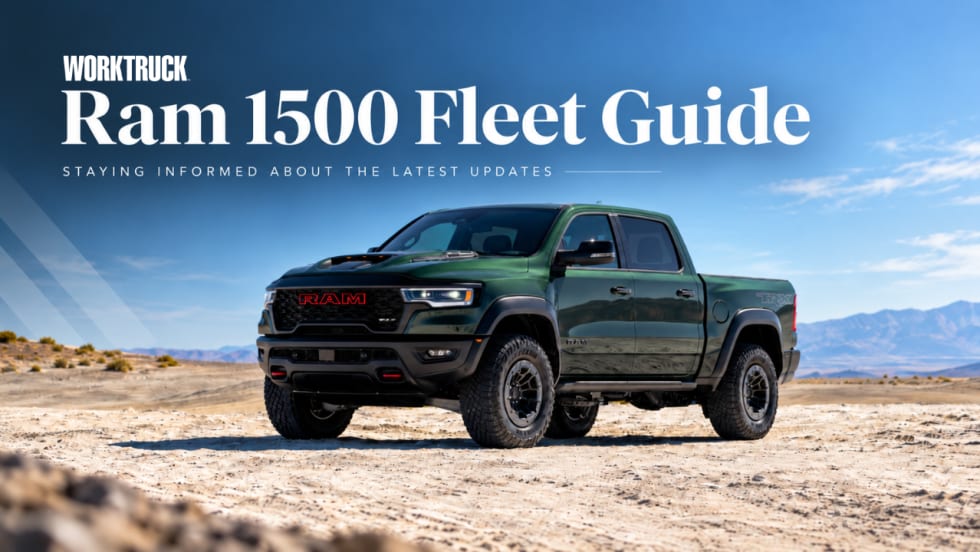
Ram 1500 Fleet Guide Specs, Capability and 2027 Model-Year Updates
Explore always up-to-date Ram 1500 fleet specs, engines, towing and payload capability, configurations, technology, pricing updates, and model-year changes.
Read More →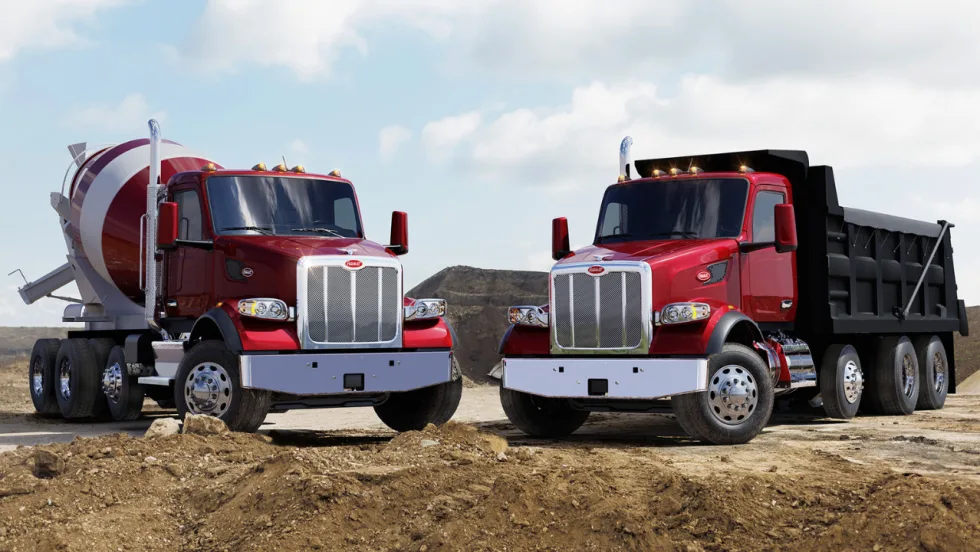
Peterbilt Trucks Equipped with Paccar TX-18 Pro Boost Efficiency for Maryland Fleet
Patuxent Companies is replacing aging trucks with the Peterbilt Model 567 and Model 589, specified with the Paccar TX-18 Pro 18-speed automated transmissions, and is reporting an 8% to 10% improvement in fuel economy.
Read More →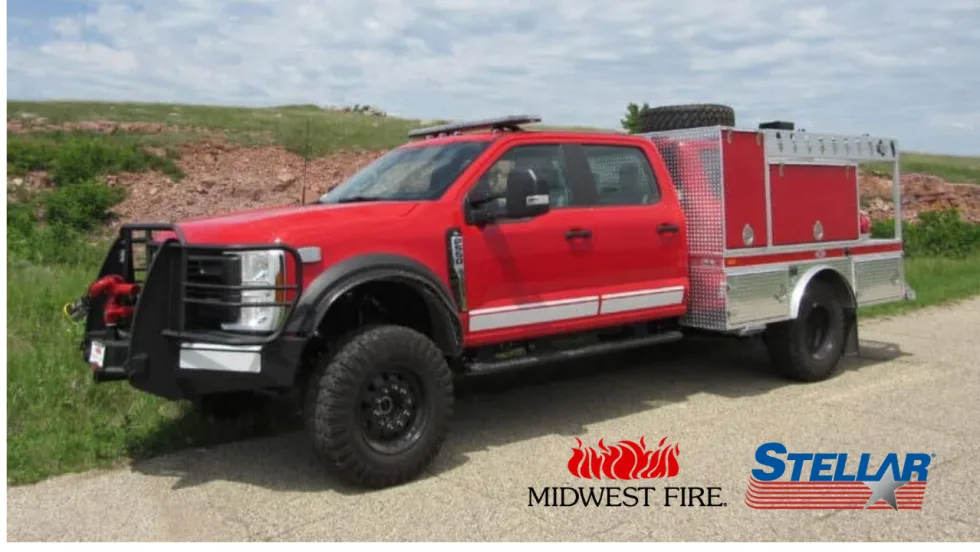
Stellar Expands into Fire Apparatus Market with Acquisition of Midwest Fire
Stellar Industries has acquired Midwest Fire, a custom fire apparatus manufacturer headquartered in Luverne, Minnesota, with nearly four decades of specialized apparatus experience.
Read More →