





Boost it Up: Mack MD with Allison Vocational Transmission
Manual or Automated Manual Transmission: What’s the Difference?
Work Truck talks manual vs. automated manual transmissions with Allison Transmission. Learn about the differences and why they matter.
March 24, 2021
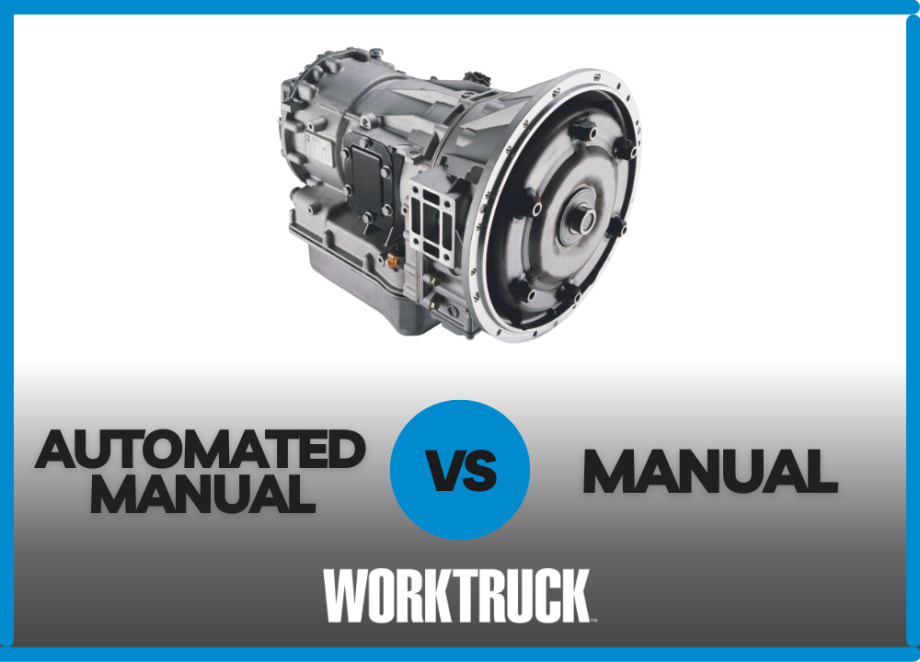
An automated manual transmission is NOT an automatic transmission. And it's different from a traditional manual. Check it out!
Photo: Work Truck/Allison Transmission
7 min to read
What is better? Automated manual or manual transmissions? What's the difference between the two types? Work Truck sat down with Branden Harbin, executive director of Global Marketing for Allison Transmission, to learn a little more about the difference.
Remember, there IS a difference between an automated manual transmission and a manual transmission - they are NOT the same.
In this article, we are focusing on the details and differences between the automated manual vs. manual transmission conversation. Check out what we learned:
Q&A with Allison Transmission: Automated Manual vs. Manual Transmission
There are clearly benefits for both an automated manual and manual transmission type.
But, what are the benefits of an automated manual transmission?
Work Truck: Can you briefly describe the differences between an automatic transmission and an automated manual transmission (AMT)? What is an automated manual transmission?
BRANDEN HARBIN: The primary difference between a fully automatic transmission and an automated manual transmission is the launch device. A fully automatic transmission employs a hydraulic torque converter coupling the engine to a planetary-geared transmission providing uninterrupted, continuous power shifts.
While the clutch pedal is removed in an automated manual, automated manual transmissions still use a standard manual gearbox with electrical or pneumatic clutch actuation, resulting in torque interrupts and loss of power during shifts.
These power interrupts cost drivers time and lead to higher maintenance costs due to wear and tear on the clutch. By comparison, the automatic’s torque converter is not a wear component.
Beyond the uptime advantage of the fully automatic transmission, the torque converter provides improved maneuverability in soft/loose soil or where drivers need more control.
Automated manual transmission, by comparison, typically begin to overheat and will cut power to protect the transmission in soft/loose soil. A torque converter creates an infinitely variable gear ratio, allowing drivers to easily manage power to the wheels. Drivers can control vehicle speed to smoothly creep with precision, maneuver more easily and have more control on grades – all while protecting the driveline from shock and reducing vehicle wear and tear.
Without a torque converter, automated manual transmissions cannot deliver power to the wheels smoothly, creating more opportunities for inefficient and uncontrolled operation.
WT: What benefits does an automatic transmission have over an automated manual transmission on driver productivity?
HARBIN: Automatics provide multiple productivity advantages over competitive automated manual transmissions. Among the many advantages, automatics are more productive because they enable faster acceleration than AMTs.
Allison Transmission's torque converter smoothly multiplies engine torque at launch and keeps the transmission continuously connected to the engine's maximum available output during each shift, providing up to 14% faster acceleration. The full-power shifts provide superior vehicle acceleration, allowing more work to be done in less time.
By comparison, automated manual transmissions must cut engine torque at launch to protect the clutch. Therefore, AMT-equipped trucks never utilize full engine torque at launch. Unfortunately for those operating AMT-equipped trucks, this is when peak torque is most needed, to get a fully loaded vehicle moving from a stop.
Automated manual transmissions do not benefit from engine torque multiplication because they require torque to be controlled or limited at launch to extend the life of the starting clutch. They also require a reduction of engine throttle at each shift, causing torque interrupts. These interrupts result in more shifts and lower vehicle speeds, requiring more time to do the same job.
As a second example, fully automatic transmissions eliminate the starting clutch, thereby eliminating truck downtime for required clutch replacements. This ensures maximum uptime and productivity for a fleet’s trucks. Many fleets have indicated they can operate a smaller fleet with automatic-equipped trucks, because each truck spends less time being repaired, whether proactively or worst case, reactively. In the case of a mixer truck, that lost downtime can be as much as $7,500 per truck per day.
And, that’s assuming that the barrel wasn’t full when the automated manual transmission clutch failure occurred, which would add additional repair cost to replace the barrel.
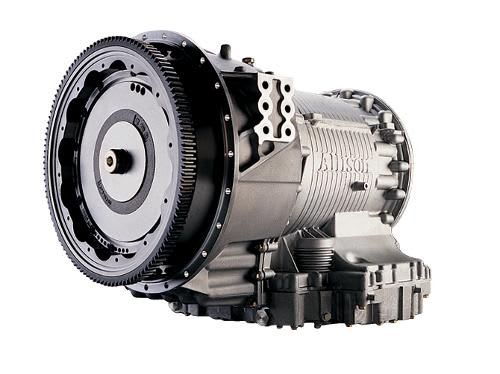
Allison’s 4000 Series is built for heavy-duty vehicles.
Photo: Allison Transmission
WT: What benefits does an automatic transmission have over a fully manual transmission on driver productivity?
HARBIN: An automatic has the same benefits over manual transmissions in terms of uninterrupted power at every shift, without the physical toll on a driver who has to shift all day or the wear and tear on the manual clutch.
With reduced driver fatigue, automatics increase driver retention and provide a more controllable environment for the driver and vehicle.
Smooth, seamless operation allows the driver to easily maneuver the vehicle so attention can be focused on the job at hand. It is also easier to recruit drivers to operate an automatic compared to increased training to drive a manual transmission.
A few manual transmission challenges include:
Fewer drivers are available today who have experience driving a manual transmission.
Many drivers have indicated that their careers have been extended by transitioning from a manual to a fully automatic transmission.
While beneficial for the individual, this transition has an added benefit of addressing the driver shortage problem our industry is facing as well.
And, the added cost of the automatic transmission is often significantly less than the cost to the business to recruit, train, and retain a replacement driver.
Vehicles with a manual transmission also have reduced maneuverability, difficulty on narrow roads, soft soil, steep grades, or backing into loading docks. Additionally, power take-off (PTO) cannot be applied on the fly as it can be with an Allison automatic transmission.
All of this can lead to driver frustration, abuse of the driveline components and reduced productivity.
WT: Are there any benefits/pros that a manual or automated manual transmission does still have over the automatic transmission?
HARBIN: In the short term, manuals and some automated manual transmissions cost less than a fully automatic transmission, from an acquisition price perspective. However, due to clutch maintenance and vehicle downtime of manuals and automated manual transmissions, vehicles equipped with an Allison Automatic tend to have lower maintenance costs, higher resale values and a lower total cost of ownership over the life of the vehicle.
There is no clutch to wear out on an Allison, and reduced maintenance intervals keep the vehicle on the road longer.
This is why most large national work truck fleets leverage Allison automatics. They have realized the superior total cost of ownership advantages Allison Automatics provide.
While the manual clutch pedal is removed on an automated manual transmission, the mechanical clutch still facilitates the vehicle’s launch and will wear and eventually burn out, requiring traditional maintenance and replacement.
Additional wearable clutch components include:
Clutch Cover/Intermediate Plate
Clutch Disc Assembly
Adjusting Mechanism
Clutch Brakes
Solo Clutch
Cross Shaft
Pilot Bearing
Input Shaft
Over time, manufacturers of automated manual transmissions have attempted to mimic the inherent capabilities of an Allison Automatic by promoting features such as Urge to Move, Creep Mode, Power Launch, Rock Free, Hill Assist, and Blended Pedal. However, all of these features can add cost and come at the expense of clutch wear and driveline failures.
And when push comes to shove, automated manual transmissions will always behave in a manner that protects the starting clutch. When a driver needs it most, the automated manual transmission will likely cut torque and limit driver input in an effort to protect the automated transmission.
WT: Anything else you would like to share today about automated or automated manual transmissions?
HARBIN: There is some misinformation regarding fuel efficiency of an automatic transmission versus manuals or AMTs. Some people believe the driver of a manual has better control over fuel efficiency, which is not true.
Fully automatic transmissions have been enhanced with new technologies to improve fuel efficiency including neutral at stop, acceleration rate management and dynamic shifting.
In nearly every application, particularly for work trucks, an Allison Automatic can achieve equivalent or superior fuel economy to manual and automated manual transmissions.
So, Do You Need an Automated or Automated Manual Transmission?
A fully manual transmission adds to driver fatigue and can reduce driver safety due to the need to multi-task. A fully automatic transmission can be costly. But at the end of the day, the best option is what works for your drivers and fleet safety goals.
And Allison Transmission is ready to help you meet your goals and get exactly the equipment you need.
To help continue with your safety goals and educational adventures, be sure to sign up for the Work Truck newsletters, magazine, and more today!
Subscribe to Our Newsletter
More Maintenance
Les Schwab Expands Commercial Tire Footprint Into Arizona
Les Schwab Tires has expanded into Arizona with two commercial tire locations in Phoenix and Tucson, strengthening its fleet service footprint in the Southwest.
Read More →
Volvo Trucks’ 'Lock and Leave' Software Updates Go Live Across North America
Unattended over-the-air software updates are now available in Volvo trucks across the U.S. and Canada. The new capability lets trucks stay current with the latest software without interrupting operations or requiring a dealership visit.
Read More →
Why Technician Appreciation Can’t Be a Once-a-Year Thought
For fleets trying to keep skilled technicians, recognition cannot begin and end with Technician Appreciation Week. Learn what year-round appreciation really looks like and why the everyday technician experience matters just as much as pay when fleets are trying to keep good people.
Read More →
How Faster Driver Reporting Can Keep Small Truck Problems Small
When minor damage, warning lights, or equipment issues are reported late, small problems can quickly become bigger maintenance headaches. Conversational AI can help shorten the path from what a driver notices in the field to the person who can act on it.
Read More →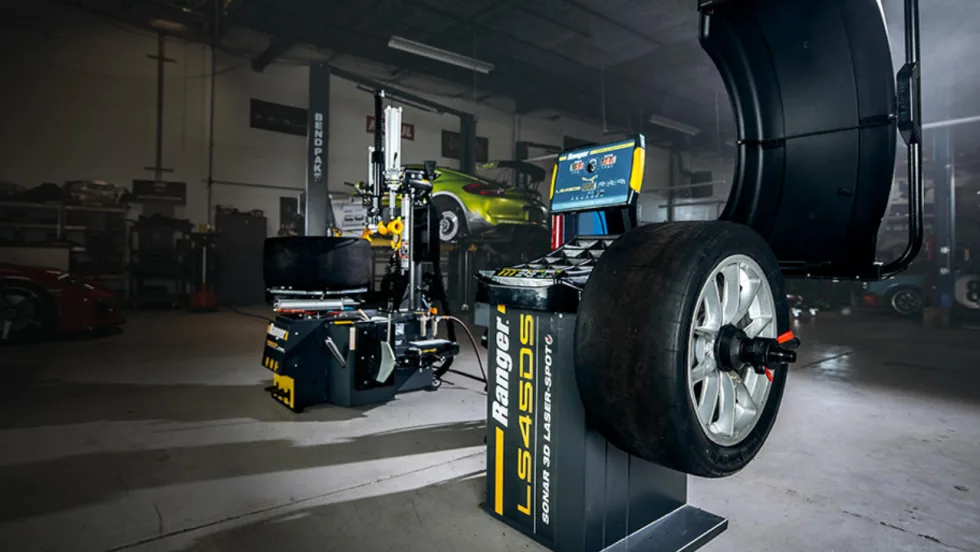
BendPak’s Ranger Wheel Service Equipment Achieves North American Safety Certification
BendPak’s full line of Ranger tire changers and wheel balancers has been ETL certified to UL and CSA standards to improve operator safety.
Read More →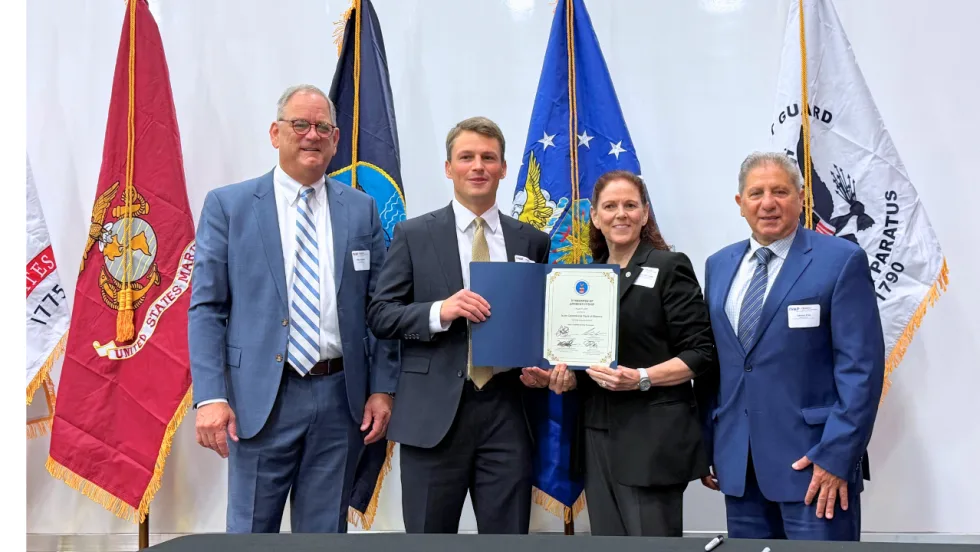
Isuzu & U.S. Department of Labor Celebrate Milestone for Veterans Apprenticeship Program
The Isuzu Veterans Apprenticeship Program (IVAP) signing ceremony highlighted Isuzu’s long-term commitment to veterans, Isuzu dealers, and the skilled workforce supporting its customers and the commercial transportation industry.
Read More →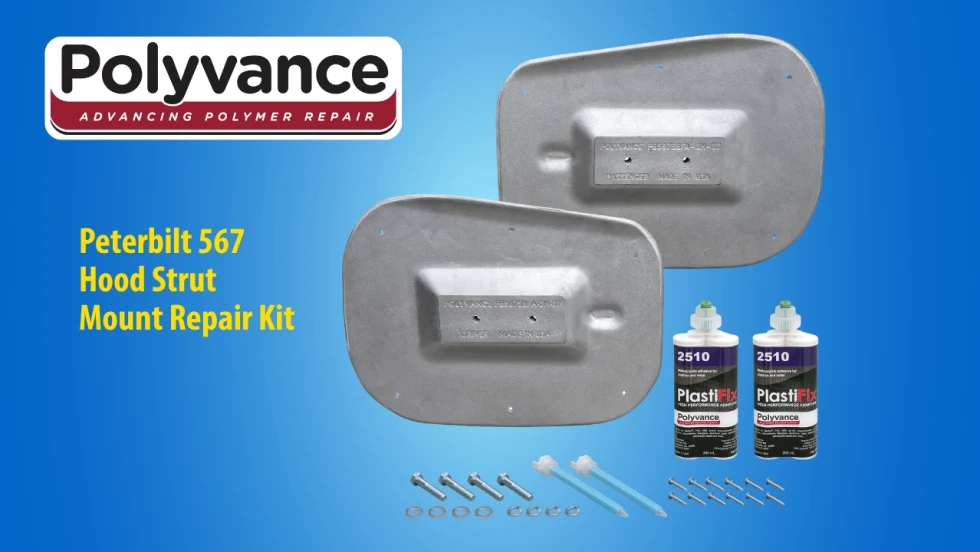
Polyvance Introduces New Peterbilt 567 Hood Strut Mount Repair Kit
Polyvance has launched a repair solution for Peterbilt 567 hood struts, helping truck owners and repair facilities avoid costly hood replacements.
Read More →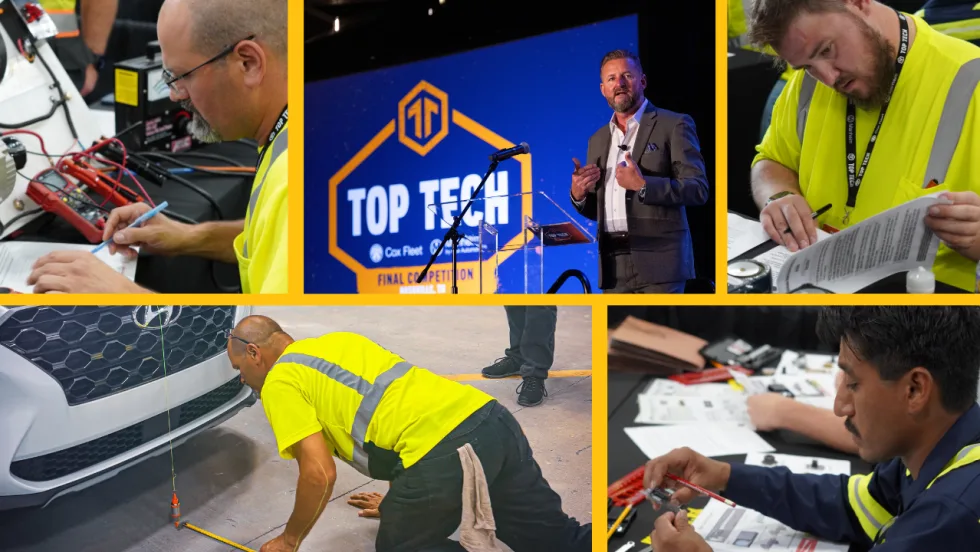
Cox Automotive Celebrates Technical Excellence at 2026 Top Tech Finals
The top technicians from Cox Fleet and Manheim tested their skills in Nashville, Tennessee, at Cox Automotive’s 2026 Top Tech Finals. The overall winners will advance to compete at the American Trucking Association’s TMC SuperTech competition.
Read More →
Grote Industries Appoints Vice President of North American Operations
Grote Industries has appointed Patrick Smith as vice president of North American operations as it celebrates 125 years of innovation and manufacturing excellence. He has more than 20 years of manufacturing leadership experience.
Read More →
Winter Fleet Prep: Expert Tips to Keep Vehicles Running Smoothly
Cold weather can expose weak batteries, tires, fuel systems, and maintenance gaps fast. Use this winter fleet checklist to prepare trucks and drivers before temperatures drop.
Read More →