




Related: MiX Adds Support for More Cameras on In-Cab Video System
Leveraging Big Data for Actionable Safety Intelligence
The ability to access or analyze big data, especially in real-time as it streams in, can have an enormous impact on fleet safety, particularly if it is used to predict the onset of an event or provide insight into how to transform a process or an operation.
by Peter Allen, MiX Telematics
December 7, 2017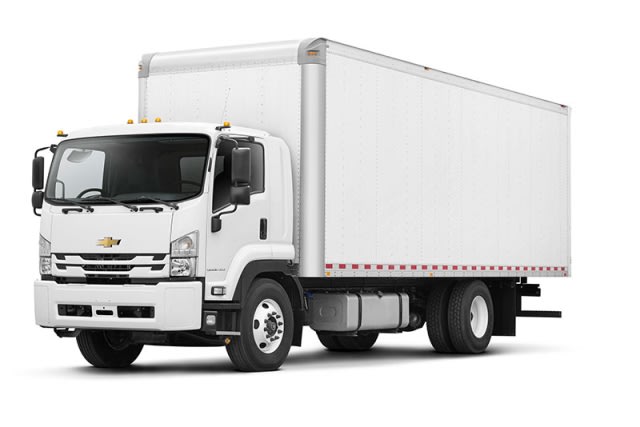
Image courtesy of Chevrolet
5 min to read
The term “big data” has been roaming the halls for a while now. It’s a phrase used to describe large volumes of data, both structured and unstructured, generated on a daily basis. For a trucking fleet, that could include data on vehicle location, driver hours of service (HOS), fuel economy, driving behaviors such as vehicle speed, and in-cab video footage. But, it’s not the volume of data that counts. One can have all the data in the world, but it’s what is done – or can be done – with that data that makes the difference.
The ability to access or analyze big data, especially in real-time as it streams in, can have an enormous impact on fleet safety, particularly if it is used to predict the onset of an event or provide insight into how to transform a process or an operation. Some fleet managers are beginning to call this “Actionable Safety Intelligence.”
It’s Your Call
There are a variety of driver safety, vehicle tracking and fleet management solutions out there. Which one you choose for your fleet depends on several factors, including:
The business’s objectives.
The size of a fleet operation.
The level of visibility preferred.
Buy-in from stakeholders.
Legislative considerations.
Entry-level asset tracking software enables fleet operators to trace the whereabouts of vehicles and drivers – a good solution for smaller, local businesses with short runs and few safety concerns.
Vehicles can be located on a map, giving those behind the screens the opportunity to plot their next move, improve utilization, and reduce misuse and theft. These simple solutions are generally not extensible, meaning that features cannot be added later on.
Integrated fleet management solutions, however, offer much more potential and a higher return on investment, and are designed for fleets that place a high priority on ensuring safety. Sophisticated software allows operators to not only track, but to manage, monitor and measure the performance of their vehicles and drivers and be notified, in real-time, about events, deviations, or impending dangers. The software can alert fleet managers, for instance, when a driver is speeding, driving off route, or is involved in a crash. Fleets using these solutions report that they are saving $50-100 per vehicle, per month, after factoring in the cost of the solution.
Generating Data for Change
Per year, there are roughly 389,000 large truck and bus crashes in the U.S. These crashes carry an estimated price tag of over $100 billion. What’s worse is that over 3,800 of these crashes result in at least one fatality*.
With fleet management software, various add-ons and integrations become valuable tools to generate Actionable Safety Intelligence in pursuit of one important goal: to proactively protect drivers and businesses, reduce crashes and save lives.
Driver Behavior Mod Tools
When integrated into a fleet management solution, in-cab driving aids, audible in-cab driver coaching, and driver engagement apps are all powerful tools used to not only modify driver behavior but generate important, actionable data that supports driver coaching and allows fleets to build a gamification culture around improving driving behavior.
A driver might receive an audible alert, for instance, if he or she is speeding. Simultaneously, fleet managers are alerted to the incident. The data can be used to inform driver training programs that take place at the yard.
ELD/HOS Solutions
ELDs help with Hours of Service compliance, of course, but can also do more. The obvious side-effect of Hours of Service compliance is that it helps curb driver fatigue, making safety the number one benefit of ELDs and fleet management systems.
Most ELDs can track not only assets but driver behavior such as rapid acceleration, harsh braking, and speeding, in order to create driver scorecards and coach drivers to improve their practices. Some ELD and fleet management systems also come equipped with integrated in-cab video, providing all the benefits already mentioned too.
All of this together helps reduce crashes (which in turn can help reduce a fleet’s insurance rates) and save lives.
In-Cab Video
In-cab video monitoring has proven time and time again to help improve poor driver behavior and overall fleet safety. Integrated in-cab video solutions allow videos to be automatically appended to driver profiles and tied to specific reports depicting specific triggered events, providing the opportunity for:
Video-led driver coaching and training
Post-crash analysis
Crash prevention and reduction
Subrogation of insurance claims
So, while in-cab video is a great way to spot and correct unsafe driving behaviors such as speeding, harsh acceleration, hard braking and corner handling, it also adds an important element to post-crash analysis, providing unprecedented insight (and irrefutable evidence) into what occurred in a cab and around the vehicle at the time of an incident.
Collision Avoidance & Distraction Detection Tech
Using specialized camera technology to track eye and facial behavior, these tools typically trigger a series of driver interventions, such as audible alerts or seat vibrations, to get the driver’s attention and help prevent a crash.
These events can be recorded for later viewing, and also integrated into driver scoring to give clearer driving profiles.
The outcome is that a fleet operator is able to harness meaningful data before taking steps to make improvements and prevent future occurrences.
The Bottom Line
Chances are that many fleets are already collecting much of the data referred to here as Actionable Safety Intelligence. How that is harnessed in order to set baselines and goals is a challenging prospect. Through innovation and technology described above, new solutions can cut through the complexity of hundreds of thousands of rows of data in favor of clear, concise Actionable Safety Intelligence and the support to make it happen.
* ‘Large Truck and Bus Crash Facts 2013,’ FMCSA, April 2015
Subscribe to Our Newsletter
More Safety
When Work Trucks Under 26,001 Pounds Need IRP Registration
Think trucks under 26,001 pounds are automatically in the clear when it comes to IRP? Not always. Learn where lighter vehicles can still run into trip permit, apportioned registration, and IFTA compliance requirements when crossing state or provincial lines.
Read More →
Volvo Trucks Releases New Safety Recommendations for Traveling with Pets
One of the most important recommendations for professional drivers traveling with pets is to ensure pets are properly restrained while the truck is moving. Other tips are available in the new guide from Volvo Trucks North America and Center for Pet Safety.
Read More →
API Issues Refueling Safety Guidelines
The American Petroleum Institute offers a list of safe vehicle refueling guidelines, including ways to avoid potential problems with static electricity discharges in fall, winter, and early spring.
Read More →
Winter Fleet Prep: Expert Tips to Keep Vehicles Running Smoothly
Cold weather can expose weak batteries, tires, fuel systems, and maintenance gaps fast. Use this winter fleet checklist to prepare trucks and drivers before temperatures drop.
Read More →
When a Work Truck Breaks Down, the Job Can Stop, Too
A work truck breakdown can stop more than the vehicle. Discover how payloads, jobsites, and specialty equipment change the roadside response.
Read More →
What Stronger Long-Term Fleet Service Partnerships Actually Require
Fleet service partnerships rarely fall apart all at once. Learn the three warning signs that trust is eroding and what fleets and providers can do before downtime, frustration, and lost revenue follow.
Read More →
Applause & TRUCE Software Partner to Improve Driver Safety Through AI-Powered Telematics & Employee Performance Management
Applause has integrated TRUCE driving metrics directly into its employee-first performance and safety platform that transforms mobile devices into AI-powered telematics.
Read More →
How Detroit Assurance with Active Brake Assist Works
Do you want to see what it is like to experience Detroit Assurance’s Active Brake Assist? In this video, Work Truck will put you in the cab to see how it all works and then hear more details from DTNA’s Mike Young.
Read More →
Get Left of Loss: A 5-Step Workplace Violence Prevention Framework for Fleet Operators
Violence risks do not stop at the driver’s door. Learn five practical steps fleets can take to spot threats early and protect workers before loss occurs.
Read More →
Sponsored•July 17, 2026
How Better Visibility Cut Speeding Violations by 48%
Fleet leaders don't need more data, they need clearer visibility into what the data is saying. This case study explores how one utility replaced speeding-event counts with a single metric — miles driven in violation — to strengthen safety and significantly reduce speeding violations.
Read More →