




Learn More: Top Tips to Make Upfitting Work Truck Fleets a Breeze
Issues With Upfitting and When to Expect Improvements
Fleet managers are still experiencing setbacks when it comes to upfitting work trucks. Experts share their knowledge on supply chain disruptions and when to expect improvements regarding upfitting trucks.

Hillary Weiss・Senior Editor

Work truck managers are experiences the setbacks from supply chain distruptions.
Photo: Work Truck
4 min to read
In fleet management, time is money, and any hiccup in the upfitting process can lead to substantial financial setbacks. Fleet managers face unique challenges related to time constraints when upfitting their work trucks.
We have insights shared by industry experts to understand the current landscape better and explore potential future improvements.
Understanding the Supply Chain Disruption
Rachel Farrell, Strategic Partnerships Manager at DECKED, emphasized the significant disruption in the supply chain, referring to it as a "princess and the pea scenario."
Fleet managers, situated at the end of the supply chain, experience the domino effect of even minor disruptions, leading to waves of delays.
To counter this, fleets increasingly opt for simplified upfits and American-manufactured goods to mitigate the burden of supply chain disruptions.
Farrell stated, "Time lost is money lost for these companies." Delays impact the vehicle's time-to-market, resulting in increased maintenance costs for existing vehicles and complicating the overall scope of fleet managers.
Importance of Planning and Communication
At DECKED, a customer ordered 200 trucks for delivery this year and only received 25 of them.
This uncertainty in vehicle allocations makes planning challenging, affecting purchasing power and creating nightmares in coordinating suppliers, upfitters, and getting vehicles on the road.
Farrell stressed the importance of planning and communication in mitigating time-related issues during the upfitting process.
She recommends getting ahead of potential delays through open and honest communication. DECKED focuses on streamlined manufacturing processes to reduce delays, investing heavily in engineering and mechanics.
Regulations and Standards Impact
While Farrell doesn't foresee significant regulation changes, she notes a growing acceptance of longer lead times as the new normal.
Fleet leaders adapt to this reality, playing a strategic game of Tetris with their upfits until vehicle availability and other critical components become more easily accessible.
In terms of anticipating improvements, fleet managers should focus on what they can control.
Choosing simplified, American-made upfits and ensuring transparent communication from upfitters and suppliers can help navigate the current challenges until broader supply chain disruptions are resolved.
Adapting to Industry Trends
The influence of industry trends, such as the adoption of electric or autonomous vehicles, can also have an impact on upfitting times.
As more companies strive to include electric vehicles in their lineup, the uptake among vocational fleet operators, especially those with intricate customizations, tends to lag.
Nevertheless, the supply chain for these modifications is adapting and is poised to keep evolving soon.
Brad Blanco, Vice President of Operations at Holman, said: “From an upfitter’s perspective, we’re coordinating closely with our OEM partners to get as much information as possible on new models – technical specs, precise measurements, CAD diagrams, etc. – before these units arrive at our production facility to mitigate any potential production delays.”
Blanco explained that, upon the launch of new models, Holman’s collaboration with manufacturers involves expediting the arrival of pilot units to their site.
"Additionally, as new models are introduced, we work with the manufacturers to get pilot units onsite as soon as possible so our team of engineers can get hands on with the units to stay ahead of the changes, design products and components accordingly, develop strategies for installation, and ultimately, provide insightful recommendations to our customers," Blanco added.
This proactive approach aids in tailoring products and components, devising installation strategies, and, most importantly, delivering informed guidance to their clientele.
“This all really speaks to the importance of understanding precisely how a particular unit will be used and having strategic conversations with your upfit partner to ensure the unit is properly spec’d to avoid unnecessary delays,” Blanco added.
When to Expect Improvements
Our upfitter experts anticipate it will likely take another order cycle — approximately 12-15 months — until upfit production times significantly improve.
Holman focuses on increasing production capacity and component inventory levels to offset upstream challenges.
Blanco advised, “If you can standardize the number of upfit solutions in your catalog, you’ll have greater flexibility to shuffle units across your fleet to areas or roles where the vehicle is needed most.”
While improvements may take time, industry experts suggest focusing on transparent communication, standardization of upfitting processes, and strategic collaboration to navigate the current landscape successfully.
As the industry adapts to emerging trends, fleet managers should stay vigilant, plan proactively, and foster strong partnerships with upfitters and suppliers to ensure a smoother upfitting experience in the future.
Subscribe to Our Newsletter
More Upfitting
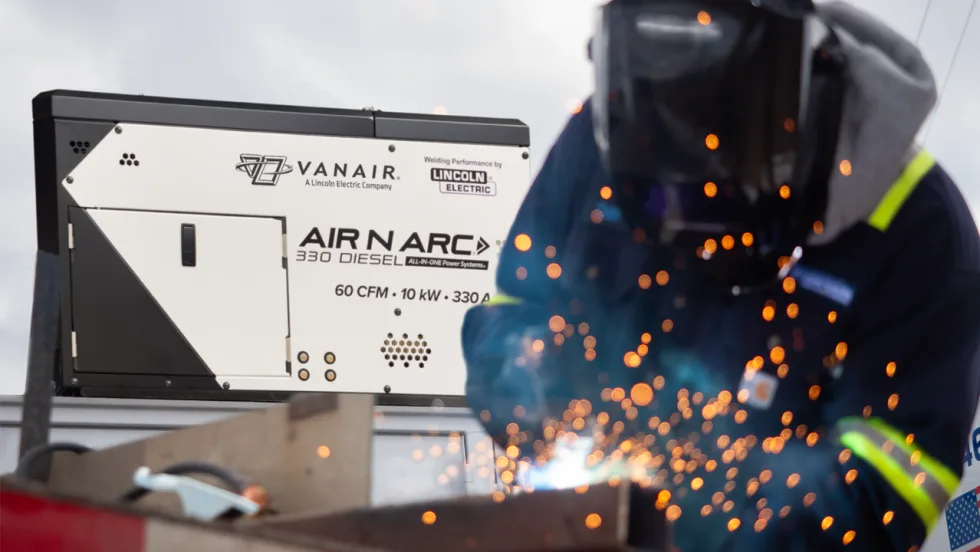
Multitasking: Vanair’s Air N Arc 330 Diesel 60 CFM All-In-One Power System
The Air N Arc 330 Diesel 60 CFM from Vanair consolidates a welder, generator, rotary screw air compressor, battery booster, battery charger, and EV charger into a single 750-pound enclosure driven by one 24.8-horsepower Kubota diesel engine.
Read More →
Buyers Products Awarded Sourcewell Cooperative Purchasing Contract for Snow & Ice Equipment
Buyers Products has been awarded a Sourcewell contract for a wide range of winter maintenance equipment and accessories, including snowplows, municipal plow systems, wing plows, spreaders, and more.
Read More →
Hilltip Introduces the SnowStriker SFT Flex Expandable Box Plow
Hilltip’s new SnowStriker SFT Flex expandable box plow features hydraulically extendable sections that allow operators to adapt the clearing width to changing conditions and applications on the go.
Read More →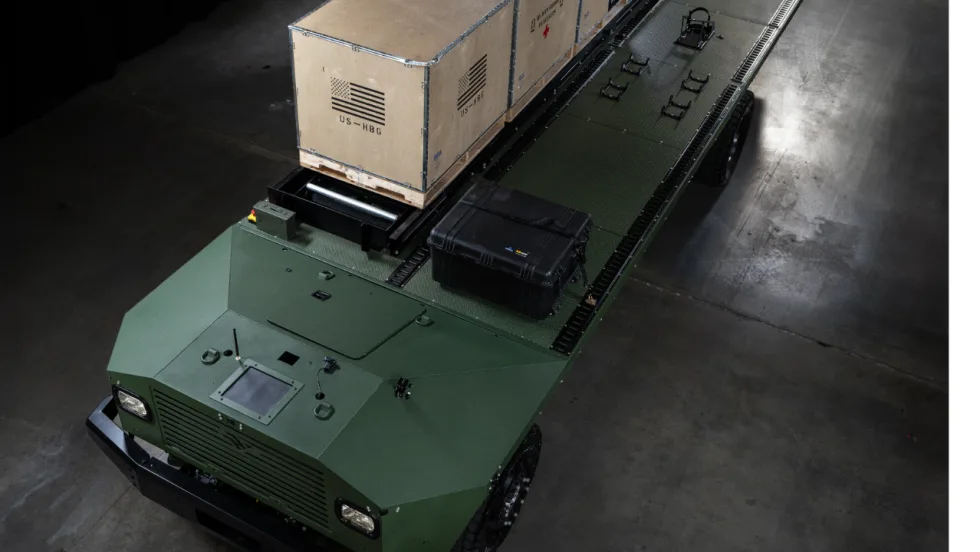
Harbinger Part of Effort to Deliver Autonomous Logistics Capabilities for U.S. Army
American Rheinmetall received an 18-month U.S. Army contract to deliver autonomous, hybrid-powered uncrewed ground vehicles. Harbinger is providing the truck platform for those vehicles.
Read More →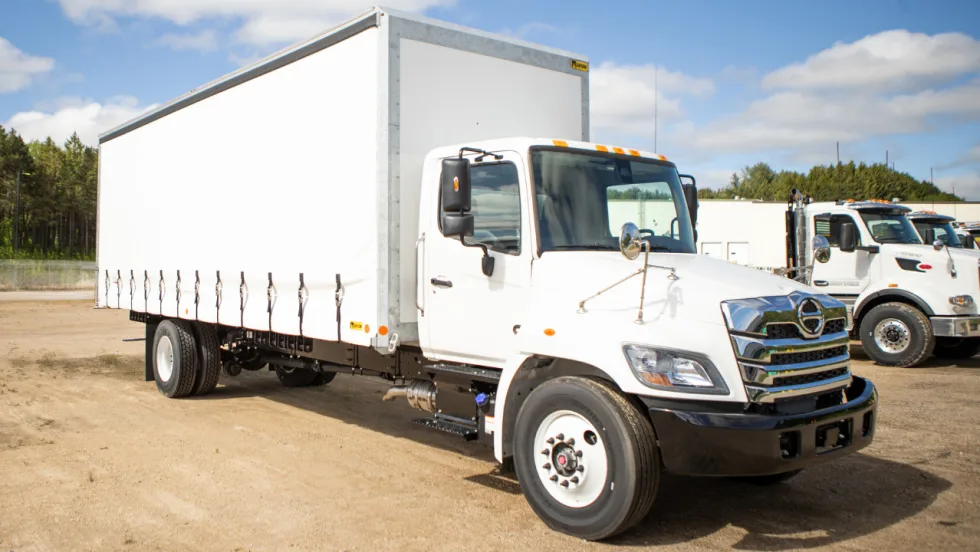
Thinking Outside of the Box: Choosing the Right Truck Body for Your Fleet
Choosing the right truck body can have a major impact on loading efficiency, cargo protection, downtime, and long-term operating costs. Here’s how dry vans, platforms, and curtainsiders compare, plus what fleets should consider before spec’ing their next truck.
Read More →
Fourth Annual Upfit Package of the Year Awards Open for 2027 Entries: One Month Left!
Think your upfit deserves industry recognition? Enter the 2027 Work Truck Upfit Package of the Year Awards before the Sept. 30 deadline. There is less than a month left to get your submissions in!
Read More →
Reading Truck Equipment & Masterack Unite as One of North America's Largest Commercial Vehicle Upfit Networks
Reading Truck Equipment and Masterack have integrated operations to create one of North America's largest and most comprehensive commercial vehicle upfit organizations.
Read More →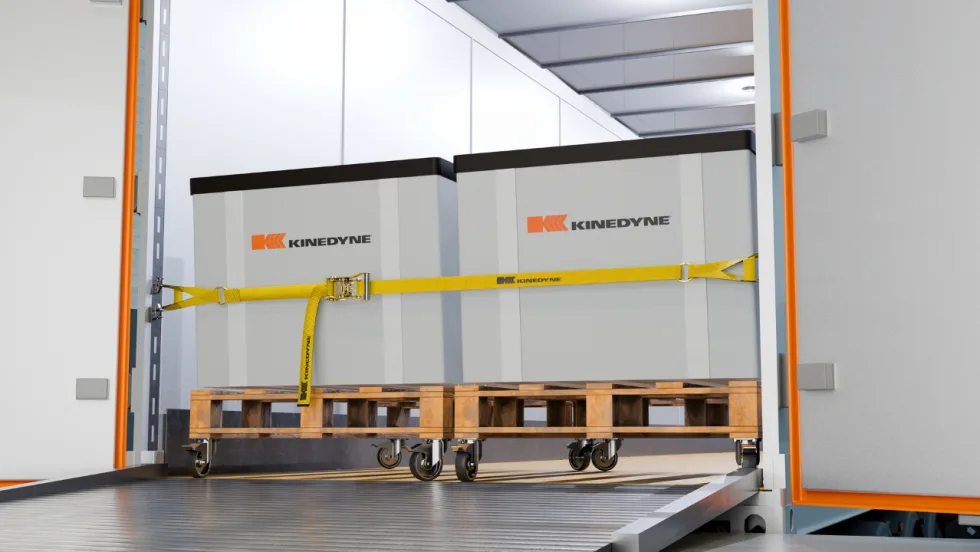
Kinedyne Launches Heavy Duty Logistic Shoring Strap
Kinedyne’s new Heavy Duty Logistic Shoring Strap features a patent-pending four-point design to deliver greater cargo stability, increased strength, and easier handling for rolling and shifting freight.
Read More →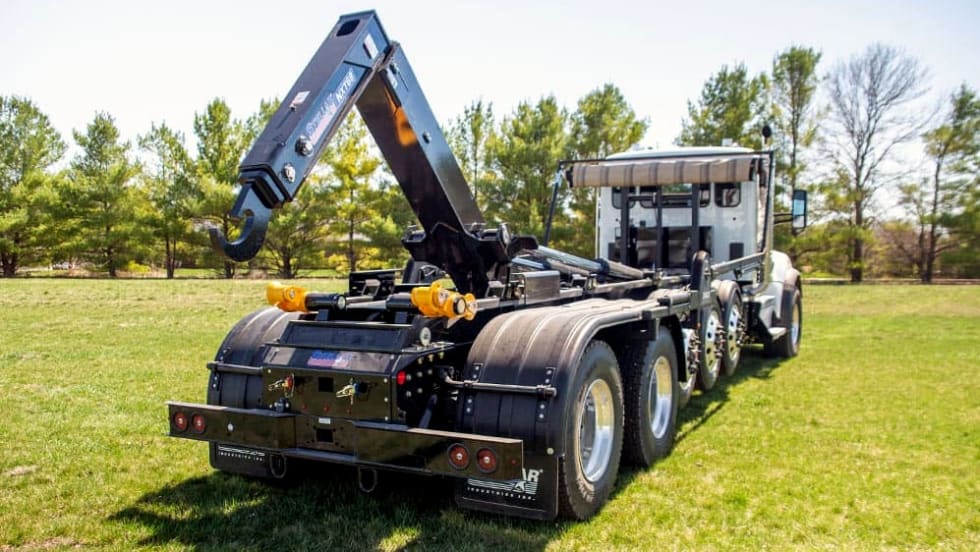
Hooklift Bumper Design from Stellar Showcases Strength & Versatility
Stellar Industries’ new bumper for the NZT Series Hooklifts come in two capacity options: the 20K, designed for Class 3 – 6 chassis with a 20,000-pound pull capacity, and the 90K, built for Class 7 and 8 chassis with a 90,000-pound pull capacity.
Read More →
Maxon Lift Awarded the Wabash Platinum Award for Supply Chain Performance
Maxon Lift, a liftgate manufacturer since 1957, received the Wabash Platinum Award for supply chain performance in 2025. Each year, Wabash presents awards to top suppliers for excellence in supply chain performance.
Read More →