




RELATED CONTENT: Hot! Hot! HOT! Why Trucks Should Keep an Eye on Tires When Temps Rise
How to Select the Right Tires for Medium-Duty Truck Applications
Proper tire selection takes into account specific vehicle application and vehicle weight. Find out what other factors should be considered.
by Staff
November 1, 2012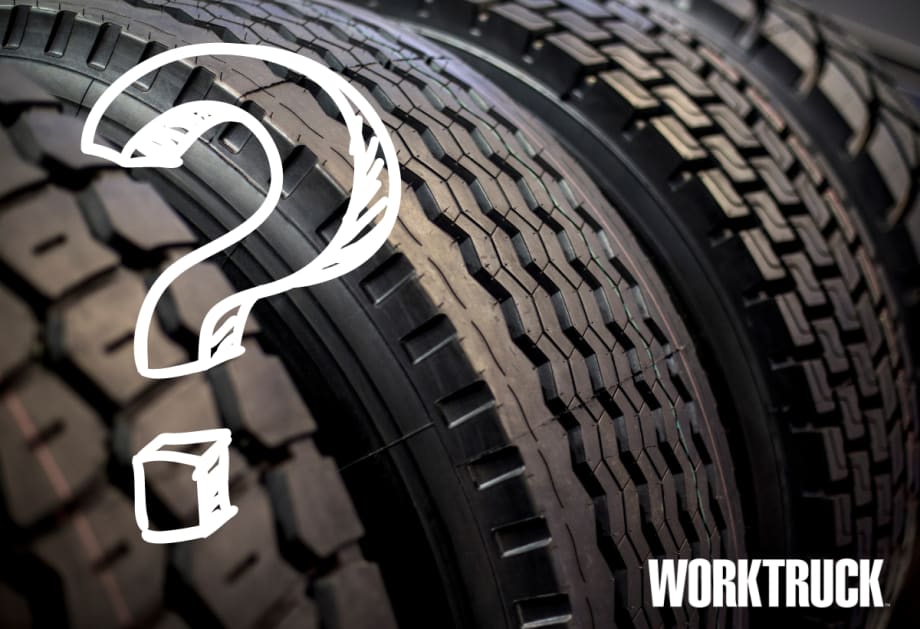
Fleet managers can choose the best tires for a fleet, but, if tires are not properly maintained, the full value of the tire won’t be realized.
Photo: Canva
4 min to read
Tire selection for medium-duty trucks directly impacts fuel economy, vehicle performance, and tire replacement cycles. Any mismatch between the tire specifications and how the truck is used will lead to increased instances of vehicle downtime and higher overall operational costs.
To help fleet managers sort through all the important considerations and complexities that come with choosing tires for medium-duties, Work Truck tapped the expertise of Mike Macik, analyst and certified world-class technician for Automotive Resources International (ARI), a Mount Laurel, N.J.-based fleet management firm with more than 923,000 vehicles under management in North America and the UK.
WT: What makes tire selection more complicated with medium-duty trucks compared to light-duties?
MACIK: The challenge in choosing tires for a medium-duty truck is the number of variables you need to factor into the overall decision. Medium-duty tire manufacturers have many different tread types designed around a vehicle’s operating weight and specific tire position or axle. For example, some tires are designed for the steering axle (otherwise known as free rolling), while others are designed for the drive axle. All-position tires are designed for either the steering or drive axle. Tires are also designed to accommodate the kind of driving the vehicle will be employed to do, such as on- or off-road or long-haul.
WT: What are fleet managers' most important factors when spec’ing medium-duty tires?
MACIK: The two most important variables to consider are the vehicle's specific application and weight considerations. A vehicle that is going to be making deliveries in an urban or suburban environment will have different needs than a dump truck that will be used off-road and cover tough terrain. Other considerations include GVWR compatibility, ride-height requirement, over-the-road versus off-road performance and durability, traction, and climate considerations (especially in Snowbelt areas).
Having the wrong tires on a vehicle can cause a multitude of problems, including diminished tread life, higher overall operating costs, and — in the worst-case scenario — a driver left stranded and a vehicle in need of repair.
WT: What are examples of applications where tire selection considerably impacts performance and operational costs?
MACIK: The loss of traction can cause extreme damage to a truck’s driveline and suspension and can cost the company a small fortune over time with recovery fees. If a truck is going to spend most of its life in off-road situations, choose an aggressive tread for additional traction in dirt, mud, and — at times — snow.
WT: What tread design features and other attributes make a tire good for over-the-road (fuel economy) applications versus other application types?
MACIK: The weight of the truck, the anticipated driving terrain, and the vehicle application will all affect which attributes and design features a fleet manager should consider when choosing tires. Variations in any of those variables change the kind of tires to be considered.
For example, if you are looking for tires for a fleet that will operate within Snowbelt states or in the mountains, you need to select tires that will accommodate those weather conditions. If, however, you are looking to purchase tires for a fleet that will operate in an urban environment, you will want to look for a smoother tread design to allow for less rolling resistance and increased overall fuel economy. There are manufacturers that produce reduced rolling resistance tires that meet EPA’s SmartWay Technology Program. These tires are documented to have reduced emissions and fuel consumption by at least 3%.
On occasion, a fleet manager may be inclined to overestimate the needs of a vehicle or a fleet, thinking that a more aggressive tread will keep a vehicle from losing traction and keep the vehicle productive and on the road. But, if a tread is too aggressive for over-the-road use, tread life will be compromised, and the total cost will be higher in the long run.
When choosing the correct tire tread, it’s best to think about the roads traveled and the vehicle’s application. Don’t over-prepare for the worst — focus instead on exactly the kind of work your fleet will be doing and pick the best tire tread that will provide you with the most tread life.
WT: Is there any other advice you think is important for fleet managers to know about proper tire selection for medium-duties?
MACIK: If buying tires in bulk, be sure they are name-brand tires that provide manufacturer support and can match a damaged tire while over-the-road. This also holds true for retreaded tires. There are many retread manufacturers, but stick to name brands as the cap is less likely to delaminate from the tire casing, leaving those unsightly and dangerous “road alligators” behind.
Also, in the end, the most important design feature is a well-maintained tire. Fleet managers can choose the best tires for a fleet, based on all of the variables mentioned, but, if tires are not properly maintained, the full value of the tire won’t be realized. For example, keeping tires properly inflated and ensuring tire pressure is consistently well maintained ultimately reduces rolling resistance and increases fuel mileage. Don’t discount the value of maintaining a tire once it has been purchased.
Subscribe to Our Newsletter
More Maintenance
Les Schwab Expands Commercial Tire Footprint Into Arizona
Les Schwab Tires has expanded into Arizona with two commercial tire locations in Phoenix and Tucson, strengthening its fleet service footprint in the Southwest.
Read More →
Volvo Trucks’ 'Lock and Leave' Software Updates Go Live Across North America
Unattended over-the-air software updates are now available in Volvo trucks across the U.S. and Canada. The new capability lets trucks stay current with the latest software without interrupting operations or requiring a dealership visit.
Read More →
Why Technician Appreciation Can’t Be a Once-a-Year Thought
For fleets trying to keep skilled technicians, recognition cannot begin and end with Technician Appreciation Week. Learn what year-round appreciation really looks like and why the everyday technician experience matters just as much as pay when fleets are trying to keep good people.
Read More →
How Faster Driver Reporting Can Keep Small Truck Problems Small
When minor damage, warning lights, or equipment issues are reported late, small problems can quickly become bigger maintenance headaches. Conversational AI can help shorten the path from what a driver notices in the field to the person who can act on it.
Read More →
BendPak’s Ranger Wheel Service Equipment Achieves North American Safety Certification
BendPak’s full line of Ranger tire changers and wheel balancers has been ETL certified to UL and CSA standards to improve operator safety.
Read More →
Isuzu & U.S. Department of Labor Celebrate Milestone for Veterans Apprenticeship Program
The Isuzu Veterans Apprenticeship Program (IVAP) signing ceremony highlighted Isuzu’s long-term commitment to veterans, Isuzu dealers, and the skilled workforce supporting its customers and the commercial transportation industry.
Read More →
Polyvance Introduces New Peterbilt 567 Hood Strut Mount Repair Kit
Polyvance has launched a repair solution for Peterbilt 567 hood struts, helping truck owners and repair facilities avoid costly hood replacements.
Read More →
Cox Automotive Celebrates Technical Excellence at 2026 Top Tech Finals
The top technicians from Cox Fleet and Manheim tested their skills in Nashville, Tennessee, at Cox Automotive’s 2026 Top Tech Finals. The overall winners will advance to compete at the American Trucking Association’s TMC SuperTech competition.
Read More →
Grote Industries Appoints Vice President of North American Operations
Grote Industries has appointed Patrick Smith as vice president of North American operations as it celebrates 125 years of innovation and manufacturing excellence. He has more than 20 years of manufacturing leadership experience.
Read More →
Winter Fleet Prep: Expert Tips to Keep Vehicles Running Smoothly
Cold weather can expose weak batteries, tires, fuel systems, and maintenance gaps fast. Use this winter fleet checklist to prepare trucks and drivers before temperatures drop.
Read More →