





Learn More: More Vocational Fleets Adopt Lightweighting Strategy
How to 'Right Spec' Your Trucks and Vans
Downsizing to a smaller truck or van can improve your total cost — if you can afford the downgrade in capabilities.
March 11, 2010

Understand the 80-15-5 rule: How much capacity will the truck or van need to tow or haul 80% of the time, 15% of the time, and 5% of the time? In most cases, the vehicle should be spec'd to meet the 80% requirement.
Photo: Work Truck
4 min to read
We've all heard the word "downsize" a bit too much in the past year. Mostly, it's in reference to a friend or family member losing a job. But it's also relevant to our new environmental consciousness and using only as much as we need.
This holds true for fleets: In addition to reducing our carbon footprint, high gas prices have caused fleets to take a harder look at spec'ing trucks and vans for the job.
With the help of the lifecycle analysis experts at Vincentric, we performed a hard-numbers analysis to aid in your vehicle spec. Vincentric calculated lifecycle costs for common light-duty truck and van models in different weight classes.
We have included cargo, payload, and towing capacities for each model. With a comparison to lifecycle costs, you can estimate how much you'll be outlaying - or saving - by moving into a different weight class or model.
Vincentric calculates nine factors in its lifecycle analysis: estimated cap cost, depreciation, fees and taxes, fuel, maintenance, repairs, insurance, financing, and opportunity cost. Vincentric calculated total costs for each model after three years, as well as cents per mile. We have broken out total estimated fuel cost to highlight how downsizing can save in fuel expense.
We have made our best attempt at apples-to-apples comparisons, though capacities and lifecycle costs vary, even within weight classes.
Cost Savings for Downsizing
Almost all models in this analysis realize an overall cost savings when moving to a smaller weight class.
Downsizing from a 1-ton (350/3500) pickup to a ¾-ton (250/2500) pickup can save 1 cent (GM products) to 5 cents per mile (Dodge Ram).
Downsizing from a ¾-ton pickup to a ½-ton (150/1500) pickup can save 8 cents (Dodge Ram) to 14 cents per mile (GM and Ford).
Downsizing from a ½-ton pickup to a compact pickup can save 6 cents (Chevrolet) to 18 cents per mile (Nissan).
Downsizing from a 1-ton van to a ¾-ton van can save 6 cents (Ford and GMC) to 8 cents (Chevrolet).
Downsizing from a ¾-ton van to a ½-ton van can save 3 cents (Ford) to 6 cents (Chevrolet).
Downsizing from a ½-ton van to a smaller cargo vehicle (Express 1500 vs. HHR or E-150 vs. Transit Connect) saves 14 cents.
Does It Make Sense for You?
Are the savings enough to warrant a switch to a smaller vehicle? For spec'ing purposes, can you afford to give up cargo room, payload capacity, and towing capacity to realize these savings?
You'll save in overall lifecycle costs by moving down from 1-ton and ¾-ton models into a 1/2-ton model. However, you'd better make sure your payload and towing capacity needs fit the smaller truck. By moving from a Silverado 2500 down to a 1500, you'd save about 20 percent in total cost over three years. However, you'd lose more than half (58 percent) of your payload capacity and 27 percent in towing capacity.
Cargo volume enters the equation when considering cargo vans. Do you need space, but don't require a heavy payload capacity? A move up in weight class will get you more payload and towing capacity, though cargo volumes on Ford E-Series vans and Chevy/GMC vans stay the same.
Consider cargo volume and payload capacity needs carefully: the difference in total lifecycle costs from a 1/2-ton to a 1-ton van model is as much as $8,000 over three years.
On the light-duty end, Ford's new Transit Connect van works well with tasks that require some space, but a lighter payload, combined with very good fuel costs and total costs. Businesses such as dry cleaners, bakers, and florists fall into this category.
Can You Downsize?
When you look at the clutter in the back of one of your trucks, it may not seem possible to downsize. But how much of what you see is exactly that - clutter? Is all of it essential to your drivers' daily jobs? Your trucks don't have to be "rolling warehouses," ready for every unexpected job variation.
Understand the 80-15-5 rule: How much capacity will the truck or van need to tow or haul 80% of the time, 15% of the time, and 5% of the time? In most cases, the vehicle should be spec'd to meet the 80% requirement.
Under-spec'ing may not initially reveal problems, though overtaxing your vehicles' components will increase maintenance costs in the long run.
From a safety perspective, regularly pushing the limits on your max tow rating can result in loss of control of the vehicle. And from a business outlook, can you accommodate a growth in your business with your present vehicles or will you have to fleet-up?
"Right spec'ing" your vehicles more precisely to the task should be a project undertaken every time you turn your fleet. Just make sure weighing total costs versus capabilities is part of the equation.
Subscribe to Our Newsletter
More Vehicle Research
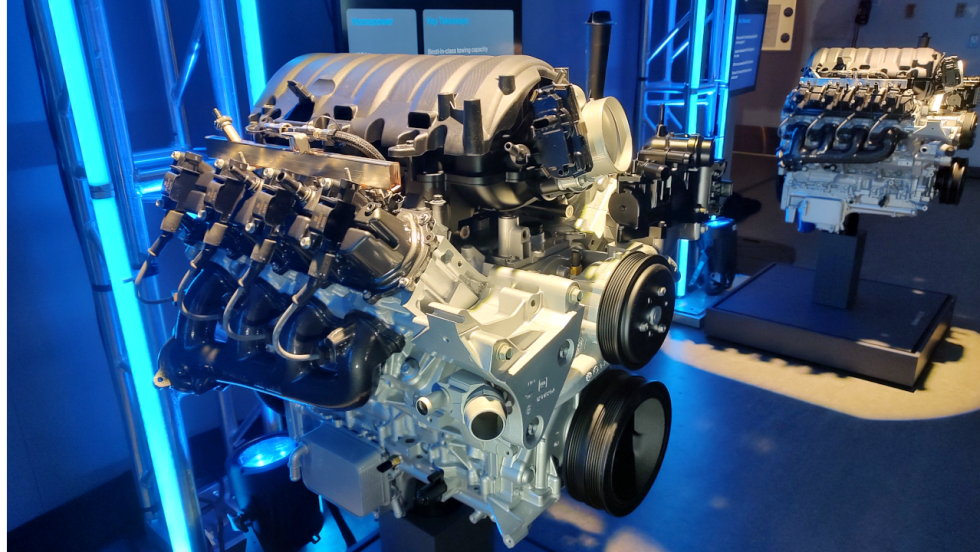
GM Unveils New Sixth-Generation Small Block Engines for 2027 Light-Duty Pickups
General Motors unveiled two new small-block engines, backed by extensive real-world validation and more than 70 years of small-block V8 manufacturing experience, as part of the engine portfolio for the 2027 Chevrolet Silverado 1500 and GMC Sierra 1500.
Read More →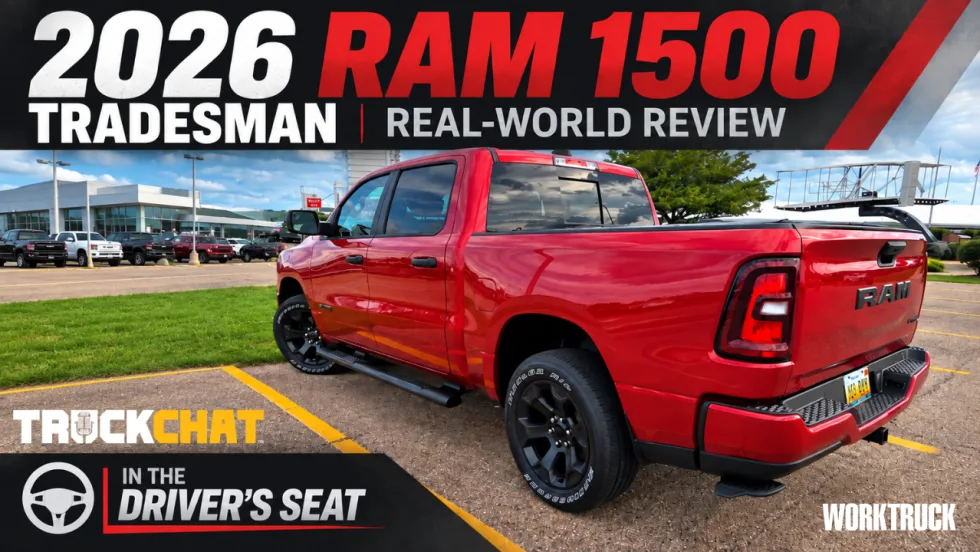
2026 Ram 1500 Tradesman Put to a Real-World Fleet Test
A few days behind the wheel of a 2026 Ram 1500 Tradesman turned into a test of visibility, parking, work-ready features, and even severe-weather driving.
Read More →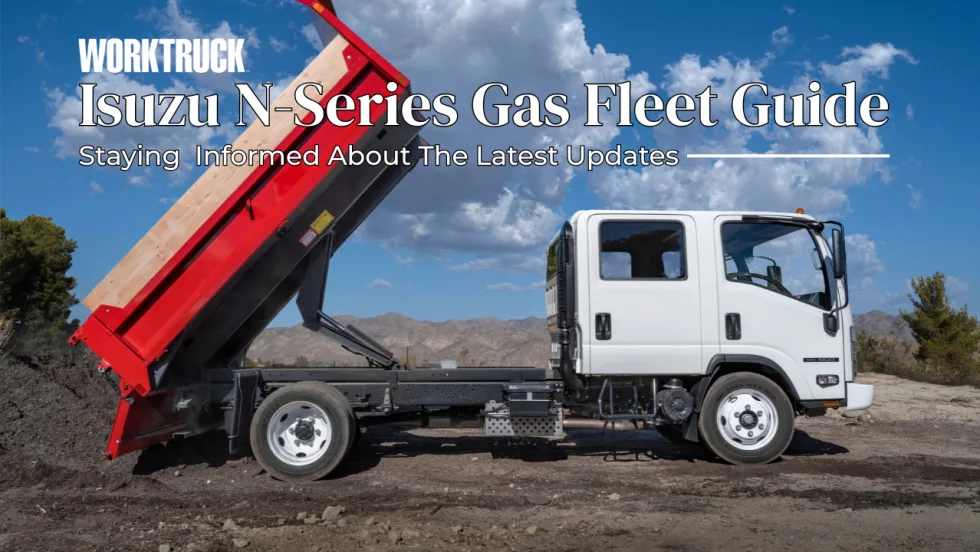
Isuzu N-Series Gas Fleet Guide: Specs, Capability and 2027 Model-Year Updates
Explore Isuzu Truck North America’s N-Series Gas fleet specs, engine performance, GVWR and payload capability, configurations, chassis dimensions, work-focused features, and 2027 model-year information.
Read More →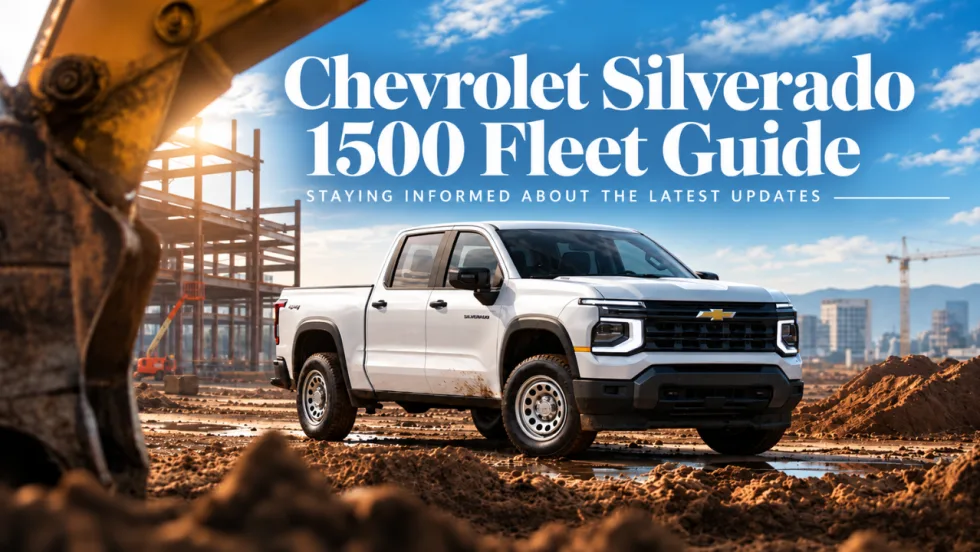
Chevrolet Silverado 1500 Fleet Guide Specs Capability and 2027 Model-Year Updates
The next-generation 2027 Chevrolet Silverado 1500 brings new V-8 engines, updated technology, expanded safety features, and a fleet-focused Work Truck. Here’s what commercial fleets need to know so far.
Read More →
Ram ProMaster City Fleet Guide Specs Cargo Capacity and 2027 Updates
Work Truck’s Ram ProMaster City Fleet Guide tracks the latest specifications, cargo capability, configurations, fleet technology, pricing, and model-year updates for Ram’s mid-size commercial van.
Read More →
Ford F-150 Fleet Guide Specs Capability and 2026 Model-Year Updates
Explore 2026 Ford F-150 fleet specs, engines, towing and payload capability, configurations, work features, technology, and model-year updates.
Read More →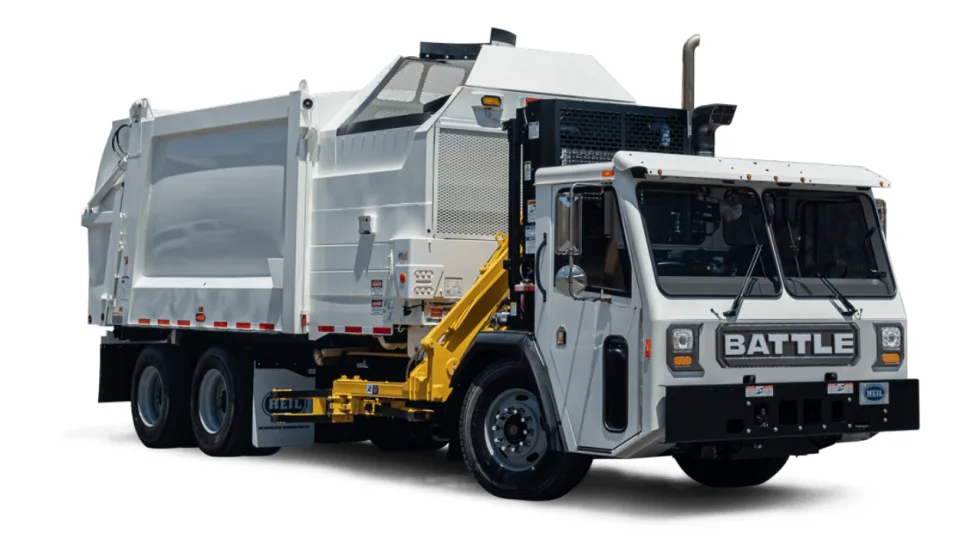
TCI Now Sells & Supports Battle Motors’ Vocational Trucks
Midwest truck dealer Truck Centers, Inc. (TCI) has expanded its transportation solutions with sales and service support for Battle Motors’ heavy-duty vocational trucks at locations in locations in Indiana, Illinois, and Missouri
Read More →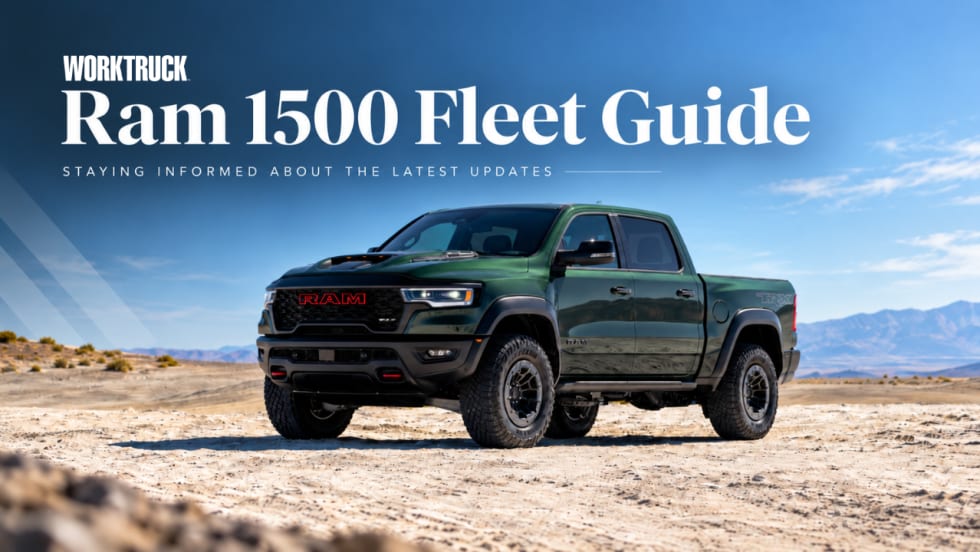
Ram 1500 Fleet Guide Specs, Capability and 2027 Model-Year Updates
Explore always up-to-date Ram 1500 fleet specs, engines, towing and payload capability, configurations, technology, pricing updates, and model-year changes.
Read More →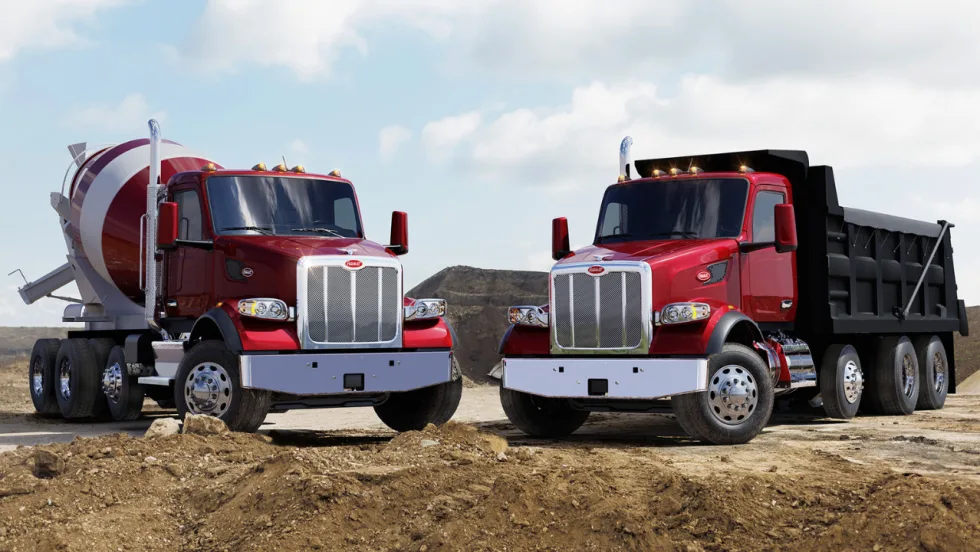
Peterbilt Trucks Equipped with Paccar TX-18 Pro Boost Efficiency for Maryland Fleet
Patuxent Companies is replacing aging trucks with the Peterbilt Model 567 and Model 589, specified with the Paccar TX-18 Pro 18-speed automated transmissions, and is reporting an 8% to 10% improvement in fuel economy.
Read More →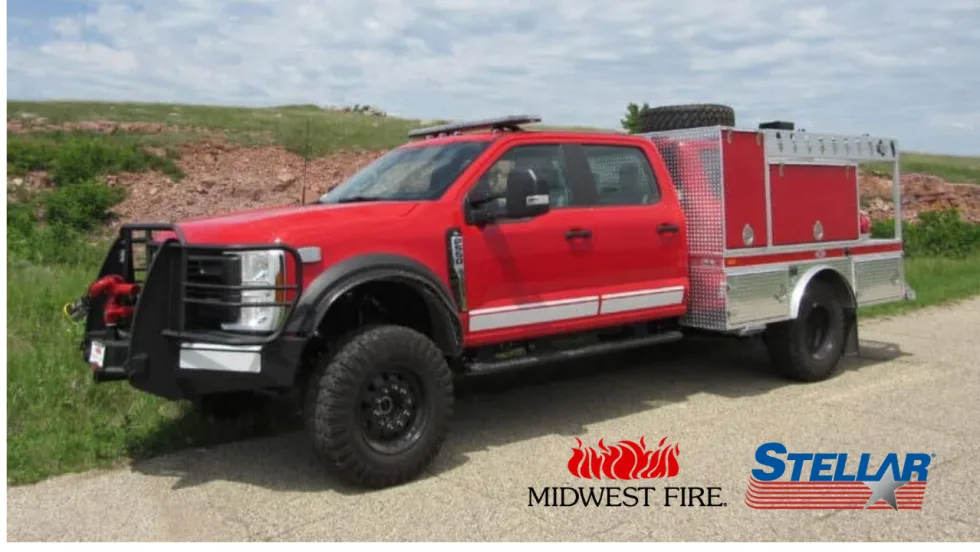
Stellar Expands into Fire Apparatus Market with Acquisition of Midwest Fire
Stellar Industries has acquired Midwest Fire, a custom fire apparatus manufacturer headquartered in Luverne, Minnesota, with nearly four decades of specialized apparatus experience.
Read More →