




Rightsizing is Not the Same as Downsizing
Rightsizing is used almost synonymously with downsizing; however, just look at the two words and you can immediately see that they are not the same.

So far in 2014, I have heard a few resounding themes: driver safety and the reduction of distracted driving behaviors, continued digging into the viability of alternative-fuel vehicles, and, not surprisingly, fleet rightsizing for a variety of reasons.
One of the strongest messages this year on the truck side of fleet this year, however, related to fleet rightsizing. Looking through past articles and quotes from 2014, I typically see rightsizing used almost synonymously with downsizing; however, just look at the two words and you can immediately see that they are not the same.
Rightsizing means finding the correct balance of fleet vehicles required to support an organization, which may not automatically equal a reduced fleet size; while downsizing is the act of reducing the size of your vehicle fleet to improve usage.
When rightsizing a fleet, it’s true that many fleets will find the need to downsize their vehicle operations to ensure optimum performance and limited vehicle downtime; however, I located stories where a few fleet managers mentioned the need to actually increase the number of fleet vehicles and drivers in their rightsizing effort, which resulted in the downsizing of territories instead. In these cases, drivers were able to accomplish more calls, with less downtime on the road between clients, and less wear-and-tear on the vehicles, which ended up saving money.
What rightsizing efforts have you made within your fleet? Have you found that rightsizing meant an increase in your fleet size, or has it always equaled downsizing?
Let me know what you have experienced!
Lauren Fletcher
Lauren.Fletcher@bobit.com
More Blog Posts

Can America Replace Canadian Truck Production Without Hurting U.S. Fleets?
U.S. tariffs are targeting Canadian truck production, but Ford and GM show why moving that manufacturing south isn’t so simple. After 60 years of building one North American supply chain, what could fleets lose by pulling it apart?
Read More →
The Fleet Skills We Keep Missing on Veterans’ Resumes
What if some of the strongest candidates are already out there, but we are overlooking them because their experience is written in a language our industry does not always recognize?
Read More →
Technicians Are Doing More Than Turning Wrenches
Technicians do far more than repair vehicles. Six professionals reveal the problem-solving, pressure, and pride behind keeping fleets moving.
Read More →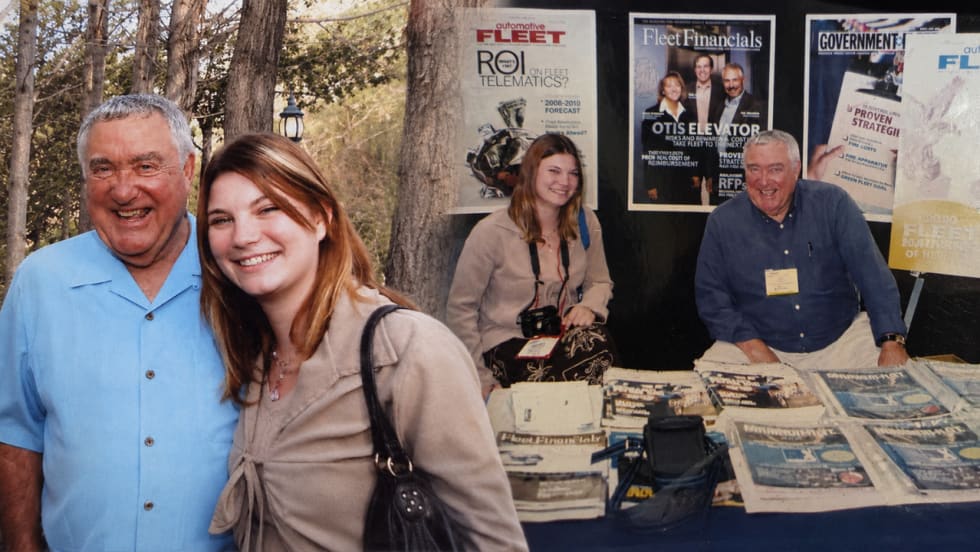
WWCD? What Would Coach Do?
A personal reflection on Ed "Coach" Bobit, the mentor who shaped my career, and why I still ask myself one question 12 years later: WWCD?
Read More →
What the Fleet Industry Still Gets Wrong About Talent
What can the fleet industry learn from the women helping shape its future? A look at talent, leadership, sponsorship, and why new perspectives drive progress.
Read More →
AI Isn’t Killing Content, but Lazy Expertise Is
Thought leadership loses value when AI does the thinking. Here’s why authentic industry voices still matter most.
Read More →
Do I Need a U.S. DOT Number?
Whether you operate a small fleet of light-, medium-, or heavy-duty units, or are merely the owner of one truck wanting to ensure you adhere to the law, knowing if you can need a U.S. DOT number can be confusing.
Read More →
Is Retirement in Fleet Now More Like ‘Rewiring’?
Fleet professionals rarely retire for good. They return as advisors, mentors, and consultants, keeping hard-won experience in the industry.
Read More →
What Does Visibility in Fleet Really Look Like?
Advocacy changes things. Visible trust changes things. Structure changes things. Access changes things. A willingness to share connections, rooms, and opportunities, and a belief in someone before it is convenient, changes things.
Read More →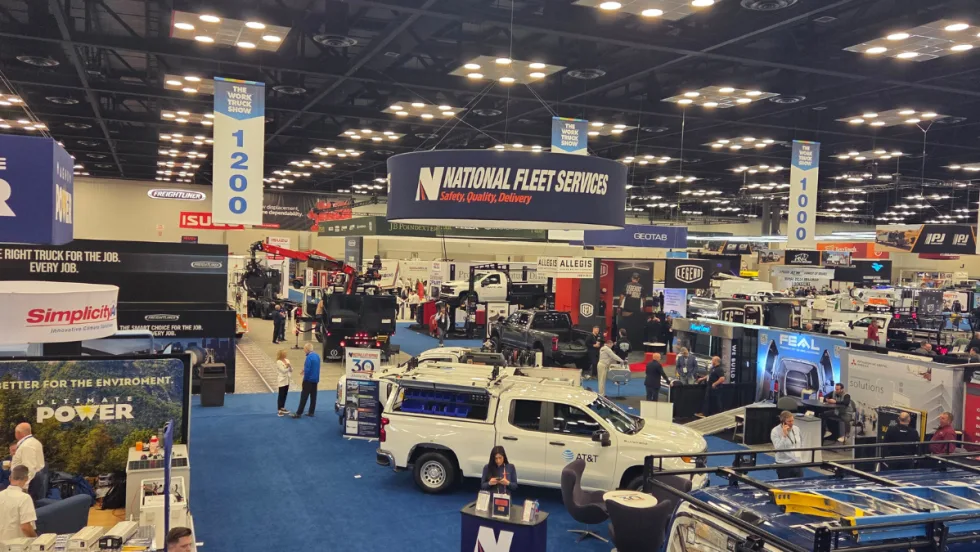
Work Truck Week 2026 Shows an Industry Focused on Practical Progress
Taken together, these themes show an industry that is not chasing a single technological solution. Instead, it is building a broader toolkit designed to support the diverse and demanding jobs fleets perform every day.
Read More →