





Learn More: 6 Tips for Cargo Securement: Tie-downs
How to Read a Tie Down Strap
When it comes to choosing the right winch strap or ratchet strap to secure a load of freight, it’s not one-size-fits-all.
November 30, 2021
When it comes to choosing the right winch strap or ratchet strap to secure a load of freight, it’s not one-size-fits-all.
Photo: Kinedyne
4 min to read
When it comes to choosing the right winch strap or ratchet strap to secure a load of freight, it’s not one-size-fits-all. Because cargo straps come in a variety of widths and lengths and are made to secure loads of varying shapes, sizes, and weights, it’s crucial to know how to “read” the information on the strap – from the color to the lines down the middle – to understand which is the correct strap to use.
“Tie-down straps are an effective way to properly secure cargo on a flatbed trailer or other vehicle,” says Robert Spooner, director of sales – Canada for Kinedyne. “But not all straps are created equal or can be used for every type of cargo. Knowing what to look for and how to interpret the information on the strap helps drivers avoid potentially dangerous situations that may result in property damage, injury, and even fatalities caused by using the wrong strap.”
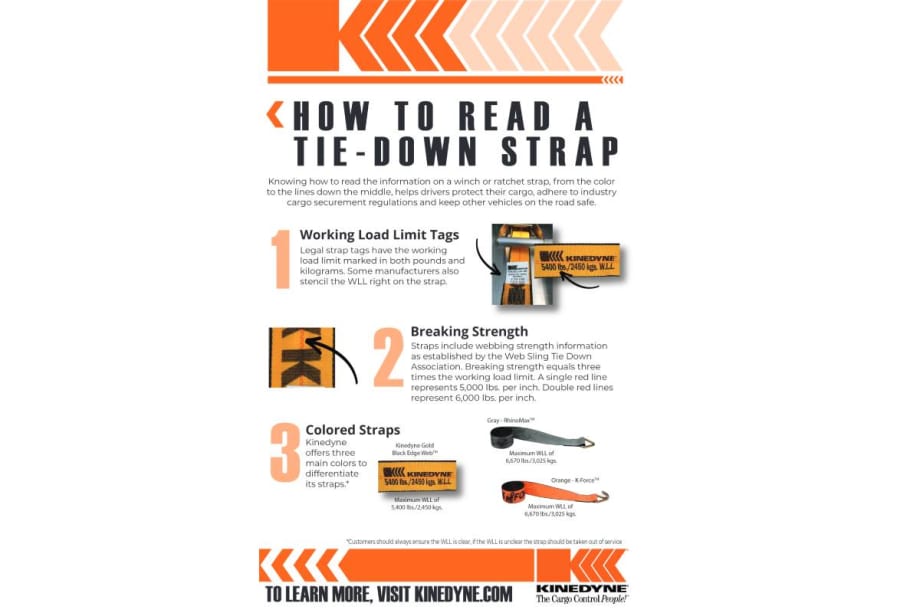
Quality cargo straps use tags, stencils, and Web, Sling & Tie Down Association (WSTDA) webbing markers to quickly convey Working Load Limit (WLL) and webbing breaking strength. WLL refers to the maximum weight a piece of cargo securement equipment can handle under normal conditions.
WLL Tags and Stencils
A strap without the appropriate ratings and markings could be deemed out of service depending on federal, state, or provincial regulations. One of the primary ways winch and ratchet straps are marked is with a WLL tag. For a WLL tag to be considered legal, it must be marked with the manufacturer’s name and WLL in both pounds and kilograms.
Even when made from weather-resistant materials, WLL tags can become damaged or lost over time. In 2005, Kinedyne became the first cargo control manufacturer to stencil WLL information directly on its winch straps. This ensures the WLL information is always available, even if a tag goes missing. Kinedyne also offers custom stencils that provide increased brand awareness for customers. Customers should always ensure the WLL information is legible; if it is not, the strap should be taken out of service and replaced.
Webbing Markers
The WSTDA established webbing markers as part of its manufacturing guidelines. Straps should also include WSTDA webbing WLL and breaking strength information. One or two red lines run down the center of the strap to indicate web breaking strength. Breaking strength equals three times WLL. A single red line represents 5,000 lbs. per inch and double red lines represent 6,000 lbs. per inch. For instance, a 4-inch, 30-foot strap with one line has a breaking strength of 20,000 pounds (4 inches times 5,000 pounds).
A strap’s WLL is based on the weakest component of the entire assembly, so it is imperative drivers consider all the components that make up the winch strap (both webbing and hardware) to verify the WLL rating on the tag is accurate.
Color
Manufacturers make cargo straps in a variety of colors, widths, and lengths, and with different WLLs to secure a variety of loads. The color on a strap comes from a protective coating that helps protect the webbing from UV damage and limits water penetration. While there is no industry standard linking strap color with a specific WLL, Kinedyne manufactures three lines of straps and uses three main colors to differentiate its straps, in addition to offering custom colors.
Gold: Traditional Kinedyne gold, black-edge web straps are for standard heavy-duty needs and have a maximum WLL of 5,400 pounds. These “Good” straps are the most commonly used and are ideal for the typical loads most drivers deal with daily.
Orange: The “Better” line is K-Force, designed for tougher tie-down jobs that require more strength than standard straps. These straps have a maximum WLL of 6,670 pounds – 23% greater than the current industry standard. They are engineered with more polyester material in the body of the strap, allowing drivers to tie down heavier loads.
Gray: The “Best” in the lineup are the Rhino Max straps that maintain the maximum 6,670 WLL while adding an abrasion-resistant protective coating engineered to provide exceptional security when the straps are susceptible to scrapes from rough cargo. Kinedyne also recommends regularly using corner protectors to protect cargo and keep straps from being damaged.
Knowing how to read the information on a winch strap helps drivers protect their cargo, adhere to industry cargo securement regulations, and keep other vehicles on the road safe from accidents that can lead to cargo damage claims and at times injury or loss of life. Plus, using winch straps with the appropriate ratings and markings could keep the truck from being taken out of service, limiting downtime and fines from failed inspections.
Subscribe to Our Newsletter
More Safety
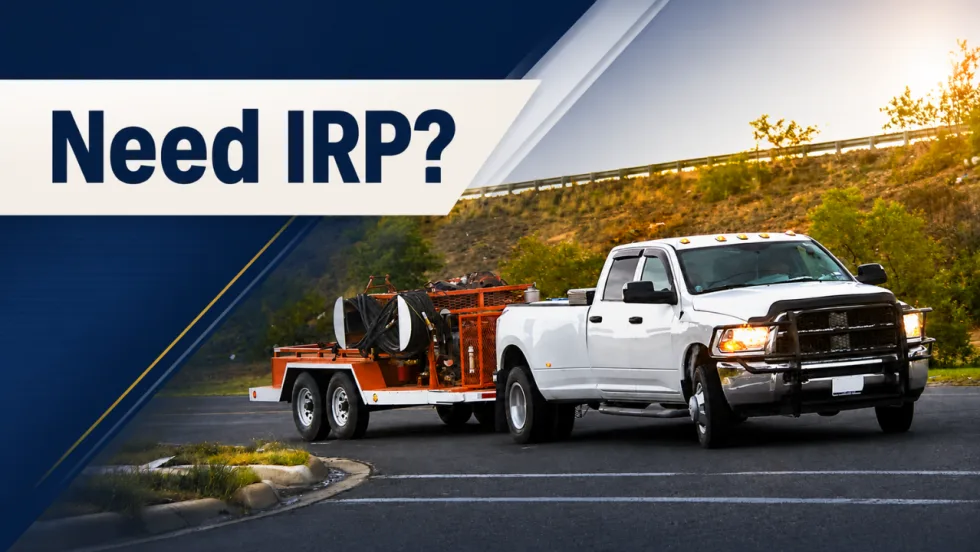
When Work Trucks Under 26,001 Pounds Need IRP Registration
Think trucks under 26,001 pounds are automatically in the clear when it comes to IRP? Not always. Learn where lighter vehicles can still run into trip permit, apportioned registration, and IFTA compliance requirements when crossing state or provincial lines.
Read More →
Volvo Trucks Releases New Safety Recommendations for Traveling with Pets
One of the most important recommendations for professional drivers traveling with pets is to ensure pets are properly restrained while the truck is moving. Other tips are available in the new guide from Volvo Trucks North America and Center for Pet Safety.
Read More →
API Issues Refueling Safety Guidelines
The American Petroleum Institute offers a list of safe vehicle refueling guidelines, including ways to avoid potential problems with static electricity discharges in fall, winter, and early spring.
Read More →
Winter Fleet Prep: Expert Tips to Keep Vehicles Running Smoothly
Cold weather can expose weak batteries, tires, fuel systems, and maintenance gaps fast. Use this winter fleet checklist to prepare trucks and drivers before temperatures drop.
Read More →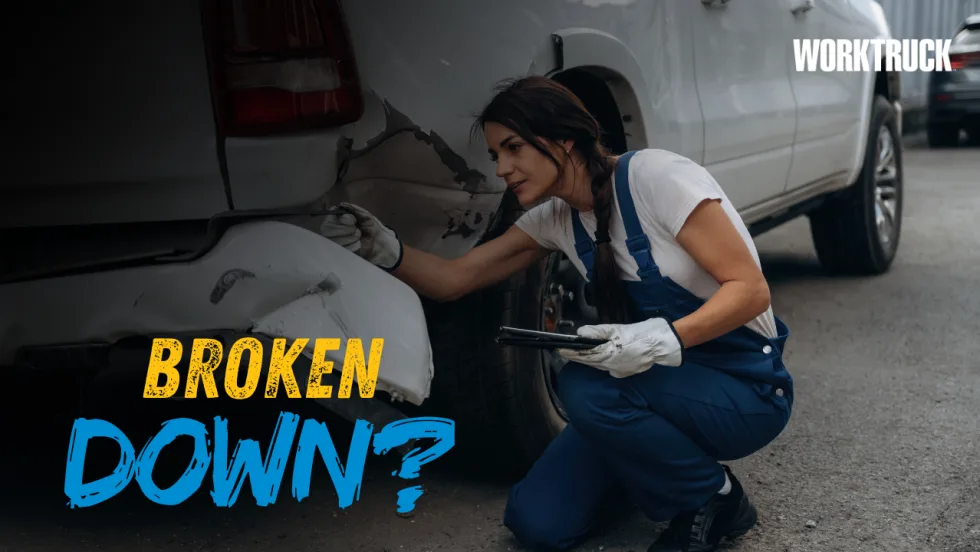
When a Work Truck Breaks Down, the Job Can Stop, Too
A work truck breakdown can stop more than the vehicle. Discover how payloads, jobsites, and specialty equipment change the roadside response.
Read More →
What Stronger Long-Term Fleet Service Partnerships Actually Require
Fleet service partnerships rarely fall apart all at once. Learn the three warning signs that trust is eroding and what fleets and providers can do before downtime, frustration, and lost revenue follow.
Read More →
Applause & TRUCE Software Partner to Improve Driver Safety Through AI-Powered Telematics & Employee Performance Management
Applause has integrated TRUCE driving metrics directly into its employee-first performance and safety platform that transforms mobile devices into AI-powered telematics.
Read More →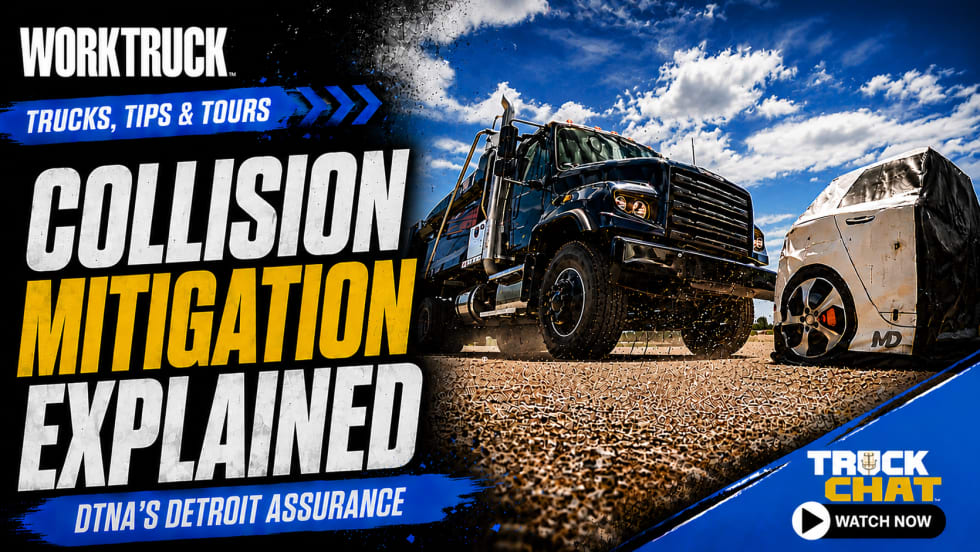
How Detroit Assurance with Active Brake Assist Works
Do you want to see what it is like to experience Detroit Assurance’s Active Brake Assist? In this video, Work Truck will put you in the cab to see how it all works and then hear more details from DTNA’s Mike Young.
Read More →
Get Left of Loss: A 5-Step Workplace Violence Prevention Framework for Fleet Operators
Violence risks do not stop at the driver’s door. Learn five practical steps fleets can take to spot threats early and protect workers before loss occurs.
Read More →
Sponsored•July 17, 2026
How Better Visibility Cut Speeding Violations by 48%
Fleet leaders don't need more data, they need clearer visibility into what the data is saying. This case study explores how one utility replaced speeding-event counts with a single metric — miles driven in violation — to strengthen safety and significantly reduce speeding violations.
Read More →