




Related: Know Your Fluids: Coolants and DEF
How to Purchase, Store & Handle Diesel Exhaust Fluid
Diesel engine vehicles can be damaged by using low quality diesel exhaust fluid (DEF). Repairs can be very expensive with long downtime possible, and damage could void the manufacturer’s warranty.
by Jeffrey Harmening
April 26, 2024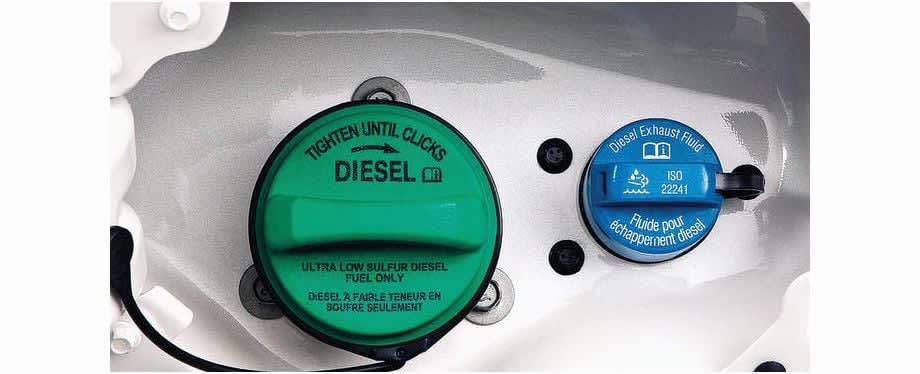
Diesel engines in trucks and other applications sold in the United States must meet stringent U.S. Environmental Protection Agency (EPA) emissions requirements.
Photo courtesy of Picasa
5 min to read
Diesel engine vehicles can be damaged by using low-quality diesel exhaust fluid (DEF). This includes catalyst poisoning, deposits which can restrict equipment from operating, and DEF injector and filter clogging. Repairs can be very expensive with long downtime possible, and damage could void the manufacturer’s warranty. These potential dangers demonstrate why education about using high quality DEF is crucial.
Diesel engines in trucks and other applications sold in the United States must meet stringent U.S. Environmental Protection Agency (EPA) emissions requirements. Many of those engines use selective catalytic reduction (SCR) to meet the requirements. SCR is an emissions aftertreatment technology that converts nitrogen oxides (NOx) in the diesel-engine exhaust stream into nitrogen and water vapor, two natural components in the air we breathe.
Diesel exhaust fluid (DEF) is an essential part of the process. It is injected into the diesel exhaust stream, and the heat from the exhaust, the fluid, and a catalyst convert the NOx into the harmless gases.
DEF is made from a 32.5% solution of technically pure urea with the rest of the mixture consisting of purified water. For the SCR unit to operate properly, the DEF must meet an exacting purity standard established by the International Organization for Standardization (ISO). This ensures that the DEF provides the purity required by diesel engine manufacturers and the quality to preserve the emissions control system and the environment.
Purchasing DEF on the Road
On the road, one of the main challenges for drivers is knowing the brand of DEF they are being sold as many fill up locations don’t identify the manufacturer and brand name on the receipts to their customers. Regulations in many states require this information be provided when bulk DEF is delivered to the location.
Without it, fill up locations cannot provide the information on dispenser receipts. It is then difficult for drivers to confirm they are buying DEF that is licensed by API’s Diesel Exhaust Fluid Certification Program unless it is marked, or the information is otherwise conveyed.
Many diesel engine manufacturers recommend that drivers use API-licensed DEF.
Drivers accustomed to purchasing DEF in containers should look at the expiration date on the bottle and be sure to use it before this date as the product has a limited shelf life. If a date is not present, ask for the most recently delivered DEF products.
Storage conditions also have an impact on its quality. DEF can be expected to have a minimum shelf life of 12 months or even longer in optimal conditions. Check the label for recommended storage temperatures. API recommends that you don’t store it for too long in your truck once you purchase it, especially if the storage area in the vehicle is routinely hotter than the recommended storage temperatures displayed on the label. Be sure to look for the API certification mark on the bottle as well.
Purchasing DEF for Shop Use
API has found that the biggest misconception by fleet managers is the belief that if the urea concentration of their DEF is on spec, then the DEF meets the required quality. While it is absolutely true that the concentration is very important, there are many other important quality characteristics built into the ISO 22241 specification.
DEF is composed of 32.5% technically-pure urea in pure water. Each of these components are critical to the manufacture of DEF that meets the quality standard. Use of substandard urea (such as agricultural-grade urea commonly used as fertilizer) or use of water derived directly from the public water system without proper treatment can introduce contaminants and metals that are not only detrimental to the life of the Selective Catalytic Reduction (SCR) system but can also affect the SCR system’s ability to reduce harmful NOx emissions.
Fleet managers responsible for procuring DEF should confirm that their suppliers are providing DEF that meets the ISO quality standard. One way to do this is to ensure that their supplier is providing a Certificate of Analysis with every shipment that addresses all of the quality characteristics that the specification requires. Fleets and drivers can check to see if the DEF they are buying is licensed through API’s real-time directory of licensees on the API website.
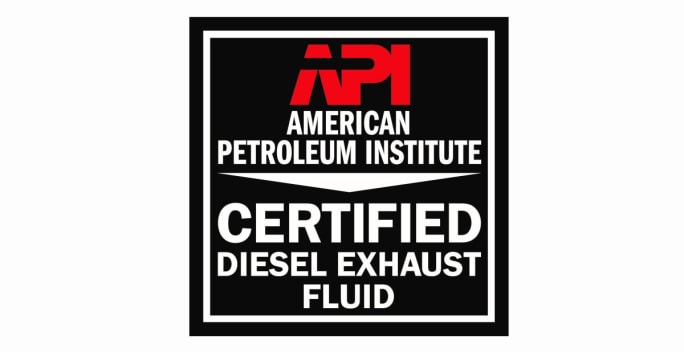
Make sure any diesel exhaust fluid you purchase is certified by the American Petroleum Institute by looking for this logo.
Image courtesy of American Petroleum Institute
Managing DEF in Shops
For shops, the handling, storage and dispensing of DEF is very important so that off-spec DEF doesn’t reach the marketplace. Temperature during transport or at the point of storage or sale can harm the shelf life of DEF sold in containers. Make sure the stock is rotated to use the oldest product first. Proper storage temperatures in a shop is also vital. Storing in temperatures above 86 degrees Fahrenheit will limit the shelf life of the DEF over time. Some additional things to consider in storing and handing DEF include the following:
Bulk storage tanks should be dedicated for DEF. Don’t switch products in the bulk tank without thoroughly rinsing the tank with distilled or de-ionized water or on-spec DEF.
A closed loop system for transferring DEF from a drum or bulk tank is recommended, so contaminants don’t get into the DEF. This is particularly important in a shop or construction site that has dust or dirt in the air.
Use dedicated equipment for dispensing DEF. Don’t use funnels, pitchers, hoses, etc. that are used for other fluids when putting DEF in a tank.
Anything used for dispensing DEF should be cleaned with distilled or de-ionized water and followed by a DEF rinse. Don’t use tap water for cleaning.
For shops and drivers, it’s important to know what you are putting into your DEF tank. The quality of the DEF going into your vehicle is as important as the quality of the engine oils or fuels used in your vehicles. Use of API-licensed Diesel Exhaust Fluid will ensure that the DEF meets the high standards required by engine and vehicle manufacturers.
About the Author: Jeffrey Harmening is the team lead, diesel exhaust fluid, for the American Petroleum Institute.
Subscribe to Our Newsletter
More Fuel

The Smart Way to Build a Mixed-Energy Fleet Isn’t About Picking a Side
Mixed-energy fleets aren’t about picking a winning fuel. Sarah Booth of WEX explains how vehicle data, duty cycles, charging strategy, and real-world costs can help fleets choose the right energy source for each job.
Read More →
Ignoring This Dashboard Warning Could Cost Your Fleet Thousands in Fuel
New research suggests neglected diesel aftertreatment systems could waste up to $30 in fuel per vehicle each day. Here's why vocational fleets should pay attention.
Read More →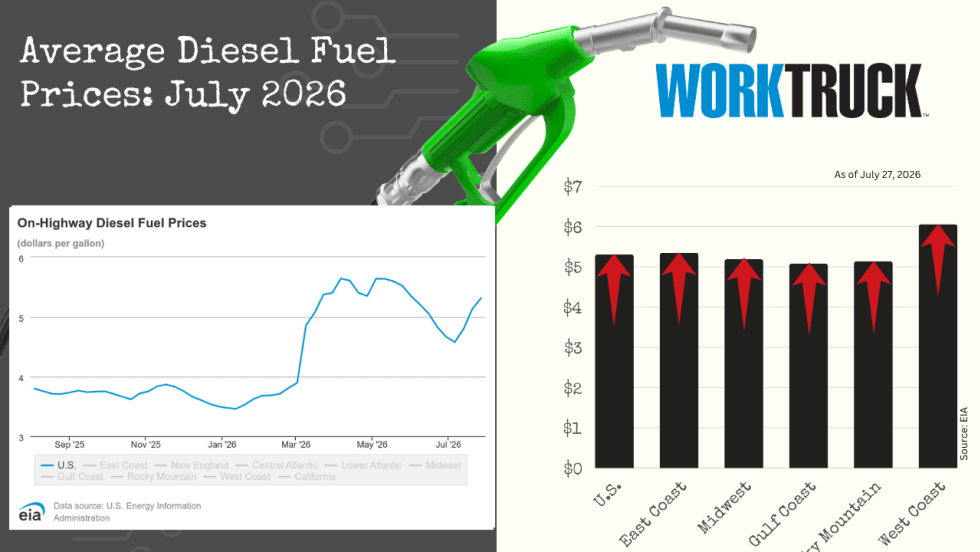
July Diesel Trends Update
The average price of a gallon of diesel increased again this week, and the EIA reported a new national average of $5.31 at the start of the week.
Read More →
WEX Brings Standard Fleet's Connected Vehicle Platform to Fleet Customers
This week’s product launch with Standard Fleet’s connected vehicle platform reflects WEX Venture Capital's strategy of turning startup innovation into customer solutions. Standard Fleet is now available to WEX fleet customers.
Read More →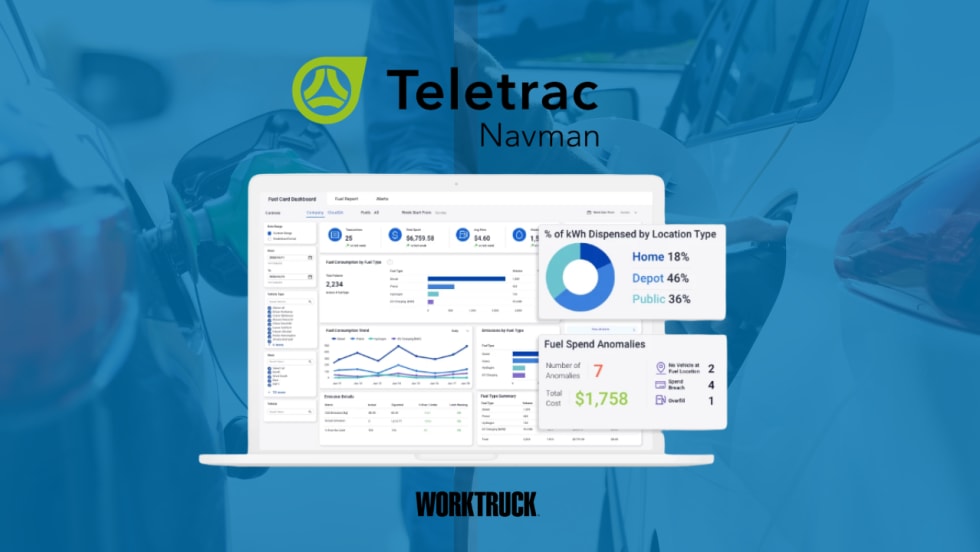
Teletrac Navman Adds Mixed-Energy Fleet Tools to TN360
The new Energy Hub combines fuel transactions, EV charging data, vehicle range, and energy costs in one dashboard for fleets operating multiple vehicle and energy types.
Read More →
WEX DriverDash adds CITGO, Expands Nationwide Access for Fleets
The DriverDash mobile payment app, by WEX, has been integrated into the CITGO merchant network, which means WEX has expanded its U.S. station footprint with the addition of approximately 4,000 CITGO locations.
Read More →
Mixed Energy Fleet Tips for Balancing EVs, Gas and Diesel Vehicles
Mixed energy fleets are becoming the new normal. Learn how fleet managers are balancing EVs, gas and diesel vehicles while controlling costs and planning for the future.
Read More →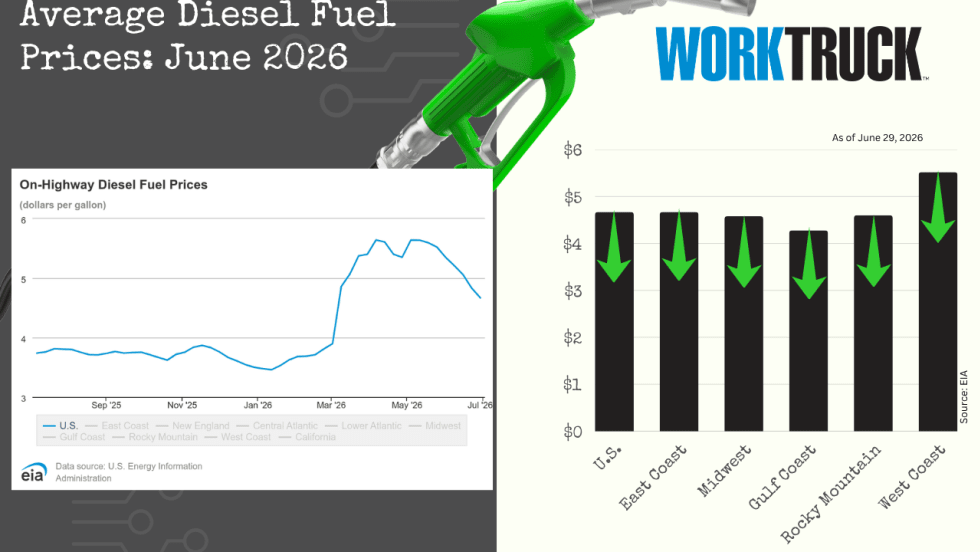
June Diesel Trends Update
The national average price of a gallon of diesel has dropped again, this week by more than 16 cents. All five regions reported lower average prices, ranging from almost 13 cents to more than 28 cents cheaper than a week ago.
Read More →
RoadFlex Launches RoadFlex Direct Open API Platform
RoadFlex Direct connects fuel cards, controls, and data to the telematics and fleet management systems fleets already run, from Geotab and Samsara to Fleetio and RTA, with no separate dashboard or double data entry.
Read More →
The Key to Fuel Efficiency Sits in the Cab
Learn how driver behavior, telematics, coaching, and fuel data can help fleets improve fuel efficiency, lower costs, and reduce emissions.
Read More →