How to Prevent Water Freeze in Combination Sewer Cleaners
For owners of combination sewer cleaners, the potential for costly damage due to frozen water is a significant concern.
by Tyler Skolek, Vactor
September 19, 2024
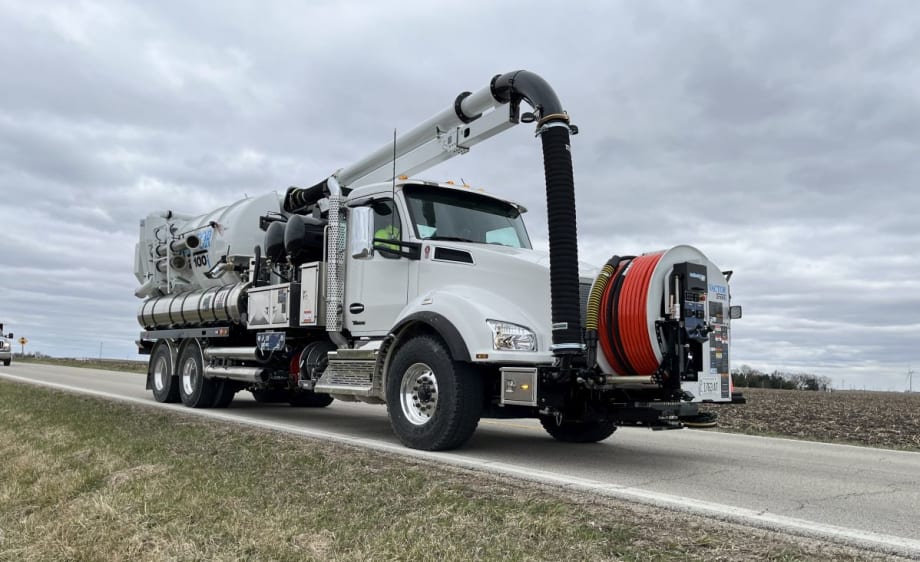
When temperatures plummet below freezing, the water within a sewer cleaner's system is at risk of turning to ice. Being proactive will help.
Photo: Vactor
3 min to read
The onset of winter brings a host of challenges for work truck operators, and none is more critical than protecting essential equipment from the ravages of freezing temperatures. For owners of combination sewer cleaners, the potential for costly damage due to frozen water is a significant concern.
Ad Loading...
By understanding the risks and implementing proactive measures, operators can safeguard their equipment and ensure uninterrupted service.
Ad Loading...
The Perils of Freezing Temperatures
When temperatures plummet below freezing, the water within a sewer cleaner's system is at risk of turning to ice. This expansion can cause severe damage to hoses, pumps, and other components.
The resulting downtime and repair costs can substantially disrupt operations and impact productivity.
Proactive Steps to Prevent Sewer Equipment from Freezing
Understand the Equipment: Familiarize yourself with the specific recommendations outlined in the operator's manual. This guide provides invaluable insights into equipment's vulnerabilities and recommended care practices.
Monitor Weather Conditions: Stay informed about local weather forecasts. When temperatures are predicted to drop below freezing, take extra precautions to protect equipment.
Insulate Exposed Components: If feasible, insulate hoses, pipes, and other vulnerable components to minimize heat loss. This can be particularly effective when equipment is exposed to the elements.
Drain Systems Thoroughly: Before freezing temperatures arrive, completely drain the water from hoses, pumps, and tanks. Residual water can freeze and cause damage.
Utilize the Recirculator: While driving on worksites, use the recirculator. This keeps the water flowing and reduces the risk of freezing.
Park in a Warm Environment: If possible, store equipment indoors or in a heated garage during periods of extreme cold. This provides the best protection against freezing.
Regular Inspections: Conduct routine equipment inspections for signs of wear or damage. Addressing issues promptly can prevent more significant problems later.
Emergency Preparedness: Develop a plan for responding to a frozen water situation. This should include steps to thaw the system safely and identify potential repair needs.
The water pump is a critical component of any sewer cleaner, and protecting it from ice is essential.
Photo: Vactor
Preventing Ice Formation in the Water Pump
The water pump is a critical component of any sewer cleaner, and protecting it from ice is essential. To minimize the risk of ice formation:
Complete Draining: Remove all water from the pump and pump housing.
Pump Dry: Run the pump briefly to expel any remaining water.
Cover the Pump: Protect the pump from external elements with a cover or tarp.
Ad Loading...
How to Recognize Signs of Ice Formation in Water Pumps
Early detection of ice formation is crucial. Signs to watch for include:
Unusual noises coming from the pump
Reduced water flow
Difficulty starting the engine
Visible ice formation in hoses or tanks
If an ice formation is suspected, immediately cease operation and move the vehicle to a warm environment. Allow the system to thaw completely before attempting any maintenance or use.
When working on or around a sewer cleaner, always prioritize safety. Wear appropriate personal protective equipment, including eye protection, foot protection, and gloves. Follow all manufacturer guidelines and safety precautions.
When working on or around a sewer cleaner, always prioritize safety.
Photo: Vactor
The Importance of Preventive Maintenance
Investing time and effort into preventive maintenance can significantly extend the life of their sewer cleaner and minimize costly repairs. Regular inspections, proper storage, and timely addressing of issues are key to maintaining optimal performance.
Ad Loading...
Protecting sewer cleaners from the damaging effects of freezing temperatures is essential for ensuring their reliability and longevity. Following these guidelines and incorporating them into regular maintenance routines can safeguard their investment and maintain uninterrupted operations throughout the winter months.
About the Author: As the Product Manager at Vactor Manufacturing, Tyler Skolek leads the team in developing combination sewer cleaners that help customers increase their efficiency and get jobs done. With an array of reliable tools and equipment, Vactor is committed to providing value for each customer. Learn more at Vactor.com.
Les Schwab Tires has expanded into Arizona with two commercial tire locations in Phoenix and Tucson, strengthening its fleet service footprint in the Southwest.
Unattended over-the-air software updates are now available in Volvo trucks across the U.S. and Canada. The new capability lets trucks stay current with the latest software without interrupting operations or requiring a dealership visit.
For fleets trying to keep skilled technicians, recognition cannot begin and end with Technician Appreciation Week. Learn what year-round appreciation really looks like and why the everyday technician experience matters just as much as pay when fleets are trying to keep good people.
When minor damage, warning lights, or equipment issues are reported late, small problems can quickly become bigger maintenance headaches. Conversational AI can help shorten the path from what a driver notices in the field to the person who can act on it.
The Isuzu Veterans Apprenticeship Program (IVAP) signing ceremony highlighted Isuzu’s long-term commitment to veterans, Isuzu dealers, and the skilled workforce supporting its customers and the commercial transportation industry.
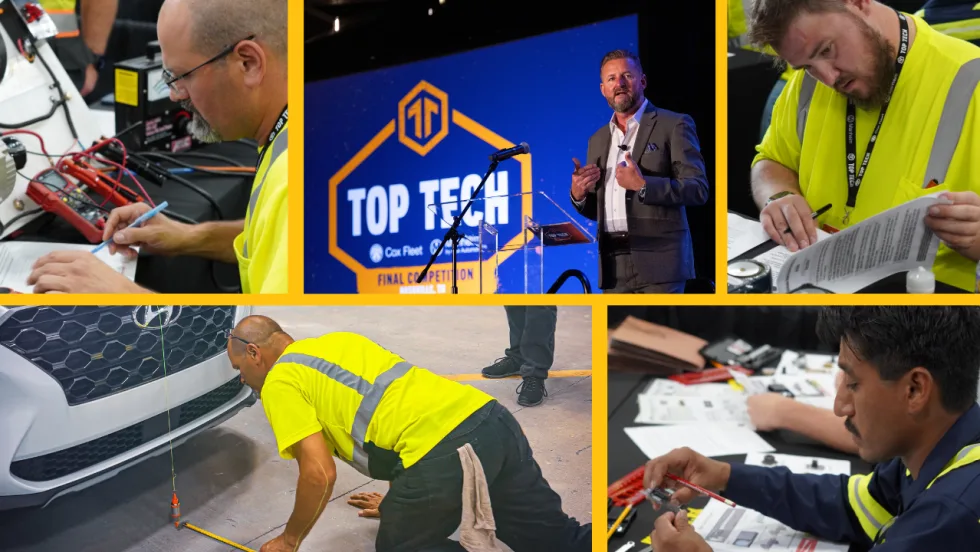
The top technicians from Cox Fleet and Manheim tested their skills in Nashville, Tennessee, at Cox Automotive’s 2026 Top Tech Finals. The overall winners will advance to compete at the American Trucking Association’s TMC SuperTech competition.
Grote Industries has appointed Patrick Smith as vice president of North American operations as it celebrates 125 years of innovation and manufacturing excellence. He has more than 20 years of manufacturing leadership experience.
Cold weather can expose weak batteries, tires, fuel systems, and maintenance gaps fast. Use this winter fleet checklist to prepare trucks and drivers before temperatures drop.