




Learn More: TRUX Fleet Management Offers Dump Truck Logistics
How Technology Can Improve Last-Mile Efficiency in Construction Fleets
The construction industry is seeing significant gains from the availability of real-time information provided by software platform TRUX.

Lexi Tucker・Former Senior Editor

Every load delivered on TRUX is trackable by both the originator and consumer of the material.
Photo: TRUX
4 min to read
When it comes to technology, transparency not only leads to efficiency, but also increased productivity and happier customers. Bart Ronan, CEO of TRUX, a software company that assists dump truck owners, contractors, and material producers in managing their work load and finding the work or haulers they need, discussed how technology is improving last-mile delivery in regard to the construction industry.
Facing and Solving Challenges
According to Ronan, the world of heavy construction is made up almost entirely of last-mile delivery. Common challenges he sees in last-mile originate prior to the execution of the delivery, such as finding and scheduling haulers; during the delivery with communication and tracking; and after the delivery is completed during back-office operations.
“With less than 1% of operating expenses in construction going towards technology, there hasn’t been the same investment in improving last-mile logistics that other industries, like eCommerce, have seen,” he said.
Finding the right tool that meets all the needs of diverse business lines is seen as a challenge. In addition, for those that do adopt technology, there is also a change management challenge. Getting buy-in and empowering employees to use the technology is critical to fully realize the value last-mile logistics solutions provide.
COVID-19 has certainly impacted the industry and accelerated the need for solutions that offer e-ticketing, digital collaboration, and remote work for key roles like dispatchers.
“While COVID-19 may eventually fade from the forefront of the discussion, the changes that state DOTs and construction companies are making now will certainly have staying power in 2021, 2022, and beyond,” he explained.

The logistics management functionality of the TRUX platform has allowed customers to improve their loads per hour delivered by 15% through more efficient scheduling, while also reducing their freight costs by 4%.
Photo: TRUX
Using Tech to Streamline and Meet Goals
TRUX is a complete logistics platform for the heavy construction industry that supports all varieties of dump trucks. Every load delivered on TRUX is trackable by both the originator and consumer of the material. The solution provides visibility and accountability that was not previously available, allowing companies to manage the dump trucks they hire in the same way one would manage the trucks they own. This transparency helps keep teams and partners accountable while meeting ever-increasing demands of end customers for greater visibility. The tool also offers a two-sided marketplace that connects dump truck owners with local work.

Haulers get more take-home pay, and contractors and material producers see a decrease in their effective cost per hour.
Photo: TRUX
Keeping Costs Under Control
Ronan estimated the total addressable market for heavy construction logistics in the U.S. is around $18 billion per year. The logistics management functionality of the TRUX platform has allowed customers to improve their loads per hour delivered by 15% through more efficient scheduling, while also reducing their freight costs by 4%. Haulers get more take-home pay, and contractors and material producers see a decrease in their effective cost per hour.
He said he is also seeing significant time-savings for roles like dispatchers, with some companies seeing as much as a 40% increase in productivity. In addition to this, the data the company is collecting is helping customers price more efficiently and schedule more effectively, among other things, all reducing waste and driving down costs.
One customer out of California, Miguel Miranda, owner of 3531 Trucking Inc., manages a fleet of more than 150 dump trucks and has been using TRUX to provide what he feels is a superior service to his customers.
"Our customers want to know what they get for their money. With TRUX, we are able to provide them transparency about where our trucks are while they are on the job. The additional layer of service and transparency TRUX allows us to provide to our customers ensures they use us again and again,” Miranda said.

Ronan said he is also seeing significant time-savings for roles like dispatchers, with some companies seeing as much as a 40% increase in productivity.
Photo: TRUX
TRUX Brings the Benefits
The most common feedback Ronan receives is, "we've been doing it this way for a long time; why would we switch now?" This line of thinking can easily be combated when it comes to the increase in efficiency technology like this can provide, such as:
- Real-time views of material on the way to the jobsite, allowing contractors to effectively manage their crews and optimize labor and material costs.
- Enhanced communication tools that remove friction and ensure partners are working with the most up-to-date information.
- Digital tickets and load slips, ensuring compliance with increasing safety and compliance demands.
Subscribe to Our Newsletter
More Vocational Fleets

Small Fleets, Big Impact: How Independent Drivers Power Wreaths Across America
Check out how small fleets and independent drivers power Wreaths Across America each December and why their impact matters more than ever.
Read More →
Fleet Facilities Face Collapse: Why Small Businesses Can’t Afford Earthquake Inaction
Fleet facilities are critical to America’s supply chain, but many small businesses are unprepared for earthquakes. Retrofitting now could save your livelihood later.
Read More →
How Utility Fleets Power Grid Resilience During Extreme Weather
Utility fleets are the backbone of storm recovery. Learn how they prepare, adapt, and power resilience when extreme weather hits.
Read More →
Leveling the Playing Field for Small Fleets
Learn how small fleet operators are using technology to streamline maintenance, optimize routes, and stay competitive without the big-budget overhead.
Read More →
How Small Fleets Can Cut Costs Without Cutting Corners
Celebrating Small Business Week means celebrating the heart of America — and small business fleets are a huge part of what keeps that heart beating.
Read More →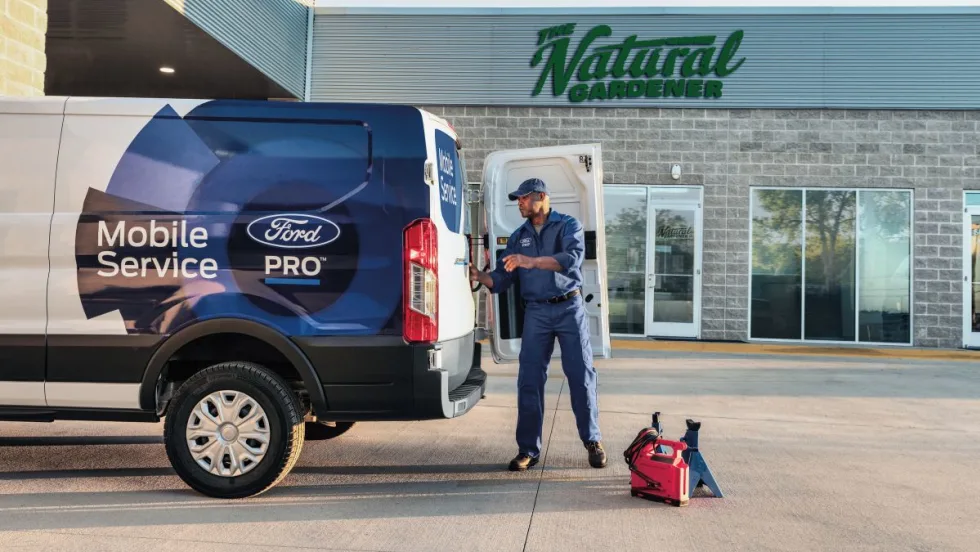
Ford Pro Mobile Service Meets Fleets Where They Are
With mobile service vehicles fulfilling nearly 1-in-10 repair orders, Ford Pro is redefining fleet maintenance by meeting customers where they are and maximizing uptime.
Read More →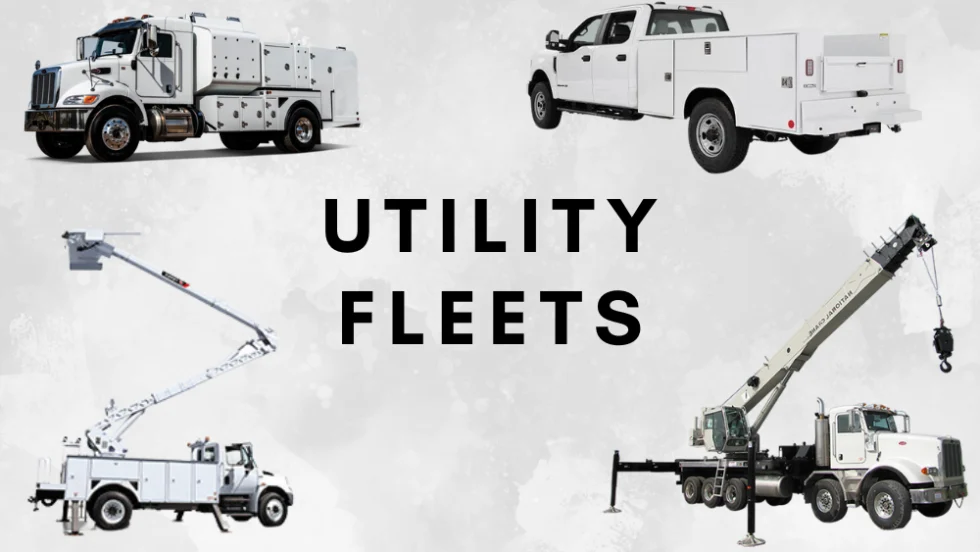
Fleet 101: Types of Utility Trucks and Their Use Cases
What is a utility truck? These can range from cranes to bucket trucks used in various applications. We break it all down for you.
Read More →
Paving the Way: Women Making Strides in the Utility Fleet Industry
The Women in Utility Fleet gathering will be held at the EUFMC conference. It is designed for women to make connections and network in the industry.
Read More →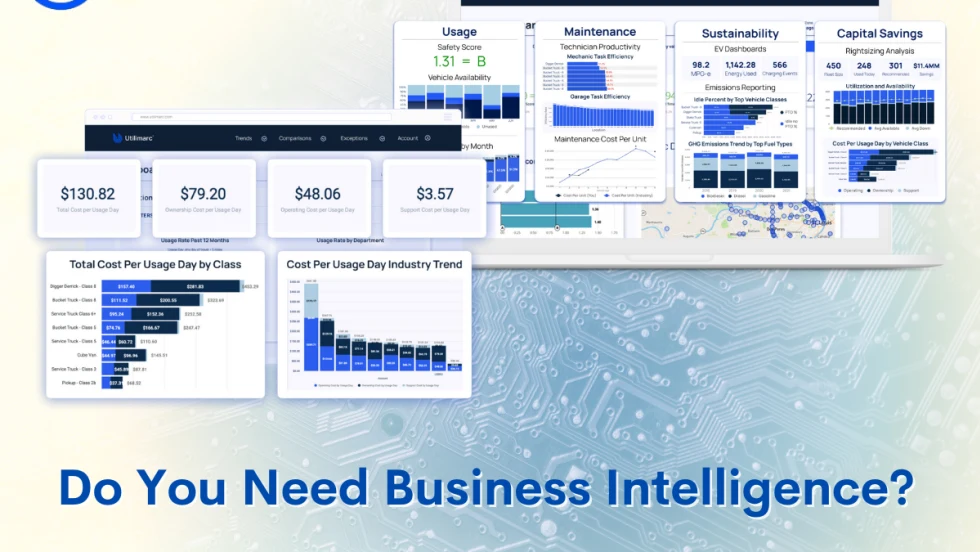
Does Your Utility Fleet Need Business Intelligence?
Every fleet manager’s goal is to maximize productivity and minimize costs. With a business intelligence platform, fleet managers can have all of a fleet’s data in one place in an easy-to-navigate dashboard.
Read More →
Construction Fleets Overcome Supply & Demand Challenges During Pandemic
Three construction fleet managers and two industry vendors weigh in on overcoming operational challenges during a global pandemic.
Read More →