





Be ready before the storm hits! Explore the Disaster Response Guide today.
How Utility Fleets Power Grid Resilience During Extreme Weather
Utility fleets are the backbone of storm recovery. Learn how they prepare, adapt, and power resilience when extreme weather hits.
September 24, 2025
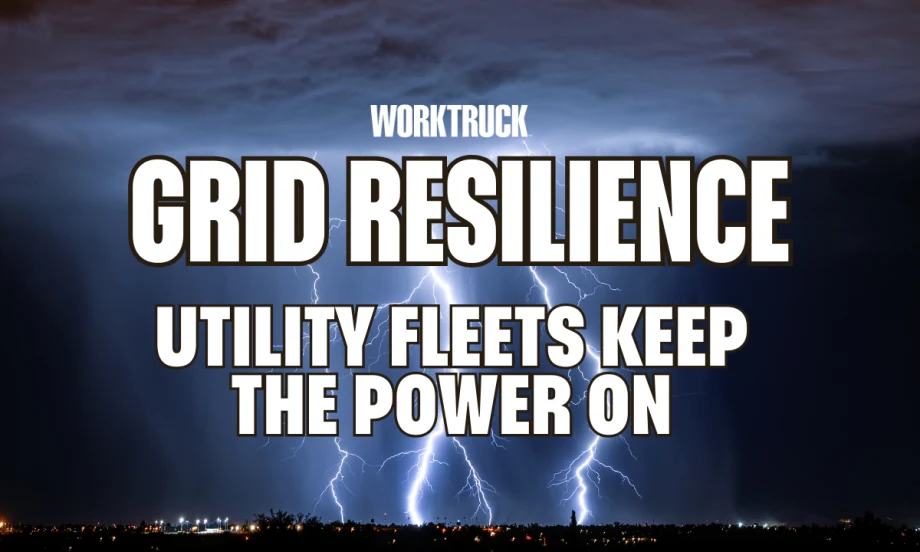
Utility fleets are the first line of defense when storms hit, rolling out with the people and equipment needed to restore power and protect communities.
Photo: Work Truck
4 min to read
When the power goes out, utility fleets roll in. These trucks aren’t just vehicles but lifelines for communities bracing against hurricanes, ice storms, wildfires, and everything in between. Utility fleets are often the first on the scene, equipped with tools and strategies to restore power and bring order back after chaos.
“Utility fleets are essential to a company’s overall grid resilience planning and strategy. By thoughtfully equipping a fleet for multiple scenarios, utilities ensure workers are able to quickly address necessary storm-related repairs to minimize impacts on consumers,” explained Maddie Milam, Consumer Energy Alliance Midwest Executive Director.
Preparing Fleets Before the Storm Hits
Fleet readiness isn’t a once-a-year checklist. It’s an ongoing process that evolves after every storm.
“After each weather event, utility companies build off lessons learned to improve preparedness for the next major storm,” Milam noted.
That means more than just keeping vehicles fueled. Fleets are staged with the exact equipment crews need to handle different emergencies, from underground cable repairs to transporting mobile command centers. Companies also conduct drills throughout the year, so crews know how to respond in real-world conditions.
It’s not just about the trucks, it’s about protecting the people inside them. Utilities prioritize the safety of the crews who put in long hours to bring electricity back online, often under the most challenging circumstances.
Partnerships That Keep the Lights On
No fleet works in isolation when a storm levels a community.
“One of the most important partnerships during major weather events lies within the coordination between utilities, government and emergency response teams,” Milam pointed out.
This collaboration often extends across states and even national borders. After Hurricane Helene, nearly 50,000 utility workers from 40 states and Canada mobilized to help. To make this possible, governments issued waivers that cut through red tape, such as temporary relaxations on commercial vehicle restrictions and fast-tracked equipment permits.
“Many utility companies act as first responders after weather-related disasters, deploying alongside other emergency response teams,” Milam said.
The ability to share personnel, trucks, and equipment across regions dramatically reduces downtime for communities waiting for power restoration.
Learning From Past Storms
Every storm becomes a case study. Utilities walk away with new insights into what worked, what didn’t, and how fleets can adapt.
“With every storm comes new solutions and valuable reports that reshape each utility company’s strategies. Storms such as Hurricane Helene taught utilities many lessons, such as the importance of innovation,” Milam explained.
The focus is now on diversified fleets. Trucks need to handle restoration, communication, and construction. Flexibility is key because no two storms are the same.
Why Traditional Vehicles Still Rule
While alternative fuels and EVs are finding their place in many industries, reliability remains non-negotiable in storm response.
“Traditional vehicles remain the workhorses of fleets that demand 24-7 reliability and portable fueling options,” Milam said.
For now, diesel and gasoline powertrains continue to dominate disaster recovery. Portable fueling options and proven dependability mean these trucks can keep running in conditions where infrastructure is compromised.
Technology as a Force Multiplier
Modern utility fleets don’t just rely on horsepower, they rely on brainpower, too. Technology is shaping faster, safer responses.
“Modern storm response is defined by real-time information sharing and coordinated decision-making,” Milam explained.
When traditional communication channels fail, utilities turn to cellular satellite radios and RF channels to stay connected. GPS systems and drones help crews identify priority areas, while onboard technology ensures the right equipment gets where it’s needed most.
Utilities are even hiring meteorologists to provide real-time weather analytics.
“This real time information also helps utilities communicate expectations to consumers during the lifecycle of a storm,” Milam added.
Utility Fleets are the Backbone of Grid Resilience
Utility fleets may not always make headlines, but they’re the backbone of grid resilience. From staging equipment before a storm to coordinating with government partners and leaning on technology, these fleets are redefining what it means to respond quickly and effectively when disaster strikes.
As Milam summed up, utilities prove their commitment to resilience by building and maintaining fleets that can adapt, innovate, and deliver, no matter what Mother Nature throws their way.
Subscribe to Our Newsletter
More Utility Fleet
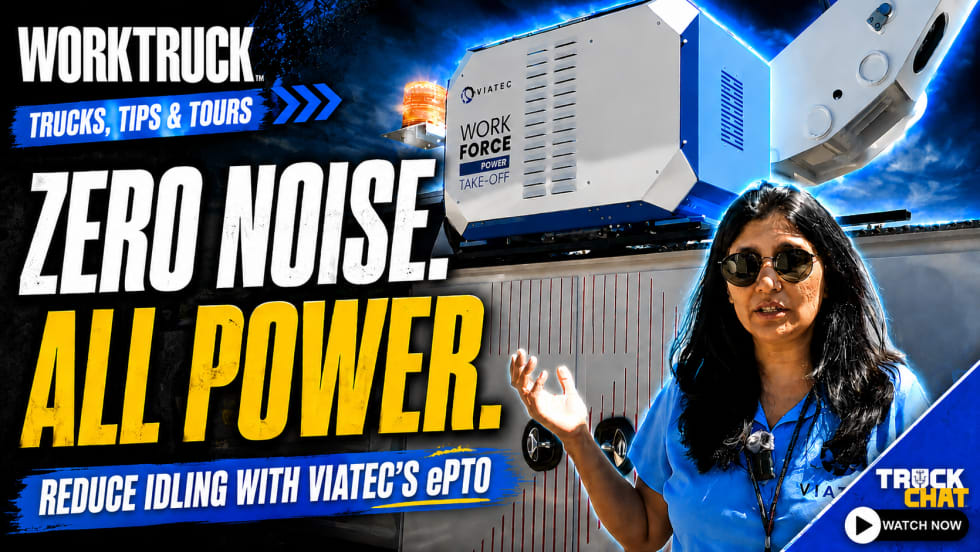
Reduce Noise & Idling with Viatec’s ePTO
Viatec's Workforce ePTO lets utility trucks power booms, outriggers, and auxiliary equipment using battery power instead of idling the engine. Learn how this technology helps reduce fuel use, noise, engine wear, and emissions while improving operator comfort.
Read More →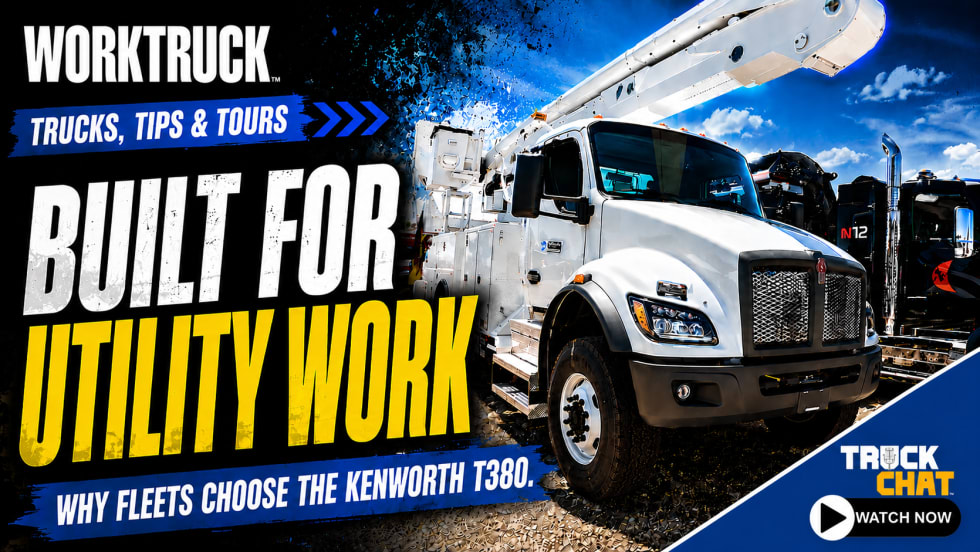
Why Utility Fleets Choose the Kenworth T380
The Kenworth T380 is engineered for utility fleets with custom chassis layouts, optimized frame rails, 4x4 capability, and improved driver visibility. See how its design helps maximize upfit flexibility and field performance.
Read More →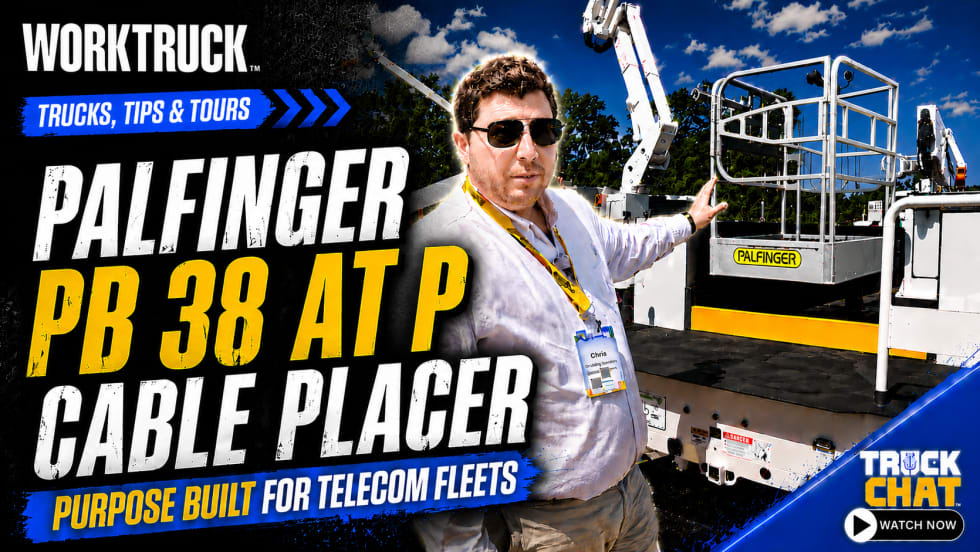
PALFINGER PB 38 AT P: Purpose-Built for Telecom Fleets
Purpose-built for telecommunications crews, the PALFINGER PB 38 ATP combines a 43-foot working height, flexible basket stowage, integrated cameras, and operator communication systems to improve productivity and safety during fiber and overhead cable installation.
Read More →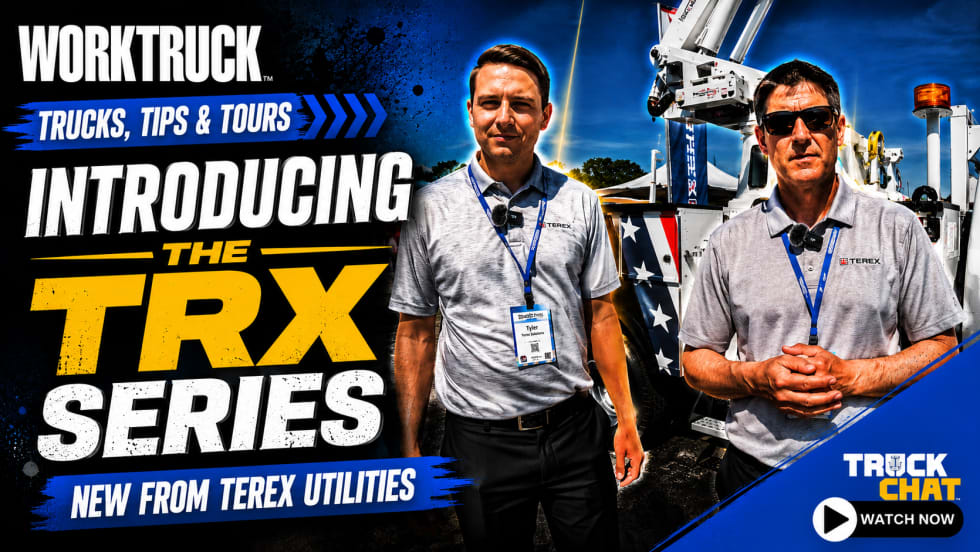
Inside Terex Utilities' Latest Work Truck Innovations
Terex Utilities is advancing utility fleet operations with its new TRX aerial platforms, Flex Pro controls, and AI-powered 3rd Eye safety technology. See how these innovations are helping fleets work safer, smarter, and more productively.
Read More →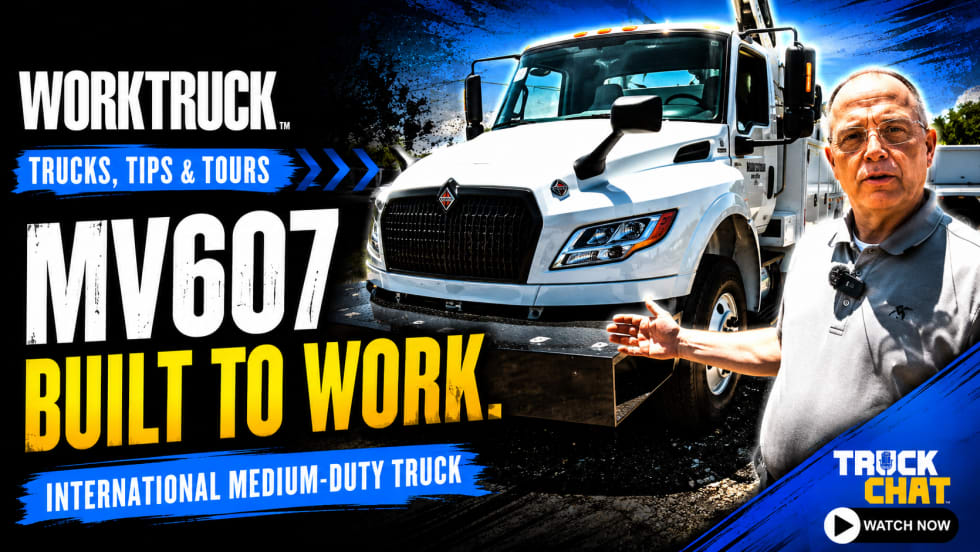
Walkaround of International MV607 Digger Derrick
The International MV607 combines advanced safety technologies, excellent visibility, vocational flexibility, and seamless body integration to create a powerful platform for utility fleet operations. Take a closer look at this Altec digger derrick configuration from EUFMC.
Read More →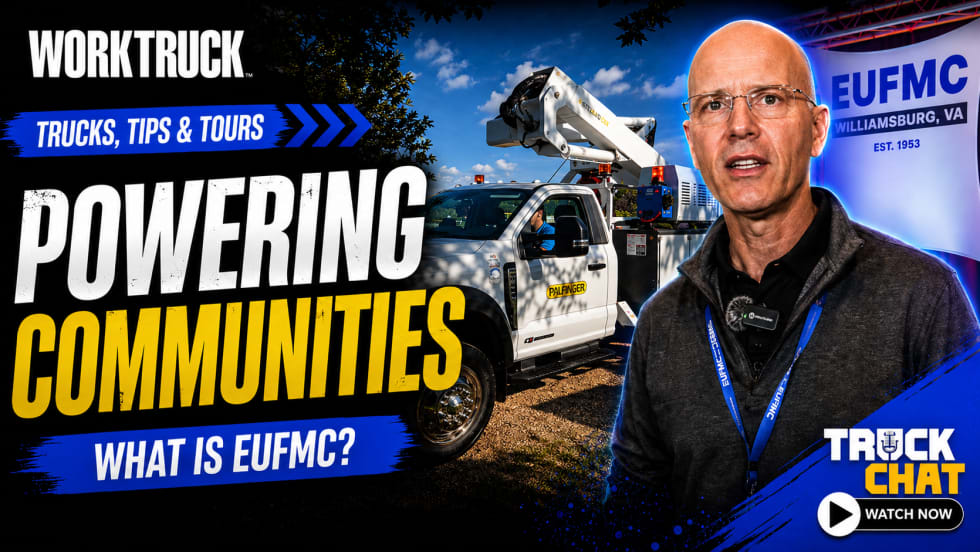
Inside the Electric Utility Fleet Managers Conference
What is EUFMC? For more than seven decades, the Electric Utility Fleet Managers Conference has served as a hub for collaboration, education, and innovation within the utility fleet industry. In this video, Work Truck talks to EUFMC President Greg Loew to learn more.
Read More →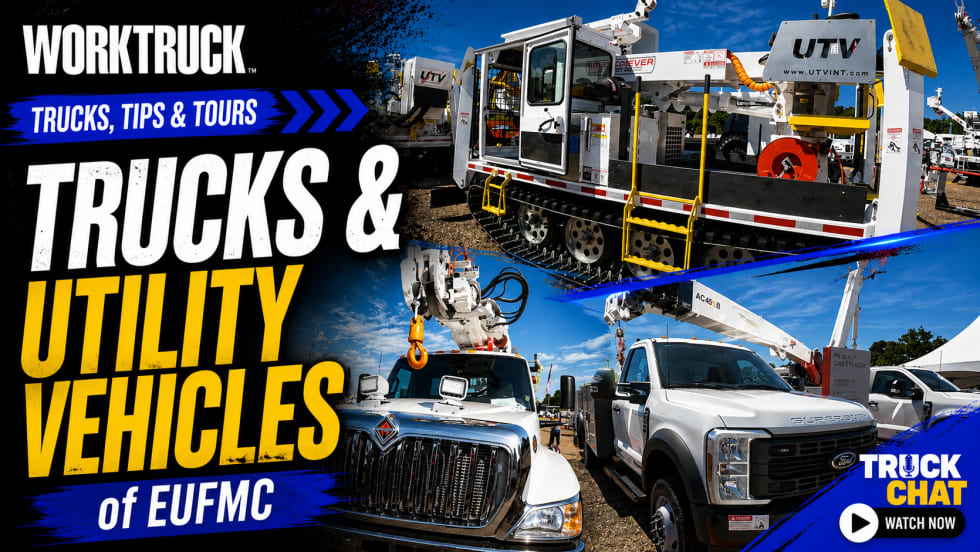
Inside the EUFMC Equipment Expo & Drive-Through
Follow Work Truck as we check out the trucks and other vehicles that were showcased at the Electric Utility Fleet Managers Conference in Williamsburg, Virginia. Whether looking for something on tires or treads, it was there for fleet managers to see.
Read More →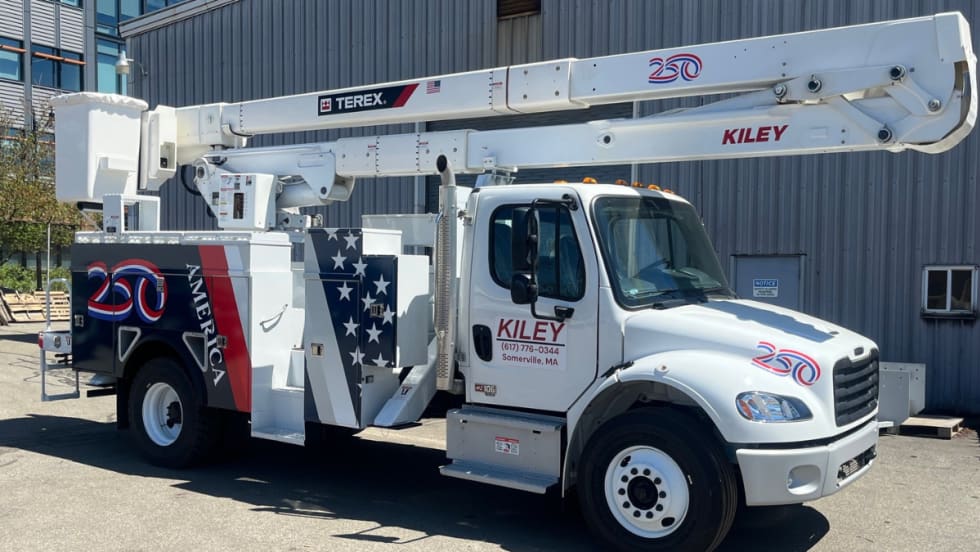
Terex Utilities & Kiley Unveil Custom America 250 Bucket Trucks at EUFMC 2026
Terex Utilities showcased a patriotic spirit in its booth this week during the Electric Utility Fleet Managers Conference in Williamsburg, Virginia, by debuting two custom-wrapped bucket trucks celebrating America’s upcoming 250th anniversary.
Read More →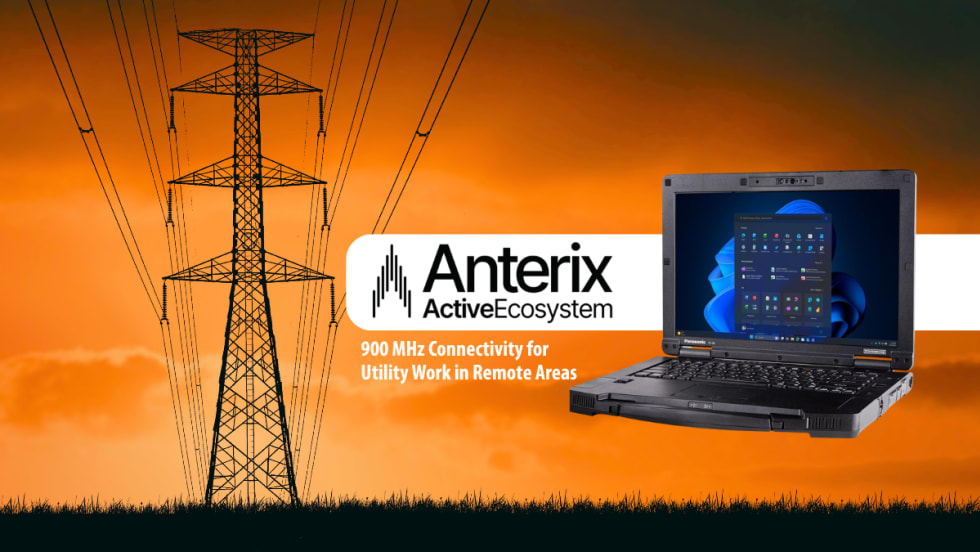
Panasonic Connect & Anterix Strengthen Connectivity Options for Utilities and Field Workers
The Panasonic Connect Toughbook 56 is the first Toughbook to earn the AnterixActive badge, which means it can connect to and operate on Anterix’s 900 MHz network even in the most remote locations.
Read More →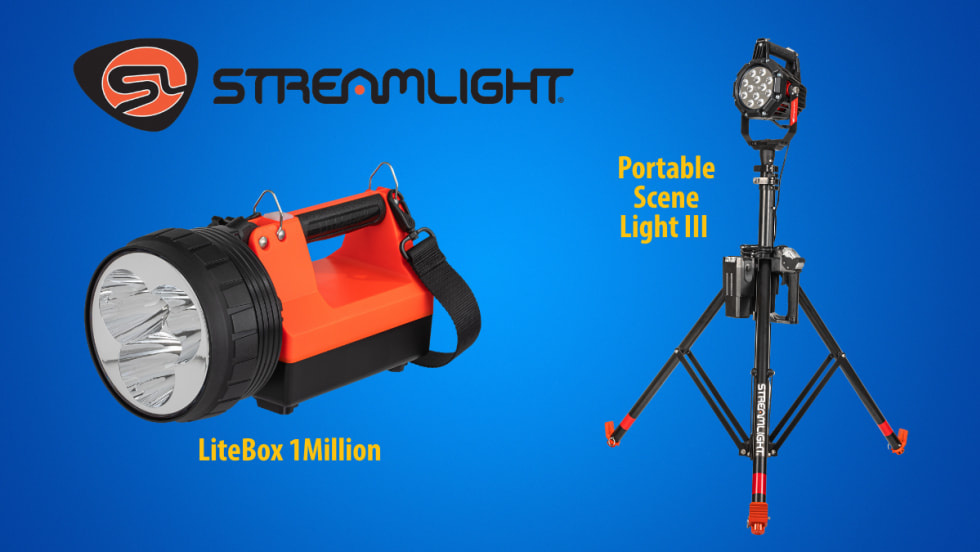
Streamlight Launches Portable Scene Light III & LiteBox 1Million
Streamlight has launched its Portable Scene Light III (PSL III), which delivers up to 10,000 lumens, and the LiteBox 1Million, a long-range search light that delivers one million candela.
Read More →