




How Sensors Will Transform the Work Truck Industry
As technology gets better, sensors placed on trucks will allow fleets to operate with greater safety and efficiency.


Photo via Unsplash
We often write about changes in the fleet industry, from government mandates to newly accepted best practices. Today we’re focusing on one piece of technology that is helping our fleets become safer and more knowledgeable: sensors.
Work Truck spoke with Wally Stegall, a technical fellow and director of business development at the Morey Corporation. Morey is a manufacturer that works with Tier 1 companies, which supply components to OEMs, telematics companies, and others in the fleet industry to advance smart connectivity in fleets.
The Basics
Work truck fleets have a lot to accomplish. First and foremost, fleet managers must ensure their vehicles are ready to accomplish the company’s mission, whether that’s making deliveries, transporting important tools, or accomplishing important tasks on a job site.
Truck fleets also make up a large portion of vehicle on the road. Even a slight improvement in fuel efficiency can make a big difference. Medium- and heavy-duty trucks make up more than 23% of all transportation emissions in the U.S. according to a report from the Environmental Protection Agency.
One major way that technology can affect these improvements is sensors. Sensors are not new. They're already used to alert drivers when fuel is low, or when a tire needs air. But technology is advancing at a rate that they can track performance in multiple areas. In addition, much more computing capability is available through telematics and other software to track that performance and come to conclusions.
The Benefits of More Data
Many fleets know that proactive maintenance is more effective than reactive maintenance — that is, making sure trucks are well maintained to prevent breakdowns on the road or repairs after something has happened. By detecting problems before they occur, fleets can improve fuel efficiency or, in extreme cases, prevent a fire due to a dragging part. But most importantly, it will allow the truck to complete its mission more easily.
There are many ways to detect these problems. Sensors have been added to braking systems and wheel ends to detect temperature, vibrations, and torsions to monitor whether the wheel end and bearing are working efficiently. A driver or fleet manage can see whether a truck is loaded improperly, if the king pin and fifth wheel are coupled incorrectly, if a light is out, or if a load is putting too much stress on one part of a trailer.
It goes past the truck, too — Stegall notes that trailers need their own sensors, as they operate independently from the truck and may even be transferred to another tractor, depending on how a fleet uses its trucks.
“A trailer leaning to one side isn’t going to be as efficient as a properly loaded trailer or a trailer that’s overweight or overweight in a specific section that could potentially damage the trailer,” Stegall said. “Weighing the truck has been done and weighing the trailer onboard has been done for a long time, but being able to see where there are specific stresses or knowing how the load has shifted or how it is packaged helps users understand so corrective action can be taken.”
With sensors, the fleet manager can detect a problem and determine how severe it is, and the dispatcher can tell the driver whether he or she can keep driving or whether they should stop by a shop the next day, next week, or immediately. In some cases, these problems may even be a quick fix, and a fleet manager could identify the error and talk the driver through a quick fix while on the road.
An Industrywide Change
Stegall believes that sensors are transforming the truck industry, and will continue to do so. But the adoption process will be an organic one, and that may take time. Such a major shift in the industry won’t happen without support. SAE International has released multiple papers on the importance of health-ready components that allow the user, fleet, and OEM better understand how a vehicle is running. In addition, the American Trucking Associations’ Technology & Maintenance Council (TMC) issued a position paper recommending the use of real-time monitoring for the brake system’s air line.
Of course, it’s important that this technology is becoming available. But it’s one thing to introduce technology, it’s another to get fleets to buy in. As Stegall pointed out, these sensors are not free, and end users will need a reason to spend money on them.
“These health-ready components have costs and their value has to be shown incrementally and adopted incrementally,” Stegall said. “Technology costs continue to go down and as they continue to go down and computing continues to go down and air time continues to go down, they become more acceptable.”
Related: How to Better Understand Data in Truck Fleets
More Safety
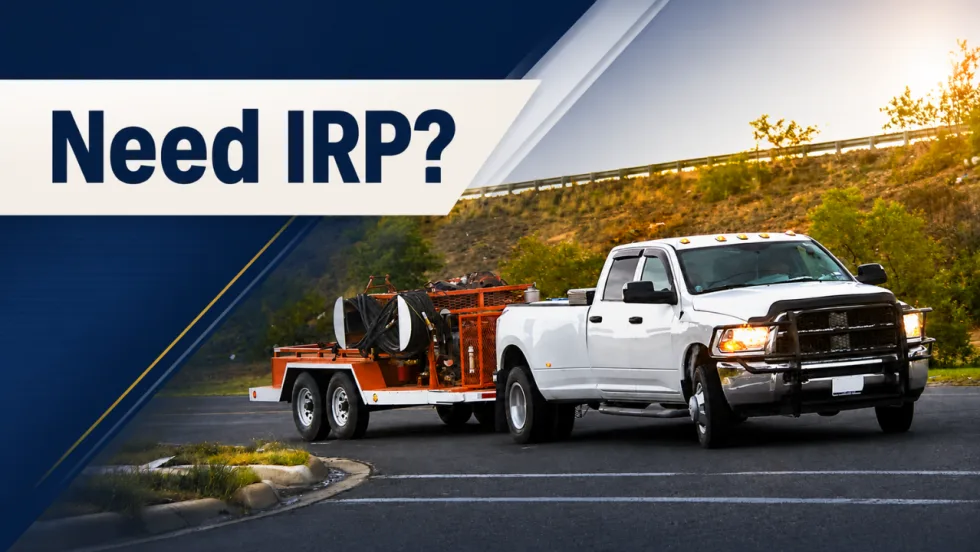
When Work Trucks Under 26,001 Pounds Need IRP Registration
Think trucks under 26,001 pounds are automatically in the clear when it comes to IRP? Not always. Learn where lighter vehicles can still run into trip permit, apportioned registration, and IFTA compliance requirements when crossing state or provincial lines.
Read More →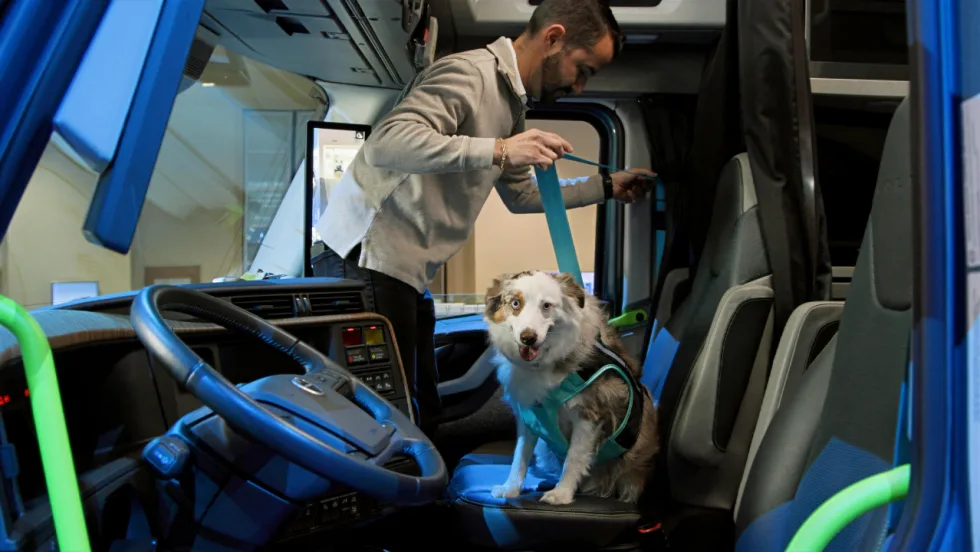
Volvo Trucks Releases New Safety Recommendations for Traveling with Pets
One of the most important recommendations for professional drivers traveling with pets is to ensure pets are properly restrained while the truck is moving. Other tips are available in the new guide from Volvo Trucks North America and Center for Pet Safety.
Read More →
API Issues Refueling Safety Guidelines
The American Petroleum Institute offers a list of safe vehicle refueling guidelines, including ways to avoid potential problems with static electricity discharges in fall, winter, and early spring.
Read More →
Winter Fleet Prep: Expert Tips to Keep Vehicles Running Smoothly
Cold weather can expose weak batteries, tires, fuel systems, and maintenance gaps fast. Use this winter fleet checklist to prepare trucks and drivers before temperatures drop.
Read More →
When a Work Truck Breaks Down, the Job Can Stop, Too
A work truck breakdown can stop more than the vehicle. Discover how payloads, jobsites, and specialty equipment change the roadside response.
Read More →
What Stronger Long-Term Fleet Service Partnerships Actually Require
Fleet service partnerships rarely fall apart all at once. Learn the three warning signs that trust is eroding and what fleets and providers can do before downtime, frustration, and lost revenue follow.
Read More →
Applause & TRUCE Software Partner to Improve Driver Safety Through AI-Powered Telematics & Employee Performance Management
Applause has integrated TRUCE driving metrics directly into its employee-first performance and safety platform that transforms mobile devices into AI-powered telematics.
Read More →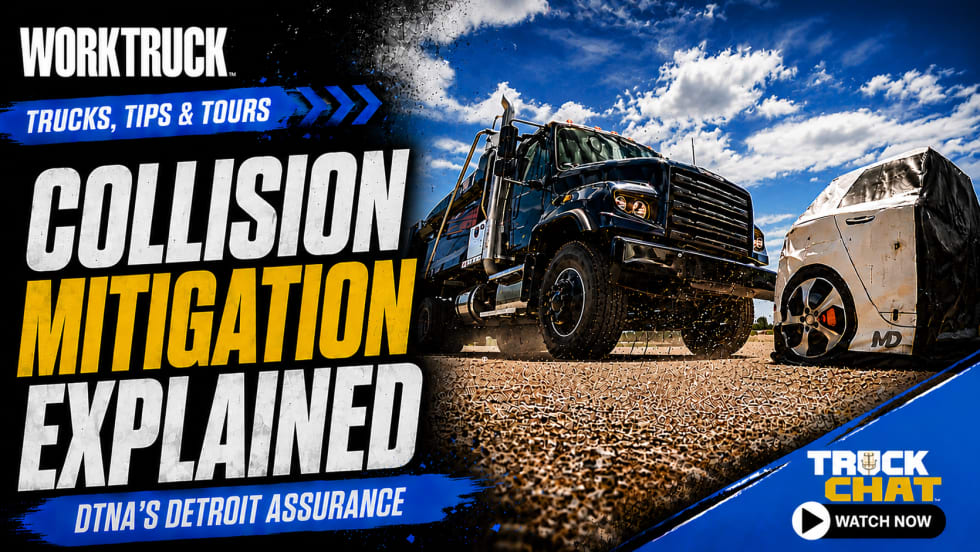
How Detroit Assurance with Active Brake Assist Works
Do you want to see what it is like to experience Detroit Assurance’s Active Brake Assist? In this video, Work Truck will put you in the cab to see how it all works and then hear more details from DTNA’s Mike Young.
Read More →
Get Left of Loss: A 5-Step Workplace Violence Prevention Framework for Fleet Operators
Violence risks do not stop at the driver’s door. Learn five practical steps fleets can take to spot threats early and protect workers before loss occurs.
Read More →
How Better Visibility Cut Speeding Violations by 48%
Fleet leaders don't need more data, they need clearer visibility into what the data is saying. This case study explores how one utility replaced speeding-event counts with a single metric — miles driven in violation — to strengthen safety and significantly reduce speeding violations.
Read More →