





Beyond the Deal: The Teamwork That Turns Fuel Savings Into Real Results
How One New Jersey Fleet Took Control of Fueling and Cut Costs
Fueling stressed out one New Jersey fleet, until a switch saved thousands, boosted driver freedom, and cut headaches. See how Uncle Buck made it work.
September 18, 2025
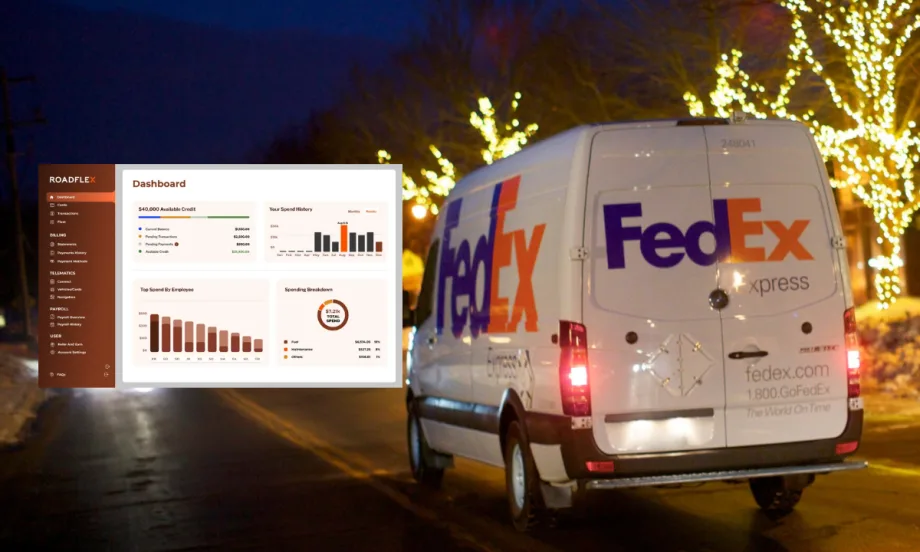
Even after dark, the work doesn’t stop. Fleet dashboards help managers keep an eye on fuel and maintenance costs so trucks like this FedEx van stay road ready.
Photo: Work Truck | RoadFlex
4 min to read
For many fleet managers, fueling is one of those behind-the-scenes headaches that can quietly eat away at both productivity and budgets. That was exactly the case for Uncle Buck Carrier Services, a FedEx Ground contractor based in Newark, New Jersey.
With 16 step vans and cutaway trucks serving the busy corridors of Orange, East Orange, and South Orange, their operation depends on keeping vehicles moving on time, every time.
But for years, something as simple as fueling was slowing them down.
A Daily Headache on the Road
As Operational Manager, ArielGarofalo was used to solving problems on the fly. But fuel? That was an issue she could not get ahead of.
The company was locked into a single small gas station account, which left drivers with few options if they were low on fuel outside of that one location.
“We were already unhappy with our fueling situation,” Garofalo explained. “It felt like I was paying a bill every day.”
If a driver could not make it back to the preferred station, they would be stuck calling in, waiting for approval, or, in some cases, stranded on the road. Garofalo often had to send money via Cash App or Zelle just to get a truck fueled and moving again. On top of the inefficiency, there was another issue: security.
“When you hand a card to someone you barely know, you can’t help but wonder how it will be used,” she said.
The breaking point came when the one gas station they relied on abruptly shut its doors with no notice. Routes were delayed, drivers were frustrated, and Garofalo knew it was time for a change.
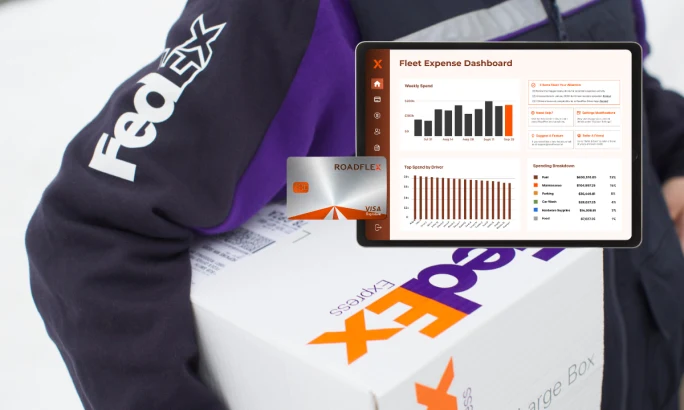
Tracking every dollar matters. FedEx drivers stay on the move while fleet managers use tools like RoadFlex dashboards to spot trends and cut costs.
Photo: Work Truck | RoadFlex
Finding a More Flexible Solution
After weighing her options, Garofalo turned to RoadFlex, a fleet fuel and expense management solution. What caught her attention was not just cost savings but flexibility and control.
“Opening up to multiple fueling locations with RoadFlex was a godsend,” Garofalo said. “Drivers don’t have to call me to send $20 anymore. They just fill up where they are, and I can still see it all on the dashboard.”
Fraud prevention was another major advantage. The ability to restrict purchases, disable lost cards, and review transactions gave her peace of mind.
“With RoadFlex, giving a fuel card to a new hire doesn’t keep me up at night. I can control what they buy and shut it down if needed,” she explained.
The onboarding process also helped smooth the transition. Garofalo said the RoadFlex team worked closely with her to adjust settings, so drivers were not blocked unnecessarily. “The RoadFlex team helped us fine-tune things, so drivers weren’t blocked unnecessarily. They’ve been responsive and easy to work with.”
Tangible Results in Weeks
For Uncle Buck Carrier Services, the changes were immediate. The company saw cost savings of about 10% a week. Drivers gained the freedom to fuel wherever they needed without losing time or calling for emergency cash transfers.
Just as importantly, the new system gave management a clear view into spending.
“The RoadFlex invoices are easy to understand and completely transparent,” Garofalo said, adding that hidden fees were no longer a concern.
Garofalo also saw a major reduction in time spent managing payments. She no longer drives to the station to settle bills or scrambles to send cash transfers in the middle of the day.
“RoadFlex saves us money, saves me time, and makes fueling easier for our drivers,” she said.
Fueling Best Practices for Fleets
Uncle Buck’s experience highlights a universal truth for fleet managers: fueling can make or break your daily operations. Whether you manage 10 vehicles or 1,000, here are a few practical tips to keep your fueling program running smoothly:
Diversify fueling options: Relying on a single station or provider can leave drivers stranded. Build relationships with multiple vendors or networks.
Use controls to prevent misuse: Whether through fuel cards or internal policies, set limits on spend and restrict purchases to fuel only.
Prioritize visibility: Real-time reporting or regular audits help spot irregular transactions before they become costly problems.
Streamline payments: Consolidated invoicing or digital platforms can reduce the time managers spend reconciling multiple receipts or transfers.
Lean on partners: Whether it is a fuel card provider, a cooperative buying group, or a local vendor, strong support can make transitions smoother and keep operations running without disruptions.
Smart Fueling Strategies for Small- and Mid-Sized Fleets
Uncle Buck Carrier Services’ story is a reminder that operational pain points do not always come from big-ticket items like vehicles or shop equipment. Sometimes the most effective improvements start with everyday necessities such as fueling.
By shifting to a program that gave both flexibility and control, the company reduced risk, improved transparency, and put more time back in managers’ and drivers’ hands.
As Garofalo summed it up, “RoadFlex gives our drivers flexibility while giving managers control. That’s the best of both worlds. It’s why I’d recommend it to any fleet.”
For Uncle Buck, the shift has meant less stress, fewer roadblocks, and more time to focus on what matters most: getting deliveries out on time and keeping customers happy.
Subscribe to Our Newsletter
More Fuel

The Smart Way to Build a Mixed-Energy Fleet Isn’t About Picking a Side
Mixed-energy fleets aren’t about picking a winning fuel. Sarah Booth of WEX explains how vehicle data, duty cycles, charging strategy, and real-world costs can help fleets choose the right energy source for each job.
Read More →
Ignoring This Dashboard Warning Could Cost Your Fleet Thousands in Fuel
New research suggests neglected diesel aftertreatment systems could waste up to $30 in fuel per vehicle each day. Here's why vocational fleets should pay attention.
Read More →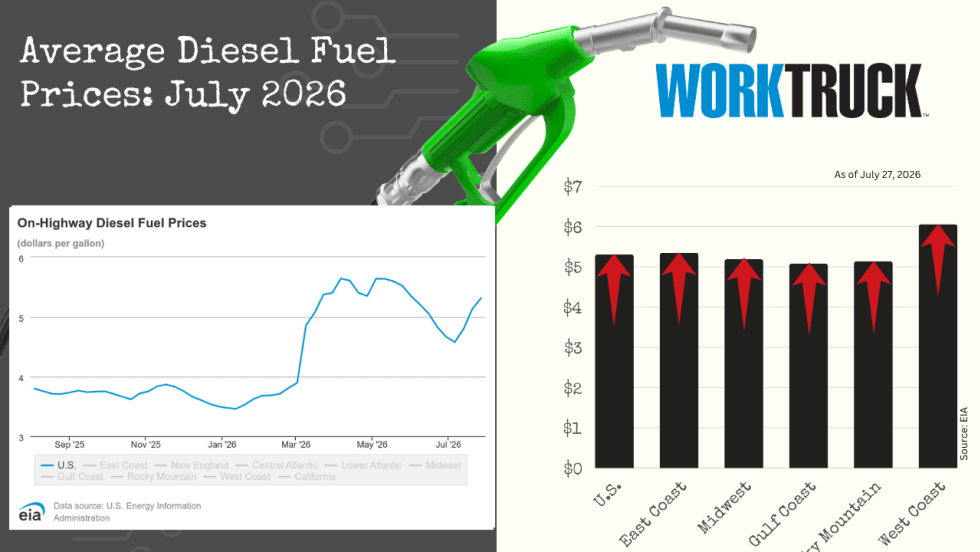
July Diesel Trends Update
The average price of a gallon of diesel increased again this week, and the EIA reported a new national average of $5.31 at the start of the week.
Read More →
WEX Brings Standard Fleet's Connected Vehicle Platform to Fleet Customers
This week’s product launch with Standard Fleet’s connected vehicle platform reflects WEX Venture Capital's strategy of turning startup innovation into customer solutions. Standard Fleet is now available to WEX fleet customers.
Read More →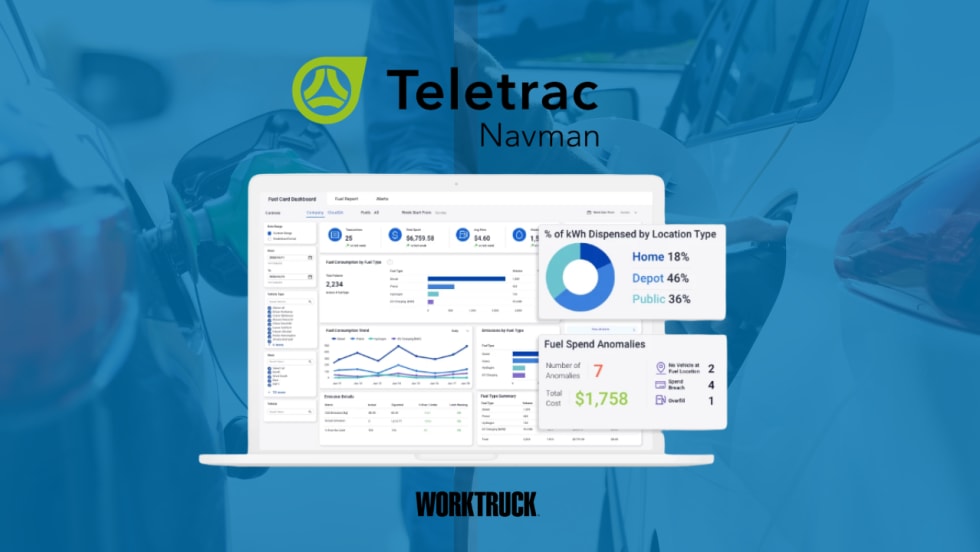
Teletrac Navman Adds Mixed-Energy Fleet Tools to TN360
The new Energy Hub combines fuel transactions, EV charging data, vehicle range, and energy costs in one dashboard for fleets operating multiple vehicle and energy types.
Read More →
WEX DriverDash adds CITGO, Expands Nationwide Access for Fleets
The DriverDash mobile payment app, by WEX, has been integrated into the CITGO merchant network, which means WEX has expanded its U.S. station footprint with the addition of approximately 4,000 CITGO locations.
Read More →
Mixed Energy Fleet Tips for Balancing EVs, Gas and Diesel Vehicles
Mixed energy fleets are becoming the new normal. Learn how fleet managers are balancing EVs, gas and diesel vehicles while controlling costs and planning for the future.
Read More →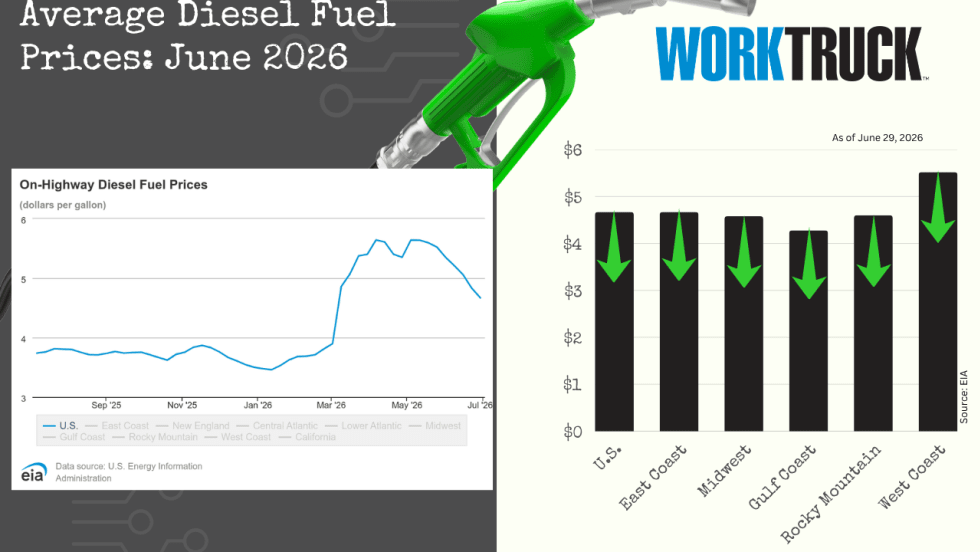
June Diesel Trends Update
The national average price of a gallon of diesel has dropped again, this week by more than 16 cents. All five regions reported lower average prices, ranging from almost 13 cents to more than 28 cents cheaper than a week ago.
Read More →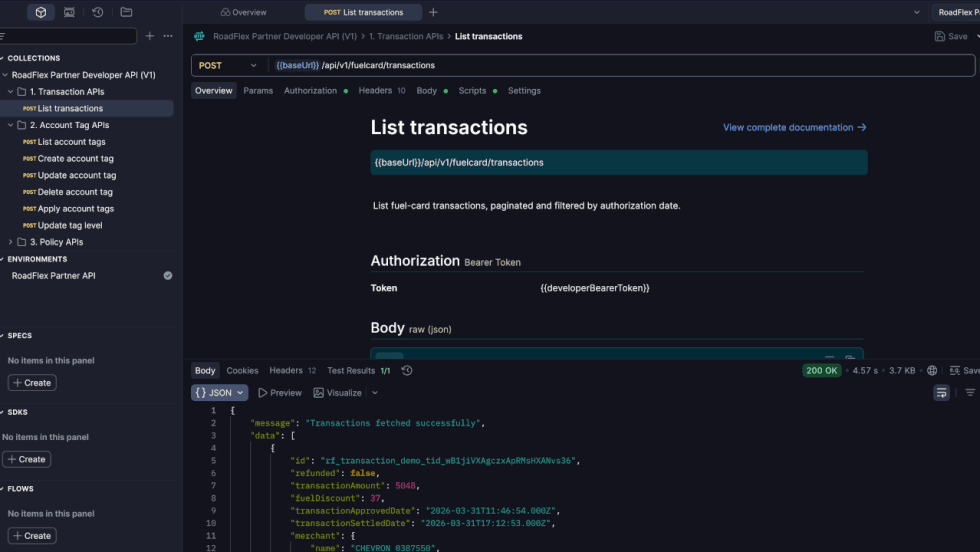
RoadFlex Launches RoadFlex Direct Open API Platform
RoadFlex Direct connects fuel cards, controls, and data to the telematics and fleet management systems fleets already run, from Geotab and Samsara to Fleetio and RTA, with no separate dashboard or double data entry.
Read More →
The Key to Fuel Efficiency Sits in the Cab
Learn how driver behavior, telematics, coaching, and fuel data can help fleets improve fuel efficiency, lower costs, and reduce emissions.
Read More →