




How Medium-Duty Trucks Benefit From Balanced Oils
Switching to balanced oil blends helps medium-duty fleets save fuel, cut downtime, and extend engine life, without adding complexity to maintenance.
by Brandon Thompsn, CITGO Petroleum Corporation
July 3, 2025
Balanced oils help medium-duty trucks—from delivery vans to utility vehicles—run cleaner, last longer, and perform better with fewer service disruptions.
Photo: CITGO Petroleum | Work Truck
5 min to read
In an environment of rising operational costs and tightened budgets, medium-duty fleets are under pressure to extract every possible advantage from their equipment. The shift toward smarter, more strategic maintenance practices is essential.
One often-overlooked change that can deliver a measurable impact? Switching to a balanced formulation of engine oil. Much like the logic behind investing in durable boots over cheaper ones that wear out quickly, the idea behind using a high-quality, well-formulated oil is simple: pay attention to the details now to avoid bigger costs later.
Balanced formulation oils offer that kind of long-term operational value. They support engine durability, improve fuel economy, and help reduce the strain on emissions systems.
What Is a Balanced Formulation?
Balanced formulation is not about chemistry. It is about outcomes. This brand of oil is designed to deliver three key benefits simultaneously: engine protection under high heat and pressure, improved fuel efficiency, and enhanced support for the emissions system. It is not a niche blend or an experimental product. It is a modern solution proven in real-world fleet use.
For fleets operating a mix of old and new trucks, this balance is crucial. It provides maintenance managers with a product that works across various engines, helping to meet modern performance demands.
Improving Fuel Economy Across the Fleet
According to Federal Highway Administration data, diesel-powered delivery trucks, which commonly fall under Class 4-6, average about 7.7 miles per gallon. Similarly, school buses (typically Class 6) average 7.3 mpg, while refuse trucks fall even lower at 2.8 mpg. Even a modest improvement of 2-3% in fuel economy can translate into significant savings across a medium-duty fleet when scaled over hundreds of miles and multiple vehicles.
In field trials, fleets that transitioned from conventional 15W-40 to balanced 10W-30 blends reported improvements of up to 3-4% in fuel economy. These were not lab conditions. They were real-world cycles, where the oil’s performance held steady even beyond 50,000 miles. For fleet managers, such savings add up quickly, especially as fuel prices fluctuate and idle time increases.
Longer Oil Life, Fewer Interruptions
Maintenance costs for medium-duty trucks can range from $5,000 to $15,000 annually per vehicle. Extending oil drain intervals using balanced formulation oils can help reduce these expenses. In one 500,000-mile fleet trial using a 10W-30 synthetic blend, trucks extended drain intervals beyond 85,000 miles without compromising protection.
That meant fewer stops, fewer oil changes, and fewer chances for unexpected issues to arise between intervals. The oil held up, and so did the engines.
Emissions System Support Built In
Modern medium-duty trucks rely on advanced emissions technologies, such as Diesel Particulate Filters (DPFs) and Selective Catalytic Reduction (SCR), to remain compliant with environmental standards.
These systems, although effective, add complexity and necessitate regular maintenance. DPFs must be regularly regenerated and cleaned to prevent backpressure, whereas SCR systems using DEF can be prone to clogging or catalyst stress if not properly maintained. The addition of emission systems, such as DPFs and SCRs, has increased the maintenance complexity and costs for medium-duty trucks.
Utilizing oils that support the health of the emissions system can help mitigate these challenges. Balanced oils help minimize ash buildup and reduce backpressure in the DPF, resulting in fewer active regenerations and an extended DPF service life. By keeping combustion cleaner, these oils support the emissions system without requiring fleets to install new hardware or adopt unproven technologies. It is about reducing stress on critical components and avoiding downtime.
Easy to Phase In, Easy to Measure
Fleets that succeed with implementation often assign a lead technician to oversee oil sampling and report early findings. Using maintenance software to log sample data and flag trends helps build internal confidence and supports a broader rollout across vehicle classes. Technician buy-in also matters.
When teams understand the reason for the change, such as less frequent service, cleaner engines, and more predictable schedules, it becomes easier to align their practices with program goals. Getting technicians involved early and implementing consistent oil sampling routines helps ensure results are tracked and understood.
What This Means for Your Fleet Team
For drivers, fewer regens mean smoother shifts and fewer interruptions.
For technicians, cleaner engines mean less time spent tracking down carbon-related issues. For operations leads, extended drain intervals reduce the strain on scheduling and improve equipment availability.
Balanced oils are good for the engine and good for the team that keeps it running.
Case in Point: What Medium-Duty Gains Could Look Like
For a medium-duty fleet operating Class 6 trucks on daily delivery routes, the benefits of balanced oil formulation can quickly add up. By switching from a conventional 15W-40 to a 10W-30 synthetic blend, a 2-3% improvement in fuel efficiency is within reason based on industry norms.
When combined with fewer active DPF regenerations and the potential to extend oil drain intervals through sampling and monitoring, the result is a maintenance plan that supports uptime and controls cost, without adding new complexity.
The Bottom Line
Fleet maintenance is full of trade-offs. However, when a single product change delivers better protection, fewer service disruptions, and meaningful savings, the choice becomes simple. Balanced formulation oils help fleets perform better, not by doing more, but by doing what matters most.
As Greenhouse Gas Phase 2 regulations continue to shape medium-duty fleet requirements, the opportunity to improve fuel economy presents itself with oils that reduce internal friction and support cleaner combustion. Fleets can stay aligned with efficiency targets while extending equipment life with balanced, formulated 10W-30 synthetic blends.
For those looking to implement this shift, CITGARD 700 Synthetic Blend 10W-30 offers a practical way to meet multiple fleet goals at once:
Reduce fuel costs
Extend oil drain intervals
Protect emissions systems
Maintain engine durability
Subscribe to Our Newsletter
More Maintenance
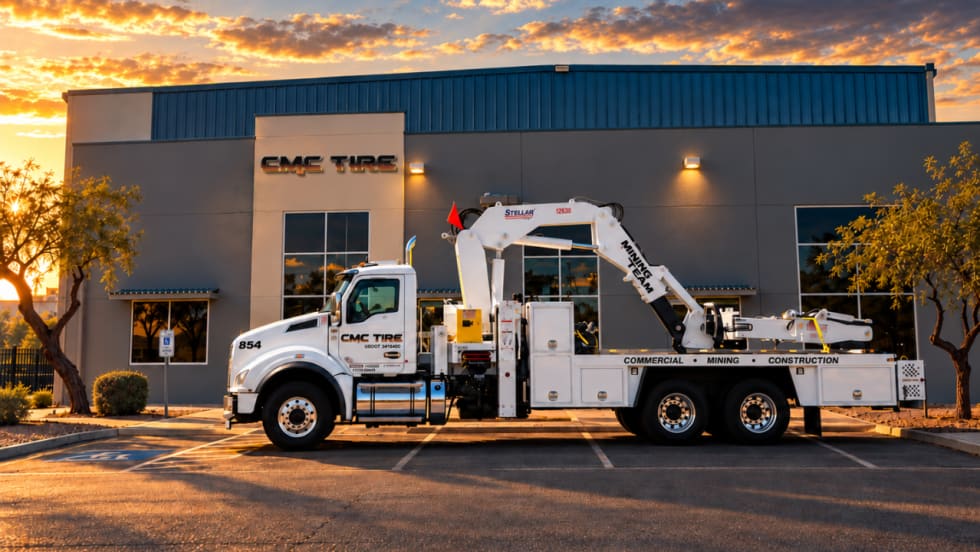
Les Schwab Expands Commercial Tire Footprint Into Arizona
Les Schwab Tires has expanded into Arizona with two commercial tire locations in Phoenix and Tucson, strengthening its fleet service footprint in the Southwest.
Read More →
Volvo Trucks’ 'Lock and Leave' Software Updates Go Live Across North America
Unattended over-the-air software updates are now available in Volvo trucks across the U.S. and Canada. The new capability lets trucks stay current with the latest software without interrupting operations or requiring a dealership visit.
Read More →
Why Technician Appreciation Can’t Be a Once-a-Year Thought
For fleets trying to keep skilled technicians, recognition cannot begin and end with Technician Appreciation Week. Learn what year-round appreciation really looks like and why the everyday technician experience matters just as much as pay when fleets are trying to keep good people.
Read More →
How Faster Driver Reporting Can Keep Small Truck Problems Small
When minor damage, warning lights, or equipment issues are reported late, small problems can quickly become bigger maintenance headaches. Conversational AI can help shorten the path from what a driver notices in the field to the person who can act on it.
Read More →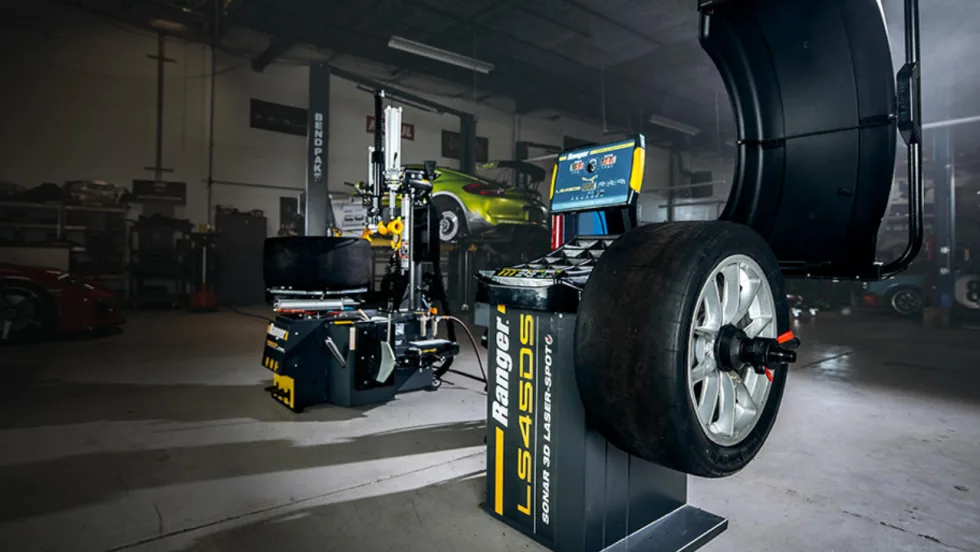
BendPak’s Ranger Wheel Service Equipment Achieves North American Safety Certification
BendPak’s full line of Ranger tire changers and wheel balancers has been ETL certified to UL and CSA standards to improve operator safety.
Read More →
Isuzu & U.S. Department of Labor Celebrate Milestone for Veterans Apprenticeship Program
The Isuzu Veterans Apprenticeship Program (IVAP) signing ceremony highlighted Isuzu’s long-term commitment to veterans, Isuzu dealers, and the skilled workforce supporting its customers and the commercial transportation industry.
Read More →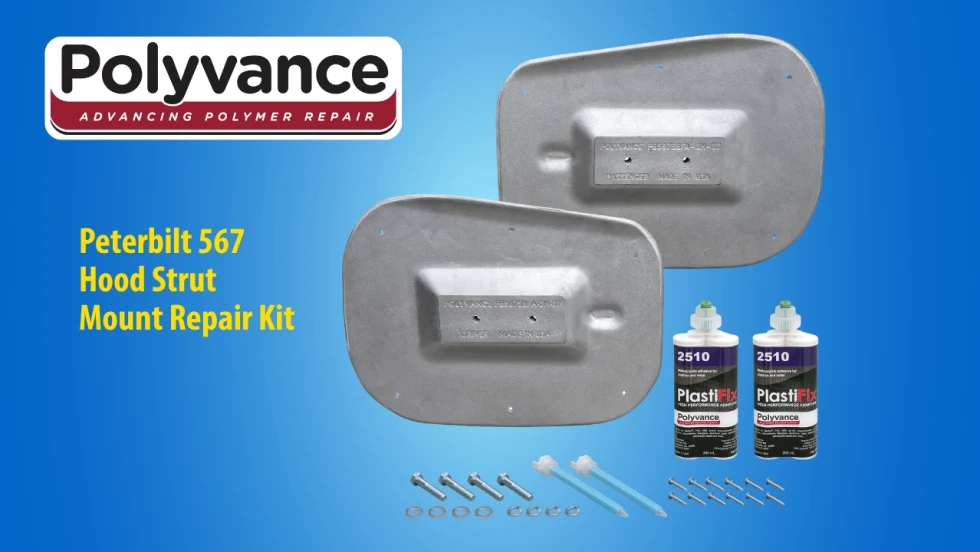
Polyvance Introduces New Peterbilt 567 Hood Strut Mount Repair Kit
Polyvance has launched a repair solution for Peterbilt 567 hood struts, helping truck owners and repair facilities avoid costly hood replacements.
Read More →
Cox Automotive Celebrates Technical Excellence at 2026 Top Tech Finals
The top technicians from Cox Fleet and Manheim tested their skills in Nashville, Tennessee, at Cox Automotive’s 2026 Top Tech Finals. The overall winners will advance to compete at the American Trucking Association’s TMC SuperTech competition.
Read More →
Grote Industries Appoints Vice President of North American Operations
Grote Industries has appointed Patrick Smith as vice president of North American operations as it celebrates 125 years of innovation and manufacturing excellence. He has more than 20 years of manufacturing leadership experience.
Read More →
Winter Fleet Prep: Expert Tips to Keep Vehicles Running Smoothly
Cold weather can expose weak batteries, tires, fuel systems, and maintenance gaps fast. Use this winter fleet checklist to prepare trucks and drivers before temperatures drop.
Read More →