




How Mechanical Adjustments to Check Valves Reduce Emissions and Costs
Even small tweaks and modifications can make a difference in the level of emissions that a diesel engine pumps into the atmosphere. One such tweak can be made in the check valve.

Between the desire to meet increasingly stricter environmental regulations and ongoing pressure to improve profitability, few OEMs or fleet owners aren’t looking for ways to reduce emissions and fuel costs.
Photo: Work Truck
Today, the big challenge for all truck manufacturers is identifying solutions that will help them meet emissions targets. The targets receiving the most publicity are those set by government agencies, but there are also targets set by the manufacturers themselves and their customers.
The problem is that things don’t change quickly in the trucking industry. Tried-and-true is indeed the safe bet. Internal combustion engines (ICEs) certainly fall in this category, having been around for more than a century and proving, over time, that they represent a reliable powertrain.
Between the desire to meet increasingly stricter environmental regulations and ongoing pressure to improve profitability, few OEMs or fleet owners aren’t looking for ways to reduce emissions and fuel costs. While there are several proven solutions currently on the market, many are complex and costly.
Thus far, many manufacturers have found ways to make a difference — big and small — in their emissions without completely redesigning their engines.
But here’s a novel idea. How about a workable solution that’s fast, easy to implement, and hardly costs anything? Yes, it’s true. Using sound old-school reasoning and mathematics, it’s not only possible, but it’s being effectively implemented on the road today.
The Primary Purpose of a Check Valve
Even small tweaks and modifications can make a difference in the level of emissions that a diesel engine pumps into the atmosphere.
One such tweak can be made in the check valve, designed to allow fuel to flow only in one direction. This relatively simple device (consisting of only the body, a poppet, spring, and retainer) also determines how much pressure can build up before it allows fuel to flow through, effectively preventing backflow from damaging upstream componentry.
Check valves not only protect system pumps from failure or damage, but they also control actuator flow to improve operator safety.
Acting as fuel pressure regulators, check valves can ensure that the pump in the fuel system is not injecting too much or too little fuel into the engine. This helps regulate a steady, precise amount of fuel to avoid fuel pressure imbalances. This also leads to greater operational efficiency and helps avoid emissions issues.

Check valves not only protect system pumps from failure or damage, but they also control actuator flow to improve operator safety.
Photo: Parker Hannifin
An Evolving Role for the Check Valve
With this capability, engine manufacturers can set the flow to any pressure identified as being efficient for their engines based on the check valve’s crack pressure, size, and actual area through which the fuel can flow.
A valve’s crack pressure is the fluid pressure in the free flow direction required to move the poppet off the seat. The typical crack pressure setting is 5 PSI, but other crack pressures are available.
It was a Parker customer — a Class 7-8 work truck manufacturer — whose engineers first conducted testing and made numerous tweaks to identify ways to improve emissions. Parker’s tech team worked with the customer to ensure that the tweaked check valve still met all the specifications that the manufacturer calculated.
As a result of these collaborative efforts and extensive testing, some check valves, like those from Parker, have shown that they can be engineered to play a new, unique role as fuel pressure regulators in Class 6-8 trucks to help manufacturers meet the most stringent emissions requirements associated with Tier 4 compliance.
This includes big rigs weighing over 33,000 pounds and heavy-duty construction vehicles like cement and dump trucks.
Tweaking the check valve to ensure it opens when a particular pressure point is reached is a fast, easy, and inexpensive alternative to more complex and costly options for reducing emissions. It is simply based on the pressure in the system. Nothing electrical or computerized is involved. There is a low risk of failure, and this option works for nearly any type of truck. Most importantly, the results are impressive, leading to huge savings. By simply regulating the flow, emissions can be reduced.
The best news is that check valves reduce emissions and improve fuel efficiency. If you previously went 300 miles on one gas tank, you can now drive farther before filling up. So, with a simple, inexpensive check valve modification, you can go farther with less fuel and fewer emissions.
Considerations When Choosing a Check Valve
Not all check valves will perform the same way with the same tweaks. For example, check valves with tighter tolerance control are more effective because they allow the operator to control the tolerances and calculate the impact of the modifications. The level of accuracy and fuel flow control also matter because precision makes the difference.
What needs to be customized to meet the demands of specific applications?
Size
Shape
Pressure ratings
Flow capacities
Body material
Seal material
Technical parameters
Crack pressures
That’s why it’s beneficial to work with a supplier with a broad portfolio to ensure it’s possible to create the exact check valve needed for the job. A compact size is preferred as it provides the flexibility of being plugged in almost anywhere.
Material compatibility is crucial, as the material used for the check valve must be compatible with the fuel to avoid premature failures. A hard or soft seat valve will work, although a hard seat valve is preferred because it requires less maintenance, and there are no safety concerns if there is a small amount of fuel leakage.
When selecting check valves, the port configuration must be considered to ensure proper alignment with the system requirements and facilitate efficient flow control. The choice of port configurations will depend on factors such as the desired flow direction, space limitations, installation requirements, and the overall design of the piping system.
Built-in screens or filter elements specifically designed for fuel systems regulate fuel flow and prevent debris or particles from entering, providing added value by preventing clogging or damage to the fuel system components.
More Complex, Costly Alternatives Are Available
Of course, several other options for reducing emissions have nothing to do with the check valve. One such common approach involves the use of Diesel Exhaust Fluid (DEF), a spray diesel emission reduction fluid. This method removes greenhouse gases before they exhaust using a chemical process so that you can use less fuel while going just as fast.
Other fuel-efficient options include hybrid options that rely on some electrical power. Or, there are alternative fuels, like NG and CNG, that aren’t as bad for the environment.
Driving Thoughts
It’s important to remember that a check valve isn’t the full solution. Instead, it is one piece of a larger puzzle that leads to lower emissions. And since there is no downside to this cost-effective approach, it represents a no-brainer supplement to a manufacturer’s overall emissions reduction program.
However, as simple as it sounds, the necessary modification would be difficult to implement at the fleet maintenance level. Rather, the check valve modification must be done at the manufacturer level, where specific calculations can be made to determine the impact the modifications will have on a system.
In addition, calculations with the check valve structure must also be made to ensure the valve can adequately accommodate a specific fuel flow.
Rather than serving as a plug-and-play solution, the check valve modification approach is really about the behind-the-scenes math that has to be done to determine the impact the valve can have on the flow.
About the Authors: Cameron Koller is a market development manager at Parker Hannifin. Jake Wehrly is a product sales manager at Parker. This article was authored and edited according to WT editorial standards and style. Opinions expressed may not reflect that of WT.
More Green Fleet

Fleet Forward Conference Introduces One-Day Passes for 2026
New one-day registration gives fleet professionals the flexibility to attend Tuesday, Wednesday, or Thursday, with passes available for $199 through Sept. 18.
Read More →
CALSTART Rebrands as Catalyst Mobility, Will Combine with Forth in 2027
CALSTART has rebranded as Catalyst Mobility and will combine with Forth at the start of 2027. The new organization said it is poised to become one of the world's largest, strongest, and most impactful clean transportation nonprofits.
Read More →
Electric Truck and Charging Programs to Boost Sustainability at NY & NJ Ports
Together, the Port Authority of New York and New Jersey and CALSTART will electrify drayage and terminal operations serving the East Coast’s busiest container port. A pair of incentive programs totaling $45 million has launched to accelerate adoption of zero-emission drayage trucks and terminal tractors.
Read More →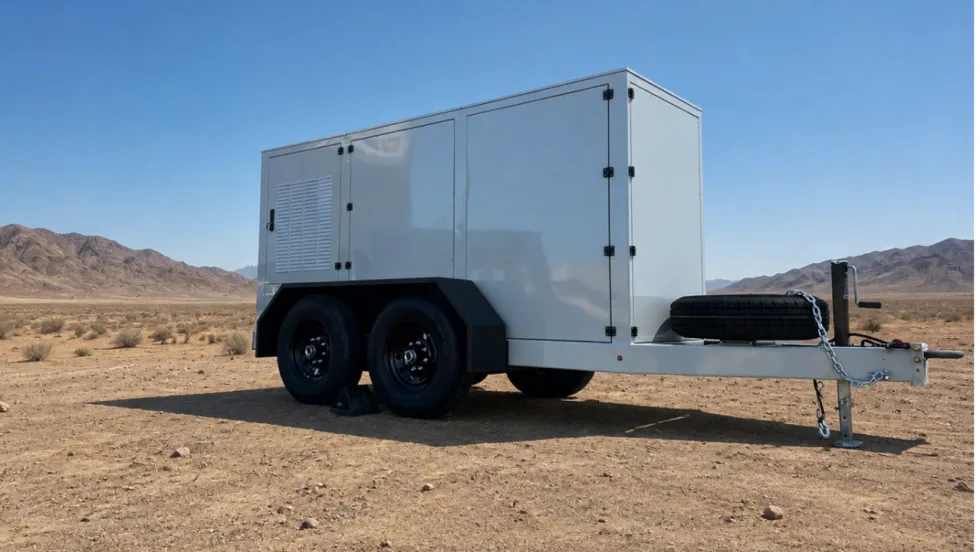
Xos Hub Surpasses One Gigawatt-Hour of Energy Delivered in the Field
A single Xos Hub has surpassed one gigawatt-hour of energy across more than 33,600 charging sessions in the field, demonstrating performance that supports Xos' expansion across new products and markets.
Read More →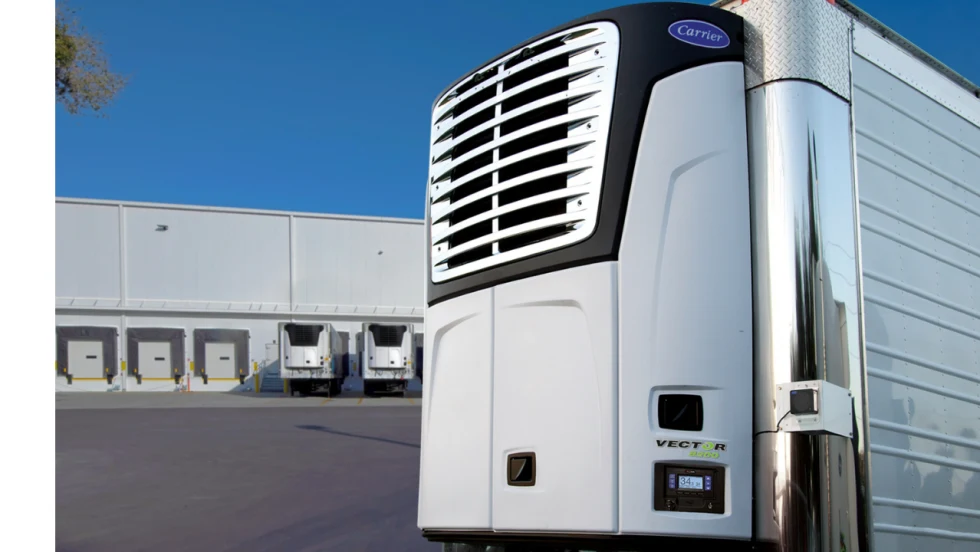
Carrier Transicold Launches All-Electric Vector 8200 TRU for Diesel-Free On-Site Cold Storage
Carrier Transicold’s first engineless multi-temperature TRU helps fresh- and frozen-food fleets add supplemental cold storage capacity during seasonal peaks.
Read More →
Narro Trucks Introduces Electric Utility Vehicle
Narro Trucks officially launched its operations on Aug. 20 and hosted a ride and drive to showcase its electric truck, which will be produced in Virginia.
Read More →
Samsung SDI Takes Full Control of GM Battery JV as Indiana Plant Pivots to Energy Storage
Samsung SDI is taking full control of its Indiana battery plant with GM, marking a major shift from the EV-focused joint venture Charged Fleet first covered in 2023.
Read More →
NWSA Taps CALSTART to Administer Zero-Emission Drayage Assistance Program
CALSTART will provide free technical assistance services to drayage fleets serving the Ports of Seattle and Tacoma and looking to transition to cleaner technologies and help decarbonize freight hubs.
Read More →
EV Fleet Reality Check: What Operators Wish They Knew Before Electrifying Their Work Vans
Electric work truck upfits bring new compatibility questions. Learn how parts availability, OEM guidance, power demands, and route planning can affect fleet performance.
Read More →
Peterbilt Expands Sourcewell Partnership with Electric Vehicle Lineup
Peterbilt Motors Company’s cooperative purchasing agreement with Sourcewell and its Canadian partner, Canoe Procurement Group, now includes including Peterbilt's battery-electric vehicle lineup.
Read More →