





Related: Driving With Sun Glare (video)
Grappling With Glare
Whether driving during a sunny day or a traffic-filled night filled with bright headlight, drivers can take a number of steps to both prevent glare from happening and manage glare on the road.
June 2, 2015

3 min to read

Glare is a common driving annoyance, whether it comes from the rising sun or setting sun or from headlights at night. A driver’s first instinct in this situation may be to squint or strain his or her eyes to cut the light, but that could make things worse.
Indeed, in 2012, nearly 1,300 fatal auto and motorcycle accidents resulted from glare and other vision-obscuring factors, according to the National Highway Traffic Safety Administration (NHTSA).
Of course, sunglasses and sun visors are tried-and-true tools for combatting sun glare, but there are other steps drivers can take to both prevent glare from happening in the first place and manage glare while driving.
Keeping a Clear View
Drivers can prevent both daytime and nighttime glare by keeping their windows clean to avoid the refraction of light. Glass should be cleaned both inside and out, recommended William Van Tassel, Ph.D., manager of driver training operations at AAA.
“There could be a build up of film on the inside of the glass, so it’s important to keep the inside cleaned as well. Keeping a microfiber cloth tucked in the glove box could be a good thing to have so you can wipe down the inside of the glass once a week or a couple times a week if necessary,” Van Tassel said.
In addition, drivers can reduce sun glare by using polarized sunglasses or eyeglasses with an anti-reflective (AR) coating.
“Any kind of sunglasses will help, but polarized sunglasses are specifically designed to help reduce glare and improve the clarity of vision. It’s probably worth the extra money to step up to the polarized lenses. These lenses will also help protect the eye itself as well, from any damage caused by light,” Van Tassel added.
Negating Nighttime Glare
In some respects, headlight glare at night can be even worse than sun glare for drivers, according to Van Tassel.
“If we don’t see oncoming lights, then our pupils will enlarge a little bit — that’s the eyes’ attempt to get more light in. Already, humans don’t see well at night — that’s why we need headlights,” Van Tassel said.
Drivers can minimize headlight glare exposure by keeping their eyes moving and looking down on the right edge of the road, according to AAA.
“If a car is coming by with its headlights on, you can just briefly look down at the white line on the right side of the road, and then bring your eyes back up as soon as that car goes by. You don’t want to do that even a second or two longer than you have to,” Van Tassel said.
Headlight glare-reduction tips also recommended by AAA are proper alignment of both outside mirrors, as well as use of a rear-view mirror’s “night” setting (the tab below the mirror that changes the angle of the reflective surface so that reflections appear dimmer).
And, drivers can take steps to reduce the amount of headlight glare they emit to other drivers, including using headlights at proper times (at least one hour after sunrise and one hour before sunset, according to AAA), cleaning the lights and ensuring proper alignment.
“Make sure your headlights are not aimed too high or too low — too high will make seeing while driving very difficult for oncoming drivers, and too low will make seeing while driving very difficult for you,” Van Tassel said.
Originally posted on Automotive Fleet
Subscribe to Our Newsletter
More Safety & Compliance
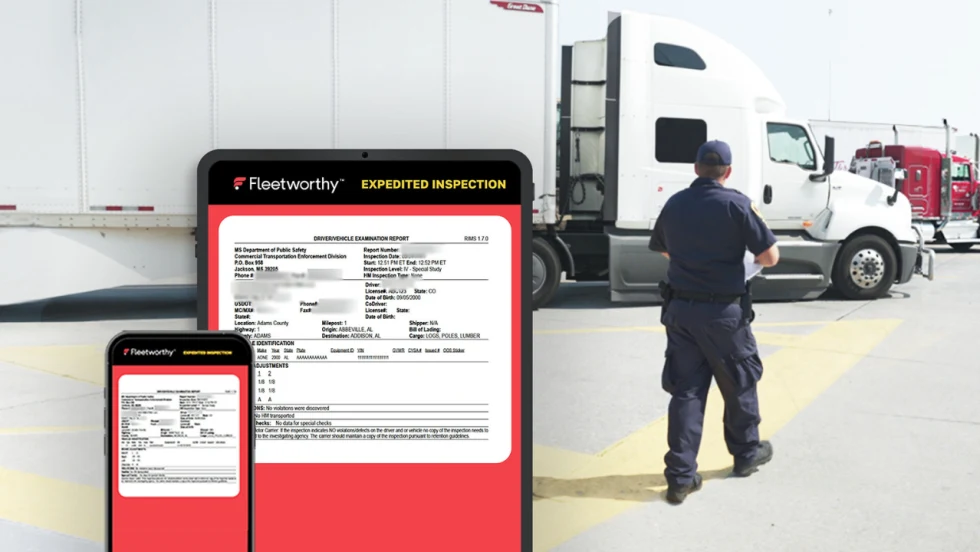
Fleetworthy Expands Expedited Inspection to 5 States
Following its industry-first launch in Nevada, Fleetworthy’s automated inspection technology is now live in California, Michigan, Vermont, and Maine.
Read More →
Crossing State Lines in a Light-Duty Work Truck? Check These Rules First
Crossing state lines in a lighter work truck? J.J. Keller's Kathy Close explains when IRP registration, trip permits, and towing rules come into play.
Read More →
GeoFencing Adds to Your Truck Security Arsenal
Geofencing is a familiar fleet tool today, but its early adoption marked a major shift in vehicle tracking, route monitoring, and the debate over employee privacy.
Read More →From Our Partners




Recalls You Need to Know About in October 2026
In October 2026, what recalls might impact your fleet? Work Truck has the answers in this comprehensive overview of recent NHTSA recalls.
Read More →
Construction Fleets Show Telematics Adoption Alone May Not Reduce Driving Risk
SambaSafety found construction fleets monitor roughly 92% of their vehicles but recorded the highest severe speeding rate among industries studied.
Read More →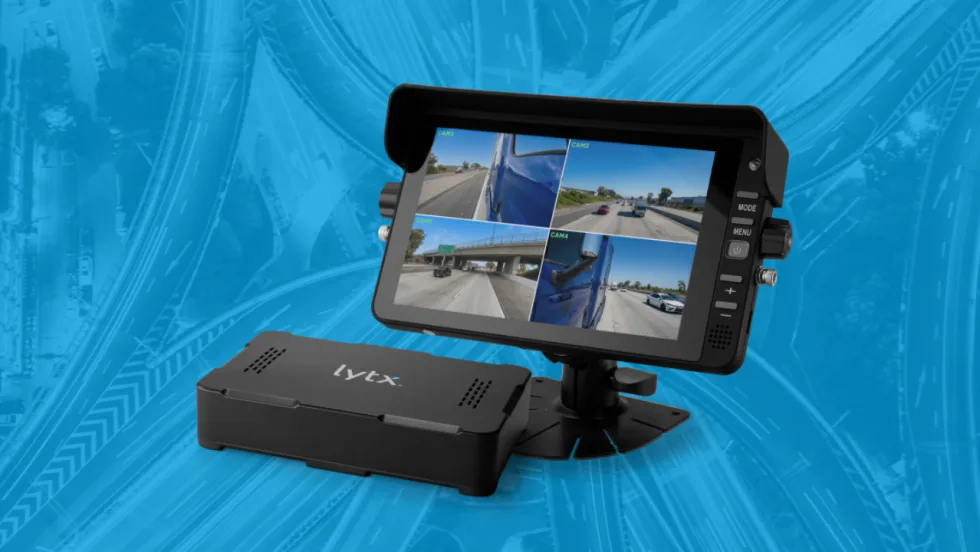
Lytx Launches 360 Hub Kit for Expanded Fleet Camera Visibility
Lytx’s new AI-ready gateway and HD auxiliary camera ecosystem, the Lytx 360 Hub Kit, extends visibility across side, rear, cargo, and blind-zone views to help fleets see more and respond faster.
Read More →
Mack Defense Achieves Cybersecurity Maturity Model Certification Level 2
After an assessment conducted by an authorized Certified Third-Party Assessment Organization (C3PAO), Mack Defense has achieved Cybersecurity Maturity Model Certification (CMMC) Level 2.
Read More →
When Work Trucks Under 26,001 Pounds Need IRP Registration
Think trucks under 26,001 pounds are automatically in the clear when it comes to IRP? Not always. Learn where lighter vehicles can still run into trip permit, apportioned registration, and IFTA compliance requirements when crossing state or provincial lines.
Read More →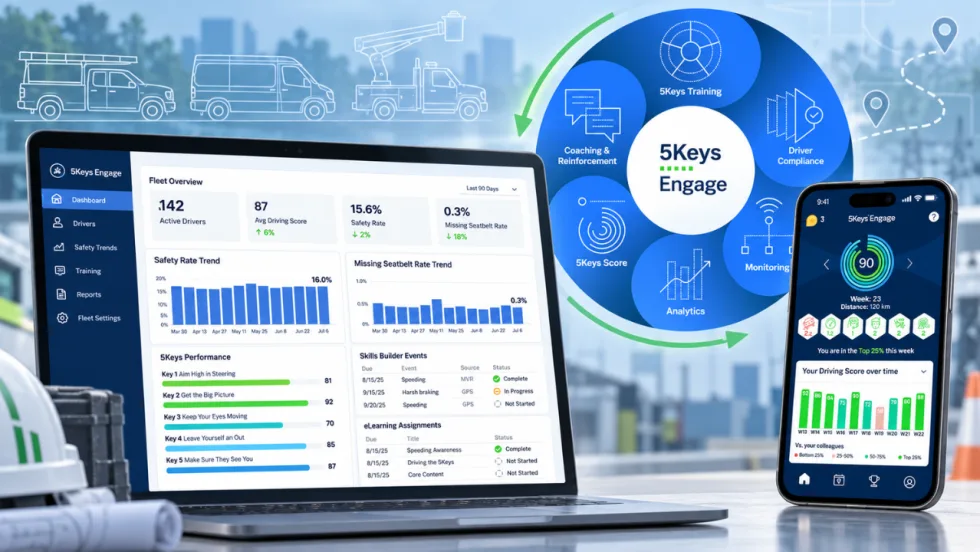
Smith System Wants Work Truck Fleets to Look Beyond the Driver Alert
Smith System’s new Driver Risk Management program is built to help mixed work truck fleets turn telematics alerts and observations into specific behaviors, coaching actions, and measurable follow-up.
Read More →
Volvo Trucks Releases New Safety Recommendations for Traveling with Pets
One of the most important recommendations for professional drivers traveling with pets is to ensure pets are properly restrained while the truck is moving. Other tips are available in the new guide from Volvo Trucks North America and Center for Pet Safety.
Read More →