




Fleet 101: The History of Battery Tech
Everything You Need to Know About California’s New Zero-Emission Fleet Rules
California passed its new Advanced Clean Fleets. Here's how to navigate the complexities to make the operational shifts necessary to operate compliant fleets.
by Maureen Gorsen, Justin Savage, Peter Whitfield, Caleb Bowers, and Marie Allison, Sidley Austin LLP
August 30, 2023
Everything you need to know about the Advanced Clean Fleets rule.
Photo: Work Truck
5 min to read
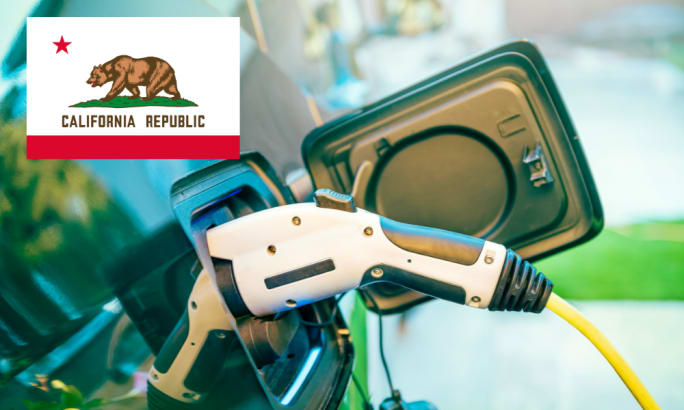
Learn how to navigate the Advanced Clean Fleets.
Photo: Work Truck
Operating and owning medium- and heavy-duty trucks and on-road heavy-duty drayage trucks in industrial and commercial fleets in California has just become more challenging and complex.
California passed its new Advanced Clean Fleets (ACF) rule on April 28, 2023. Generally, the new ACF rule requires fleet managers to transition their fleets to zero-emission vehicles (ZEVs).
The California Air Resources Board (CARB) developed the 132-page ACF requirements, which take effect in November 2023 for drayage fleets and January 1, 2024, for all other regulated fleets, to increase the required proportion of ZEVs in a fleet in phases up to 100% in 2045.
As initial requirements are scheduled to take effect later this year and the lead time to order new trucks and transition the fleet can take months and years, fleet owners and other regulated entities need to begin navigating the complexities of ACF to make the operational shifts necessary to operate compliant fleets.
Business Considerations for Fleet Managers
To comply with ACF requirements, fleet owners, motor carriers, and brokers that operate fleets in California will need to consider necessary practical business decisions to prepare their fleets.
Key ACF requirements that fleet owners and other entities may want to consider when evaluating how to best comply with ACF are:
ZEV requirement compliance options. Generally, regulated entities must elect to comply with either the Model Year Schedule or ZEV Milestones compliance option, depending on which suits their business needs. This decision will dictate how a business must add ZEVs to its fleet and remove trucks with internal combustion engines (ICEs) annually, as ACF requires.
California fleet composition. If a regulated entity operates fleet vehicles in multiple states, including California, and/or has multiple related business entities that do so, it should evaluate the ACF rules to determine which vehicles are included in its California fleet. Vehicles may be included within the same fleet when the same entity that complies with ACF operates or controls the vehicles, even if there are corporate differences in ownership.
Compliance reporting. Entities must submit compliance reports annually for their fleets and keep records of these reports. Compliance reporting begins in early 2024. Recordkeeping and reporting will likely require you to develop administrative processes before the first reporting deadline.
Registering vehicles with CARB. Drayage trucks must be registered in the CARB Online System in November 2023 to operate in California. Drayage trucks with ICEs cannot be registered beginning in 2024, so ensuring that ICEs can remain in use through their useful life requires you to register them in 2023.
Applicable exemptions.ACF has a range of exemptions that apply to certain regulated entities. For example, fleet owners can designate backup vehicles that operate less than 1,000 miles annually. There is also a daily usage exemption to purchase an ICE vehicle to replace an ICE vehicle where there is a demonstrated need and other requirements are met. Additional exemptions may apply for infrastructure or vehicle delivery delays, or emergency events declared by the state. Fleet owners may also apply for a five-day pass to exempt a vehicle from the California fleet in certain circumstances. Exemptions may be options regulated entities could explore as ACF becomes effective. In general, to qualify for an exemption you must make a formal request to CARB including required documentation.
These are some of the many requirements that fleet owners must consider when ensuring that their California fleet operations comply with ACF.
Proposed Federal Fleet Rule
Fleets nationwide may also soon need to consider compliance options with increasingly strict federal fleet standards.
In the U.S. Environmental Protection Agency’s (EPA) rule proposed as part of its “Clean Trucks Plan” on April 27, 2023, Phase 3 Greenhouse Gas Standards for Heavy Duty Vehicles, EPA suggests implementing more stringent limits on fleet CO2 emissions in phases beginning in 2027.
In practice, the requirements will likely require some percentage of fleets to be ZEVs. Although Phase 2 of the Greenhouse Gas standards already places increasingly restrictive fleet CO2 limitations on pre-2027 heavy-duty vehicle model years, fleet owners should watch for Phase 3 rulemaking developments that may further restrict emissions standards.
Potential Challenges to Fleet Rules
There is a potential that a lawsuit may be filed to challenge California’s ability to implement ACF by asserting that California did not obtain the required waiver from the federal government.
There is a requirement under the Clean Air Act (CAA) Section 209 that requires states to obtain a waiver from the federal government when a state wants to enforce its own motor vehicle emission-related standards.
ACF is a standard relating to the control of emissions from motor vehicles, so CARB ostensibly is required to request a waiver to enforce ACF. The litigants will arguably have the support of legal precedent that CARB cannot enforce standards such as ACF without a waiver.
Understanding Rules and Planning for Compliance
Subsequent to remand from a Supreme Court case, Engine Manufacturers Association v. South Coast Air Quality Management District (U.S. 2004), the Central District of California held that certain fleet rules at issue that directed private parties’ procuring, leasing, and contracting decisions are preempted by CAA Section 209(a) without a waiver. Engine Manufacturers Association v. South Coast Air Quality Management District (C.D. Cal 2008). ACF is arguably a similar rule that requires regulated entities to purchase vehicles with certain emissions standards, so the court’s reasoning may also apply to ACF if a legal challenge is brought, which would require that CARB obtain a waiver for ACF.
However, CARB has many legal avenues to protect its rights to enact and enforce this new ACF regulation. Currently, CARB is planning to include ACF in its State Implementation Plan to meet air quality standards, which can be another way that states enforce certain regulations. CARB may also hold the position that ACF is within the scope of an existing waiver.
Regardless of how these legal battles play out, it behooves fleet managers to understand these rules and plan for compliance, even if that compliance is delayed by litigation and legal maneuvers.
This article has been prepared by Sidley Austin LLP and Affiliated Partnerships (the Firm) for informational purposes and is not legal advice. This information is not intended to create, and receipt of it does not constitute, a lawyer-client relationship. All views and opinions expressed in this presentation are our own and you should not act upon this information without seeking advice from a lawyer licensed in your own jurisdiction. The Firm is not responsible for any errors or omissions in the content of this presentation or for damages arising from the use or performance of this presentation under any circumstances.
Subscribe to Our Newsletter
More Green Fleet
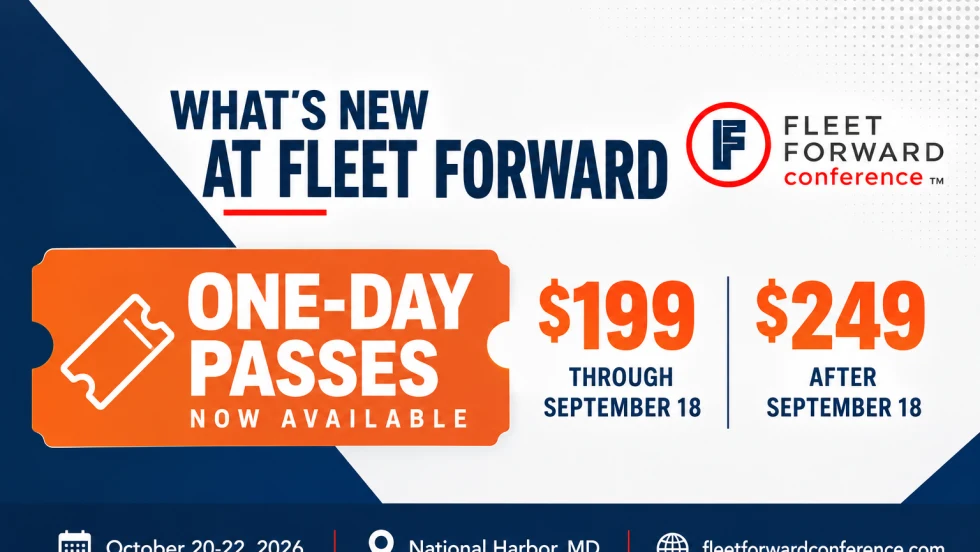
Fleet Forward Conference Introduces One-Day Passes for 2026
New one-day registration gives fleet professionals the flexibility to attend Tuesday, Wednesday, or Thursday, with passes available for $199 through Sept. 18.
Read More →
CALSTART Rebrands as Catalyst Mobility, Will Combine with Forth in 2027
CALSTART has rebranded as Catalyst Mobility and will combine with Forth at the start of 2027. The new organization said it is poised to become one of the world's largest, strongest, and most impactful clean transportation nonprofits.
Read More →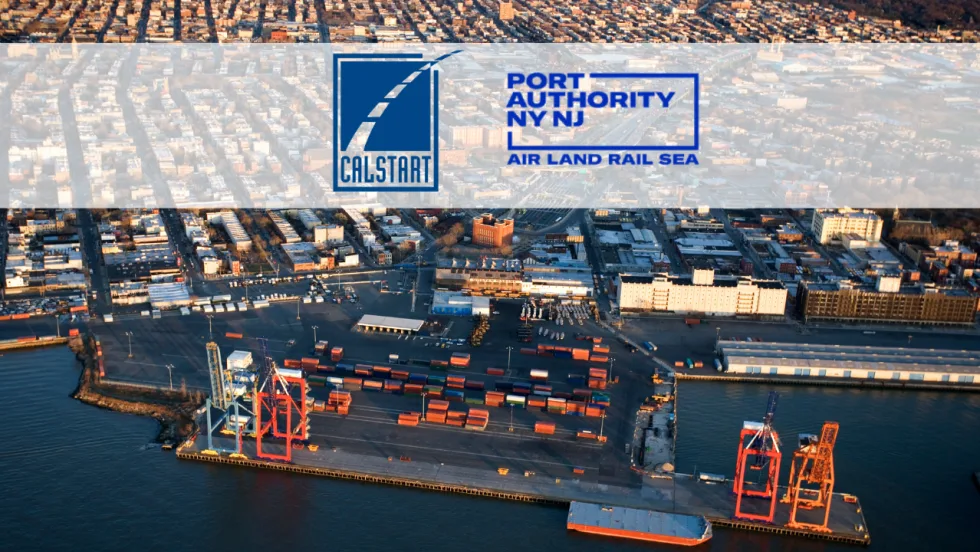
Electric Truck and Charging Programs to Boost Sustainability at NY & NJ Ports
Together, the Port Authority of New York and New Jersey and CALSTART will electrify drayage and terminal operations serving the East Coast’s busiest container port. A pair of incentive programs totaling $45 million has launched to accelerate adoption of zero-emission drayage trucks and terminal tractors.
Read More →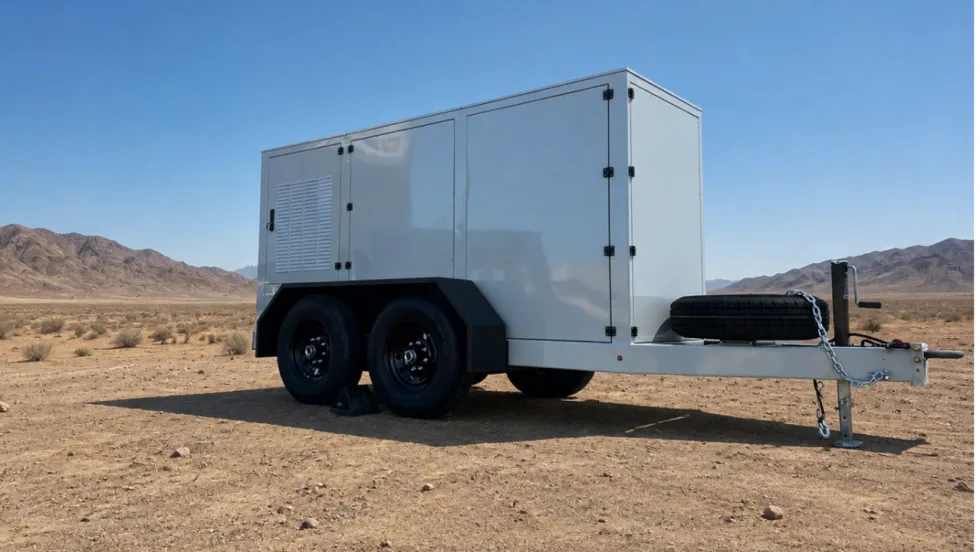
Xos Hub Surpasses One Gigawatt-Hour of Energy Delivered in the Field
A single Xos Hub has surpassed one gigawatt-hour of energy across more than 33,600 charging sessions in the field, demonstrating performance that supports Xos' expansion across new products and markets.
Read More →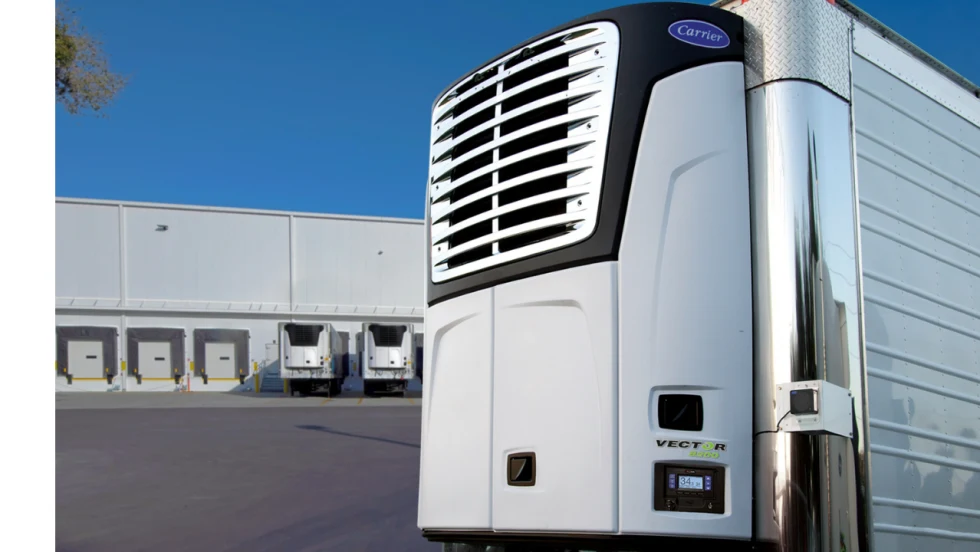
Carrier Transicold Launches All-Electric Vector 8200 TRU for Diesel-Free On-Site Cold Storage
Carrier Transicold’s first engineless multi-temperature TRU helps fresh- and frozen-food fleets add supplemental cold storage capacity during seasonal peaks.
Read More →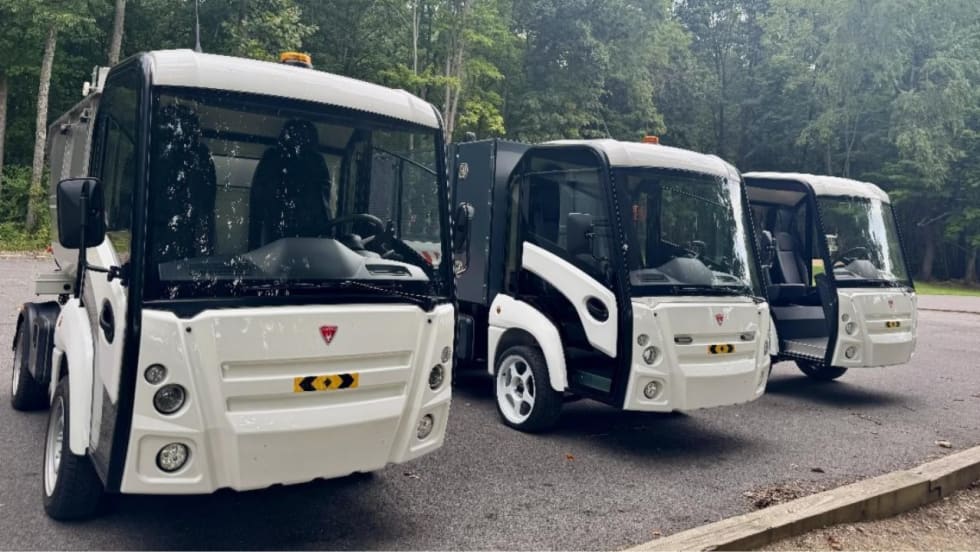
Narro Trucks Introduces Electric Utility Vehicle
Narro Trucks officially launched its operations on Aug. 20 and hosted a ride and drive to showcase its electric truck, which will be produced in Virginia.
Read More →
Samsung SDI Takes Full Control of GM Battery JV as Indiana Plant Pivots to Energy Storage
Samsung SDI is taking full control of its Indiana battery plant with GM, marking a major shift from the EV-focused joint venture Charged Fleet first covered in 2023.
Read More →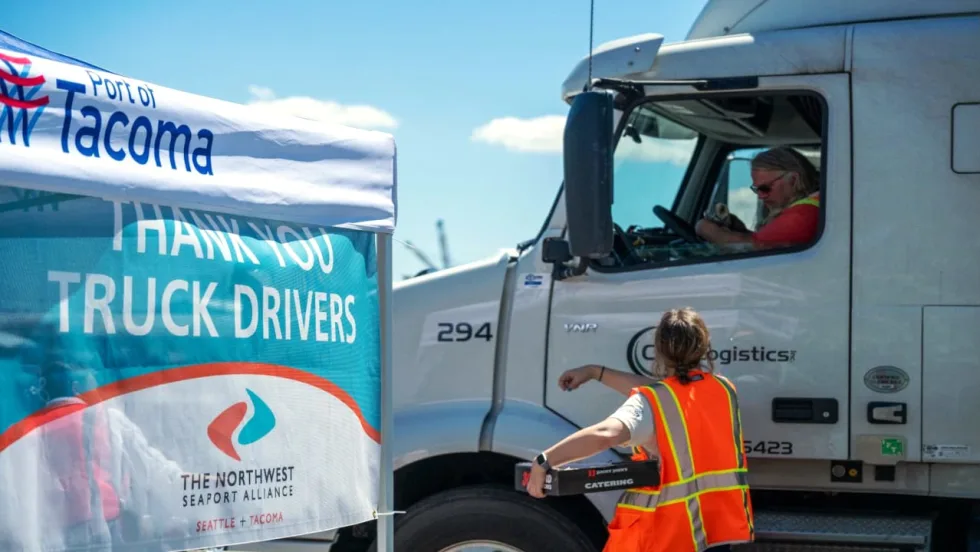
NWSA Taps CALSTART to Administer Zero-Emission Drayage Assistance Program
CALSTART will provide free technical assistance services to drayage fleets serving the Ports of Seattle and Tacoma and looking to transition to cleaner technologies and help decarbonize freight hubs.
Read More →
EV Fleet Reality Check: What Operators Wish They Knew Before Electrifying Their Work Vans
Electric work truck upfits bring new compatibility questions. Learn how parts availability, OEM guidance, power demands, and route planning can affect fleet performance.
Read More →
Peterbilt Expands Sourcewell Partnership with Electric Vehicle Lineup
Peterbilt Motors Company’s cooperative purchasing agreement with Sourcewell and its Canadian partner, Canoe Procurement Group, now includes including Peterbilt's battery-electric vehicle lineup.
Read More →