





State of the Fuel Industry: Alternative Fuels
Renewable Natural Gas Fleets Achieve Carbon Negativity
California fleets fueled with bio-CNG achieved carbon-negativity in their transportation operations last calendar year for the third straight year.
June 7, 2023

RNG can produce carbon-negative results when fueling on-road vehicles like short- and long-haul trucks, and refuse and recycling collection vehicles
Photo: Canva
2 min to read
Natural Gas Vehicles for America (NGVAmerica) and Coalition for Renewable Natural Gas (RNG Coalition) announced that California fleets fueled with bio-CNG achieved carbon-negativity in their transportation operations last calendar year for the third straight year.
Renewable natural gas (RNG) accounted for 97% of all on-road fuel used in natural gas vehicles in California in 2022.
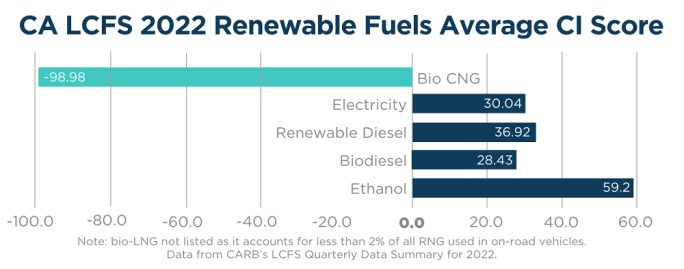
According to data from the California Air Resources Board the annual average carbon intensity score of bio-CNG in that mix was -98.98 gCO2e/MJ.1
Yielding Carbon-Negative Outcomes
Renewable natural gas (RNG), obtained from organic materials found in agriculture, wastewater, landfills, or food waste, has the potential to yield carbon-negative outcomes when utilized as a fuel for on-road vehicles such as short- and long-haul trucks, transit buses, and refuse and recycling collection vehicles.
In California, the adoption of RNG as a transportation fuel has experienced remarkable growth, increasing by 169% in the past five years.
According to a report by NGVAmerica and the RNG Coalition, the state consumed a total of 197.45 million gallons (diesel gallon equivalent) of natural gas as motor fuel in 2022. Out of this total, 190.146 million gallons (diesel gallon equivalent) were sourced from renewable origins.
The Sole Alternative Fuel Achieving Net-Zero Carbon Emissions
According to data from CARB's Low Carbon Fuel Standard program, bio-CNG stands as the sole motor fuel in California's alternative fuel portfolio that achieves net-zero carbon emissions. This portfolio includes ethanol, biodiesel, renewable diesel, bio-CNG, bio-LNG, electricity, alternative jet fuel, and hydrogen.
Furthermore, ultra-low NOx medium- and heavy-duty trucks and buses fueled by RNG exhibit outstanding performance, with their greenhouse gas emissions rated as 95 percent below the federal nitrogen oxide standard and 98% below the federal particulate matter (PM 2.5) standard. By employing NGVs, the emission of criteria pollutants that contribute to asthma, heart disease, and poor air quality is virtually eliminated.
Ultra-low NOx medium- and heavy-duty RNG-fueled trucks and buses perform at levels that are 95% below the federal nitrogen oxide standard.
Photo: NGVAmerica
The Path to Decarbonization
To successfully achieve ambitious decarbonization targets in the transportation sector within the next decade, it is crucial to prioritize the transition of heavily polluting, high-mileage commercial fleets to cost-effective carbon-negative solutions such as trucks fueled by RNG.
These commercially available trucks are already generating significant reductions in both air pollution and carbon emissions.
In contrast to ZEV options like battery electric and hydrogen, which are still in development, RNG-fueled trucks and buses benefit from an established public fueling infrastructure in California and a well-developed network of service providers and suppliers.
These RNG trucks offer affordability and scalability, meeting the range and operational requirements of various commercial medium- and heavy-duty applications.
Furthermore, unlike alternatives relying on overseas components, RNG fueled trucks and buses do not depend on foreign sourcing and control.
More Green Fleet

Fleet Forward Conference Introduces One-Day Passes for 2026
New one-day registration gives fleet professionals the flexibility to attend Tuesday, Wednesday, or Thursday, with passes available for $199 through Sept. 18.
Read More →
CALSTART Rebrands as Catalyst Mobility, Will Combine with Forth in 2027
CALSTART has rebranded as Catalyst Mobility and will combine with Forth at the start of 2027. The new organization said it is poised to become one of the world's largest, strongest, and most impactful clean transportation nonprofits.
Read More →
Electric Truck and Charging Programs to Boost Sustainability at NY & NJ Ports
Together, the Port Authority of New York and New Jersey and CALSTART will electrify drayage and terminal operations serving the East Coast’s busiest container port. A pair of incentive programs totaling $45 million has launched to accelerate adoption of zero-emission drayage trucks and terminal tractors.
Read More →
Xos Hub Surpasses One Gigawatt-Hour of Energy Delivered in the Field
A single Xos Hub has surpassed one gigawatt-hour of energy across more than 33,600 charging sessions in the field, demonstrating performance that supports Xos' expansion across new products and markets.
Read More →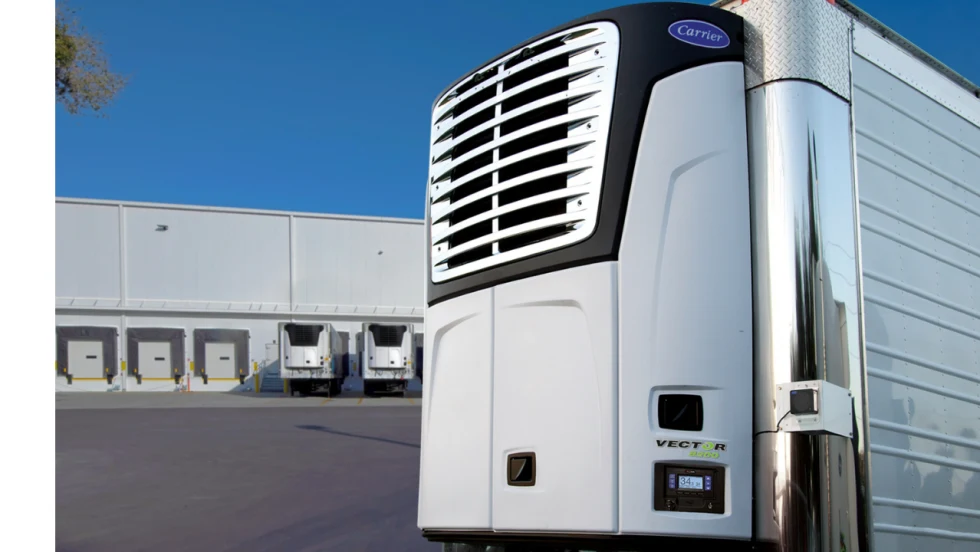
Carrier Transicold Launches All-Electric Vector 8200 TRU for Diesel-Free On-Site Cold Storage
Carrier Transicold’s first engineless multi-temperature TRU helps fresh- and frozen-food fleets add supplemental cold storage capacity during seasonal peaks.
Read More →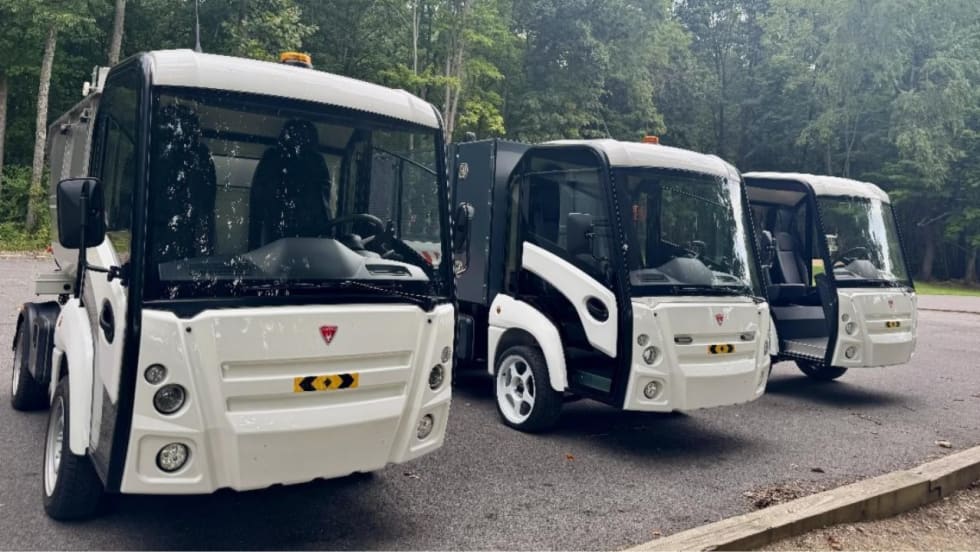
Narro Trucks Introduces Electric Utility Vehicle
Narro Trucks officially launched its operations on Aug. 20 and hosted a ride and drive to showcase its electric truck, which will be produced in Virginia.
Read More →
Samsung SDI Takes Full Control of GM Battery JV as Indiana Plant Pivots to Energy Storage
Samsung SDI is taking full control of its Indiana battery plant with GM, marking a major shift from the EV-focused joint venture Charged Fleet first covered in 2023.
Read More →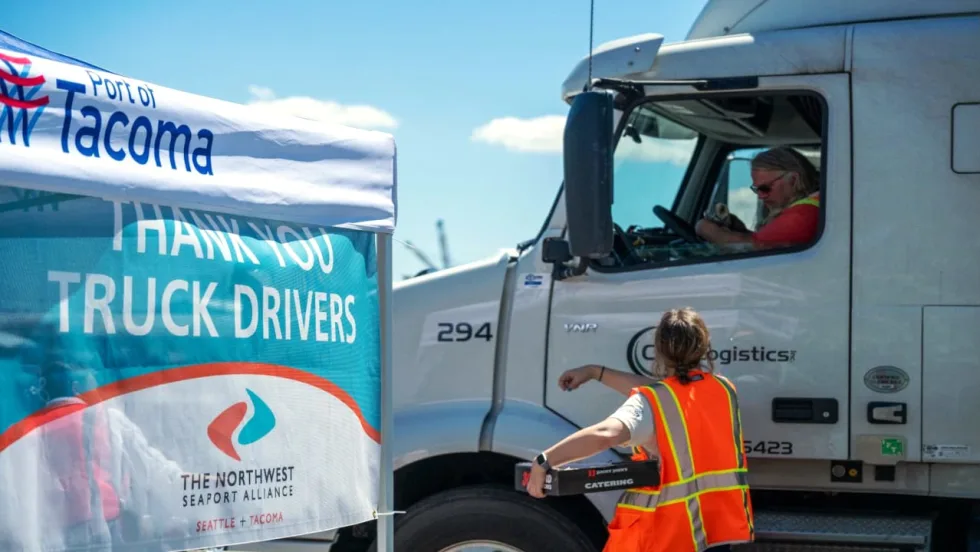
NWSA Taps CALSTART to Administer Zero-Emission Drayage Assistance Program
CALSTART will provide free technical assistance services to drayage fleets serving the Ports of Seattle and Tacoma and looking to transition to cleaner technologies and help decarbonize freight hubs.
Read More →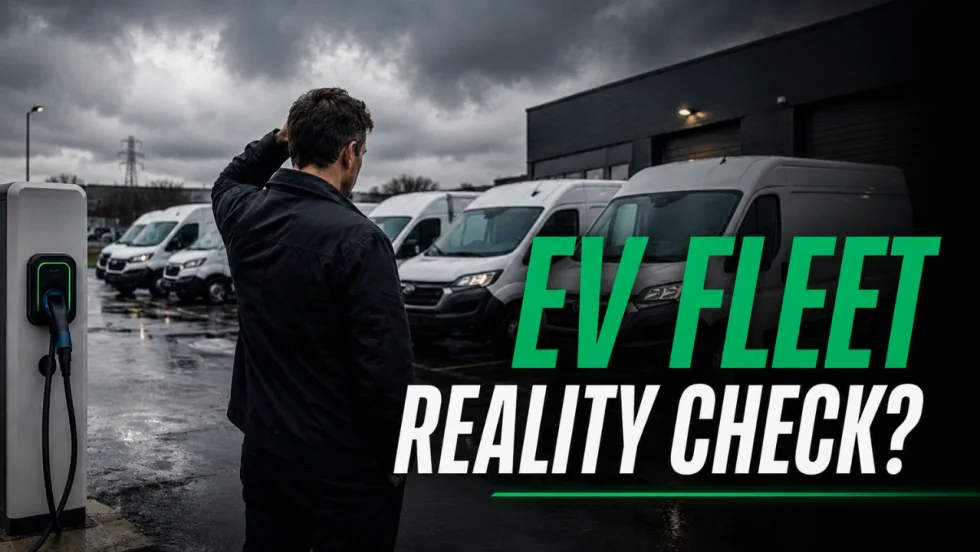
EV Fleet Reality Check: What Operators Wish They Knew Before Electrifying Their Work Vans
Electric work truck upfits bring new compatibility questions. Learn how parts availability, OEM guidance, power demands, and route planning can affect fleet performance.
Read More →
Peterbilt Expands Sourcewell Partnership with Electric Vehicle Lineup
Peterbilt Motors Company’s cooperative purchasing agreement with Sourcewell and its Canadian partner, Canoe Procurement Group, now includes including Peterbilt's battery-electric vehicle lineup.
Read More →