




Disaster-Proofing Your Truck Fleet
Disaster prep tips for fleets, from emergency kits to rerouting and recovery. Learn how to keep trucks moving when the unexpected hits.
May 27, 2025


Fleet managers can’t control the weather, but with the right disaster preparedness strategies in place, they can keep drivers safe, operations steady, and deliveries moving — no matter what nature throws their way.
Photo: Work Truck
3 min to read
When a disaster hits, preparation is everything. For light- and medium-duty truck fleets, even a minor disruption can ripple into delayed deliveries, damaged assets, and increased risk to drivers. Whether it’s hurricanes, wildfires, or flooding, fleet managers need plans in place and Road Ready Solutions Inc. has outlined a solid framework worth adopting.
Their recommendations cover everything from stocking trucks with emergency kits to post-incident recovery planning. Here’s a breakdown of practical strategies to keep your trucks (and your people) safe, moving, and ready to bounce back.
Preparedness Starts with a Plan
According to Road Ready Solutions, the most effective defense against disaster is a written disaster response plan tailored to the fleet world. It should address:
Natural disasters like hurricanes, floods, or wildfires.
Pandemics and regional outbreaks.
Civil unrest or power grid failures.
The plan should also map out communication trees, driver safety protocols, asset tracking procedures, and rerouting contingencies. Don’t just write it: practice it. Annual tabletop exercises with drivers, dispatch, and operations staff can make a difference when every second counts.
Emergency Kits and Equipment Checks
Trucks should be equipped with an emergency kit that includes:
First-aid supplies.
Flashlights and extra batteries.
Reflective safety vests and triangles.
Fire extinguisher.
Emergency food and water.
Phone chargers or power banks.
Road Ready also advises fleets to regularly inspect telematics and GPS systems to ensure tracking, routing, and communication systems stay operational in a crisis.

An emergency kit stocked with essentials like food, water, first-aid, and phone chargers helps keep fleet drivers safe and self-sufficient when disaster strikes on the road.
Photo: Work Truck
Protecting Fleet Data
Data is just as valuable as your assets. Digitally back up everything — driver logs, maintenance records, permits, and route details — using cloud-based fleet management systems.
That remote access becomes critical if your office or yard becomes inaccessible.
Driver Safety Comes First
Train your drivers on how to respond to emergencies, especially in high-risk areas or extreme weather conditions.
Road Ready Solutions recommends establishing check-in intervals for long-haul drivers and building safe parking protocols into your emergency plan, especially for storms or evacuation scenarios.
Fuel and Power Planning
Fuel supply disruptions can cripple operations. Before a disaster strikes, be sure you are:
Identifying fuel vendors with backup generators or emergency access
Considering mobile fuel tanks staged in strategic locations
Outfitting yards with generators for essential operations
Equipping each vehicle with a fleet fuel card for access to commercial stations
Disaster Recovery Tactics
Once a crisis has passed, getting operations back online quickly is key. Road Ready advises the following steps:
Damage Assessment & Insurance: Document vehicle and facility damage with photos and video, file claims promptly, and designate one team member to manage claim communication.
Driver and Staff Support: Set up an internal communication system to check on staff safety and offer resources like mental health support, housing assistance, or flexible work schedules.
Resume Operations: Use real-time GPS to reroute vehicles around impacted zones. Keep clients informed about delays and coordinate with brokers or 3PLs to reroute or offload freight as needed.
Repairs and Resupply: Ensure agreements are in place with mobile repair vendors and service centers. Keep critical spare parts stocked and turn to short-term rentals or leases to cover lost assets if needed.
After-Action Review: Host a post-incident review to discuss what worked and what didn’t and gather feedback from the team. Use it to update and strengthen your emergency plan moving forward.
Subscribe to Our Newsletter
More Safety
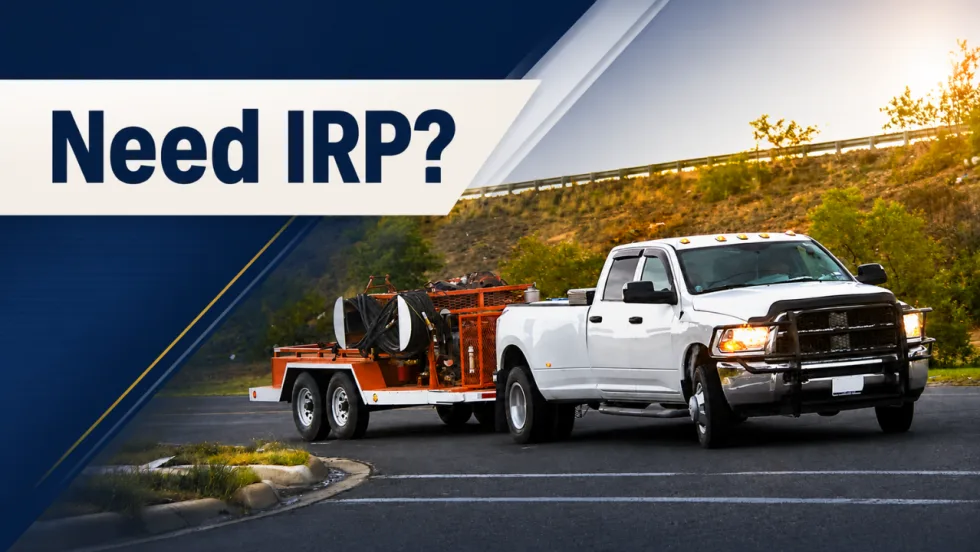
When Work Trucks Under 26,001 Pounds Need IRP Registration
Think trucks under 26,001 pounds are automatically in the clear when it comes to IRP? Not always. Learn where lighter vehicles can still run into trip permit, apportioned registration, and IFTA compliance requirements when crossing state or provincial lines.
Read More →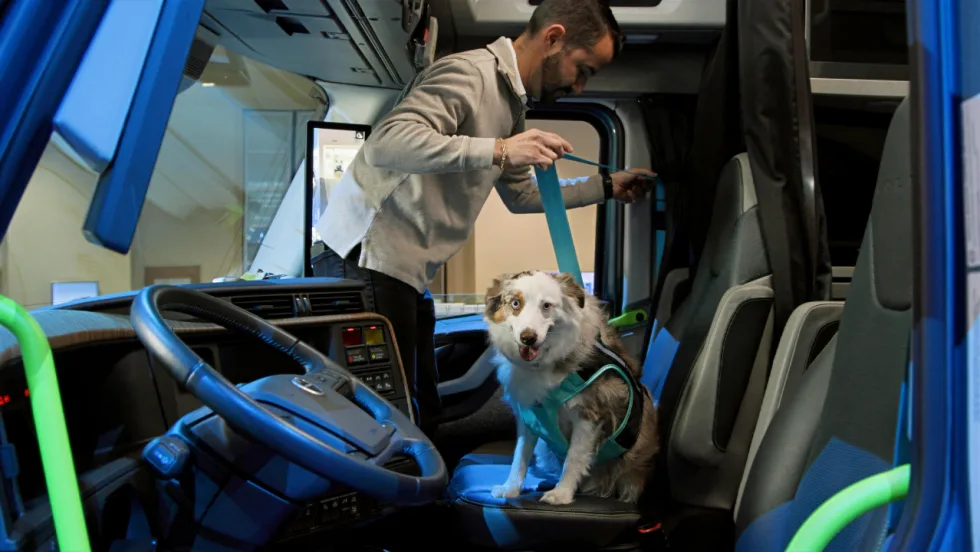
Volvo Trucks Releases New Safety Recommendations for Traveling with Pets
One of the most important recommendations for professional drivers traveling with pets is to ensure pets are properly restrained while the truck is moving. Other tips are available in the new guide from Volvo Trucks North America and Center for Pet Safety.
Read More →
API Issues Refueling Safety Guidelines
The American Petroleum Institute offers a list of safe vehicle refueling guidelines, including ways to avoid potential problems with static electricity discharges in fall, winter, and early spring.
Read More →
Winter Fleet Prep: Expert Tips to Keep Vehicles Running Smoothly
Cold weather can expose weak batteries, tires, fuel systems, and maintenance gaps fast. Use this winter fleet checklist to prepare trucks and drivers before temperatures drop.
Read More →
When a Work Truck Breaks Down, the Job Can Stop, Too
A work truck breakdown can stop more than the vehicle. Discover how payloads, jobsites, and specialty equipment change the roadside response.
Read More →
What Stronger Long-Term Fleet Service Partnerships Actually Require
Fleet service partnerships rarely fall apart all at once. Learn the three warning signs that trust is eroding and what fleets and providers can do before downtime, frustration, and lost revenue follow.
Read More →
Applause & TRUCE Software Partner to Improve Driver Safety Through AI-Powered Telematics & Employee Performance Management
Applause has integrated TRUCE driving metrics directly into its employee-first performance and safety platform that transforms mobile devices into AI-powered telematics.
Read More →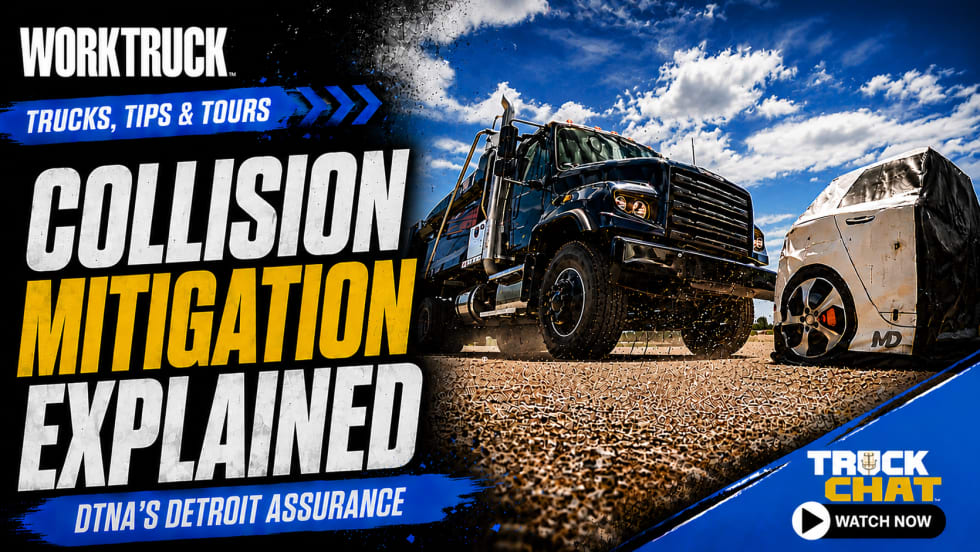
How Detroit Assurance with Active Brake Assist Works
Do you want to see what it is like to experience Detroit Assurance’s Active Brake Assist? In this video, Work Truck will put you in the cab to see how it all works and then hear more details from DTNA’s Mike Young.
Read More →
Get Left of Loss: A 5-Step Workplace Violence Prevention Framework for Fleet Operators
Violence risks do not stop at the driver’s door. Learn five practical steps fleets can take to spot threats early and protect workers before loss occurs.
Read More →
Sponsored•July 17, 2026
How Better Visibility Cut Speeding Violations by 48%
Fleet leaders don't need more data, they need clearer visibility into what the data is saying. This case study explores how one utility replaced speeding-event counts with a single metric — miles driven in violation — to strengthen safety and significantly reduce speeding violations.
Read More →