From a simple desire to undertake product maintenance efficiently to a global brand that remains a top name in parts for today's work truck fleets, check out how Mopar survived and thrived over 85 years.
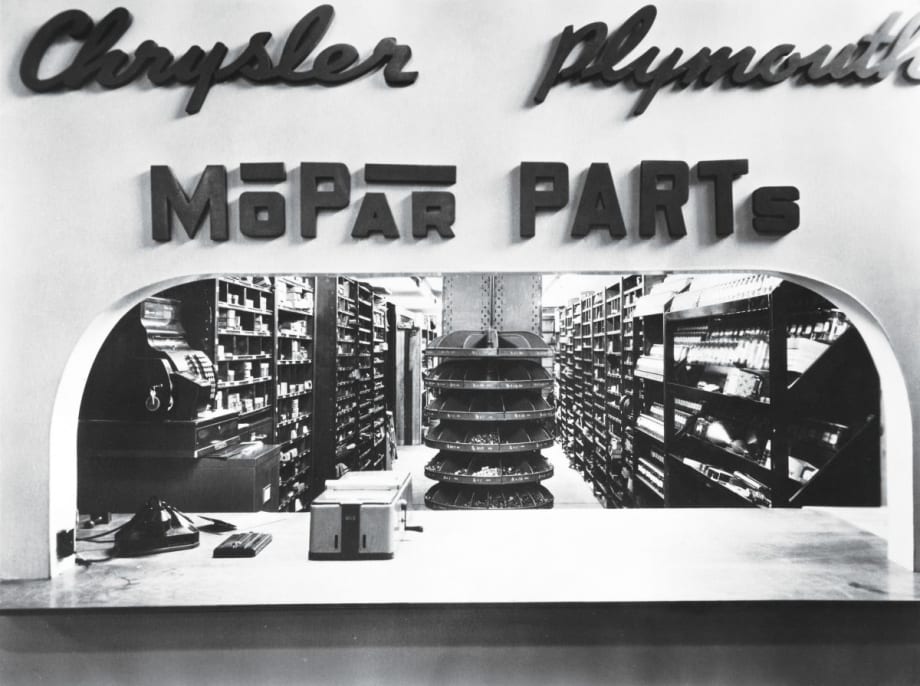
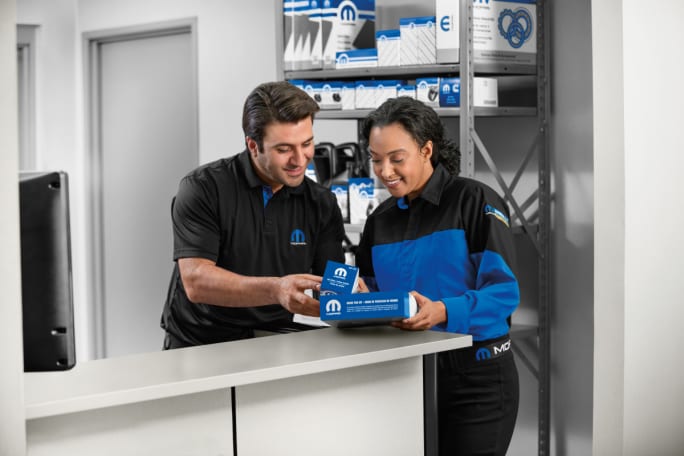
Step back in time to a Mopar parts counter from the archives.
Photo: Mopar
8 min to read
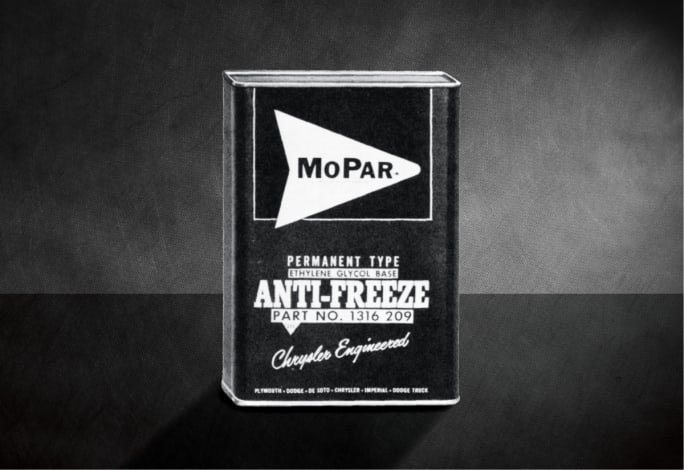
In 1937, Mopar - a simple combination of the words MOtor and PARts - was first trademarked for a line of antifreeze products.
Photo: Mopar
When Chrysler bought Dodge in 1928, the need for a dedicated parts manufacturer, supplier, and distribution system to support the growing automotive enterprise led to the formation of the Chrysler Motor Parts Corporation (CMPC) in 1929.
Ad Loading...
So, where did the name Mopar come from? A simple combination of the words “MOtor” and “PARts” was first trademarked for a line of antifreeze products in 1937. At that time, the Mopar name also was widely used as a moniker for the CMPC.
Ad Loading...
Work Truck took a dive into the past to learn more about the foundation and history of this iconic brand and its continued drive to be first.
Starting up an Icon: 1940s-1950s
What started simply as a desire to undertake product maintenance efficiently and supply repair parts across all Chrysler products, Mopar quickly began to stand for more than just antifreeze. It developed into a popular automotive brand that would fuel a car-enthusiast passion for decades to come.
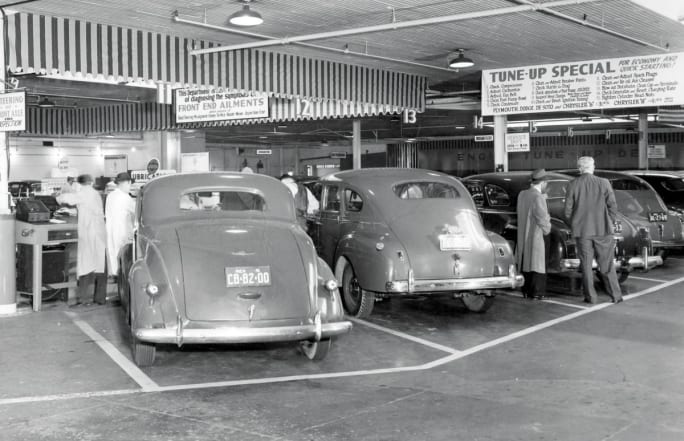
With the growth of the highway system by the 1940s, the Mopar service area was busy with vehicles ready to hit the road and travel.
Photo: Mopar
The war years in the 1940s saw Mopar and Chrysler shift production to military parts, weapons, and vehicles. Like all major manufacturers, resources were dedicated to victory in WWII.
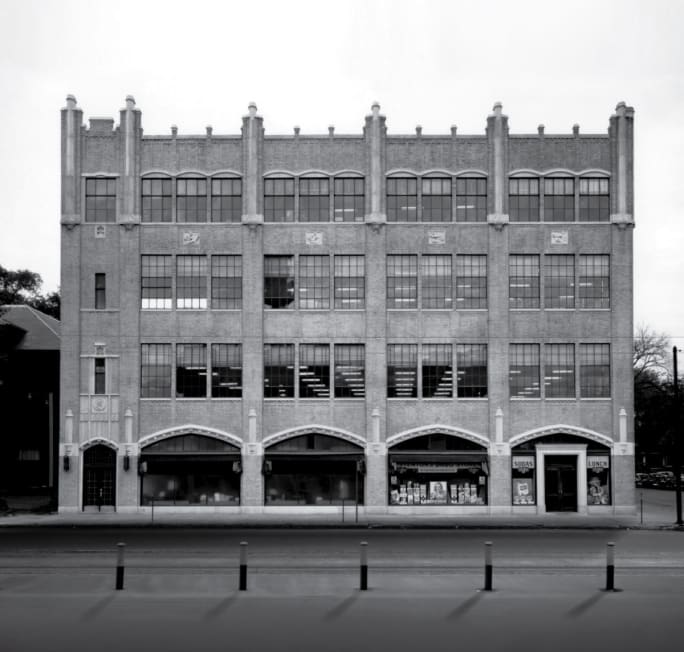
After the war, Mopar moved into a building on Jefferson Avenue in Detroit by mid-decade. Soon after, in 1947, the Master Tech training program was launched to give Chrysler dealership technicians the best skills possible.
Check out this photo of the Mopar building on East Jefferson in Detroit, Michigan. After the war, Mopar moved into the building by the mid 1940s.
Photo: Mopar
In 1953, Mopar grew in both the number of plant facilities nationwide and in the number of available parts. The Center Line, Michigan, Mopar Parts Depot opened, and the facility still flourishes today, shipping millions of parts annually.
Ad Loading...
The brand made a name for itself in the muscle-car era of the 1960s, cementing a legacy on the streets and at the dragstrip that by decade’s end would have owners referring to their vehicles as “Mopar” cars.
Mopar in the High-Performance 1960s-1970s
After the war era came the push for performance, and Mopar was ready.
The birth of the HEMI V-8 engine set the tone for Mopar’s next “personality” as Chrysler Group race cars hit tracks, launching the brand's high-performance theme that continues today.
Chrysler introduced the 1962-64 Max Wedge performance engines and package cars, and America’s love for horsepower took off.
The growing Mopar parts lineup expanded further with electrical and glass products.
A group of engineers that called themselves the Ramchargers had been working nights and weekends to make their project cars faster at the track. The high-performance parts they developed led to the Mopar Direct Connection brand of racing parts. Direct Connection parts were first given only to professional racers, but later sold to anyone who wanted to dominate at the track. One racer who took notice was “Big Daddy” Don Garlits, an innovator, icon, and champion in drag racing who became a lifelong brand ambassador for Mopar. The Garlits and Mopar names stayed intertwined throughout his legendary, record-setting career.
Winning at the racetrack meant sales in the showroom, and Chrysler was a big winner on the track. The ultimate race engine, the 426 HEMI, took tracks by storm in 1964, followed by a takeover of the streets with the 426 Street HEMI in 1966. By the late 1960s and early 1970s, proud Chrysler, Dodge, and Plymouth performance enthusiasts had adopted the word Mopar to describe their vehicles. And the competition quickly learned to fear the Mopar name.
Mopar also became the first to offer a dedicated parts delivery system, setting a new standard of dealer service. The successful system was refreshed and revamped in the late 1990s.
Big Industry Changes in the 1970s-1980s
The next two decades saw fuel shortages and changes within the industry.
Many changes took place in the auto industry, with tightening emissions controls, gas shortages, and the end of the muscle-car era. The Direct Connection line of Mopar performance parts was launched for all performance enthusiasts, not just racers, and was later changed to Mopar Performance to capitalize on the strong Mopar heritage.
By 1987, Chrysler purchased the assets of American Motors, and the Jeep brand came into the family, adding Jeep parts and accessories to the expanding Mopar portfolio.
The Mopar Service and Parts Division was growing in new directions with new goals and ambitions. What had previously been a name squarely aimed at parts and service was now prepping to move into the new century as a brand representing parts, service, and total customer care.
Closing out the 1900s was all about technology and growth.
The 1990s were less about change and more about strengthening the Mopar foundation. Emphasis was doubled down on technician training, utilizing programs like the Mopar College Automotive Program (CAP) introduced a few years earlier. In concert with community colleges around the country, the two-year training-internship CAP program supported by Mopar continues to produce the best skilled automotive technicians around.
By the time the new millennium rolled in, training and technology were keywords at Mopar. The era also ushered in an updated Mopar Omega M logo design, cylinders fired on the new Gen III HEMI engine, and Mopar deepened its motorsports participation.
A New Century & Commitment to Customer Care
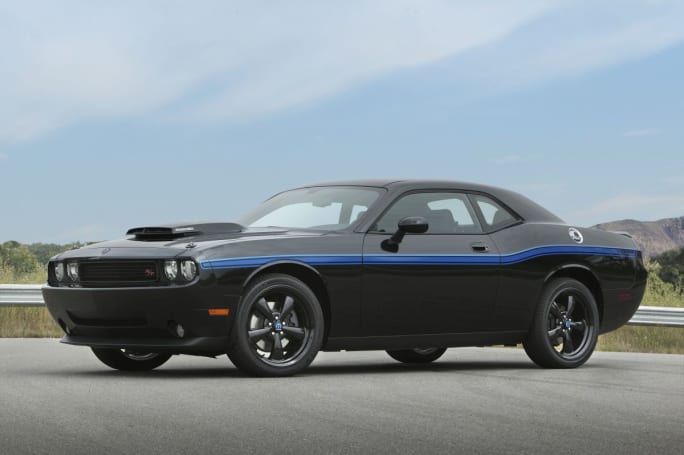
In 2010, the brand produced the first of an ongoing series of limited-edition factory vehicles, the Mopar ’10 Challenger. Other low-run, factory-produced Mopar rides have followed each calendar year.
Photo: Mopar
Moving into the new century, Mopar kept its performance heritage and dived into tech and maintenance.
In 2008, Mopar unveiled its first Mopar Express Lane operation, a fast oil change, and light service business model that would reshape how people viewed service visits to automotive dealerships. Quick turnaround, no appointments required, and competitive pricing proved to be on target and led to the opening of the 1,000th Mopar Express Lane operation in the United States in 2016. Today there are more than 2,000 Mopar Express Lane locations in more than 20 countries.
Technological innovations designed to improve the customer experience were launched. Several industry firsts were introduced, including the first smartphone vehicle-information apps for owners and wiTECH, a dealer software diagnosis program used by Mopar technicians to simplify the repair process.
Paying homage to its performance heritage, in 2008, Mopar introduced its first factory-built “package car” in 40 years, called the Mopar Dodge Challenger Drag Pak. The 100 package cars sold out quickly, and new Drag Pak models have sold out in subsequent years.
In 2010, the brand produced the first of an ongoing series of limited-edition factory vehicles, the Mopar ’10 Challenger. Production was limited to 500 vehicles, modified at the factory with Mopar parts and accessories. Other low-run, factory-produced Mopar rides have followed each calendar year.
Today: Mopar is A Global Brand
Today, Mopar is still a top name in parts for work truck fleets, and it’s here to help on a global scale.
Ad Loading...
Through a network of 17 Mopar Custom Shops worldwide, customers can add Mopar accessories during the new vehicle ordering process and have their vehicle delivered to the dealership with accessories installed and included on the window sticker.
A total of 49 Mopar Parts Distribution Centers in more than 20 countries help to service owners and dealers around the globe.
In recent years, Mopar has accelerated its transformation into a brand responsible for the customer journey of all FCA vehicles around the globe. Embodying that customer-centric approach, a new “At Your Service” tagline was introduced. The brand has also shined on the biggest stages, making regular appearances at international auto shows
The Mopar service experience was further enhanced in 2012 when Mopar service lanes were first to incorporate wiADVISOR. This tablet-based service lane check-in tool immediately downloads vehicle and customer data from the vehicle computer. It connects with factory engineering databases to get customers in and out quickly.
While expanding globally, Mopar stayed true to its DNA by supporting drag racers in the National Hot Rod Association (NHRA) competition, from sportsmen to professionals. The brand powered to back-to-back NHRA Pro Stock championships in 2012-2013. Mopar-sponsored Dodge Charger teams have also captured six NHRA Funny Car class championships since 2011.
Mopar introduced a new Jeep Performance Parts line in 2012 to deliver trail-ready parts to off-roaders.
New Mopar Crate HEMI V-8 engine kits were brought to market in 2016, enabling enthusiasts to drop modern HEMI power into classic vehicles from 1975 and earlier.
In 2021, Mopar and Dodge announced the return of the Direct Connection performance parts brand as the exclusive source of factory-backed performance parts and straight-from-the-manufacturer technical information.
Unlike other aftermarket offerings, original equipment Mopar parts and accessories are factory designed and factory backed.
Photo: Mopar
A Drive to Be First
During the brand’s 85-year history, Mopar has introduced numerous industry-first features, including:
Vehicle-information apps: first to introduce smartphone vehicle-information applications, a new channel of communication with consumers.
wiADVISOR: first to incorporate a tablet-based service lane tool.
Electronic Vehicle Tracking System (EVTS): first to market with a new interactive vehicle tracking device that sends the owner a text when the vehicle is speeding or out of bounds, based on pre-set parameters.
Wi-Fi: first to offer customers the ability to make their vehicle a wireless hot spot.
Electronic owner manuals: first to introduce traditional owner manuals on a smartphone app.
Two-inch lift kit specifically engineered and tuned for the new Jeep Wrangler 4xe plug-in hybrid electric vehicle application.
Over the past 85 years, Mopar has coupled its expertise in quality, service, and parts with a quest for innovation, resulting in a brand that provides a complete suite of personalization, technology, protection, and stylized products to suit any driver.
In 2022, Mopar celebrated its 85th anniversary.
Photo: Mopar
As part of the newly formed Stellantis Parts and Services organization, Mopar is the global name for Stellantis genuine parts and authentic accessories. Stellantis Parts and Services provides total customer care in 167 markets worldwide, with more than 1.2 million parts and accessories for the 80 million Stellantis brand vehicles in operation.
Les Schwab Tires has expanded into Arizona with two commercial tire locations in Phoenix and Tucson, strengthening its fleet service footprint in the Southwest.
Unattended over-the-air software updates are now available in Volvo trucks across the U.S. and Canada. The new capability lets trucks stay current with the latest software without interrupting operations or requiring a dealership visit.
For fleets trying to keep skilled technicians, recognition cannot begin and end with Technician Appreciation Week. Learn what year-round appreciation really looks like and why the everyday technician experience matters just as much as pay when fleets are trying to keep good people.
When minor damage, warning lights, or equipment issues are reported late, small problems can quickly become bigger maintenance headaches. Conversational AI can help shorten the path from what a driver notices in the field to the person who can act on it.
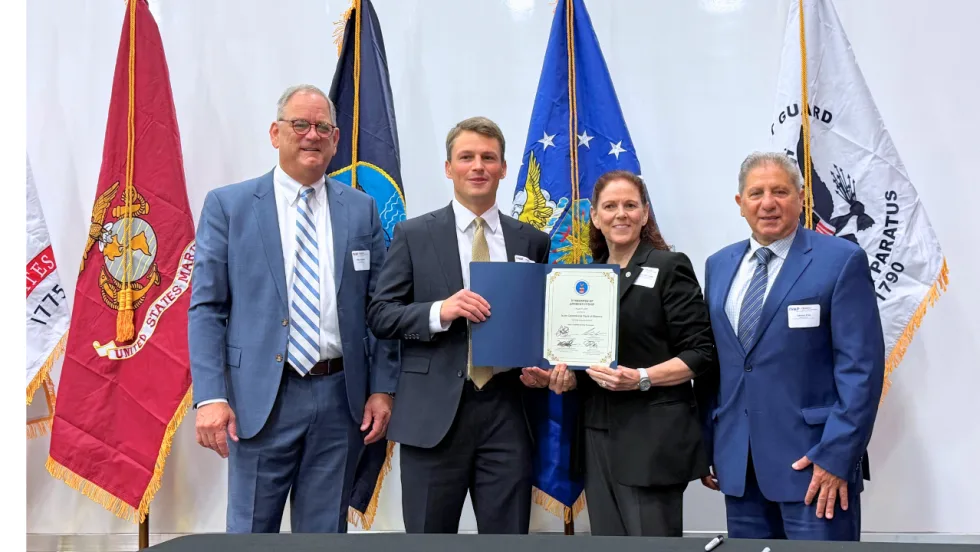
The Isuzu Veterans Apprenticeship Program (IVAP) signing ceremony highlighted Isuzu’s long-term commitment to veterans, Isuzu dealers, and the skilled workforce supporting its customers and the commercial transportation industry.
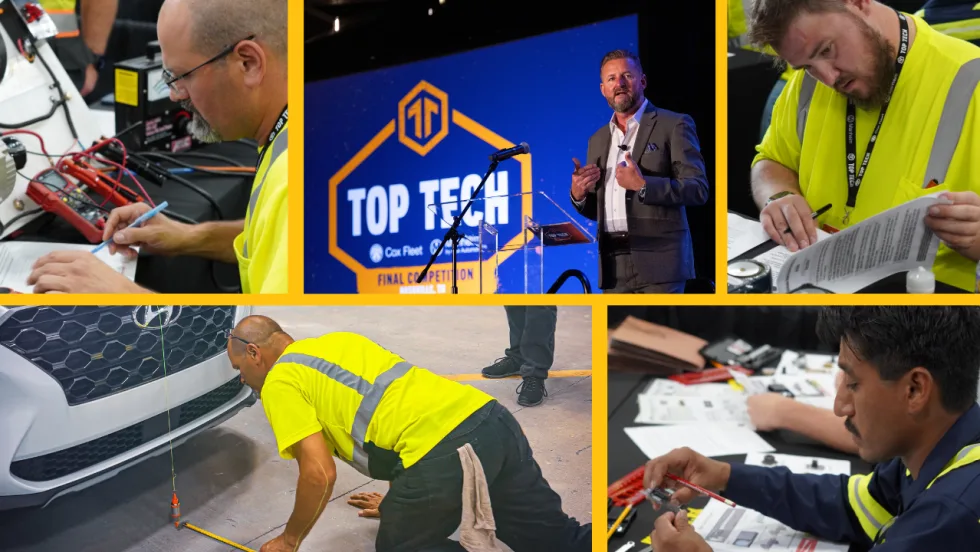
The top technicians from Cox Fleet and Manheim tested their skills in Nashville, Tennessee, at Cox Automotive’s 2026 Top Tech Finals. The overall winners will advance to compete at the American Trucking Association’s TMC SuperTech competition.
Grote Industries has appointed Patrick Smith as vice president of North American operations as it celebrates 125 years of innovation and manufacturing excellence. He has more than 20 years of manufacturing leadership experience.
Cold weather can expose weak batteries, tires, fuel systems, and maintenance gaps fast. Use this winter fleet checklist to prepare trucks and drivers before temperatures drop.