




Balancing New Acquisitions with Work Truck Maintenance
Fleet managers must balance the costs of new vehicle acquisitions against maintaining older vehicles. Learn how to optimize your fleet's perfor-mance with expert insights and practical advice on effective budgeting and strategic planning.

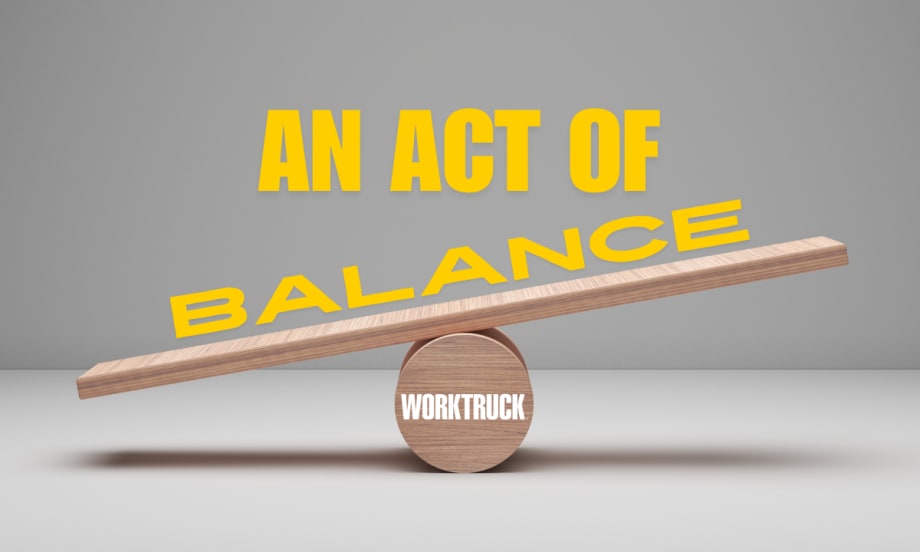
Fleet managers need to consider more than just costs when deciding whether to acquire new vehicles or maintain older ones.
Photo: Work Truck
Fleet managers face the ongoing challenge of balancing the costs of acquiring new vehicles against maintaining older ones. This delicate balance requires strategic planning, a deep understanding of the total cost of ownership, and the ability to leverage data-driven insights to make informed decisions.
From considering vehicle uptime and availability to understanding their economic useful life and leveraging technology for data analysis, we cover all the critical aspects that contribute to optimizing fleet performance and keeping costs in check.
Learn how to make strategic decisions to enhance your fleet's efficiency and reliability while managing costs effectively.
Considering Uptime and Availability
Fleet managers need to consider more than just costs when deciding whether to acquire new vehicles or maintain older ones. Jim Lager, executive vice president of sales and rental at Penske Truck Leasing, emphasizes this point.
“The fleet manager should consider uptime and availability and not just look at the costs. Newer vehicles should provide better fuel economy and other efficiencies, such as driver comfort,” he explains.
Balancing Costs and Strategies
Ed Powell, director of consulting services for Holman, highlights the complexity of balancing new acquisitions with maintaining older vehicles.
“Effectively balancing the cost of acquiring new vehicles and maintaining older vehicles is rather challenging and often varies greatly from one fleet to another. A variety of factors influence this equation – a business’ long-term capital strategy, internal goals and KPIs, and how each business handles their EBITDA and expense distribution,” he said.
Powell added that cost mitigation is crucial in this balancing act.
“Generally speaking, for every $10 of capital spent, one dollar of operating costs is mitigated. However, this ratio can vary significantly for each fleet. It is extremely rare that operating savings account for the increase in capital expenditure. This highlights the importance of consistently replacing vehicles regularly,” he added.
Remember: Evaluating the ROI of any new fleet management solution is a critical process that involves careful planning, data analysis, and ongoing assessment.
Impact of the Pandemic on Fleets & Supply Chains
The COVID-19 pandemic has significantly impacted the supply chain, forcing many companies to delay vehicle replacements. Joe Voors, director of client partnerships for Mike Albert Fleet Solutions, highlighted these challenges.
“Due to COVID’s effect on the supply chain, many companies have had to put off buying replacements for older vehicles, leading to a world where fleets desperately need replacements. But too often, due to budget restraints, vehicles are pushed to their absolute limits, leading to catastrophic part failures and unhappy drivers and clients.”
Leveraging Data for Fleet Decision-Making
Voors further recommended leveraging data for decision-making, noting that one of Holman’s most significant recommendations for deciding when to cycle a vehicle is through data centralization and analysis.
“With a bird's-eye view of all the data across your entire fleet, you can fully understand vehicle conditions, age, and usage, giving you a better idea of what can wait and what must go. This data helps managers compare the costs of current vehicles, including those pesky potential maintenance expenses, to the costs of newer vehicles, allowing for data-driven justification as to why a vehicle should be replaced,” Voors added.
Understanding Economic Useful Life
Lawrence Liu, senior fleet consultant at Merchants Fleet, emphasized the importance of understanding work truck and fleet vehicles' economic useful life.
“Fleet vehicles have an economic useful life. Fleet managers should know what that economic useful life is for each vehicle type and adhere to it to ensure their fleet doesn’t fall out of balance,” he advised.
Meticulous Planning and Execution
Meticulous planning and execution are critical when it comes to vehicle replacements in a fleet. Brian Hickok, strategic business advisor for Element Fleet Management, emphasized this need.
“Balancing the cost of new vehicle acquisitions versus maintaining older vehicles, especially for a truck fleet, comes down to meticulous planning, preparation, and execution of vehicle replacements. Aligning upfitting, equipment, and appropriate vendors precisely with the chosen chassis is crucial for successful truck replacements,” he explains.
Hickok also highlighted the importance of proactive asset management.
“It is essential for fleet managers to seize the right opportunities for remarketing assets in the trucking industry. Fleet managers can balance cost-efficiency and operational excellence by adopting proactive asset management approaches and leveraging insights on optimizing asset lifecycles.”
Maintaining a Newer Commercial or Truck Fleet
Maintaining a newer fleet offers numerous benefits, as Chuck Davis, director of sales for PacLease, pointed out.
“If you look at many top-performing companies, they have an average fleet age of around three years old. This decision is as much about taking advantage of new technology as it is about lowering maintenance costs with a newer fleet. Improved fuel economy, safety, reliability, and even tailpipe emissions are increasingly important in fleet acquisition,” he notes.
Driving Thoughts
Balancing the costs of new vehicle acquisitions versus maintaining older vehicles requires careful consideration of various factors, including operational efficiency, economic useful life, and proactive asset management.
By leveraging technology, data analysis, and strategic planning, fleet managers can make informed decisions that optimize fleet performance and ensure long-term cost savings.
More Maintenance
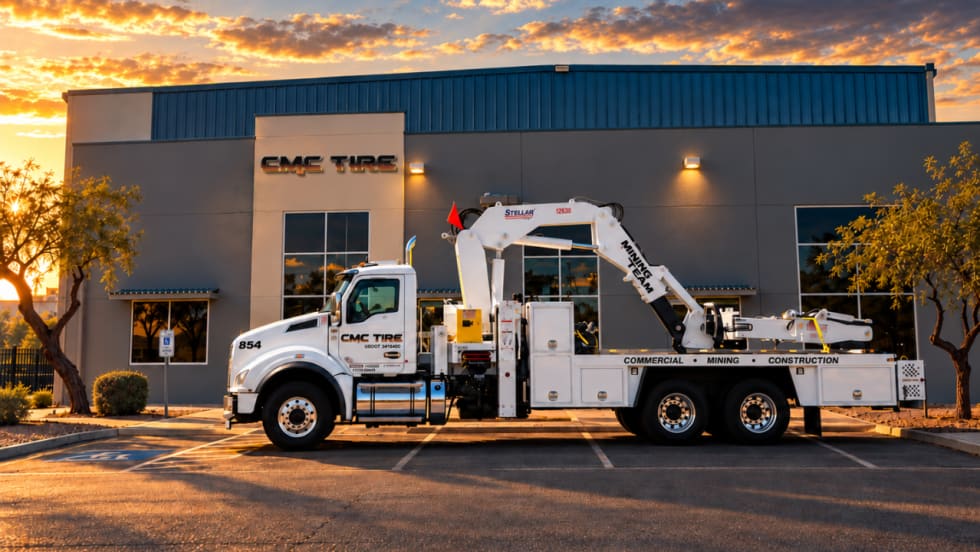
Les Schwab Expands Commercial Tire Footprint Into Arizona
Les Schwab Tires has expanded into Arizona with two commercial tire locations in Phoenix and Tucson, strengthening its fleet service footprint in the Southwest.
Read More →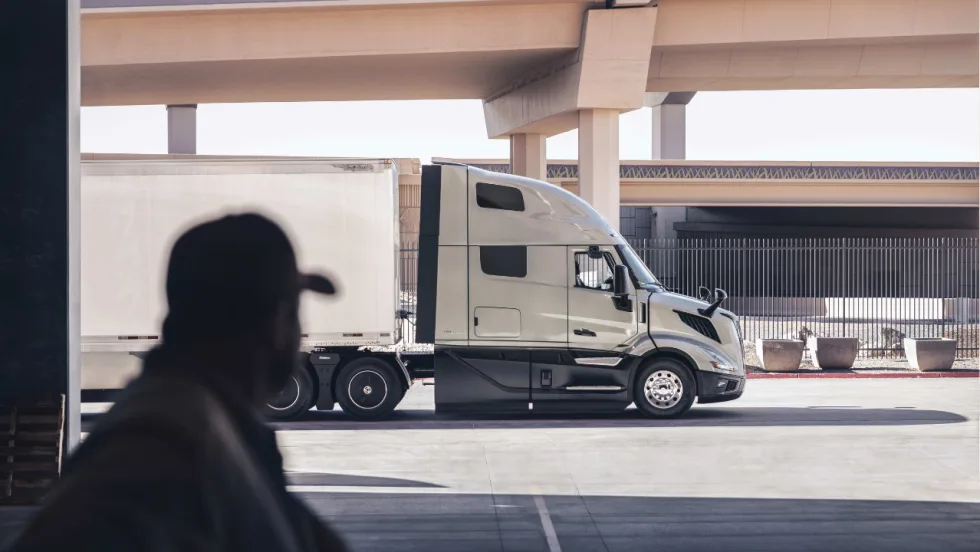
Volvo Trucks’ 'Lock and Leave' Software Updates Go Live Across North America
Unattended over-the-air software updates are now available in Volvo trucks across the U.S. and Canada. The new capability lets trucks stay current with the latest software without interrupting operations or requiring a dealership visit.
Read More →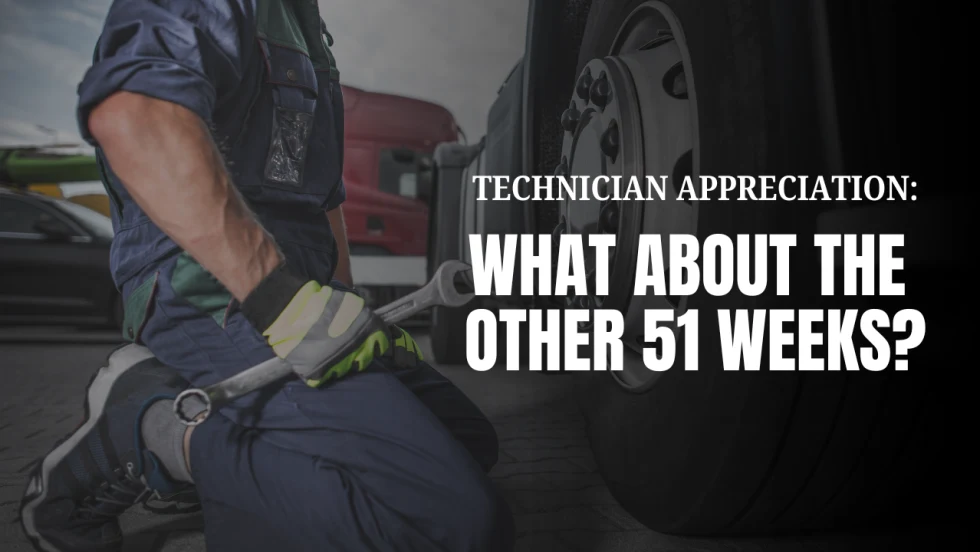
Why Technician Appreciation Can’t Be a Once-a-Year Thought
For fleets trying to keep skilled technicians, recognition cannot begin and end with Technician Appreciation Week. Learn what year-round appreciation really looks like and why the everyday technician experience matters just as much as pay when fleets are trying to keep good people.
Read More →
How Faster Driver Reporting Can Keep Small Truck Problems Small
When minor damage, warning lights, or equipment issues are reported late, small problems can quickly become bigger maintenance headaches. Conversational AI can help shorten the path from what a driver notices in the field to the person who can act on it.
Read More →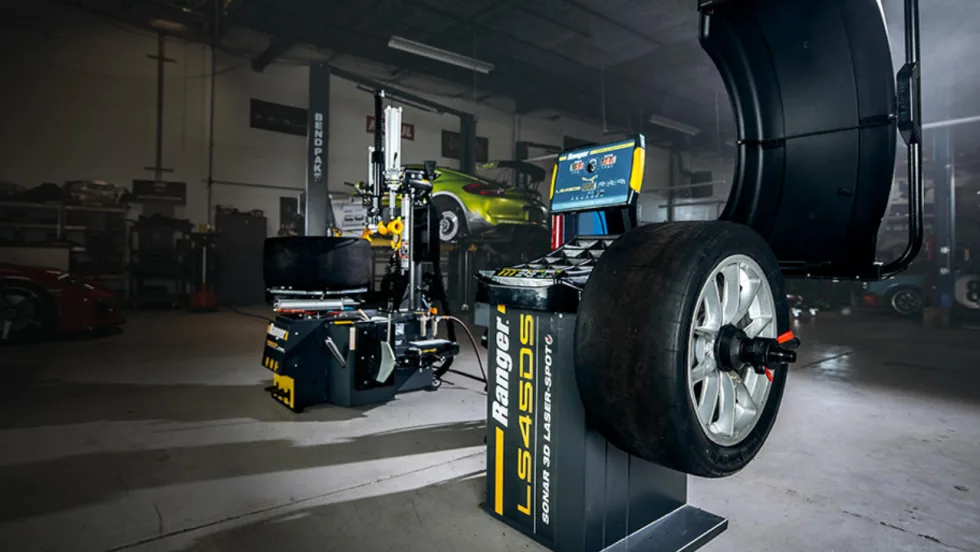
BendPak’s Ranger Wheel Service Equipment Achieves North American Safety Certification
BendPak’s full line of Ranger tire changers and wheel balancers has been ETL certified to UL and CSA standards to improve operator safety.
Read More →
Isuzu & U.S. Department of Labor Celebrate Milestone for Veterans Apprenticeship Program
The Isuzu Veterans Apprenticeship Program (IVAP) signing ceremony highlighted Isuzu’s long-term commitment to veterans, Isuzu dealers, and the skilled workforce supporting its customers and the commercial transportation industry.
Read More →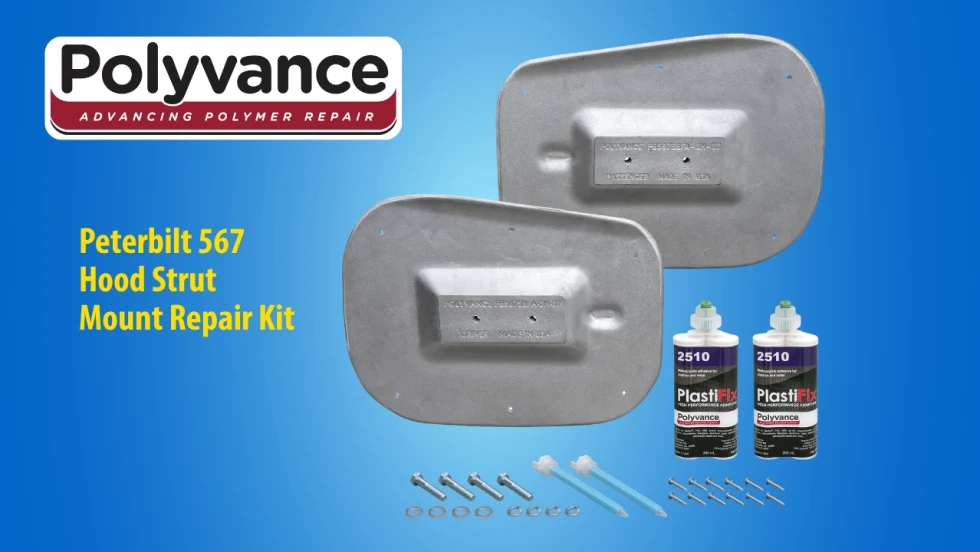
Polyvance Introduces New Peterbilt 567 Hood Strut Mount Repair Kit
Polyvance has launched a repair solution for Peterbilt 567 hood struts, helping truck owners and repair facilities avoid costly hood replacements.
Read More →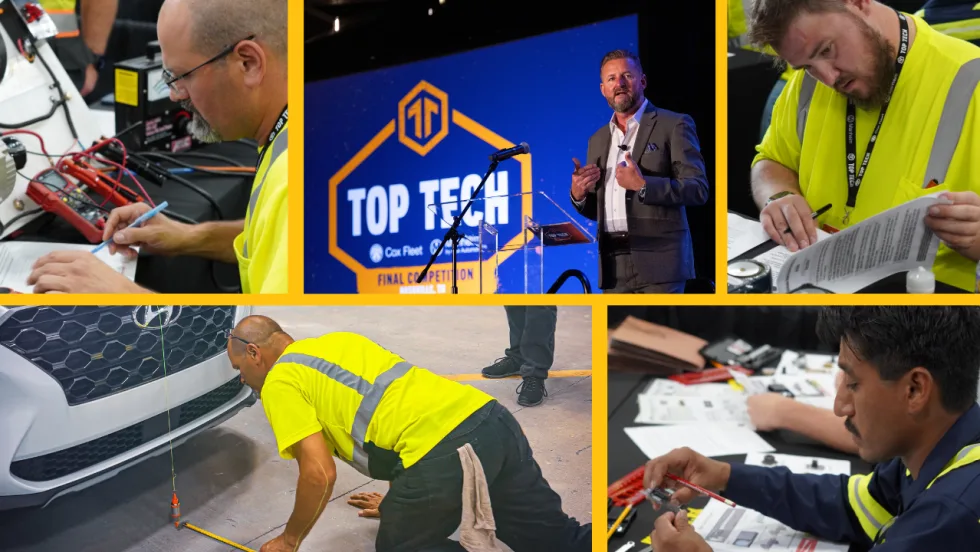
Cox Automotive Celebrates Technical Excellence at 2026 Top Tech Finals
The top technicians from Cox Fleet and Manheim tested their skills in Nashville, Tennessee, at Cox Automotive’s 2026 Top Tech Finals. The overall winners will advance to compete at the American Trucking Association’s TMC SuperTech competition.
Read More →
Grote Industries Appoints Vice President of North American Operations
Grote Industries has appointed Patrick Smith as vice president of North American operations as it celebrates 125 years of innovation and manufacturing excellence. He has more than 20 years of manufacturing leadership experience.
Read More →
Winter Fleet Prep: Expert Tips to Keep Vehicles Running Smoothly
Cold weather can expose weak batteries, tires, fuel systems, and maintenance gaps fast. Use this winter fleet checklist to prepare trucks and drivers before temperatures drop.
Read More →