




ARS Technicians Get a Hoist with New Vehicle Lift
After making the switch to a new strap hoist vehicle lift, American Residential Services (ARS) has reduced technician injuries, increased productivity, lightened vehicle loads, and improved portability.

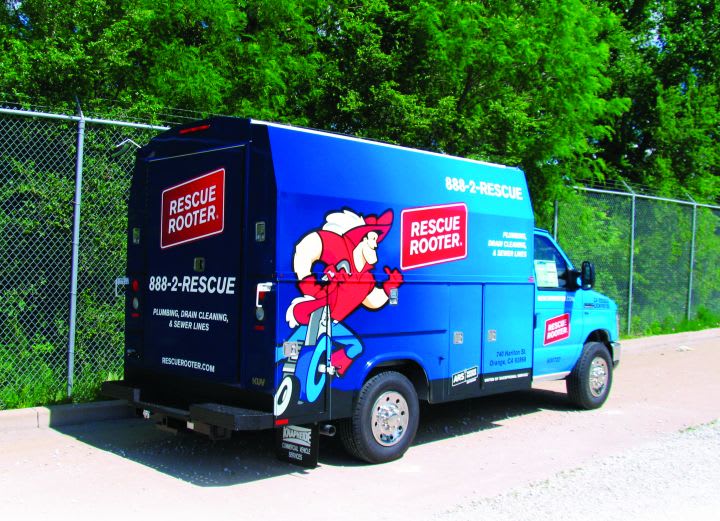
As a service fleet, ARS continuously seeks to streamline and fine-tune work processes to create increased efficiencies and a safer environment for drivers.
Photo: American Residential Services (ARS)
- American Residential Services (ARS) has transitioned to a new strap hoist vehicle lift.
- The new lift has led to reduced technician injuries and increased productivity.
- The upgraded equipment has resulted in lighter vehicle loads and improved portability.
*Summarized by AI
With more than 3,600 vehicles in the field, American Residential Services (ARS) depends on its vehicle fleet of mostly Ford E-250, E-350, and E-450 models to provide heating and air conditioning service, plumbing repairs, and cleaning and sewer line repair in a prompt, professional, and courteous manner.
“Every minute our drivers save in the field allows them another minute of productivity,” said Michael Baessler, director of purchasing & fleet for ARS, based in Memphis, Tenn. Baessler and his team of three manages ARS’ fleet operations — from vehicle selection to disposal.
As a service fleet, ARS continuously seeks to streamline and fine-tune work processes to create increased efficiencies and a safer environment for drivers. One recent initiative involved implementing new cranes — switching from a steel-cable model to a SpitzLift, featuring webbing.
“Our service personnel sometimes make six to seven stops per day, loading and unloading at each stop,” Baessler explained. “The repetition can get difficult, and having that strap has made the process simpler for them.”
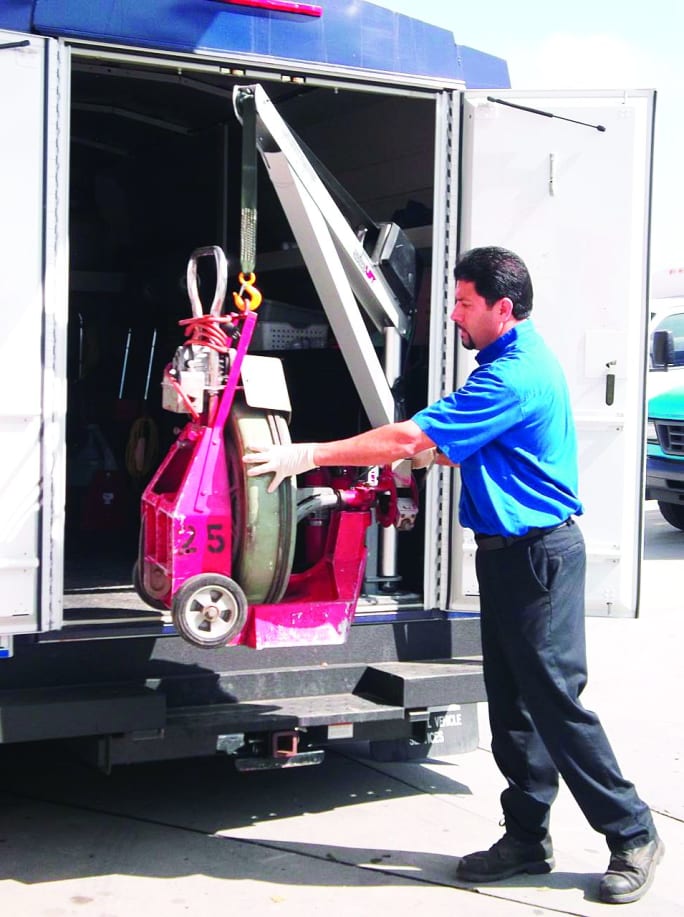
ARS' SpitzLift units have helped employees avoid injuries and become more efficient when making service calls.
Photo: American Residential Services (ARS)
Making the Job Easier, Safer
Previously, ARS utilized cranes on its plumbing trucks that lifted fairly heavy drain equipment in and out of the vehicle. Other trucks used similarly heavy equipment. A change was necessary to reduce on-the-job injuries, improve equipment flexibility, and increase service productivity.
To meet this need, ARS tested the SpitzLift, and, after receiving positive driver/operator feedback, the fleet team began to implement SpitzLift on newly acquired vehicles.
“The feedback was very positive,” Baessler said. “The technicians liked the strap, they liked that the arm was longer, and they liked that it allowed for more adjustability compared to the last crane.”
Baessler pointed out the primary benefits of the SpitzLift include:
- Lifting capacity of up to 900 lbs.
- 360-degree rotation.
- Minimizes payload impact to fleet.
- Folds up for easy storage.
- Lightweight — weighs 30-40 lbs.
- Reduces back and “lost time” injuries.
- Lessens workers’ compensation claims.
- Meets American Society of Mechanical Engineers (ASME)/Occupational Safety & Health Administration (OSHA) standards.
Because the SpitzLift is more flexible compared to the previous lift, the technicians can set it at any preferred height and arm length, making it easier to grab and handle to pull out and swing into the vehicle.
“This makes it easier and quicker to get those pieces of equipment in and out of vehicles during services,” Baessler said. “Plus, technicians are happier because it’s not a one-peg-fits-all-solution.”
Measuring the Benefits
With the previous lift, technicians occasionally cut themselves on the steel cable. Moving to a lift with a strap hoist eliminated these types of injuries. Also, wear and tear of the strap is easier to determine as opposed to the steel cable thanks to a wear sensor located on the outside of the system.
“We’ve eliminated on-the-job injuries that pertain to life operation, including head, hand, and other injuries,” Baessler said.
He also pointed out the portability benefits of the SpitzLift over the previous lift models, including the ability to transfer each SpitzLift to new vehicles when necessary. And, with more than 45 upfit configurations, the portability of the new lifts makes for a simpler installation process for ARS.
A new, lighter-duty SpitzLift model is under consideration for ARS’ cargo vans and ultra-low Knapheide KUV bodies.
“Anytime we make a significant fleet change, we get a lot of feedback from the field first and let the technicians tell us their opinion. Then we’ll move forward based on that feedback,” Baessler said.
ARS may offer technicians the option of choosing between several SpitzLift models, as the upfitting process for each is very similar.
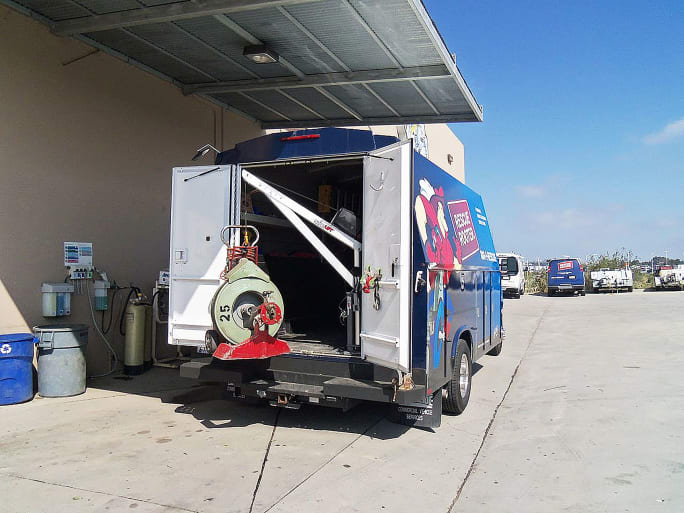
ARS' new SpitzLift units have been equipped on its Rescue Rooter trucks.
Photo: American Residential Services (ARS)
Field Tests Key to Success
ARS’ successful SpitzLift installations resulted from a detailed product investigation, extensive field testing, comprehensive feedback and analysis phase, and eventual rollout.
“Anything that you’re going to bring into the field, it’s critical that you have a good test program prior to introducing it on a national or fleet-wide basis,” Baessler stressed. “I’m fortunate to have a group of branches that can take on these projects and assist the fleet department by giving great feedback.”
He also emphasized the importance of setting parameters, having senior management involved in the process, and analyzing what is gained through the suggested change.
“My branches in the field are my customers. I need to put them in a position to succeed,” Baessler added.
Editor's Note: As of press time, Mike Baessler accepted a new position as fleet manager at another large service company.
Quick Answers
The new vehicle lift at ARS is designed to reduce technician injuries, increase productivity, lighten vehicle loads, and improve portability.
*Summarized by AI
More Upfitting
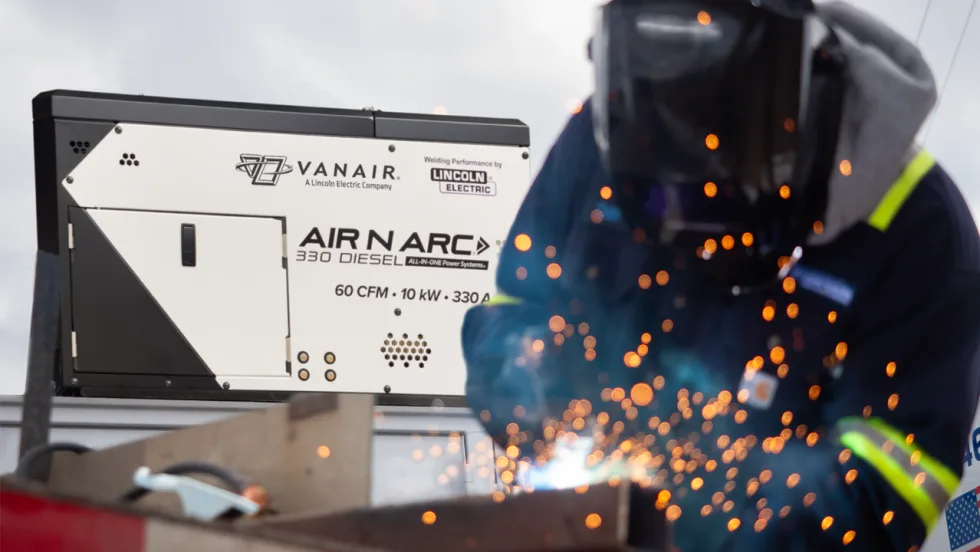
Multitasking: Vanair’s Air N Arc 330 Diesel 60 CFM All-In-One Power System
The Air N Arc 330 Diesel 60 CFM from Vanair consolidates a welder, generator, rotary screw air compressor, battery booster, battery charger, and EV charger into a single 750-pound enclosure driven by one 24.8-horsepower Kubota diesel engine.
Read More →
Buyers Products Awarded Sourcewell Cooperative Purchasing Contract for Snow & Ice Equipment
Buyers Products has been awarded a Sourcewell contract for a wide range of winter maintenance equipment and accessories, including snowplows, municipal plow systems, wing plows, spreaders, and more.
Read More →
Hilltip Introduces the SnowStriker SFT Flex Expandable Box Plow
Hilltip’s new SnowStriker SFT Flex expandable box plow features hydraulically extendable sections that allow operators to adapt the clearing width to changing conditions and applications on the go.
Read More →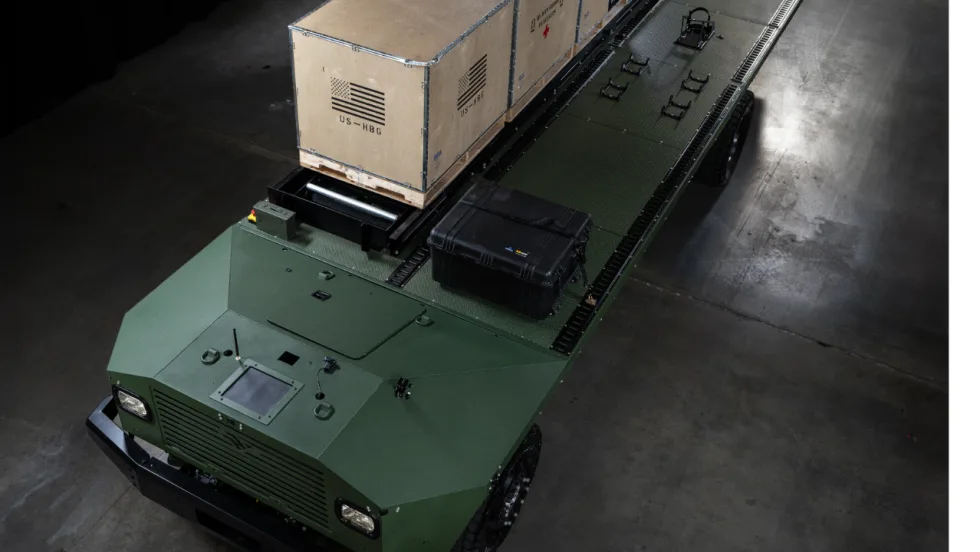
Harbinger Part of Effort to Deliver Autonomous Logistics Capabilities for U.S. Army
American Rheinmetall received an 18-month U.S. Army contract to deliver autonomous, hybrid-powered uncrewed ground vehicles. Harbinger is providing the truck platform for those vehicles.
Read More →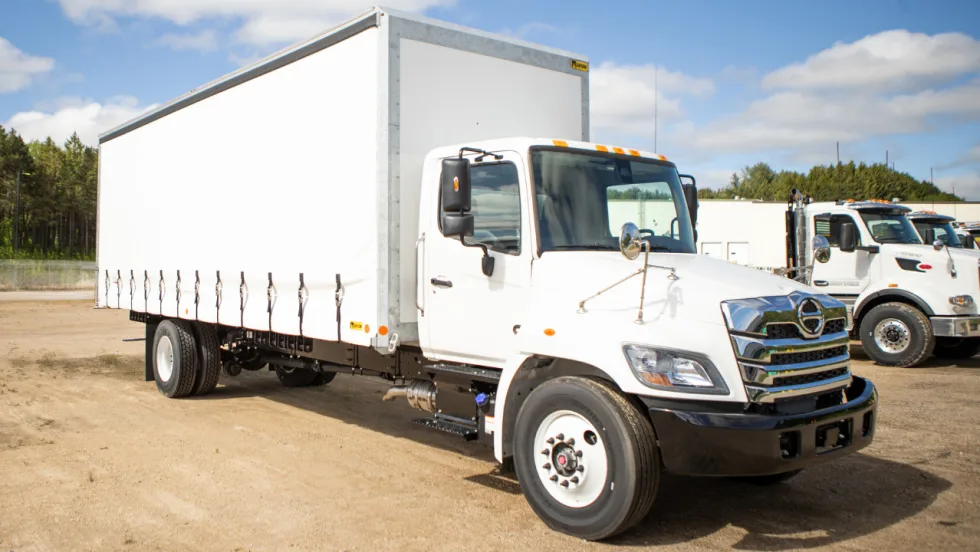
Thinking Outside of the Box: Choosing the Right Truck Body for Your Fleet
Choosing the right truck body can have a major impact on loading efficiency, cargo protection, downtime, and long-term operating costs. Here’s how dry vans, platforms, and curtainsiders compare, plus what fleets should consider before spec’ing their next truck.
Read More →
Fourth Annual Upfit Package of the Year Awards Open for 2027 Entries: One Month Left!
Think your upfit deserves industry recognition? Enter the 2027 Work Truck Upfit Package of the Year Awards before the Sept. 30 deadline. There is less than a month left to get your submissions in!
Read More →
Reading Truck Equipment & Masterack Unite as One of North America's Largest Commercial Vehicle Upfit Networks
Reading Truck Equipment and Masterack have integrated operations to create one of North America's largest and most comprehensive commercial vehicle upfit organizations.
Read More →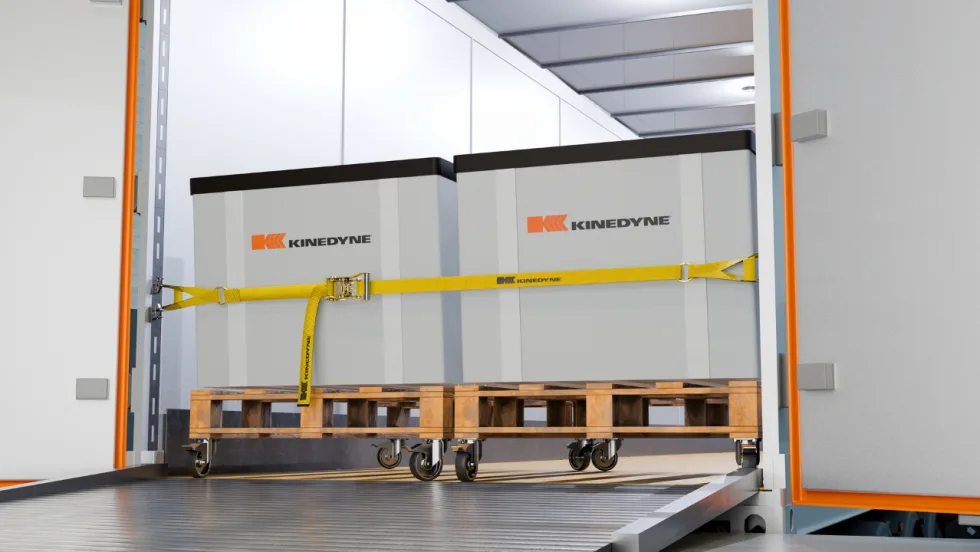
Kinedyne Launches Heavy Duty Logistic Shoring Strap
Kinedyne’s new Heavy Duty Logistic Shoring Strap features a patent-pending four-point design to deliver greater cargo stability, increased strength, and easier handling for rolling and shifting freight.
Read More →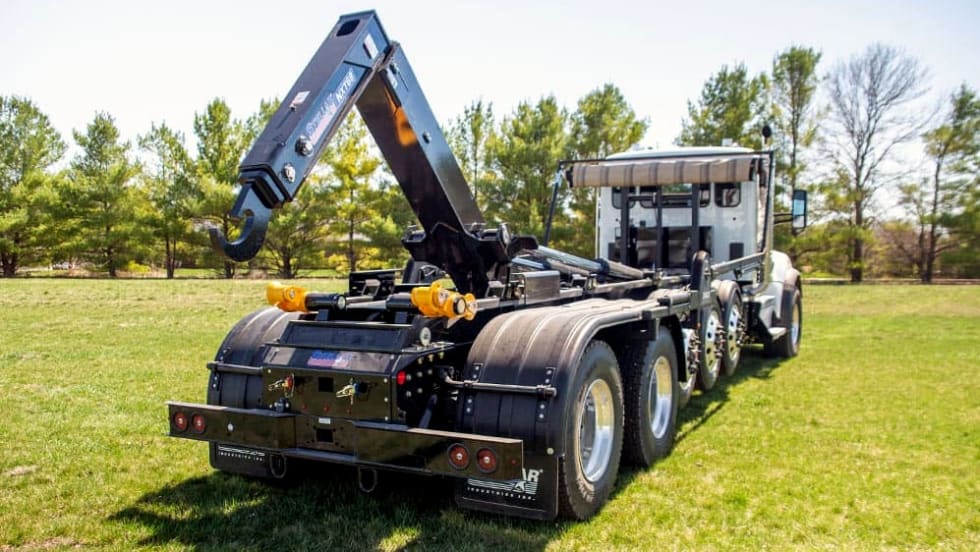
Hooklift Bumper Design from Stellar Showcases Strength & Versatility
Stellar Industries’ new bumper for the NZT Series Hooklifts come in two capacity options: the 20K, designed for Class 3 – 6 chassis with a 20,000-pound pull capacity, and the 90K, built for Class 7 and 8 chassis with a 90,000-pound pull capacity.
Read More →
Maxon Lift Awarded the Wabash Platinum Award for Supply Chain Performance
Maxon Lift, a liftgate manufacturer since 1957, received the Wabash Platinum Award for supply chain performance in 2025. Each year, Wabash presents awards to top suppliers for excellence in supply chain performance.
Read More →