5 Tips to Reduce Fuel Costs in Field Service Truck Fleets
You can’t control the price of fuel, but as fleet manager you can make sure your service technicians and trucks use fuel more efficiently. Fleets of all types and sizes can reap the benefits when they choose solutions and technologies that reduce fuel usage.
by Matt Sherrick
January 17, 2020
The cost of fuel is one of the most significant operating expenses for mobile service truck fleets, in some cases comprising more than half of the budget. Fleets of all types and sizes can reap the benefits when they choose solutions and technologies that reduce fuel usage.
Photo: Miller Electric
4 min to read
The cost of fuel is one of the most significant operating expenses for mobile service truck fleets, in some cases comprising more than half of the budget.
Ad Loading...
The larger the fleet, the faster your fuel costs add up.
Ad Loading...
You can’t control the price of fuel, but as fleet manager you can make sure your service technicians and trucks use fuel more efficiently. Fleets of all types and sizes can reap the benefits when they choose solutions and technologies that reduce fuel usage.
Stop wasting fuel with these five tips for improving efficiency and reducing spending in your service truck fleet.
1. Pay Attention to Preventive Maintenance
Maintenance is an important part of keeping your truck running optimally and efficiently. Cleaning the air filters and diesel particulate filters (DPF) regularly, changing engine oil and keeping tire pressure at recommended levels all play a role in fuel economy.
For example, under-inflated tires can reduce gas mileage by about 0.2% for every 1-psi drop in the average pressure of all tires. A dirty DPF increases the need for greater engine output that burns more fuel. DPF-related increases in fuel consumption can range from 4.5% to 7%. The bottom line? A well-maintained truck is a more efficient truck.
2. Stop Unnecessary Truck Engine Idling
Turning off truck engines on the jobsite can deliver significant fuel savings. Running these high-horsepower engines to drive your air, hydraulic or other power needs is extremely inefficient — decreasing the truck’s overall fuel economy and eating into profit.
Ad Loading...
For example, engines in these typical truck configurations can burn up to 0.9 gallons of fuel per hour while idling. This may not seem like much, but the extra fuel adds up. A PTO-equipped system uses 34% more fuel on average to supply air, hydraulic and other power needs compared to an APU (auxiliary power unit) system.
3. Choose Truck Equipment and Tech Wisely
Select fuel-efficient equipment and technologies. Using APU-type equipment to run your tools, such as air and hydraulics, is one of the easiest ways to minimize fuel spend. But not all of these systems are created equal. Look for solutions with technologies that maximize their fuel efficiency, such as equipment that automatically shuts off when not in use. Some equipment also matches engine output to the load — so it’s not constantly running at the highest rpm and burning more fuel. These technologies can pay for themselves quickly, usually in less than one year. When specifying the truck, don’t just consider the acquisition cost; it’s also important to think about your long-term ROI.
4. Lightweight and Rightsize Your Fleet
Reducing vehicle weight does make a difference for fuel economy and savings; every additional 100 pounds on a vehicle reduces the average miles per gallon by 1%, according to the EPA. Using telematics on your fleet and the associated power equipment lets you analyze metrics and review equipment usage data to help ensure you have the right equipment as well as the right size equipment.
You should also evaluate if smaller, lighter trucks that use less fuel will work for your fleet and still allow techs to carry the tools and equipment they need to get jobs done efficiently. In addition to using a lower class of truck — a Class 5 versus a Class 7, for example — consider bodies constructed of alternative materials, which can potentially reduce weight considerably and greatly increase fuel efficiency on the road. Choosing lightweight tools and equipment also helps lower your overall truck weight.
5. Evaluate and Optimize Your Truck Equipment
Another way to reduce overall truck weight — and therefore increase fuel efficiency — is to audit the onboard equipment, remove any that is unnecessary or not frequently used, and rightsize what is necessary. Understand whether or not you need a crane and, if so, choose the appropriate size.
Ad Loading...
You also need to know whether you need a welding solution and at what output. Once you have those answers, look for tools and equipment that can be combined to save space and weight on the truck, such as using a single APU-type unit rather than several separate components (like an air compressor, welder/generator and battery charge/jump packs). An all-in-one APU can save up to 550 pounds compared to using a PTO-driven air compressor and an engine-driven welder/generator.
Using auxiliary power unit (APU)-type equipment to run your tools, such as air and hydraulics, is one of the easiest ways to minimize fuel spend in your work truck fleet.
Photo: Miller Electric
Reducing Fuel Costs for Your Truck Fleet
Fuel costs are likely some of the biggest expenses in your work truck fleet. While you can’t control the price you pay at the pump, you can control how your fleet uses fuel.
What other costs are within your control? Check out these additional tips for increasing ROI in your fleet.
About the Author: Matt Sherrick, product manager, Power Systems Division, has been with Miller Electric Mfg. LLC for two years. Prior to that, he spent 20 years working in the document imaging industry.
Mixed-energy fleets aren’t about picking a winning fuel. Sarah Booth of WEX explains how vehicle data, duty cycles, charging strategy, and real-world costs can help fleets choose the right energy source for each job.
New research suggests neglected diesel aftertreatment systems could waste up to $30 in fuel per vehicle each day. Here's why vocational fleets should pay attention.
This week’s product launch with Standard Fleet’s connected vehicle platform reflects WEX Venture Capital's strategy of turning startup innovation into customer solutions. Standard Fleet is now available to WEX fleet customers.
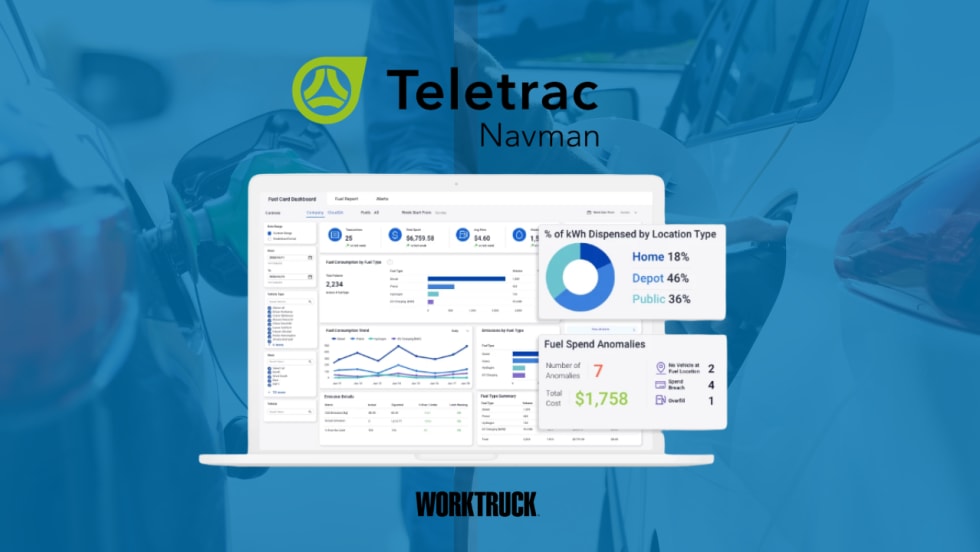
The new Energy Hub combines fuel transactions, EV charging data, vehicle range, and energy costs in one dashboard for fleets operating multiple vehicle and energy types.
The DriverDash mobile payment app, by WEX, has been integrated into the CITGO merchant network, which means WEX has expanded its U.S. station footprint with the addition of approximately 4,000 CITGO locations.
Mixed energy fleets are becoming the new normal. Learn how fleet managers are balancing EVs, gas and diesel vehicles while controlling costs and planning for the future.
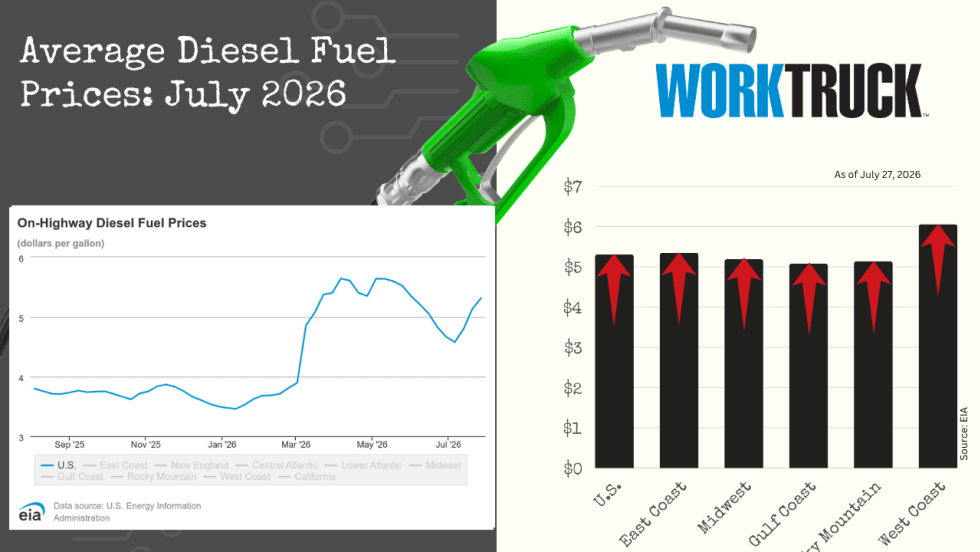
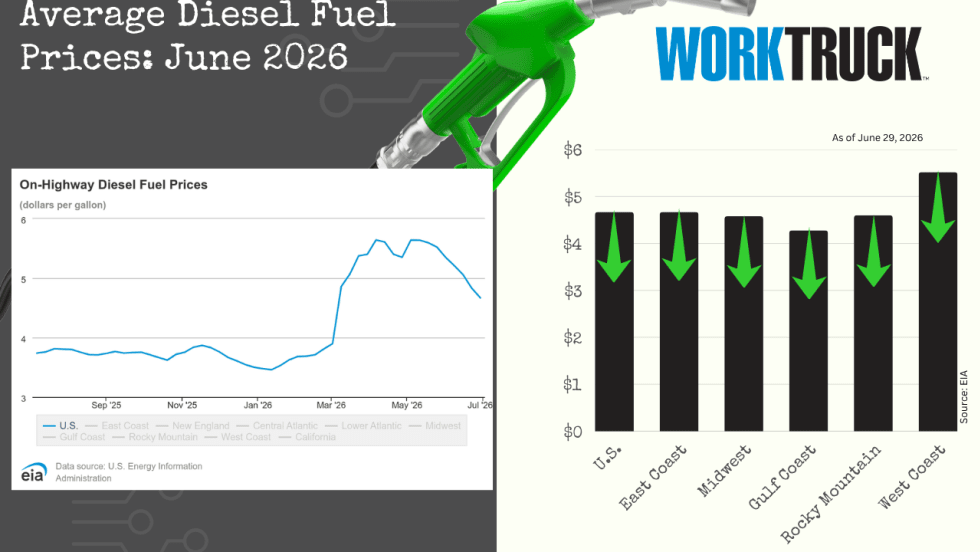
The national average price of a gallon of diesel has dropped again, this week by more than 16 cents. All five regions reported lower average prices, ranging from almost 13 cents to more than 28 cents cheaper than a week ago.
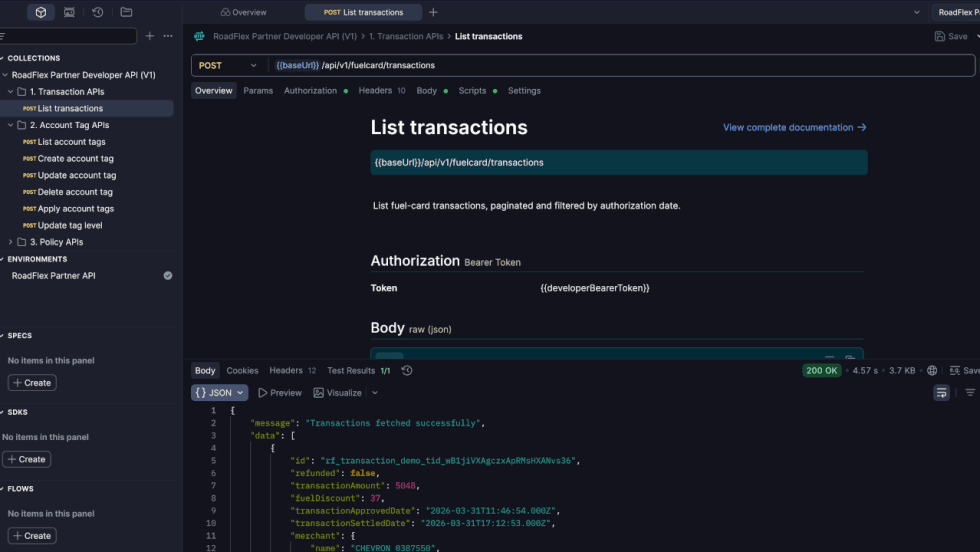
RoadFlex Direct connects fuel cards, controls, and data to the telematics and fleet management systems fleets already run, from Geotab and Samsara to Fleetio and RTA, with no separate dashboard or double data entry.