




Learn More: Utilities Play Critical Role In Electrifying Fleets
5 Tips On Connecting Your Fleet To the Electric Grid
Partnering with a power source can save a fleet operation on costs and energy consumption

Nicole Schlosser・Former Executive Editor
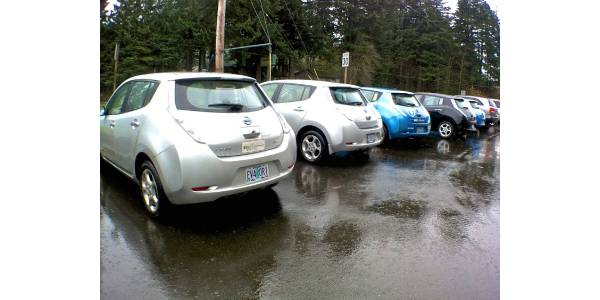
Photo: "Electric vehicles" by OregonDOT is licensed under CC BY 2.0
3 min to read
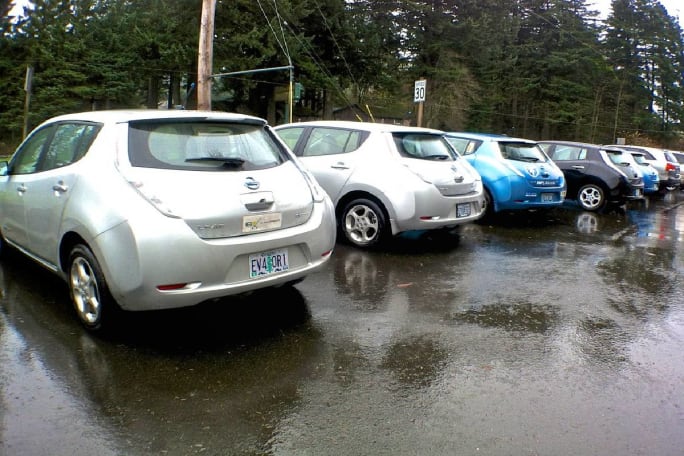
As soon as a company or fleet managers start thinking about adopting electric vehicles, they should start talking with their utility provider.
Photo: "Electric vehicles" by OregonDOT is licensed under CC BY 2.0
Known as vehicle-to-grid technology (V2G), the involvement of a local utility can bring a lot of potential for more efficient fleet operations.
What are some key tips or pieces of advice that all fleet operators should remember when partnering with an energy company on running electric vehicles, charging, and V2G?
It is important to work with your partners early on to ensure success throughout the process, from manufacturing to operation. Mark Childers, powertrain and technology sales manager for Thomas Built Buses, shares some key advice on integrating your fleets with power companies.
Start the conversation early. As soon as a company or fleet managers start thinking about adopting electric vehicles, they should start talking with their utility provider. Deploying new EVs can involve a prolonged timeline, so communicating early on will help the process move more smoothly and minimize unexpected hurdles. Involve your local dealer, too. They can add value to the discussion by providing specific vehicle options.
Invite the utility provider to a site review. A utility provider can assess what electrical infrastructure is already in place as well as what may need to be added to charge a fleet. While on site, fleet managers and the utility provider should also discuss fleet operations, such as how vehicles are parked and whether there are islands for charging multiples vehicles at a time. The utility provider can also offer suggestions on security around the charging infrastructure for safety purposes.
Discuss rates. There are two different rate structures that the transportation director and utility provider need to discuss: those based on time-of-use (TOU) and demand charge structures. TOU rate structures refer to the varying rates that a utility provider will charge for electricity depending on the time of day and whether it is peak-use time or not. Charging at varying times of day can greatly affect utility costs. Demand charge structures refer to additional fees that may be charged based on the highest amount of power drawn during an interval of time within the billing cycle. Knowing the cost of your electricity (fuel) is paramount to success in running electric vehicles.
Settle on electric vehicle (EV) support equipment — also known as charging equipment.
Together, the fleet manager and utility provider should discuss the best charging infrastructure for the fleet, whether AC or DC charging. How a fleet operates, whether on fixed routes, set schedules and/or established service hours, will play a critical role in the selection of chargers. Also think about the future growth of EVs in your fleet. Consider charging redundancy, such as a contingency plan if chargers are out of commission.Look into financial assistance and grants. Some utility providers can invest in some or all of the infrastructure costs, so budgeting and financing assistance should also be part of the conversation. Do your homework up front and look for make-ready EV programs from your utility provider.
Originally posted on Charged Fleet
Subscribe to Our Newsletter
More Green Fleet

Fleet Forward Conference Introduces One-Day Passes for 2026
New one-day registration gives fleet professionals the flexibility to attend Tuesday, Wednesday, or Thursday, with passes available for $199 through Sept. 18.
Read More →
CALSTART Rebrands as Catalyst Mobility, Will Combine with Forth in 2027
CALSTART has rebranded as Catalyst Mobility and will combine with Forth at the start of 2027. The new organization said it is poised to become one of the world's largest, strongest, and most impactful clean transportation nonprofits.
Read More →
Electric Truck and Charging Programs to Boost Sustainability at NY & NJ Ports
Together, the Port Authority of New York and New Jersey and CALSTART will electrify drayage and terminal operations serving the East Coast’s busiest container port. A pair of incentive programs totaling $45 million has launched to accelerate adoption of zero-emission drayage trucks and terminal tractors.
Read More →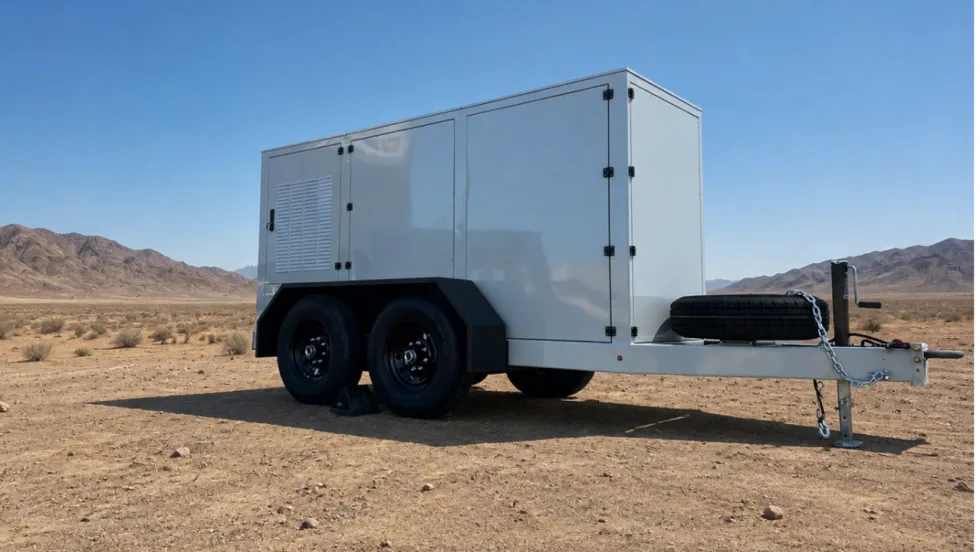
Xos Hub Surpasses One Gigawatt-Hour of Energy Delivered in the Field
A single Xos Hub has surpassed one gigawatt-hour of energy across more than 33,600 charging sessions in the field, demonstrating performance that supports Xos' expansion across new products and markets.
Read More →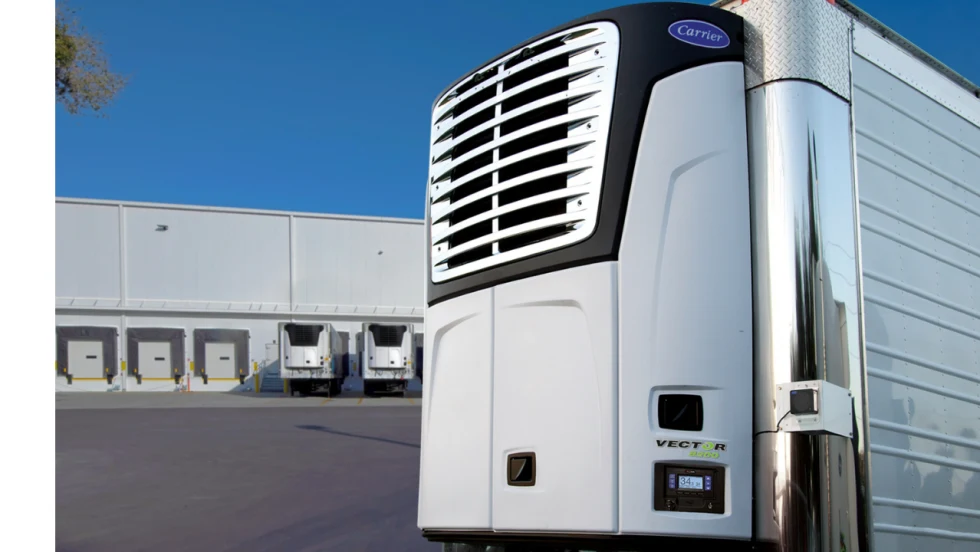
Carrier Transicold Launches All-Electric Vector 8200 TRU for Diesel-Free On-Site Cold Storage
Carrier Transicold’s first engineless multi-temperature TRU helps fresh- and frozen-food fleets add supplemental cold storage capacity during seasonal peaks.
Read More →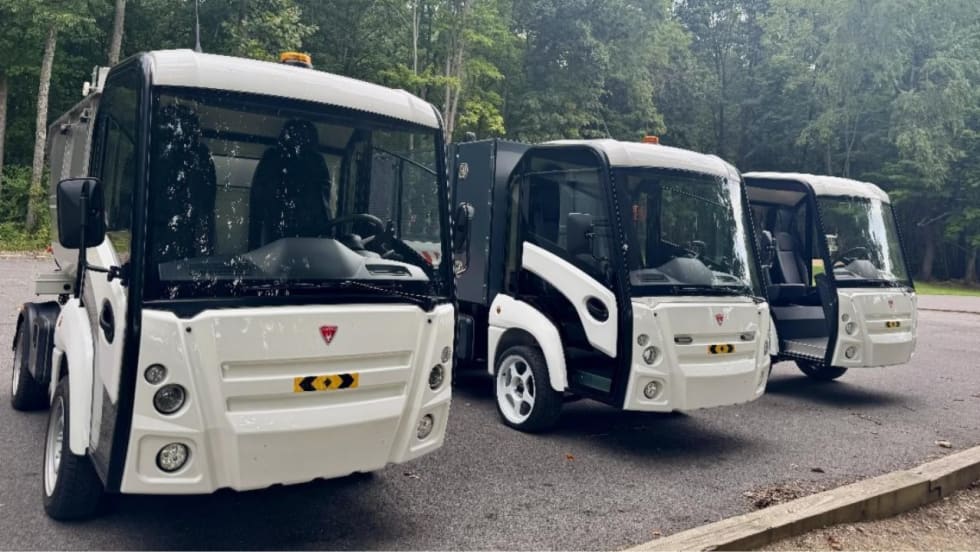
Narro Trucks Introduces Electric Utility Vehicle
Narro Trucks officially launched its operations on Aug. 20 and hosted a ride and drive to showcase its electric truck, which will be produced in Virginia.
Read More →
Samsung SDI Takes Full Control of GM Battery JV as Indiana Plant Pivots to Energy Storage
Samsung SDI is taking full control of its Indiana battery plant with GM, marking a major shift from the EV-focused joint venture Charged Fleet first covered in 2023.
Read More →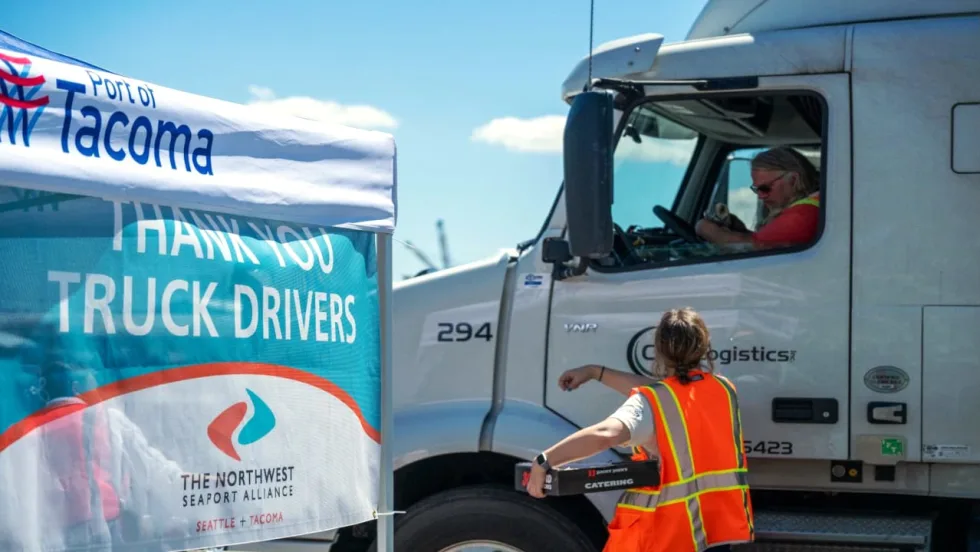
NWSA Taps CALSTART to Administer Zero-Emission Drayage Assistance Program
CALSTART will provide free technical assistance services to drayage fleets serving the Ports of Seattle and Tacoma and looking to transition to cleaner technologies and help decarbonize freight hubs.
Read More →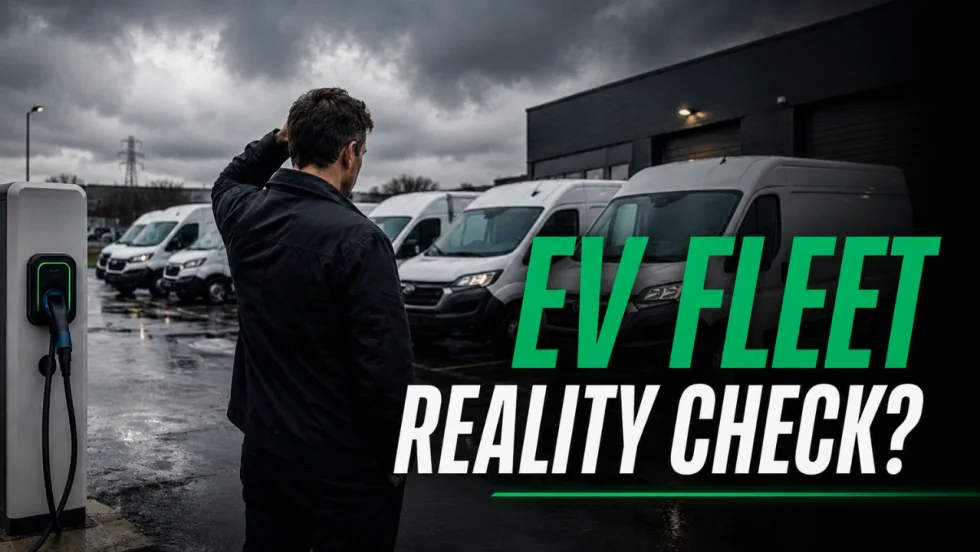
EV Fleet Reality Check: What Operators Wish They Knew Before Electrifying Their Work Vans
Electric work truck upfits bring new compatibility questions. Learn how parts availability, OEM guidance, power demands, and route planning can affect fleet performance.
Read More →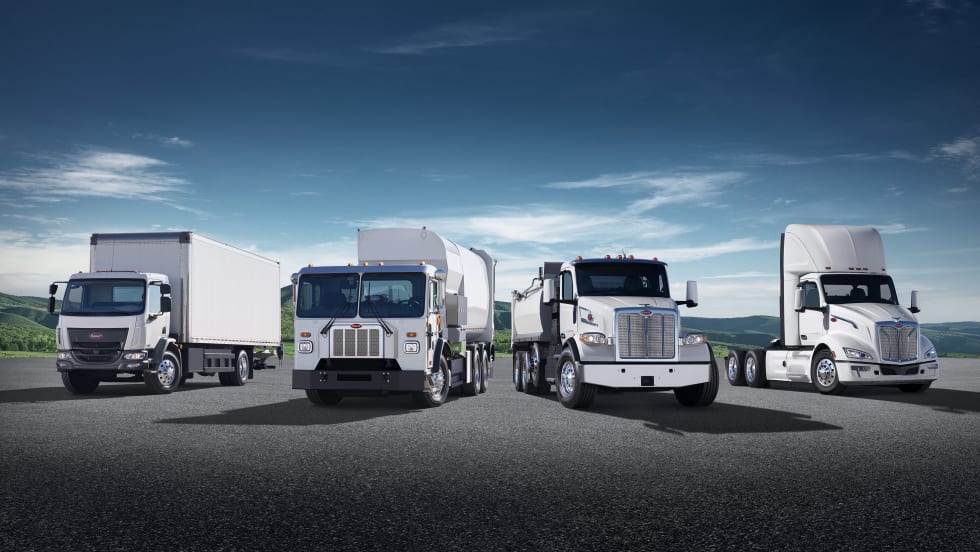
Peterbilt Expands Sourcewell Partnership with Electric Vehicle Lineup
Peterbilt Motors Company’s cooperative purchasing agreement with Sourcewell and its Canadian partner, Canoe Procurement Group, now includes including Peterbilt's battery-electric vehicle lineup.
Read More →