





Related: Top 7 Federal Med Card Questions
3 Steps for Qualifying Drivers Who Use Insulin
Drivers with a stable insulin regimen and properly controlled insulin-treated diabetes mellitus may be medically certified to drive commercial trucks.
August 19, 2023

A driver with a commercial driver’s license (CDL) who becomes medically unqualified, even temporarily, may have his or her CDL downgraded.
Photo: Work Truck
3 min to read
It has been argued by many over the years that commercial drivers with controlled insulin-treated diabetes mellitus (ITDM) should be medically certified, provided they are otherwise physically qualified. And, it appears as if the Federal Motor Carrier Safety Administration (FMCSA) was listening.
As of Nov. 19, 2018, individuals with a stable insulin regimen and properly controlled ITDM may be medically certified — for up to one year — to operate commercial motor vehicles (CMVs) in interstate commerce. Certification of drivers with ITDM no longer requires the considerably more time-consuming medical exemption from the FMCSA.
How to Obtain Medical Certification
Insulin-using drivers must complete three steps before they can be medically certified:
Step 1: Monitor blood glucose levels.
A driver with ITDM is required to follow his or her treatment plan and maintain blood glucose records using an electronic glucometer. The glucometer must be able to record the date and time of each reading. Typed or handwritten logs are not acceptable.
Step 2: Visit the treating clinician (TC).
The driver must make an appointment with his or her TC, the healthcare professional who manages and prescribes insulin for the treatment of his or her diabetes. The driver must provide the TC with at least the previous three months’ worth of blood glucose records. This is achieved through either presenting the glucometer or a printout of the device’s electronic records.
If the TC determines that the driver’s diabetes is controlled, he or she then completes an FMCSA document, the ITDM Assessment Form (MCSA-5870) to attest to this fact. The driver may need to bring a copy of the form to the appointment if the clinic does not provide it.
Step 3: Schedule an FMCSA exam.
The driver must schedule a medical exam within 45 days of the ITDM Assessment Form’s completion with a medical examiner (ME) listed on the National Registry of Certified Medical Examiners.
The driver must bring the completed ITDM Assessment Form to the appointment for the ME’s review. Even though the driver has the TC’s stamp of approval, the decision to medically qualify still rests with the ME. If the ME is satisfied, he or she will qualify the driver (up to one year) based on the ME’s discretion.
Complications Between Med Cards
Drivers with ITDM who are certified, but later suffer a severe hypoglycemic episode, are considered medically unqualified. A severe hypoglycemic episode requires the assistance of others or results in loss of consciousness, seizure, or coma. The driver must report the episode to the TC as soon as possible.
How to Stay Qualified
Once a driver with ITDM is medically certified, he or she must repeat these steps annually to remain qualified:
Accumulate at least three months’ worth of blood-glucose monitoring data prior to each subsequent medical exam;
Time follow-up visits to the TC to ensure Form MCSA-5870 is completed and available to the ME before the current medical card expires; and
Schedule a physical exam with a certified ME before the current medical card expires and no later than 45 days after the TC completes the MCSA-5870.
A driver with a commercial driver’s license (CDL) who becomes medically unqualified, even temporarily, may have his or her CDL downgraded. The state licensing agency needs proof of renewed medical certification no later than 10 days after the prior certificate expires. Within 11 days of the expiration, but no later than 60, the CDL will be downgraded if proof of medical certification was not received.
Educate Drivers on the Topic
Due to privacy issues, motor carriers may not be aware that a driver has been diagnosed with diabetes, let alone prescribed insulin as a treatment.
Motor carriers can help facilitate the process of medical certification of insulin-using drivers (and avoid downgraded licenses) through providing education on the topic to all drivers.
Editor's Note: This article was originally published in the January 2019 print issue of Work Truck, but was reviewed for continued relevance and accuracy as of August 2023.
Subscribe to Our Newsletter
More Safety

When Work Trucks Under 26,001 Pounds Need IRP Registration
Think trucks under 26,001 pounds are automatically in the clear when it comes to IRP? Not always. Learn where lighter vehicles can still run into trip permit, apportioned registration, and IFTA compliance requirements when crossing state or provincial lines.
Read More →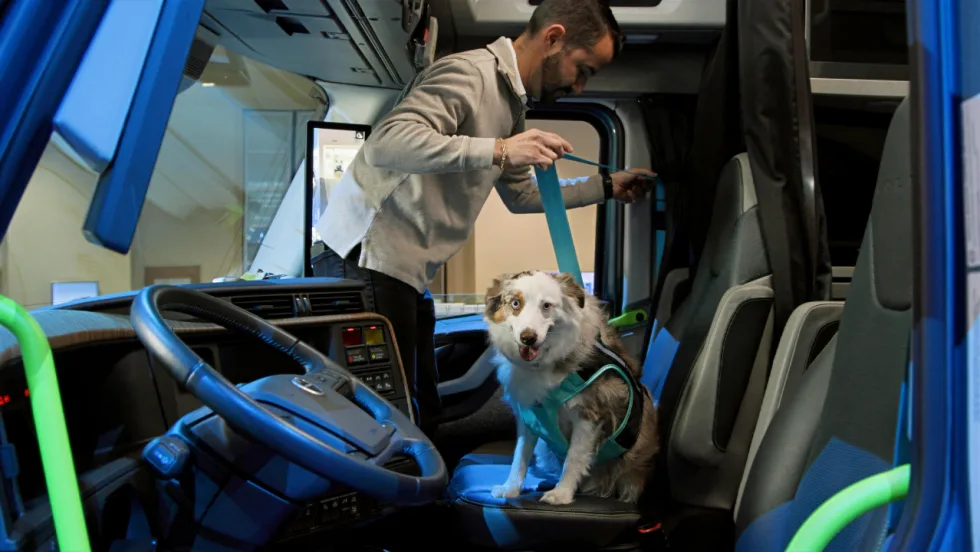
Volvo Trucks Releases New Safety Recommendations for Traveling with Pets
One of the most important recommendations for professional drivers traveling with pets is to ensure pets are properly restrained while the truck is moving. Other tips are available in the new guide from Volvo Trucks North America and Center for Pet Safety.
Read More →
API Issues Refueling Safety Guidelines
The American Petroleum Institute offers a list of safe vehicle refueling guidelines, including ways to avoid potential problems with static electricity discharges in fall, winter, and early spring.
Read More →
Winter Fleet Prep: Expert Tips to Keep Vehicles Running Smoothly
Cold weather can expose weak batteries, tires, fuel systems, and maintenance gaps fast. Use this winter fleet checklist to prepare trucks and drivers before temperatures drop.
Read More →
When a Work Truck Breaks Down, the Job Can Stop, Too
A work truck breakdown can stop more than the vehicle. Discover how payloads, jobsites, and specialty equipment change the roadside response.
Read More →
What Stronger Long-Term Fleet Service Partnerships Actually Require
Fleet service partnerships rarely fall apart all at once. Learn the three warning signs that trust is eroding and what fleets and providers can do before downtime, frustration, and lost revenue follow.
Read More →
Applause & TRUCE Software Partner to Improve Driver Safety Through AI-Powered Telematics & Employee Performance Management
Applause has integrated TRUCE driving metrics directly into its employee-first performance and safety platform that transforms mobile devices into AI-powered telematics.
Read More →
How Detroit Assurance with Active Brake Assist Works
Do you want to see what it is like to experience Detroit Assurance’s Active Brake Assist? In this video, Work Truck will put you in the cab to see how it all works and then hear more details from DTNA’s Mike Young.
Read More →
Get Left of Loss: A 5-Step Workplace Violence Prevention Framework for Fleet Operators
Violence risks do not stop at the driver’s door. Learn five practical steps fleets can take to spot threats early and protect workers before loss occurs.
Read More →
Sponsored•July 17, 2026
How Better Visibility Cut Speeding Violations by 48%
Fleet leaders don't need more data, they need clearer visibility into what the data is saying. This case study explores how one utility replaced speeding-event counts with a single metric — miles driven in violation — to strengthen safety and significantly reduce speeding violations.
Read More →